Charmander
Generation I · #0004 — Lizard Pokémon
Charmander's fire typing gets most of the attention, but blaze is doing just as much work in how it holds up in practice. With a aggregate stat total of 309 and a medium-slow growth rate, Charmander develops gradually but surely into its powerful final evolution, Charizard. The species maintains a gender ratio heavily skewed toward males at approximately 87.5%, with only 12.5% of Charmanders being female, making female specimens slightly more difficult to encounter in the wild. Its approachable nature and high base happiness value of 70 make it an ideal companion for novice trainers seeking a reliable and loyal partner.
Editor's Take
Charizard gets the attention, but Charmander's real value is as a lesson in why 'quad-weak to Rock' matters more than raw stats in a first playthrough — I've watched more players get walled by Brock's Onix on a Charmander run than any other starter-gym matchup in the franchise.
Base Stats
Height
0.6m
Weight
8.5kg
Category
Lizard Pokémon
Gender
Male 87.5% / Female 12.5%
Color
red
Shape
upright
Habitat
mountain
Abilities
Strengthens fire moves to inflict 1.5× damage at 1/3 max HP or less.
Increases Special Attack to 1.5× but costs 1/8 max HP after each turn during strong sunlight.

Charmander Biology & Physical Characteristics
Charmander is a small, bipedal reptilian Pokémon standing merely 0.6 meters (2'00") tall and weighing only 8.5 kilograms (18.7 pounds), making it one of the lighter starter Pokémon. Its body is primarily orange with a cream-colored underside extending from the chest downward, and it possesses distinctive blue eyes that convey both innocence and determination. The most iconic feature of Charmander is undoubtedly the flame that burns at the tip of its tail, which serves as both a literal representation of its life force and an emotional barometer. According to various Pokédex entries across generations, this tail flame indicates the creature's health and emotional state—burning brightly when the Pokémon is healthy and vigorous, yet diminishing when it becomes weak or ill. The flame produces an audible sound as it burns, though this sound is only perceptible in quiet environments. Remarkably, the flame persists even when exposed to moisture, demonstrating the innate magical nature of Charmander's biology that distinguishes it from ordinary reptiles.
Pokedex Numbers
Training
Breeding
Charmander Breeding, Gender Ratio & Egg Groups
Charmander belongs to both the Monster and Dragon egg groups, providing trainers with diverse breeding possibilities for developing competitive or collection-focused lineups. The gender ratio of approximately 87.5% male to 12.5% female creates a noticeable disparity that makes female Charmanders statistically rarer in wild encounters, potentially increasing their perceived value among collectors and competitive breeders seeking optimal breeding stock. The species exhibits moderate breeding difficulty, requiring 20 egg cycles (approximately 4,884 to 5,140 steps) before eggs hatch into new Charmander hatchlings. Breeding two Charmanders or breeding one with compatible Monster or Dragon group members allows trainers to potentially obtain offspring with improved individual values or beneficial natures suited to competitive strategies. The base friendship value of 70 suggests that Charmanders captured in the wild will develop bonds with trainers at a reasonable pace, though consistent positive interactions and item usage can accelerate this process. Interestingly, Charmander is not classified as a baby Pokémon despite its diminutive size, indicating that it represents a fully independent species rather than an infantile stage requiring parental care.
Sprites






TMs & HMs
tm00
sword shield
tm01
yellow
tm01
red blue
tm01
lets go pikachu lets go eevee
tm01
blue japan
tm01
red green japan
tm01
sword shield
tm02
crystal
tm02
gold silver
tm03
yellow
tm03
crystal
tm03
gold silver
tm03
red blue
tm03
sword shield
tm03
blue japan
tm03
red green japan
tm05
red blue
tm05
ruby sapphire
tm05
emerald
tm05
gold silver
+421 more TMs/HMs
Charmander's Evolution Chain


Charmander Evolution, Mega Evolution & Special Forms
Charmander begins a two-stage evolutionary line that represents one of the most recognizable progression paths in all of Pokémon. At level 16, Charmander evolves into Charmeleon, a more aggressive and territorial Pokémon that experiences significant stat improvements, particularly in Attack and Special Attack. This intermediate stage retains the Fire-type classification while developing greater independence and volatility. The evolution culminates at level 36 when Charmeleon transforms into Charizard, a powerful dragon-like Pokémon that gains the Flying-type in addition to its original Fire-typing, substantially broadening its movepool and strategic applications in battle. The transformation from the diminutive, docile Charmander to the formidable Charizard represents one of Pokémon's most dramatic power progressions, with final-stage stats reaching 534 compared to Charmander's modest 309. Charizard further boasts access to Mega Evolution through two distinct Mega Stone variants (Mega Charizard X and Mega Charizard Y), each providing unique type combinations and stat distributions that enable competitive viability at the highest levels of play.
Where to Find
Pallet Town
kanto
+5 more
Kanto Route 24
kanto
Lumiose City
kalos
Alola Route 3
alola
Rock Tunnel
kanto
+1 more
Kanto Route 4
kanto
Kanto Route 3
kanto
Charmander Behaviour and Natural Habitat
Charmander demonstrates a pronounced preference for warm, hot environments, as documented across multiple Pokédex entries since its introduction. The species is particularly vulnerable to rainfall, with steam visibly spouting from the tip of its tail during wet weather conditions, suggesting that moisture poses a genuine environmental hazard to the creature despite its flame's resilience. The emotional expressiveness of Charmander becomes apparent through the behavior of its tail flame, which wavers gently when the Pokémon is content and enjoying itself, yet burns with fierce intensity when angered or agitated. This emotional connection to fire makes Charmander remarkably expressive compared to many other Pokémon, allowing trainers to intuitively understand their companion's mood and well-being. In its natural habitat, Charmander gravitates toward warm regions and arid climates, avoiding damp environments whenever possible. The creature's preference for solitude during rest periods and its cautious nature around unfamiliar trainers make patience and gentle handling essential when attempting to bond with wild specimens.
Pokedex Entries
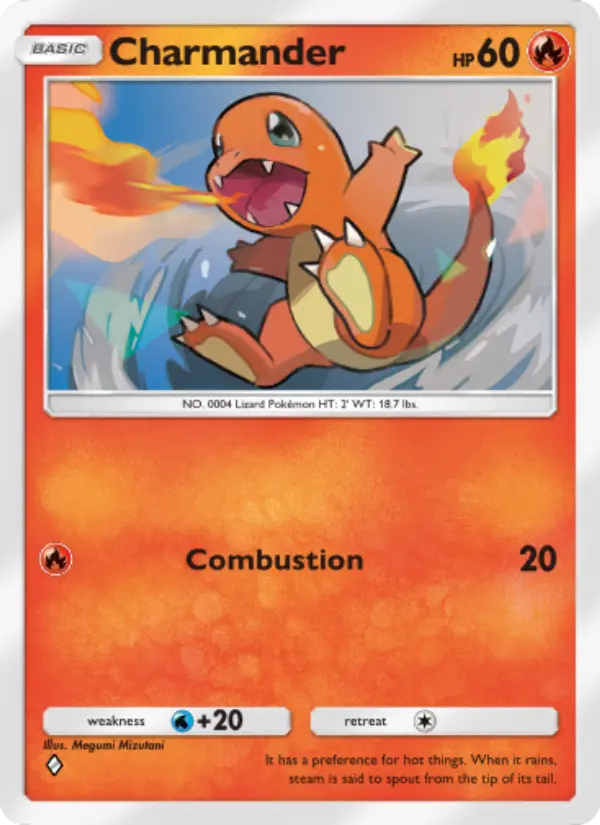
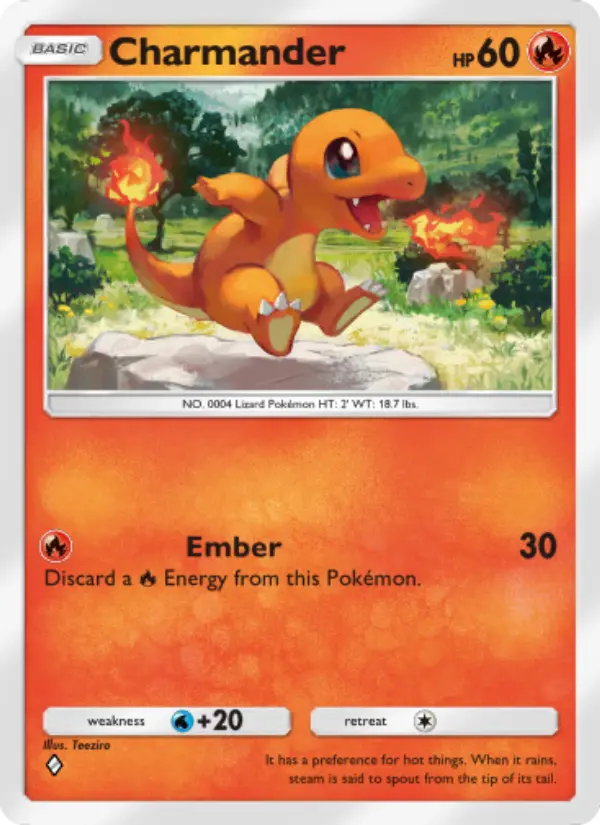
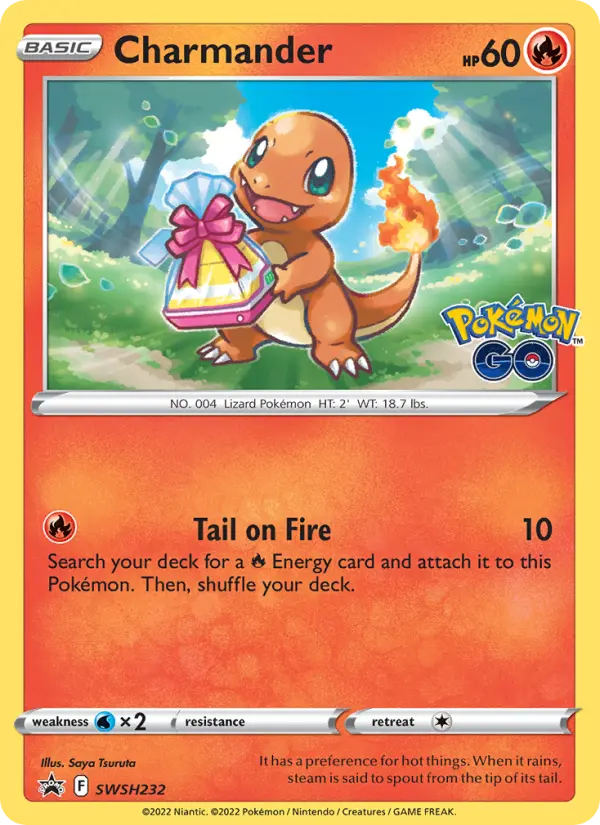
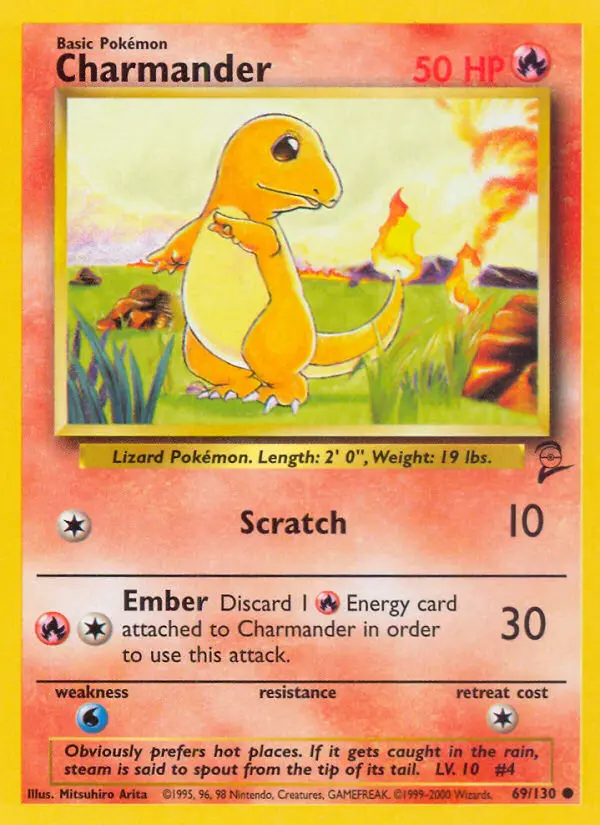
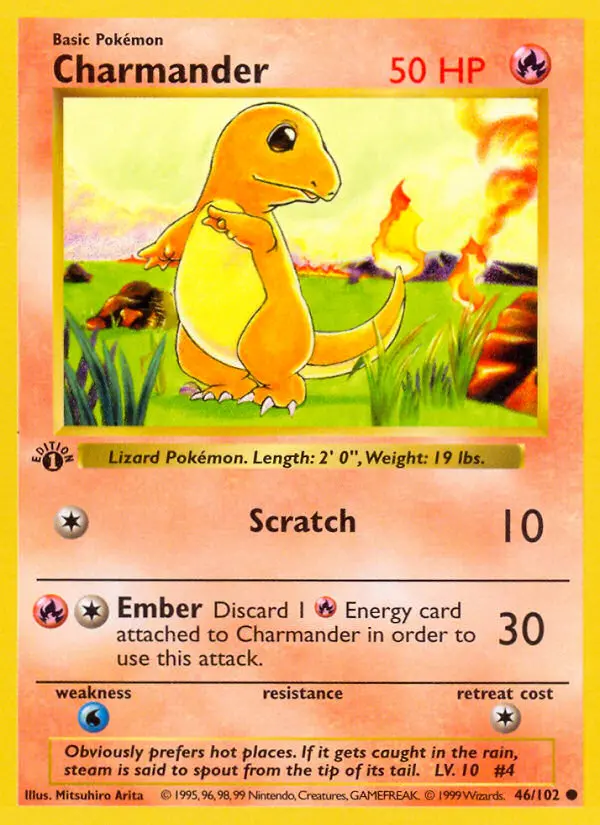
Obviously prefers hot places. When it rains, steam is said to spout from the tip of its tail.
The flame at the tip of its tail makes a sound as it burns. You can only hear it in quiet places.
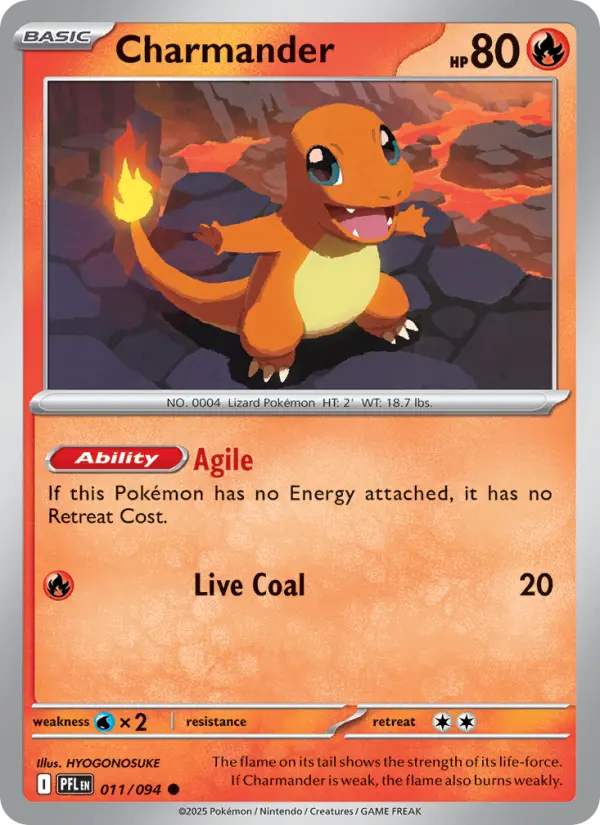
The flame on its tail shows the strength of its life force. If it is weak, the flame also burns weakly.
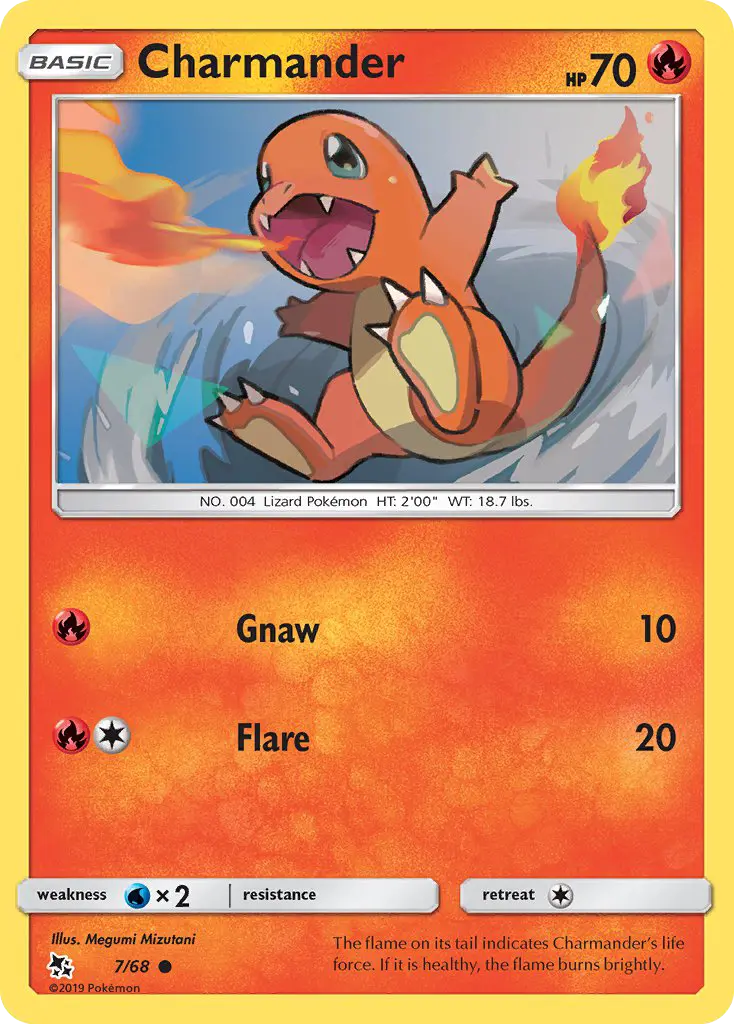
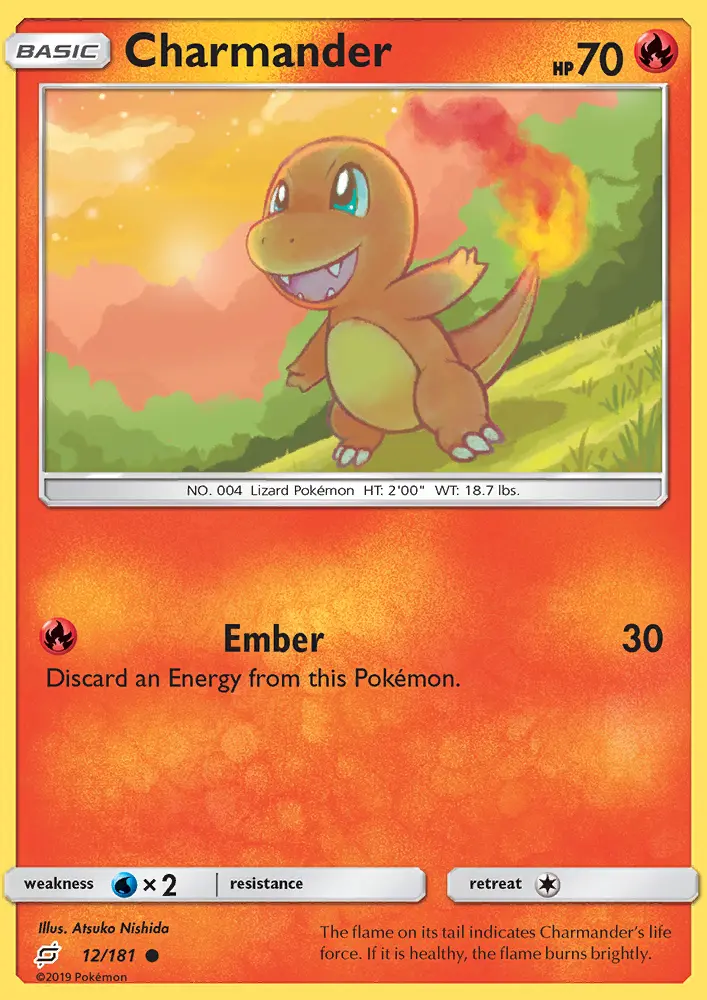
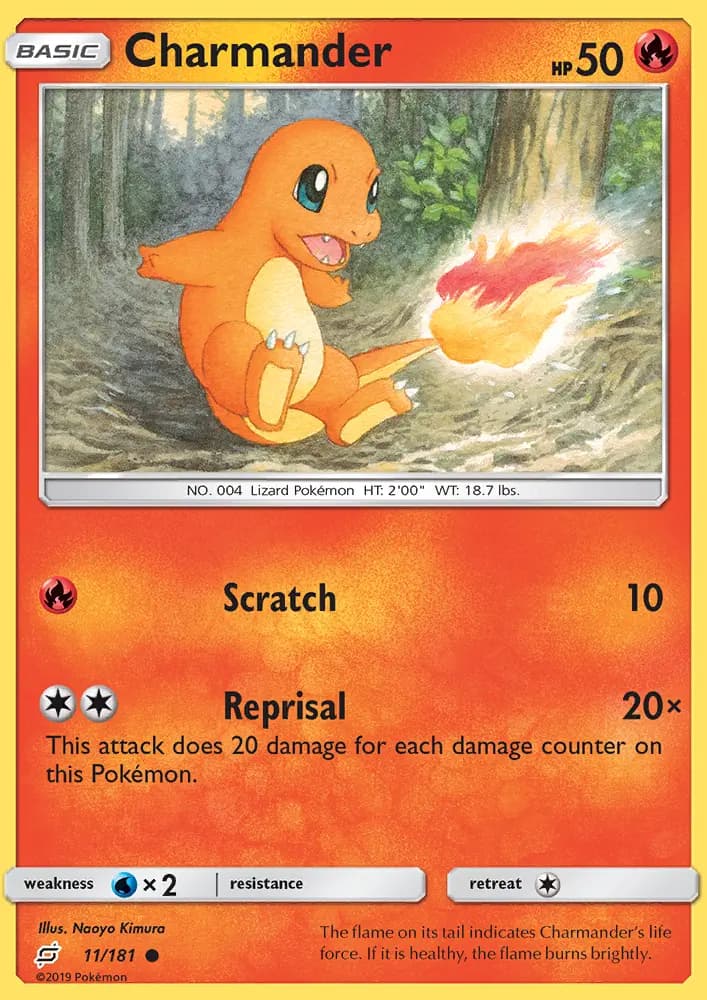
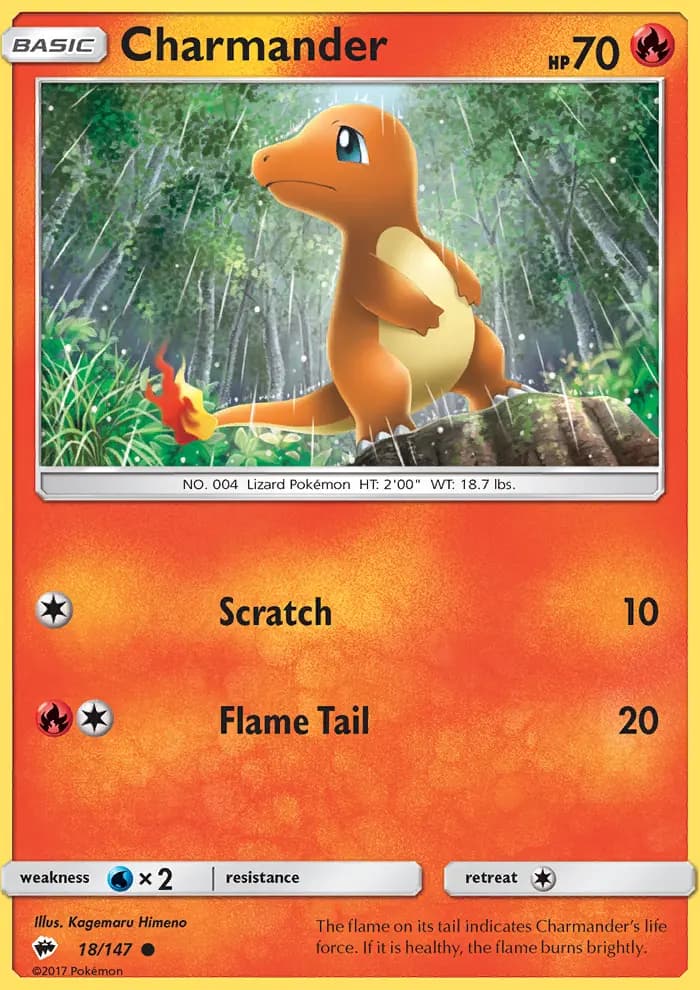
The flame on its tail indicates CHARMANDER's life force. If it is healthy, the flame burns brightly.
If it's healthy, the flame on the tip of its tail will burn vigor ously, even if it gets a bit wet.
The flame that burns at the tip of its tail is an indication of its emotions. The flame wavers when CHARMANDER is enjoying itself. If the POKéMON becomes enraged, the flame burns fiercely.
The flame that burns at the tip of its tail is an indication of its emotions. The flame wavers when CHARMANDER is happy, and blazes when it is enraged.
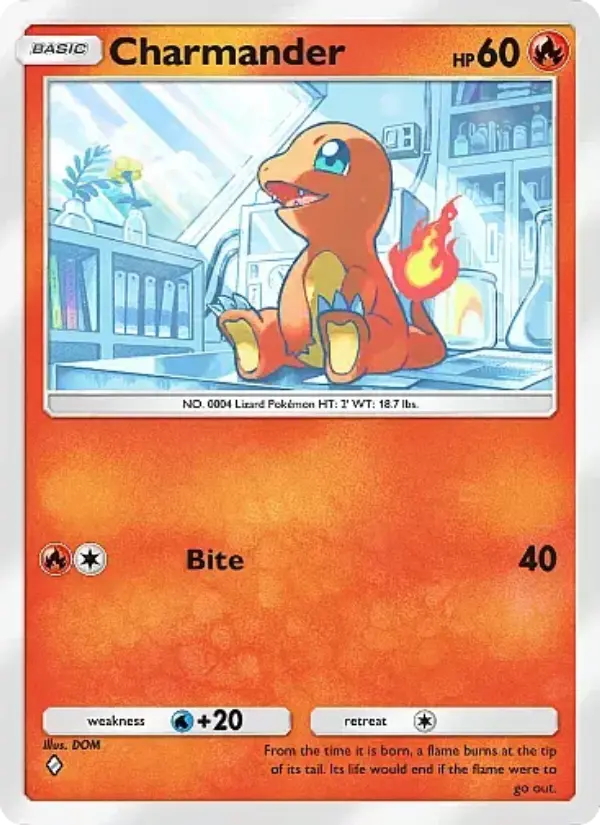
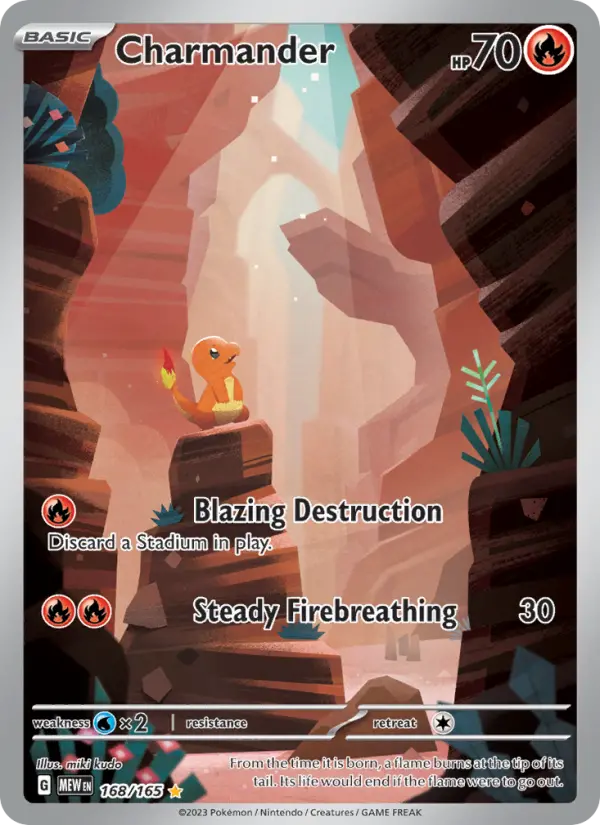
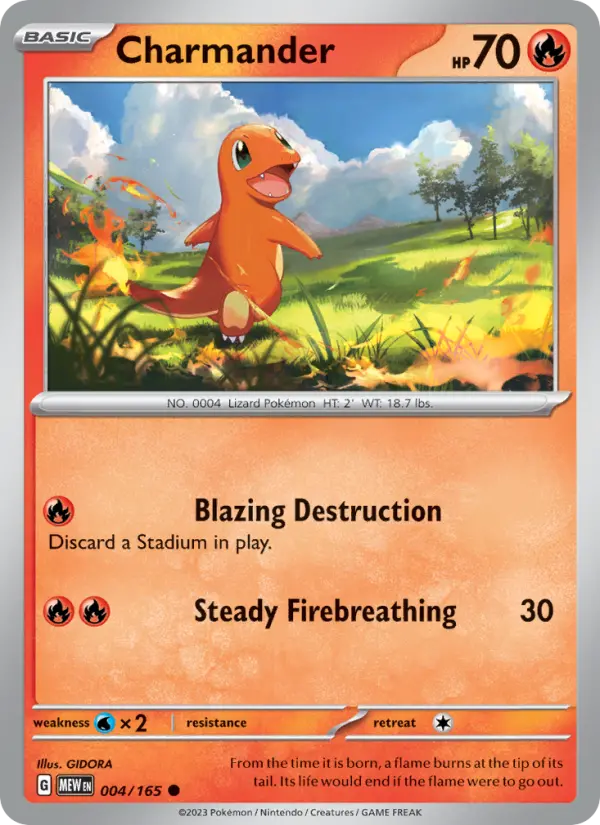
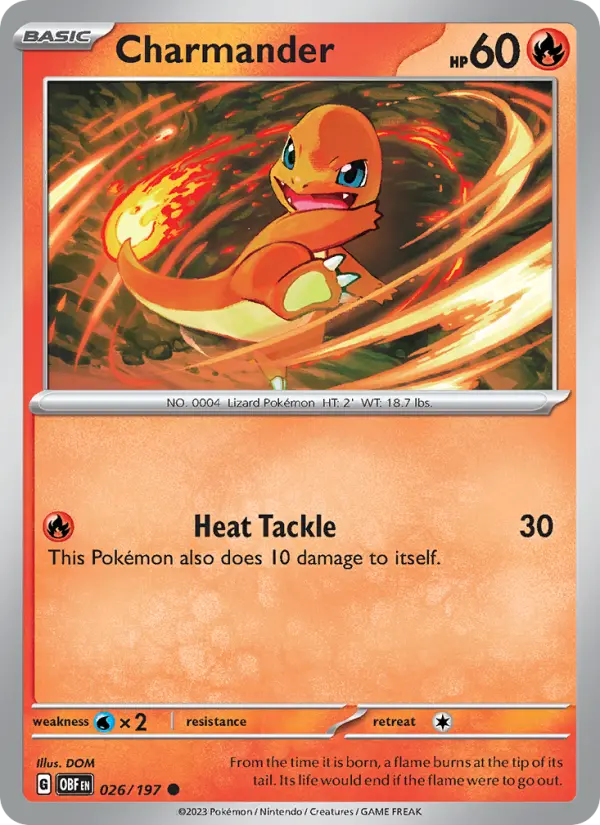
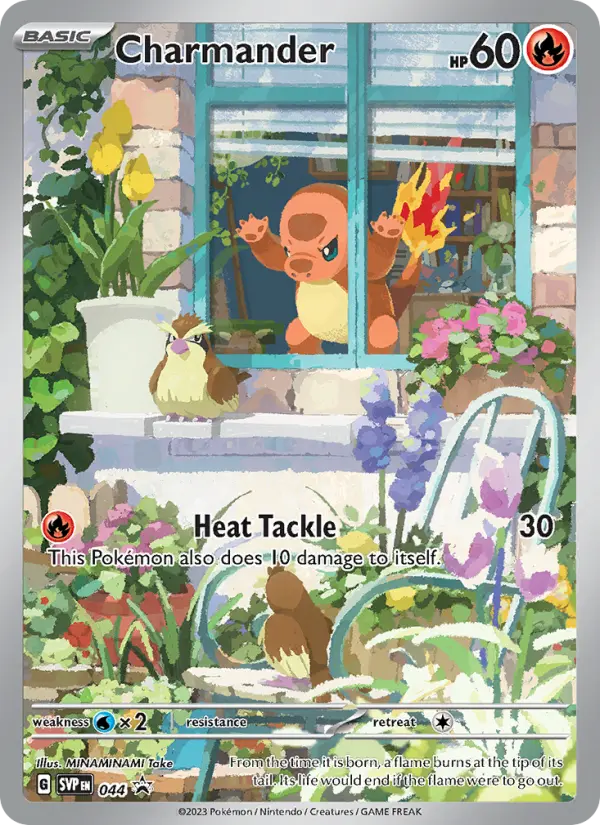
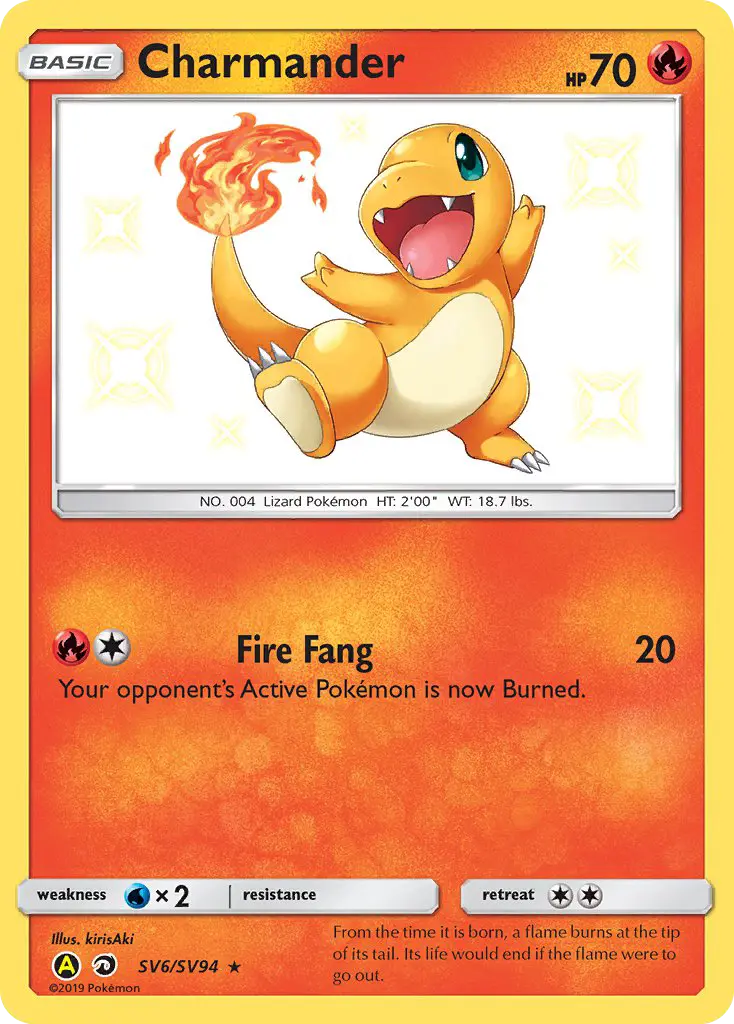
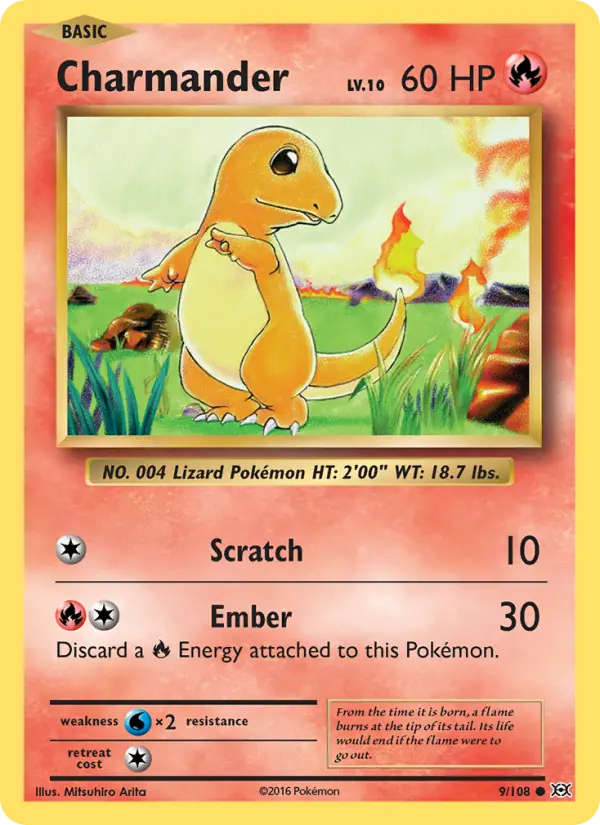
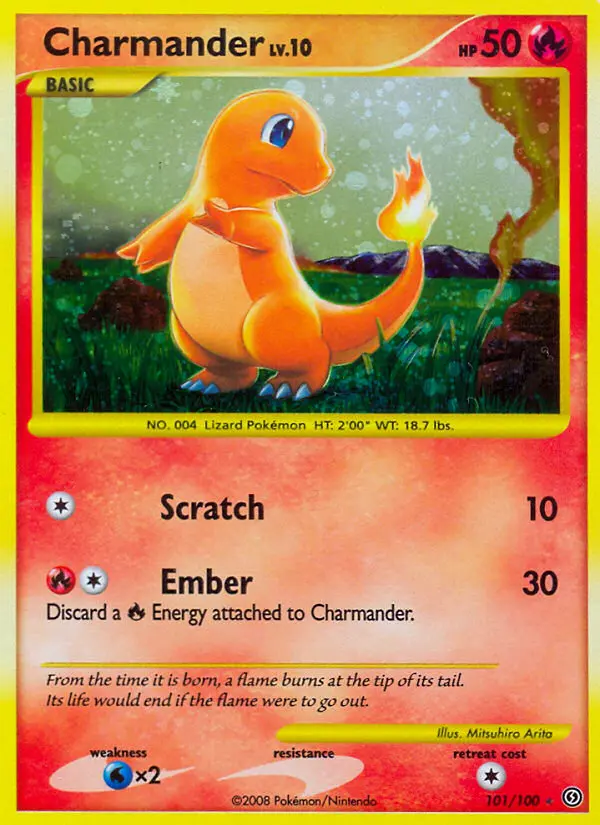
From the time it is born, a flame burns at the tip of its tail. Its life would end if the flame were to go out.
It has a preference for hot things. When it rains, steam is said to spout from the tip of its tail.
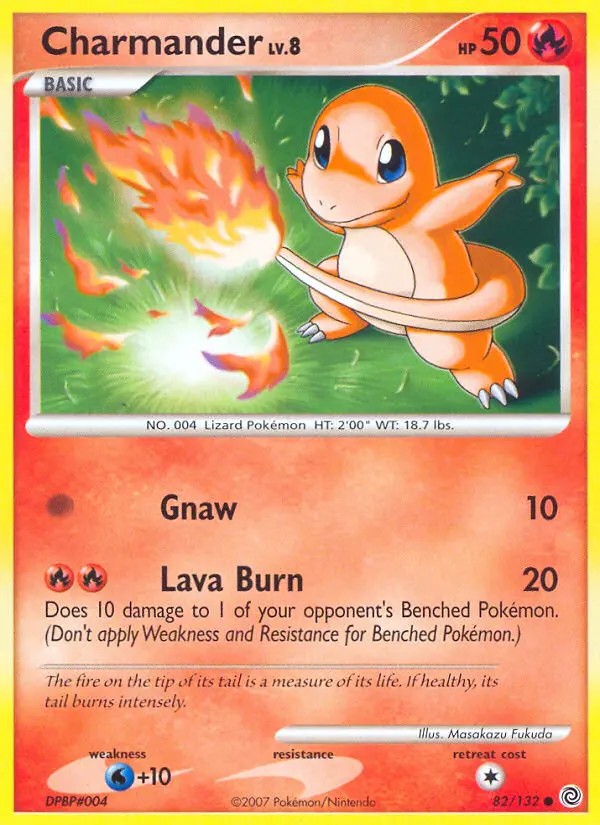
The fire on the tip of its tail is a measure of its life. If healthy, its tail burns intensely.
The flame on its tail shows the strength of its life force. If it is weak, the flame also burns weakly.
The flame on its tail indicates CHARMANDER’s life force. If it is healthy, the flame burns brightly.
The fire on the tip of its tail is a measure of its life. If healthy, its tail burns intensely.
The fire on the tip of its tail is a measure of its life. If healthy, its tail burns intensely.
The flame on its tail indicates Charmander’s life force. If it is healthy, the flame burns brightly.
From the time it is born, a flame burns at the tip of its tail. Its life would end if the flame were to go out.
The flame that burns at the tip of its tail is an indication of its emotions. The flame wavers when Charmander is enjoying itself. If the Pokémon becomes enraged, the flame burns fiercely.
The flame at the tip of its tail makes a sound as it burns. You can only hear it in quiet places.
It has a preference for hot things. When it rains, steam is said to spout from the tip of its tail.
From the time it is born, a flame burns at the tip of its tail. Its life would end if the flame were to go out.
Charmander Name Origin & Design Inspiration
Charmander's design brilliantly synthesizes two distinct mythological and biological inspirations into a cohesive whole. The creature's name derives from a combination of "char," referring to burning or scorching, and "salamander," the legendary creature from European mythology traditionally associated with fire and heat. This naming convention directly influences the species' visual design, which combines reptilian features with the distinctive fire-based attributes characteristic of salamander lore. The small, orange, quadrupedal-leaning posture draws heavily from actual salamander morphology, while the flame-tipped tail and overall aesthetic evoke the mythical creature's supernatural connection to fire. Charmander's color scheme—warm oranges and yellows contrasting with cool creams and blues—creates visual balance while emphasizing the fire-water duality that becomes crucial to the Pokémon's environmental vulnerabilities. The creature's relatively simple but memorable design proved so effective that it established the template for countless fire-type Pokémon that followed, influencing the franchise's approach to representing elemental affinity through visual cues and biological markers.
Learnable Moves
Charmander can learn 54 moves:
Move | Type | Cat. | Power | Acc. | PP |
|---|---|---|---|---|---|
| attract | normal | Status | — | 100 | 15 |
| belly drum | normal | Status | — | — | 10 |
| bide | normal | Physical | — | — | 10 |
| bite | dark | Physical | 60 | 100 | 25 |
| body slam | normal | Physical | 85 | 100 | 15 |
| counter | fighting | Physical | — | 100 | 20 |
| curse | ghost | Status | — | — | 10 |
| cut | normal | Physical | 50 | 95 | 30 |
| defense curl | normal | Status | — | — | 40 |
| dig | ground | Physical | 80 | 100 | 10 |
| double team | normal | Status | — | — | 15 |
| double edge | normal | Physical | 120 | 100 | 15 |
| dragon rage | dragon | Special | — | 100 | 10 |
| ember | fire | Special | 40 | 100 | 25 |
| endure | normal | Status | — | — | 10 |
| false swipe | normal | Physical | 40 | 100 | 40 |
| fire blast | fire | Special | 110 | 85 | 5 |
| fire punch | fire | Physical | 75 | 100 | 15 |
| fire spin | fire | Special | 35 | 85 | 15 |
| flamethrower | fire | Special | 90 | 100 | 15 |
| fury cutter | bug | Physical | 40 | 95 | 20 |
| fury swipes | normal | Physical | 18 | 80 | 15 |
| growl | normal | Status | — | 100 | 40 |
| headbutt | normal | Physical | 70 | 100 | 15 |
| leer | normal | Status | — | 100 | 30 |
| mega kick | normal | Physical | 120 | 75 | 5 |
| mega punch | normal | Physical | 80 | 85 | 20 |
| mimic | normal | Status | — | — | 10 |
| mud slap | ground | Special | 20 | 100 | 10 |
| outrage | dragon | Physical | 120 | 100 | 10 |
| protect | normal | Status | — | — | 10 |
| rage | normal | Physical | 20 | 100 | 20 |
| reflect | psychic | Status | — | — | 20 |
| rest | psychic | Status | — | — | 5 |
| roar | normal | Status | — | — | 20 |
| rock slide | rock | Physical | 75 | 90 | 10 |
| scary face | normal | Status | — | 100 | 10 |
| scratch | normal | Physical | 40 | 100 | 35 |
| seismic toss | fighting | Physical | — | 100 | 20 |
| skull bash | normal | Physical | 130 | 100 | 10 |
| slash | normal | Physical | 70 | 100 | 20 |
| sleep talk | normal | Status | — | — | 10 |
| smokescreen | normal | Status | — | 100 | 20 |
| snore | normal | Special | 50 | 100 | 15 |
| strength | normal | Physical | 80 | 100 | 15 |
| submission | fighting | Physical | 80 | 80 | 20 |
| substitute | normal | Status | — | — | 10 |
| swagger | normal | Status | — | 85 | 15 |
| swift | normal | Special | 60 | — | 20 |
| swords dance | normal | Status | — | — | 20 |
| take down | normal | Physical | 90 | 85 | 20 |
| thunder punch | electric | Physical | 75 | 100 | 15 |
| toxic | poison | Status | — | 90 | 10 |
| wing attack | flying | Physical | 60 | 100 | 35 |
Charmander Competitive Battle Guide
From a competitive standpoint, Charmander itself sees limited usage due to its relatively modest base stats and single Fire-type classification, which provides inferior type coverage compared to its evolved forms. The species' aggregate stat total of 309 leaves it significantly outclassed by other Fire-types in competitive environments, with its highest individual stat being Speed at 65, supplemented by a Special Attack base of 60. However, Charmander gains access to two distinct abilities that provide strategic direction: Blaze, which increases Fire-type move power to 1.5x damage when Charmander's health drops to one-third or below, and the hidden ability Solar Power, which boosts Special Attack to 1.5x during intense sunlight but costs one-eighth of maximum health per turn. In competitive sun-based teams, Solar Power creates interesting possibilities for aggressive strategies, though Charmander's frail defenses (43 base Defense and 50 base Special Defense) make it difficult to reliably activate these abilities. Trainers seeking competitive viability inevitably evolve Charmander into Charizard, which benefits from substantially superior stats and the critical Fire/Flying typing. Charmander itself remains primarily used in early-game casual competition, Pokémon Let's Go formats, and specialized nuzlocke challenges where its availability as a starter provides immediate team benefits.
Commonly Asked Questions About Charmander
What type is Charmander?
Charmander is a fire type Pokemon.
What does Charmander evolve into?
Charmander evolves into charmeleon, then into charizard.
What are Charmander's weaknesses?
Charmander is weak to ground, rock and water type moves.
Does Charmander evolve by trading?
No — Charmander evolves entirely through leveling up, with no trade required at any stage.
Where can I find Charmander?
Charmander can be found in pallet town (kanto), kanto route 24 (kanto) and lumiose city (kalos) and 4 other locations.
What is a Charmander in Pokémon?
Charmander is the Fire-type Kanto starter, National Pokédex #004 — the first stage of the Charmander → Charmeleon → Charizard line, one of the three starters offered at the beginning of the original Red, Blue, and Yellow games.
Is Charmander strong in competitive play?
Not on its own — Charmander's base stat total of 309 is far too low for serious competitive use, and almost every trainer evolves it as soon as possible. Its real competitive relevance comes entirely from what it becomes: Charizard.
How do you evolve Charmander without trading?
Charmander evolves purely by leveling up: it becomes Charmeleon at level 16, then Charmeleon becomes Charizard at level 36. No trade is required at any stage of this line.
Which Pokémon counter Charmander effectively?
As a pure Fire-type, Charmander takes double damage from Water, Rock, and Ground-type moves. Rock is the most punishing in practice since it also targets Charmander's low base Defense — Brock's Onix and Geodude in the original Kanto games are the classic early hard counters.
Is Charmander exclusive to certain games?
It was starter-exclusive in Red, Blue, Yellow, FireRed, LeafGreen, and Let's Go Pikachu/Eevee. From Generation IV onward it's also obtainable through wild encounters, gifts, or breeding in many titles, so it's no longer locked to a starter pick outside of those specific games.
Can Charmander learn a hidden ability?
Yes. Alongside its regular ability Blaze, Charmander has the hidden ability Solar Power, which boosts Special Attack by 1.5x in harsh sunlight at the cost of losing 1/8 of its max HP each turn.
What's the difference between Charmander and Charmeleon?
Charmeleon (the level-16 evolution) gets a meaningful jump in Attack and Special Attack and a noticeably more aggressive, territorial temperament, per its official Pokédex entries — compared to Charmander's docile, approachable nature. Both stay pure Fire-type until Charizard adds Flying at level 36.
Are there regional variants of Charmander?
No — unlike several other first-generation Pokémon (such as Vulpix or Meowth), Charmander has never received an official regional form in any core series game to date.
What are the alternatives to choosing Charmander as a starter?
Charmander's fellow Kanto starters are Bulbasaur (Grass/Poison, with early utility from Sleep Powder and Leech Seed, and a natural type advantage over Brock's Rock-types) and Squirtle (Water-type, tougher early bulk, also strong against Brock). Charmander's payoff is longer-term: it's the weakest of the three early on but becomes the strongest once it reaches Charizard.
What moveset makes Charmander a good special attacker?
Charmander's own Special Attack (60 base) is modest — a sun-team set pairing Ember or Flamethrower with Solar Power and a sun-setting teammate is its closest pre-evolution niche. The real special-attacking payoff comes after evolving into Charizard, which has the Sp. Atk stat and Fire/Flying STAB to back it up.
Charmander Cultural Impact & Franchise History
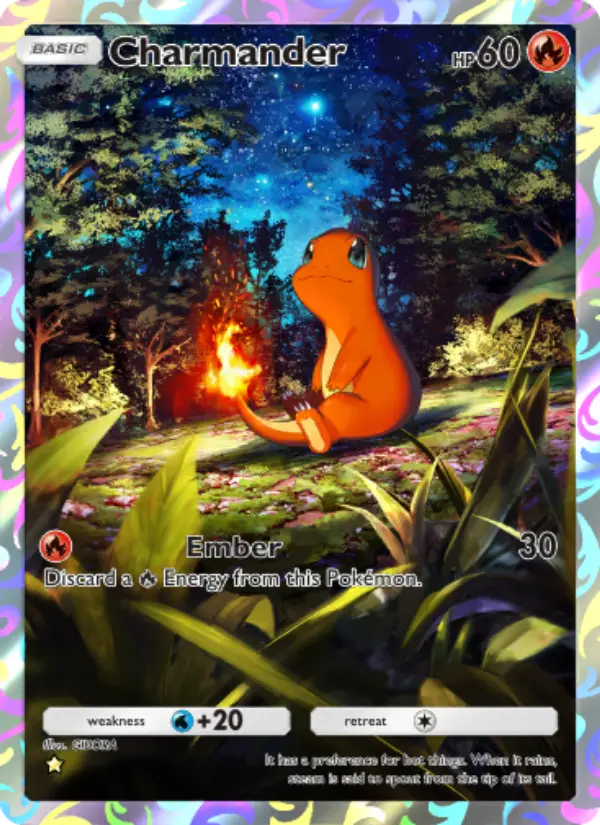
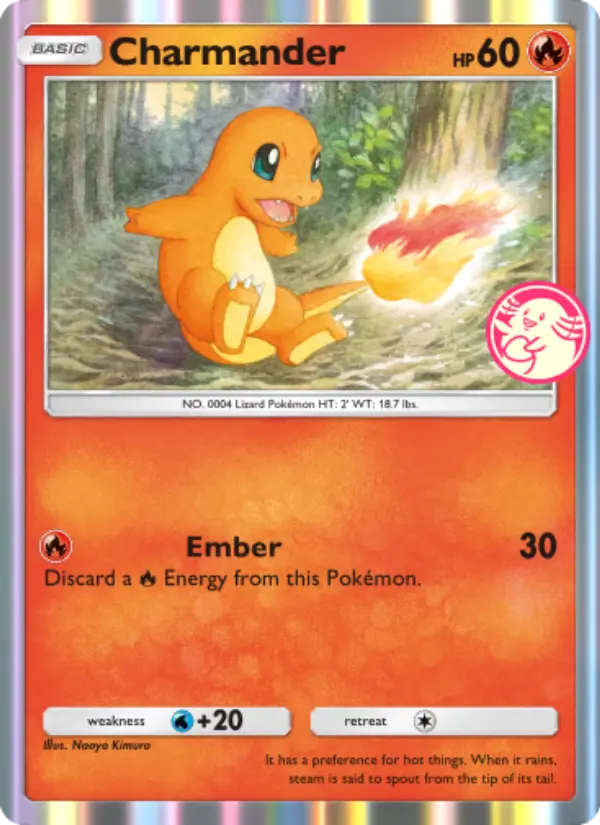
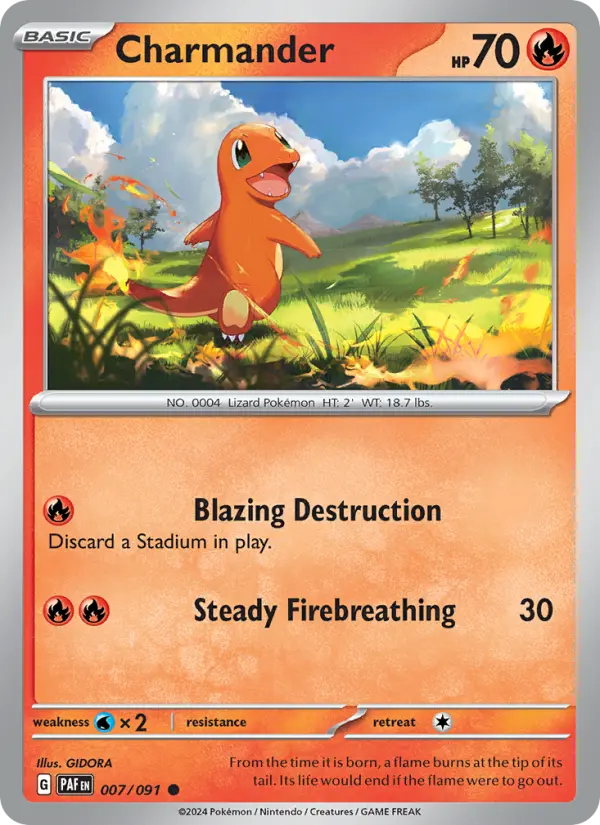
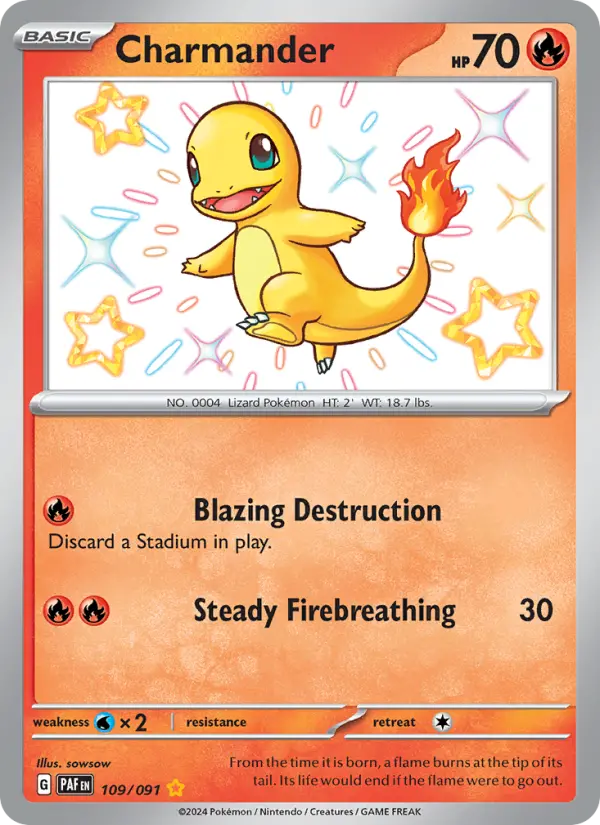
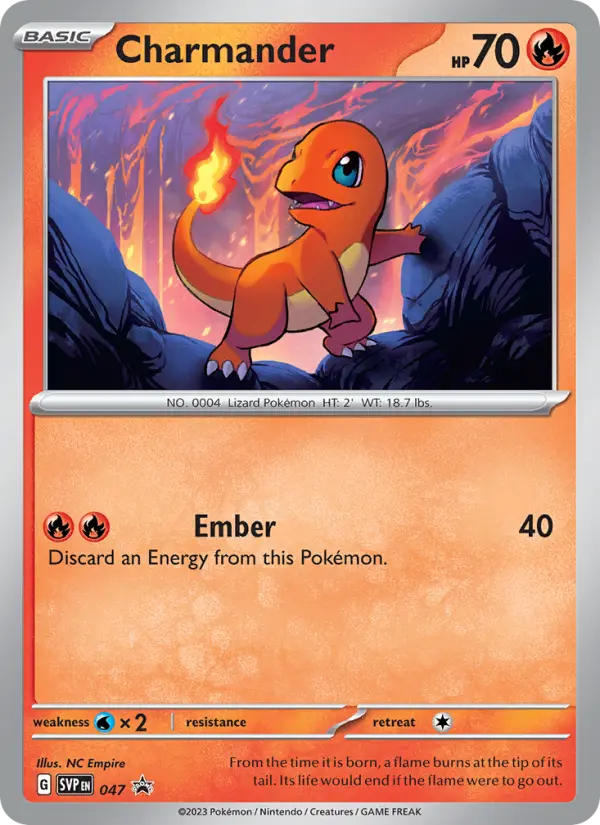
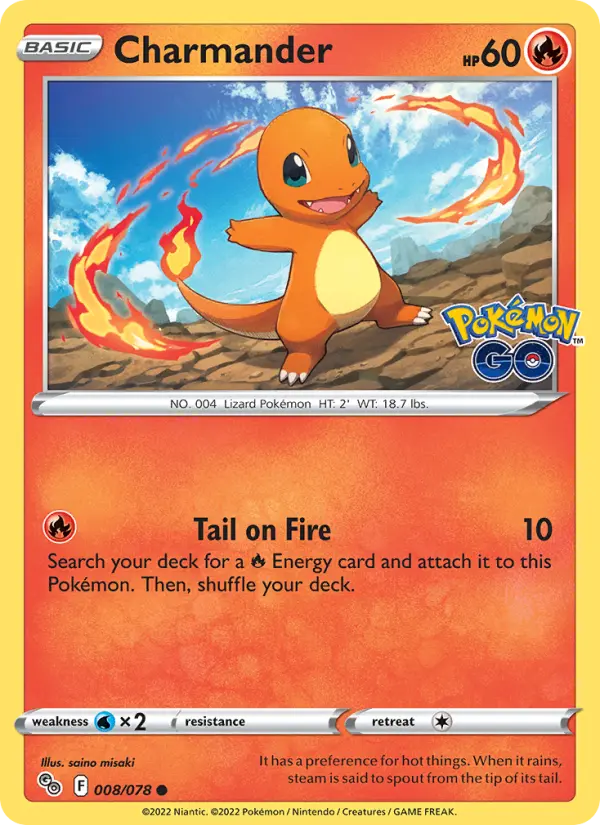
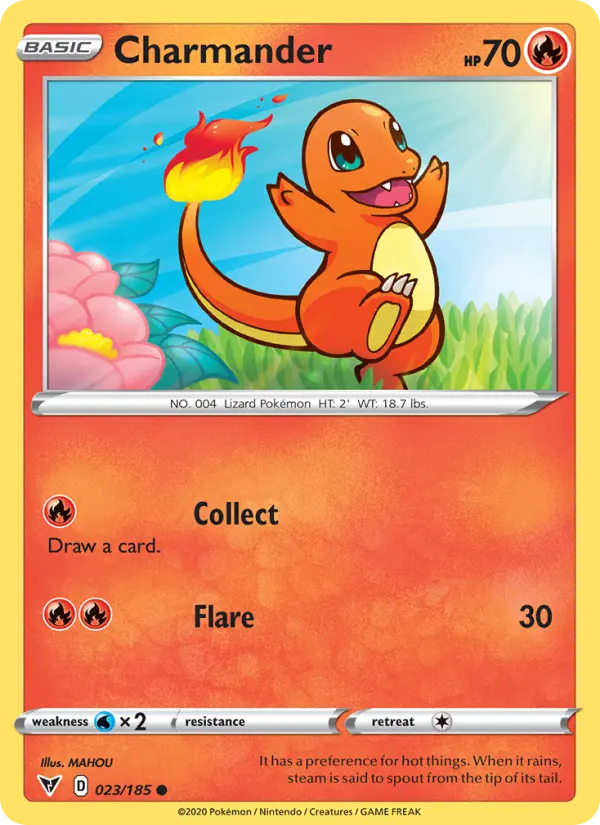
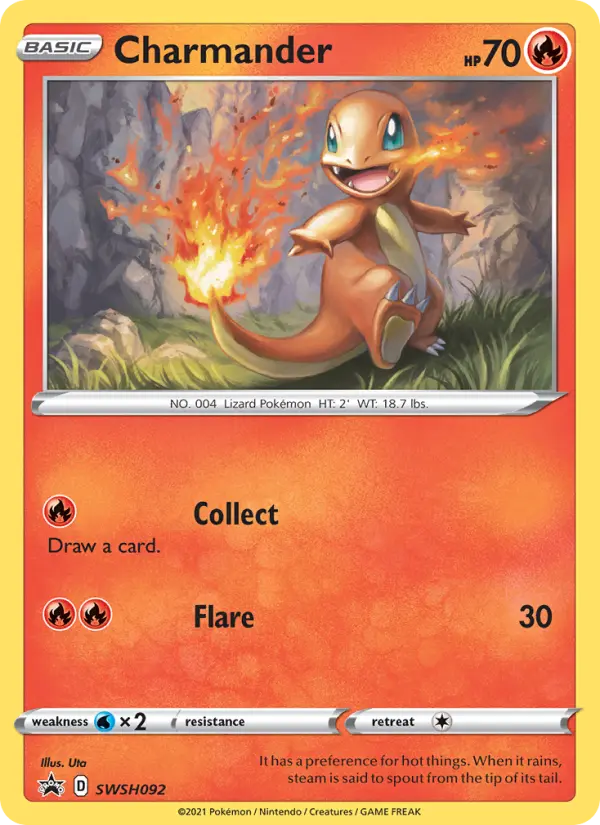
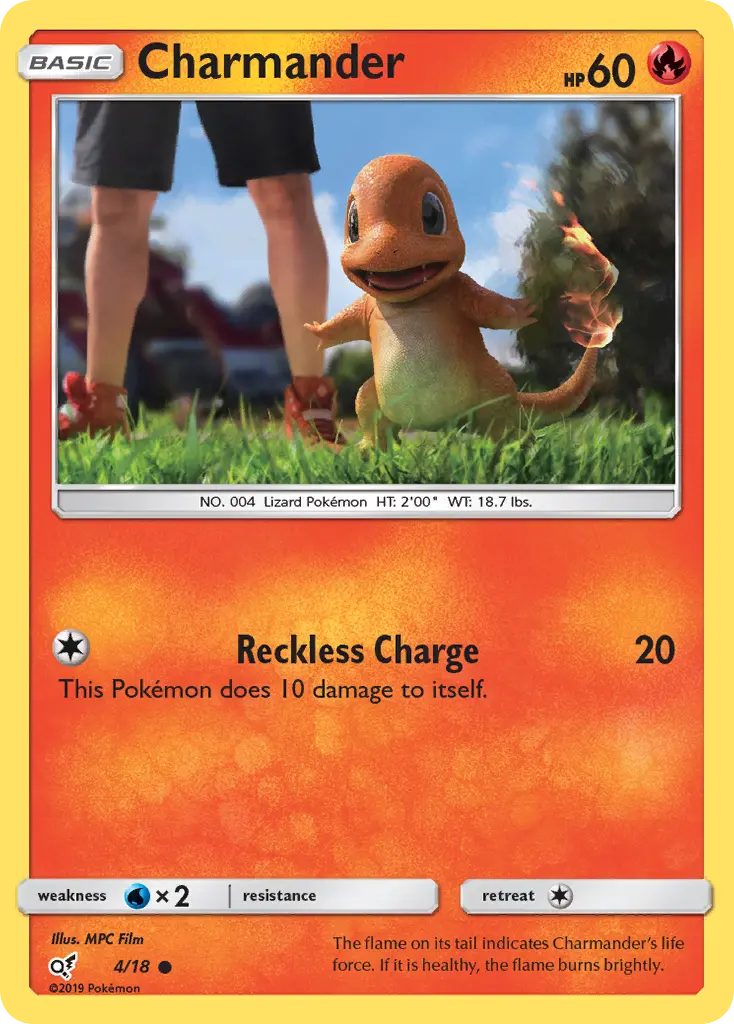
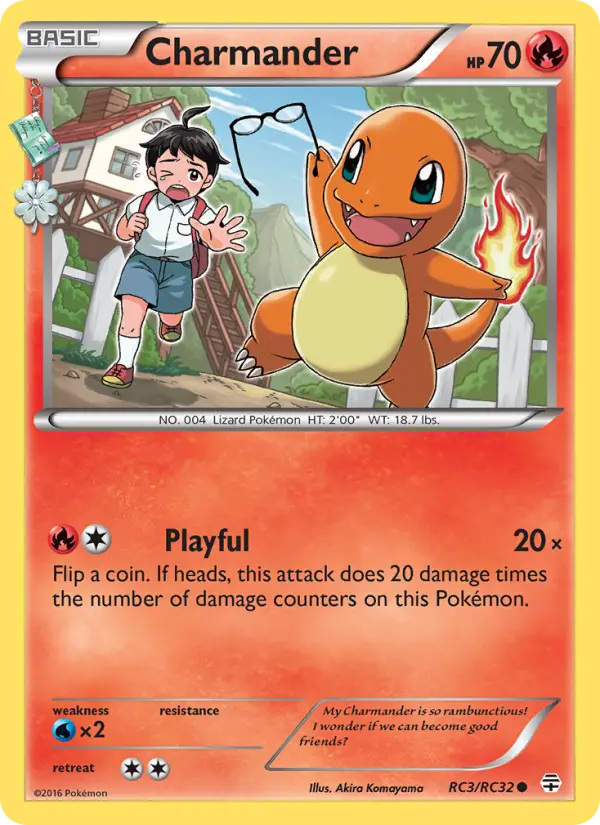
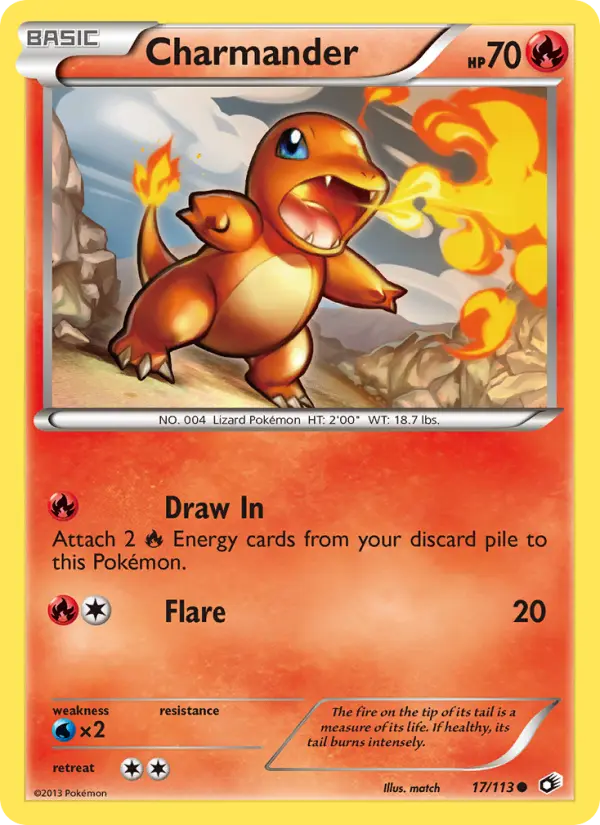
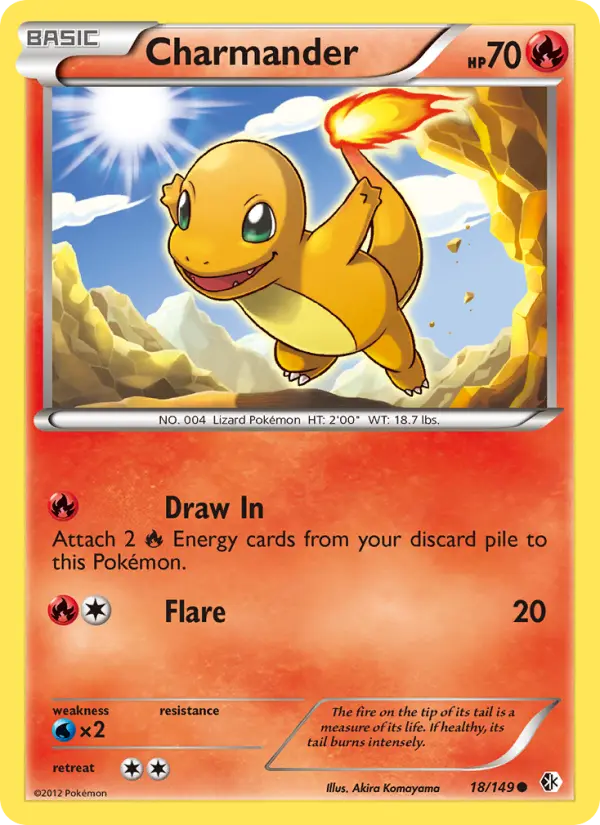
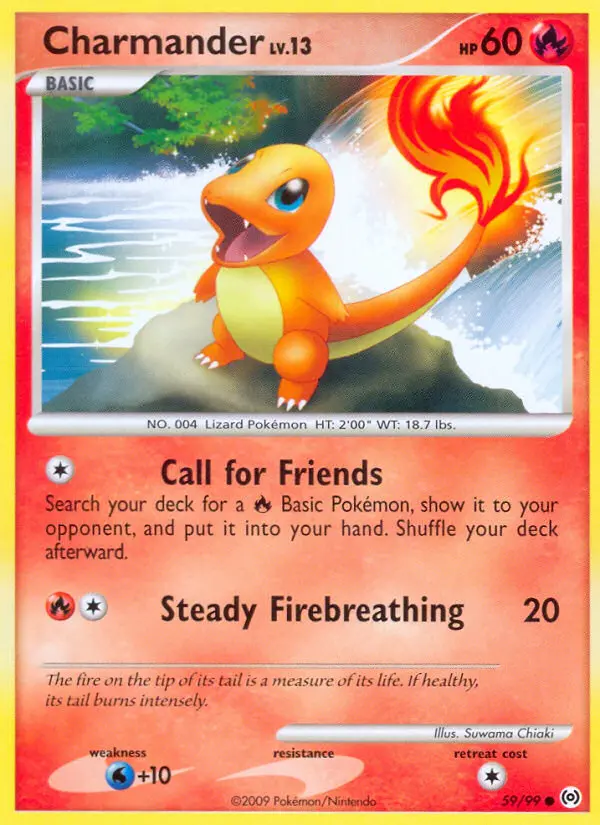
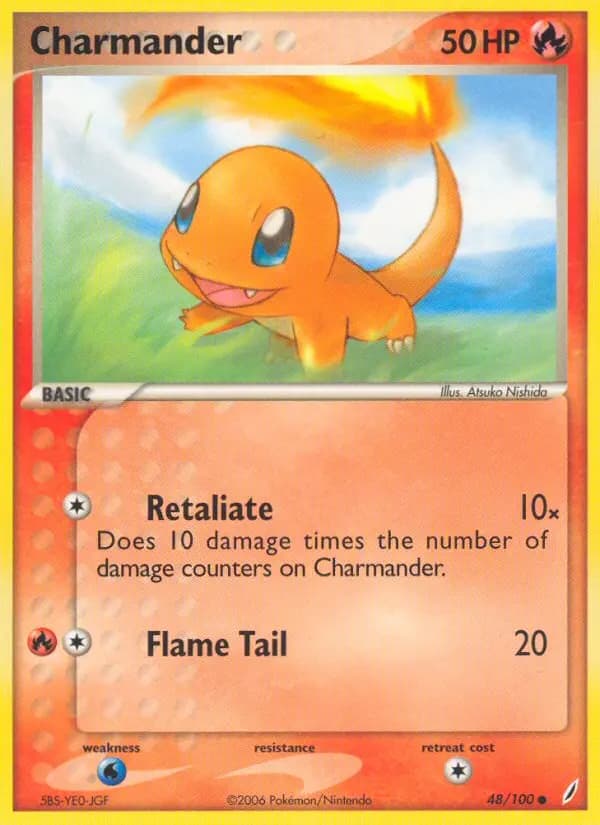
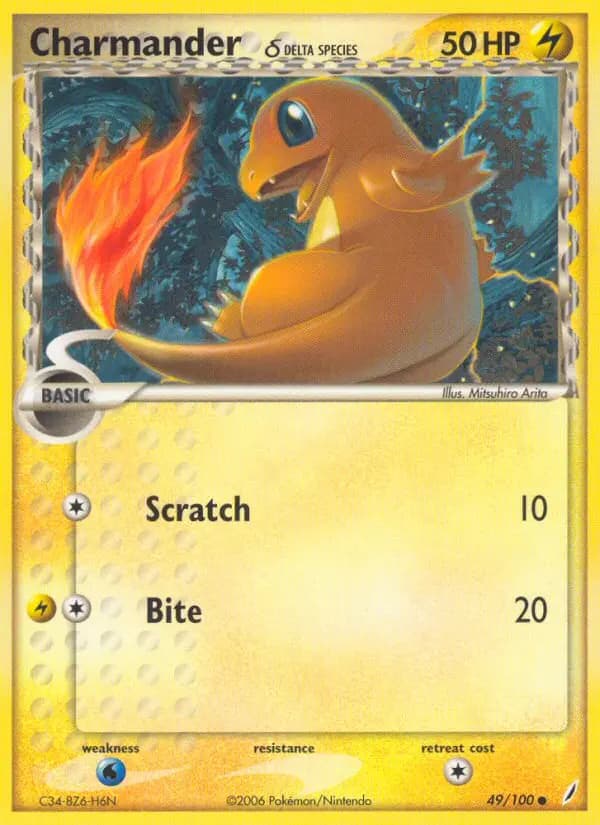
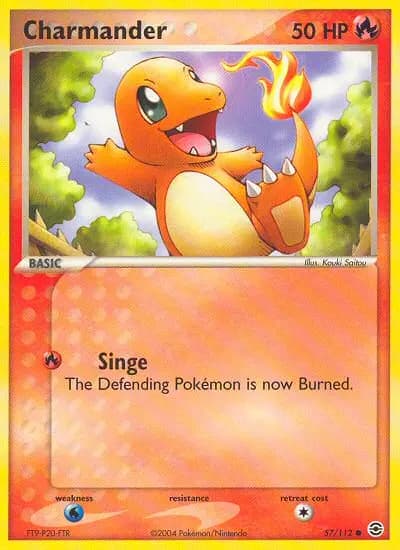
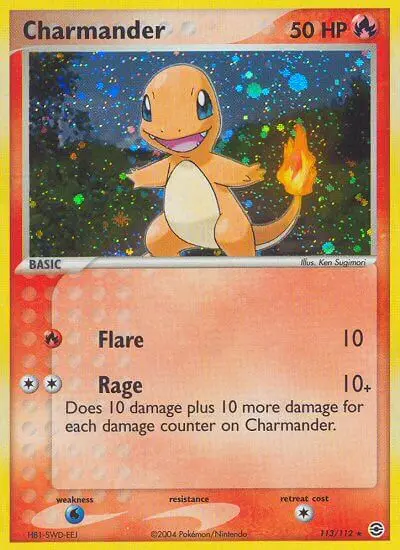
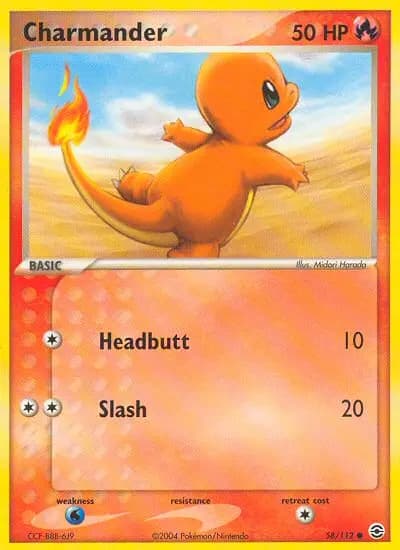
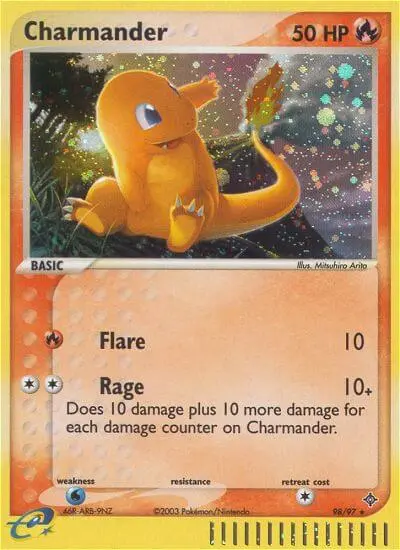
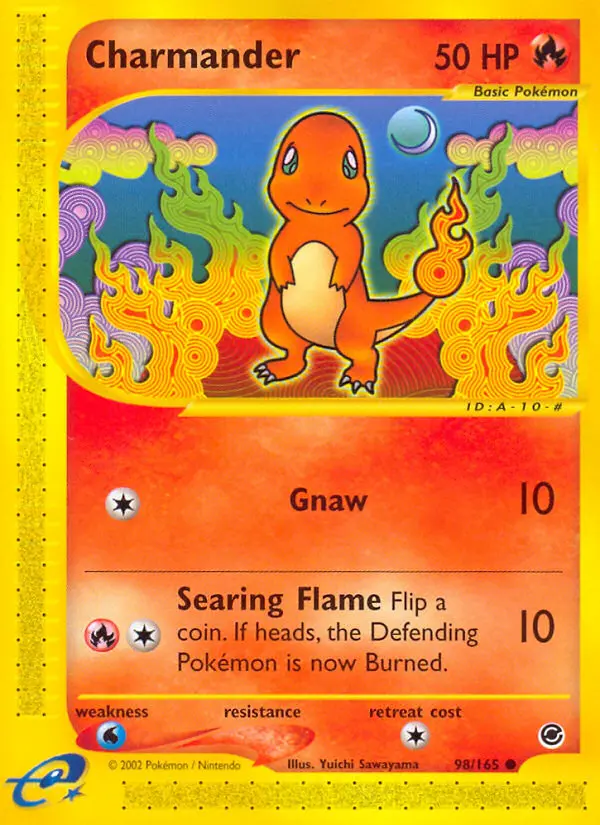
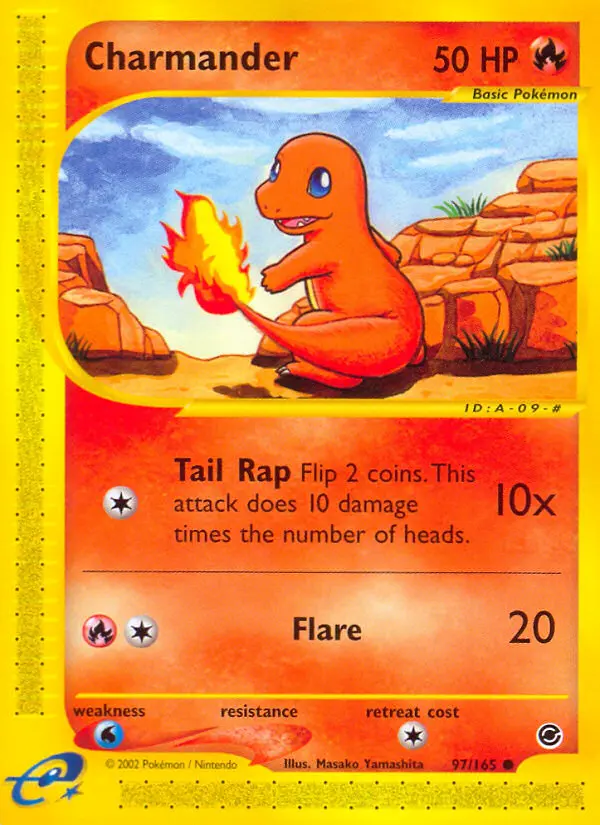
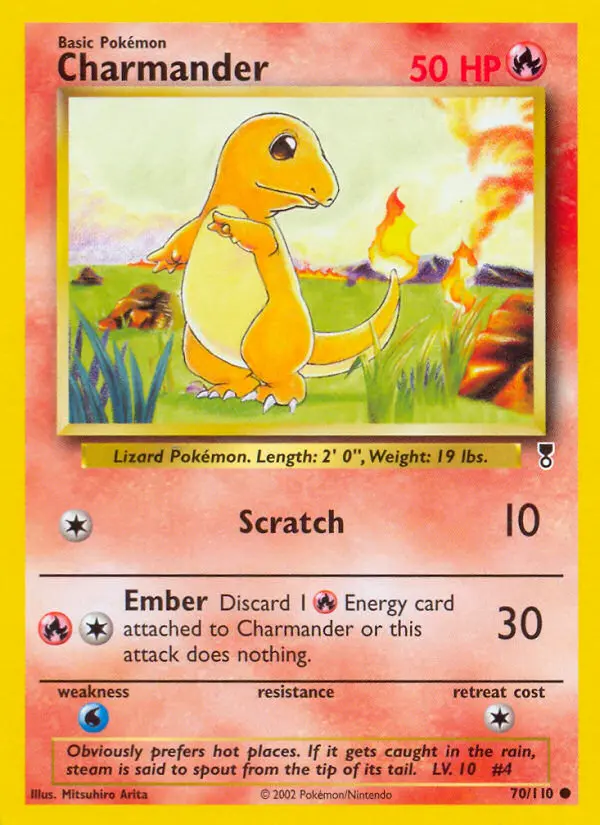
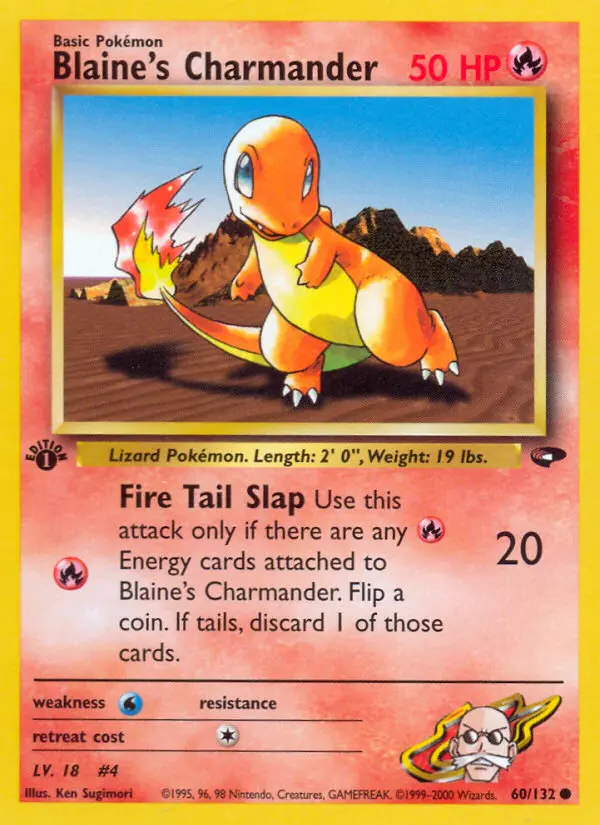
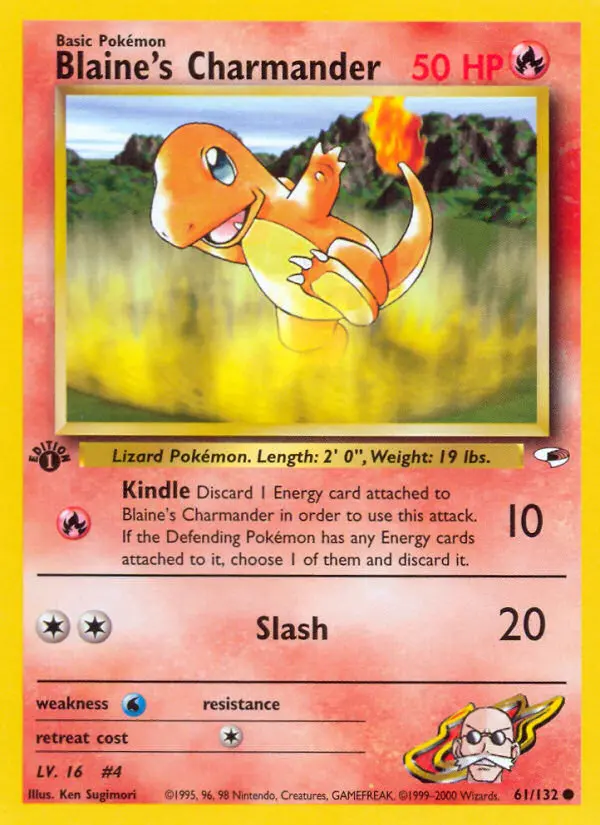
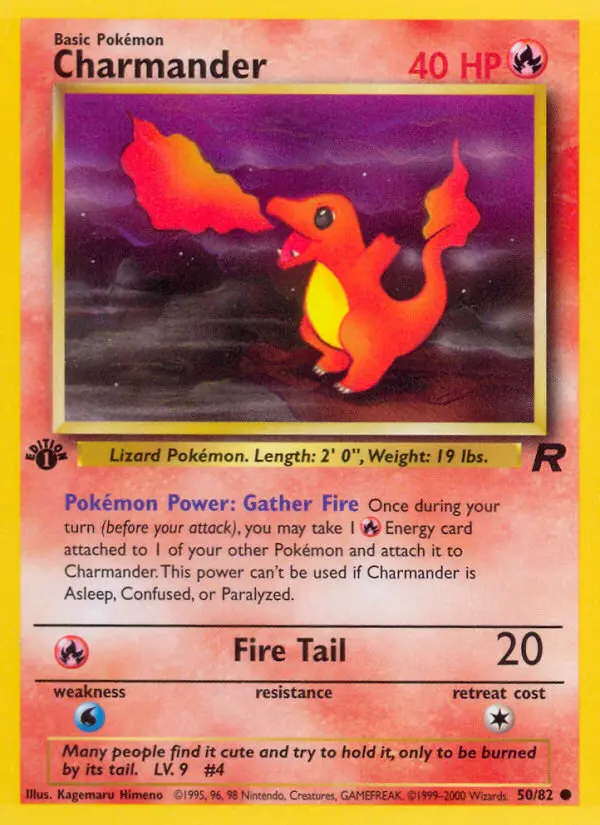
Charmander stands as one of the most iconic and beloved Pokémon worldwide, rivaling even Pikachu in cultural recognition and popularity among longtime franchise fans. The character's appearance in the original Pokémon anime series—particularly through Ash's iconic Charmander, which was abandoned by its previous trainer before being rescued and trained into the powerful Charizard—created an emotional narrative that resonated deeply with audiences and established fire-type starters as sympathetic, emotionally complex companions. This anime storyline became a defining moment in the series and contributed significantly to Charmander's status as a franchise mascot. The species has appeared extensively across Pokémon media, including the Detective Pikachu film, numerous animated specials, and countless trading card game iterations spanning multiple generations. Charmander's design has proven so enduring that it appears on merchandise ranging from plushies and clothing to home décor items, making it one of the most commercially successful Pokémon properties. The species' representation in Super Smash Bros. games and its continued prominence in modern titles like Pokémon Sword and Shield demonstrate its sustained relevance across generational boundaries, ensuring that new audiences continually discover and appreciate this classic creature.
Where to Find Charmander in Every Pokémon Game
Charmander's availability has evolved significantly across the nearly three decades of Pokémon games, shifting from exclusive starter status to broader wild accessibility in many modern titles. In the original Generation I games (Red, Blue, and Yellow), Charmander remains available only as a starter Pokémon chosen at the beginning of the player's journey in Kanto, or through breeding post-game. The FireRed and LeafGreen remakes maintain this starter availability while introducing additional methods of obtaining Charmander through gift Pokémon and limited wild encounters. Subsequent generations have progressively expanded Charmander availability, with entries like HeartGold and SoulSilver offering starter selection and later generations incorporating Charmander into wild encounter tables or gift distributions. The Pokémon Let's Go series (Let's Go Pikachu and Eevee) restores Charmander to starter status in its Kanto remake, appealing to players seeking nostalgic experiences. Modern titles including Pokémon Sword and Shield, Scarlet and Violet, and other contemporary entries feature Charmander through various means including wild encounters in designated areas, raid battles, and breeding. The species' perennial availability across generations, whether as a starter, gift, or wild encounter, ensures that trainers beginning new adventures can consistently obtain Charmander, making it perpetually accessible to players regardless of which game iteration they choose.