Every Pokémon, with the analysis a stat table leaves out
Full stats, moves and evolution chains for all 1,350+ Pokémon — plus competitive breakdowns, biology and design origins written by someone who has played every generation.
What Makes Pokemondex Different
Most Pokémon databases are the same PokéAPI data reformatted with a different colour scheme. Pokemondex is built the other way round: the raw stats are here too, but they sit underneath original analysis from someone who has actually played every generation competitively.
Editorial, Not Scraped
Every Pokémon page carries biology, design-origin and competitive breakdown sections you won't find on a bare stat-lookup site — written, not templated.
Long-Form Guides
Full VGC archetype breakdowns, exact type-chart math, and catch-rate formulas across four guide clusters — every ranking justifies its placement.
TCG Tracked Properly
Real price data and rarity breakdowns per set, with a running feed of newest cards — most Pokédex sites skip TCG entirely.
Checked, Not Approximated
Competitive claims are verified against the real mechanic — exact IV counts, exact accuracy values, exact damage thresholds.
Built and maintained by someone who plays
The site is built and maintained by Paul Lovell, who has played the core series on every Nintendo platform it has shipped on — Game Boy through Switch — and Pokémon GO since launch. That matters for accuracy in ways a pure data-scrape can't replicate: knowing that Runerigus requires 49 or more damage in a single hit to evolve, or that Dark Void got nerfed to 80% accuracy specifically because of how Smeargle abused it in Ubers, isn't something you pull from an API response.
Data kept current, not left stale
Base stats, move data and evolution chains are checked against the current generation whenever a new game or balance patch ships. The Pokédex covers every Pokémon released through Generation 9, the Moves database tracks all 937 moves with category, power, accuracy and PP, and the Type Guide goes beyond a static weakness chart into defensive-core and coverage-move strategy.
Still built for a quick lookup
None of that replaces the fun of just looking something up fast — the Pokédex search is still built for a quick stat check on a specific Pokémon. But if you stick around past that first lookup, the goal is for there to be something worth reading: a ranking you can argue with because it shows its reasoning, or a strategy guide that would hold up against feedback from an actual VGC or Smogon community.
This is an independent project, not an official Pokémon product — Pokémon and all related names are trademarks of Nintendo, Game Freak and The Pokémon Company. Read more on the About page.


Latest Guides
View all guides →Every Mythical Pokémon Ranked: From Event Nostalgia to Competitive Dominance
Type Strategy & SynergiesBeyond the Type Chart: Advanced Pokémon Type Matchups & Defensive Cores
Deep Game MechanicsEvery Pokémon Evolution Method Explained: From Stones to Console Gimmicks
Playthroughs, Starters & LoreThe 10 Hardest Boss Battles in Pokémon History (And Counter-Strategies)
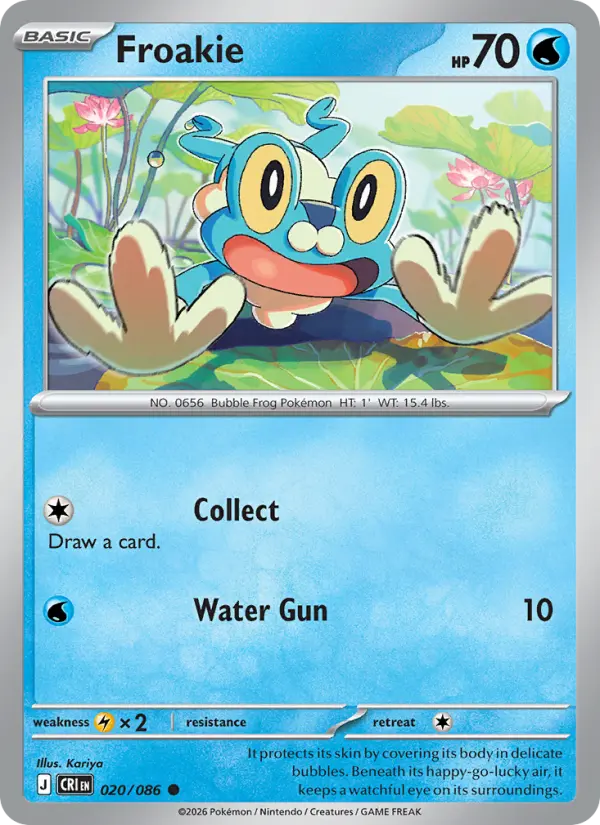
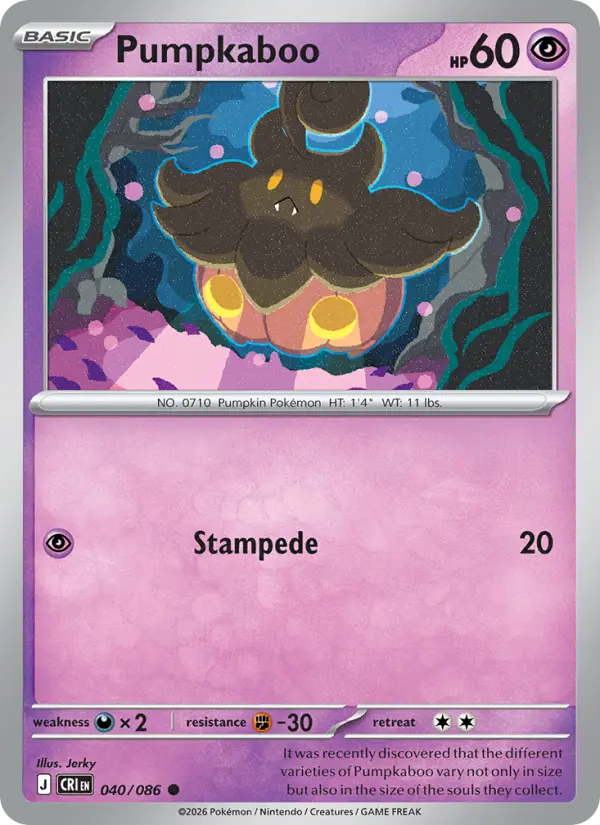
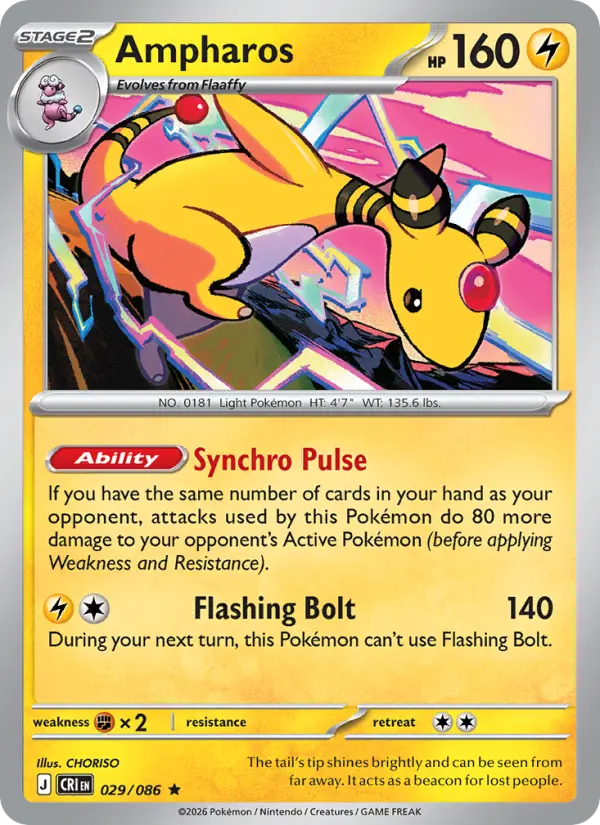
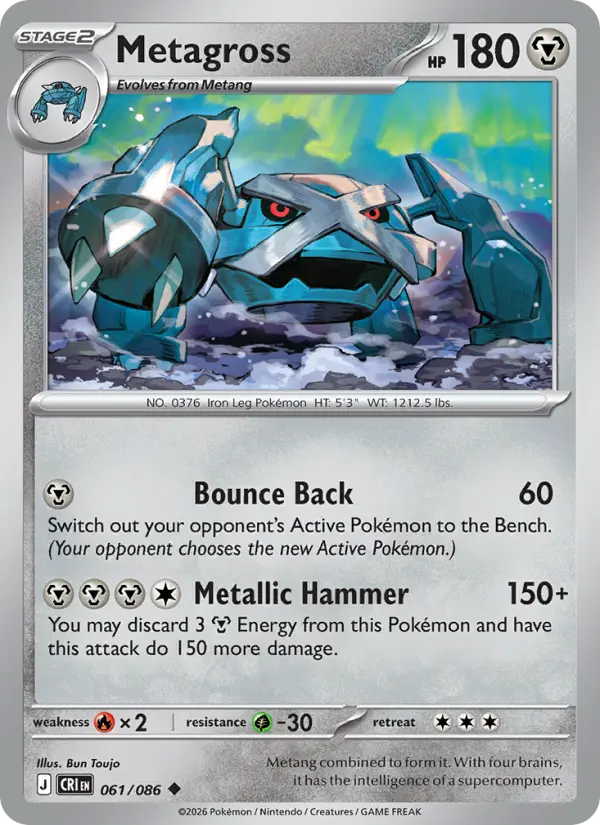
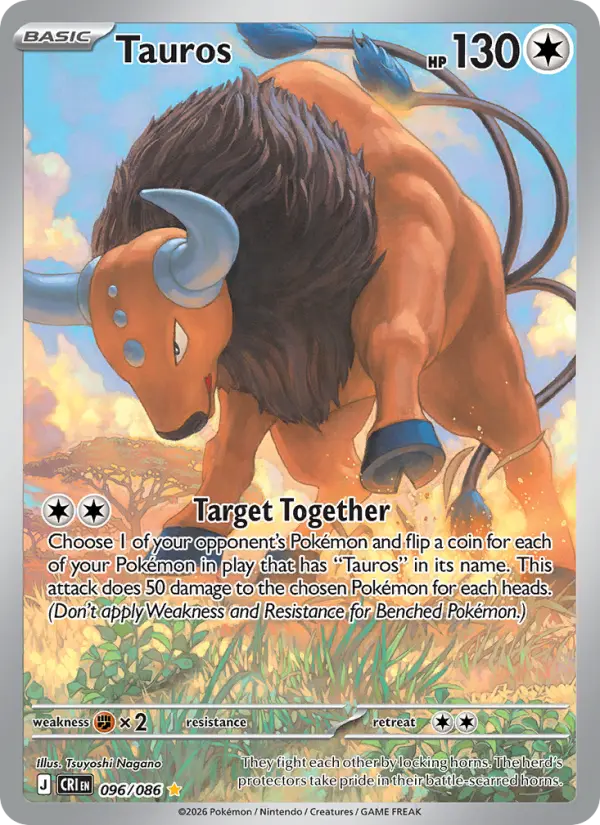
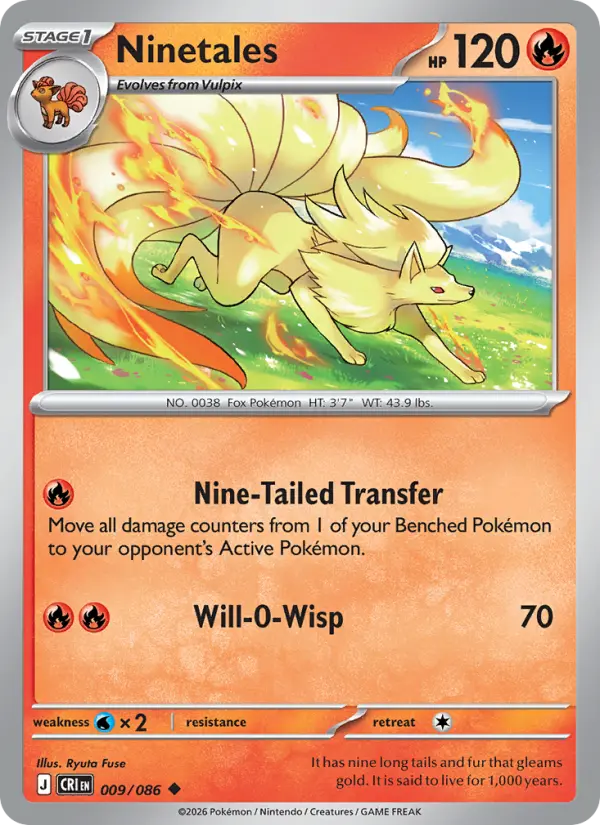
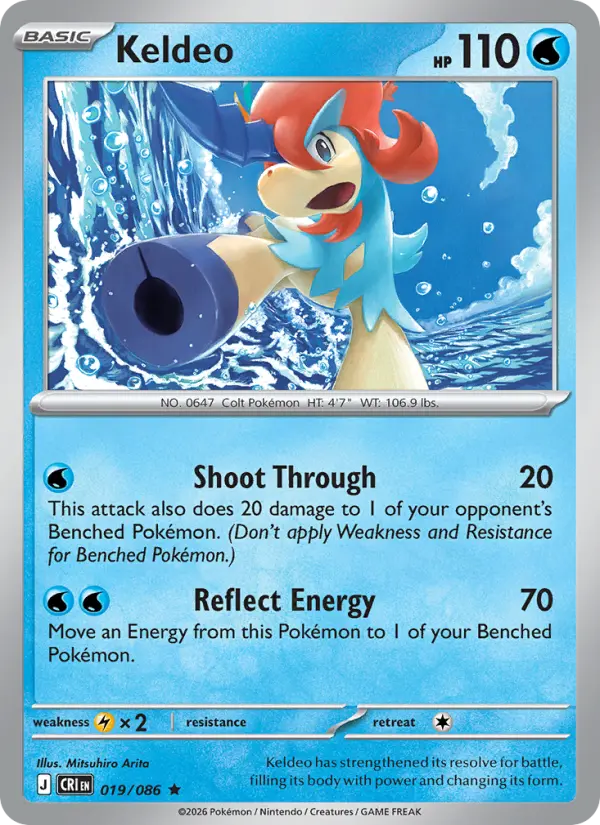
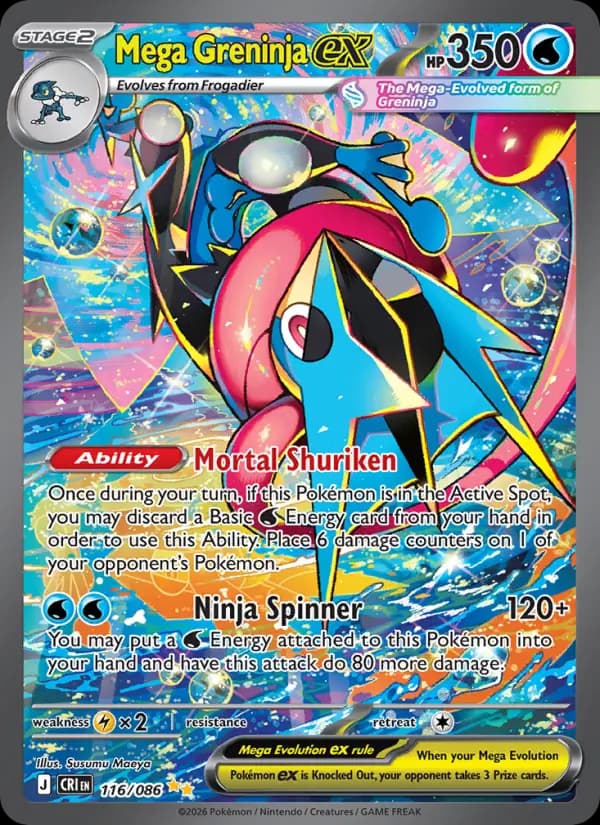
Newest Pokémon Cards
Every Pokémon page includes a full gallery of its Trading Card Game cards across all sets — something the standard Pokédex sites don't offer. Here are the latest releases.




Browse by Generation
Every Pokémon from Red & Blue through the latest generation. Click through to the Pokédex to filter by type, region, or generation and jump straight to full stat breakdowns.