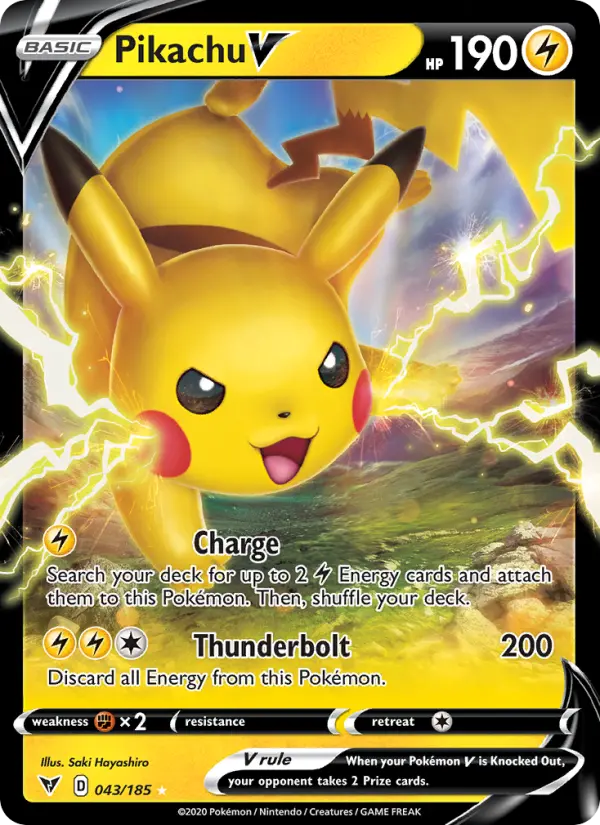
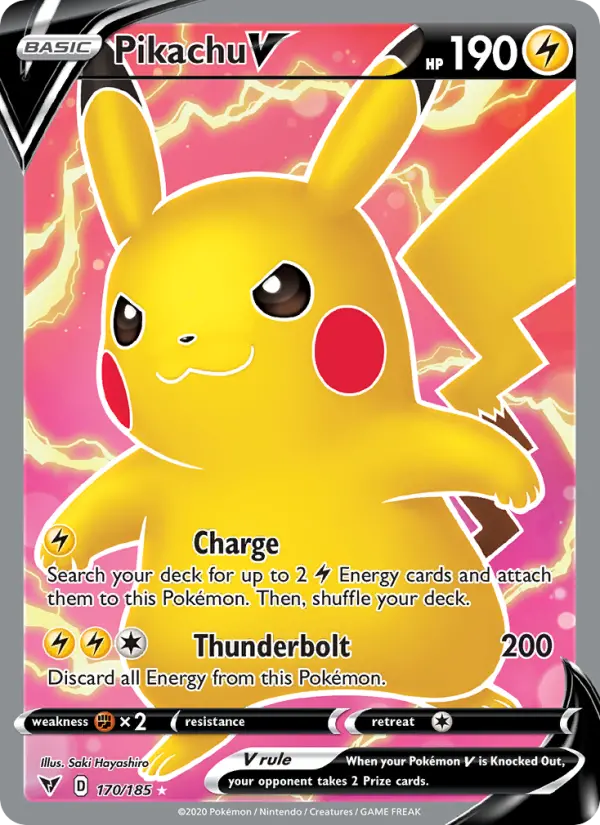
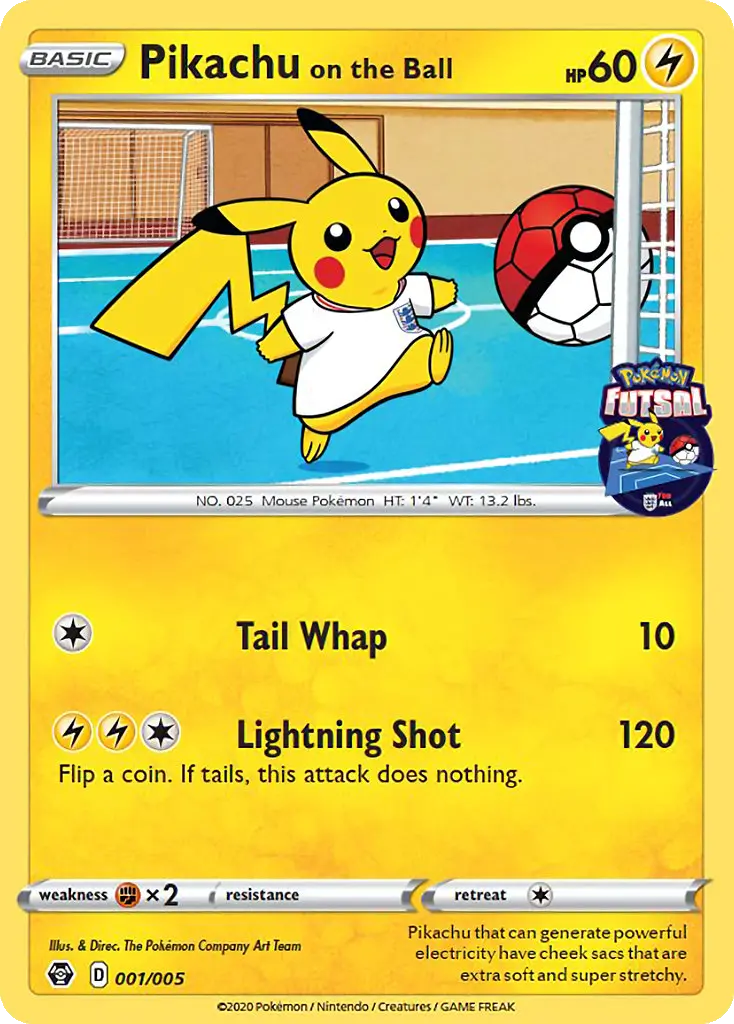
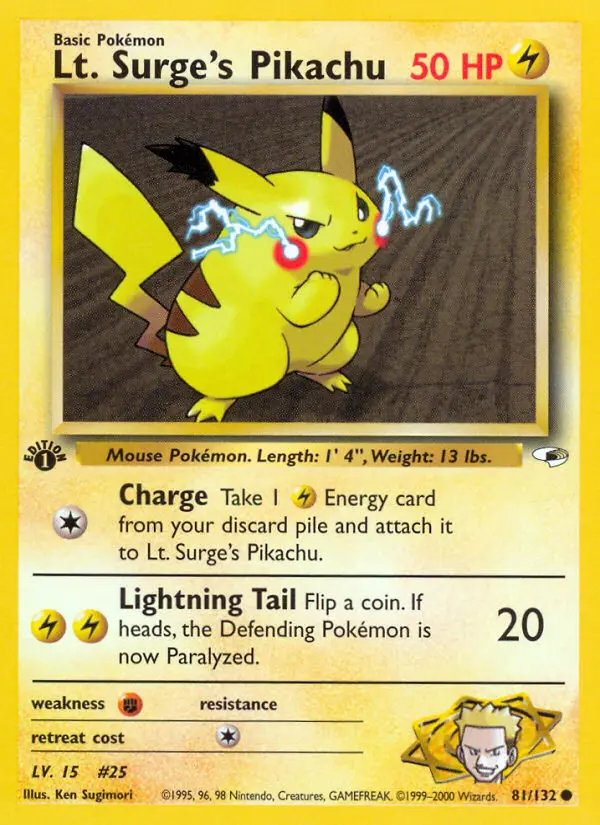
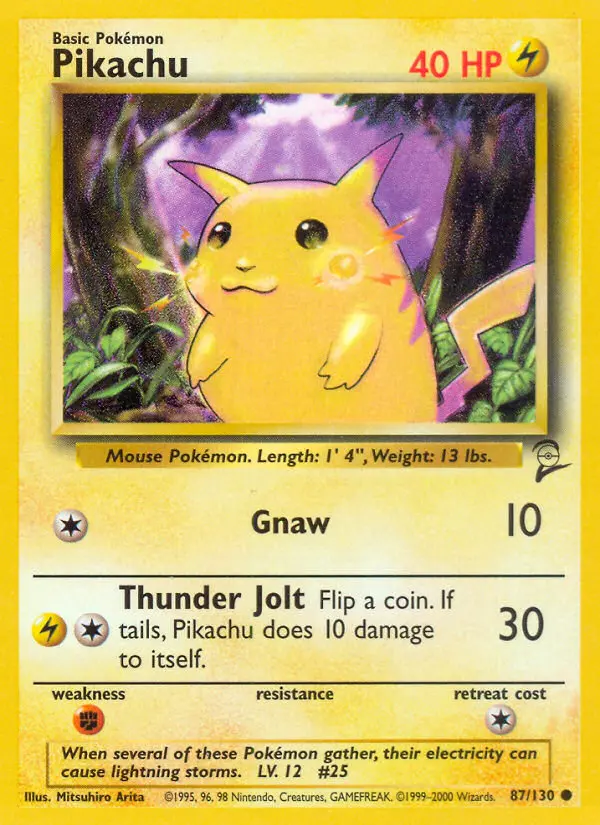
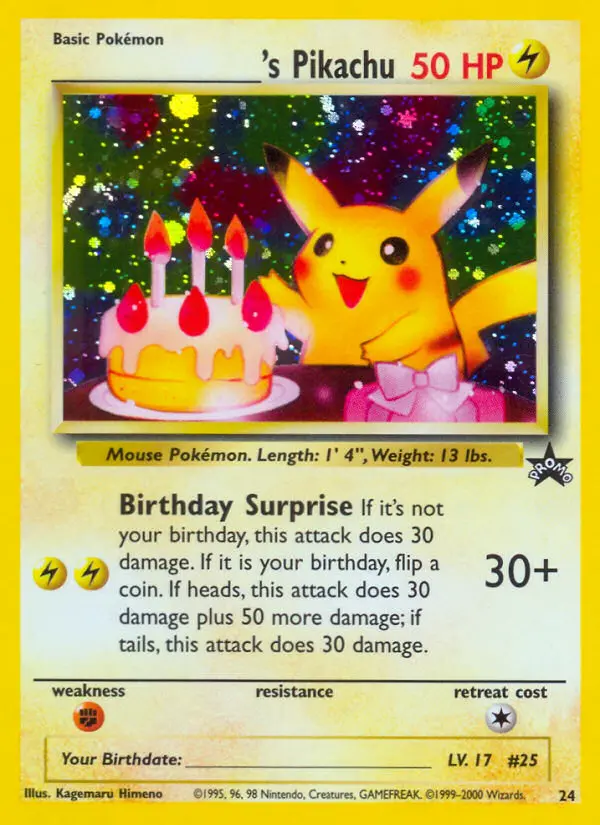
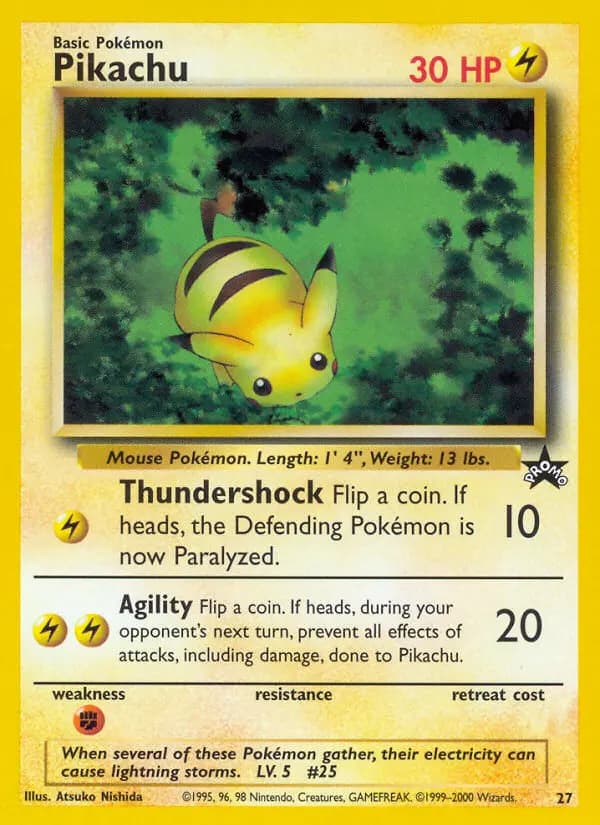
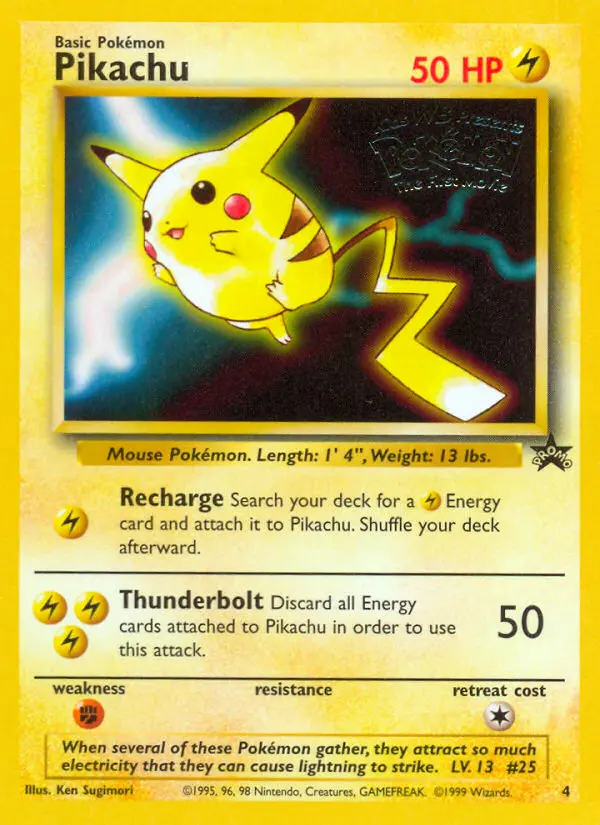
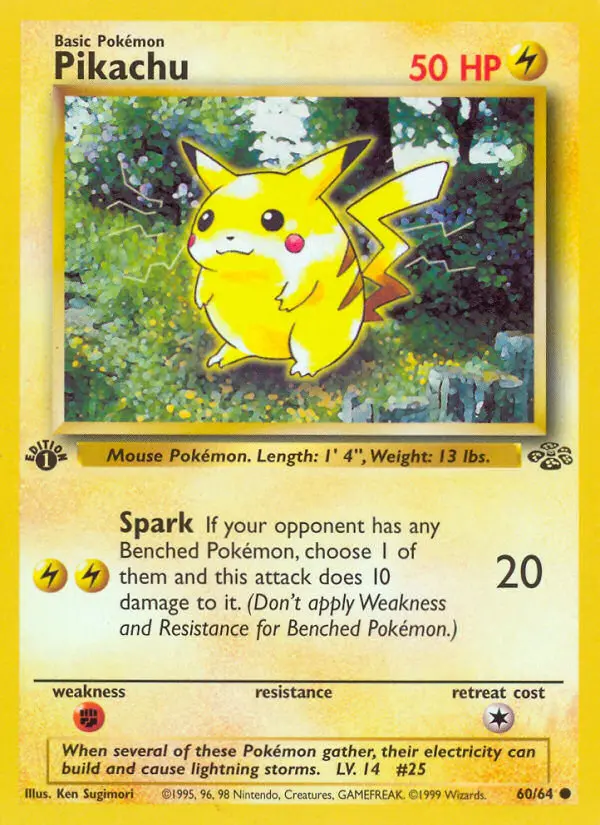
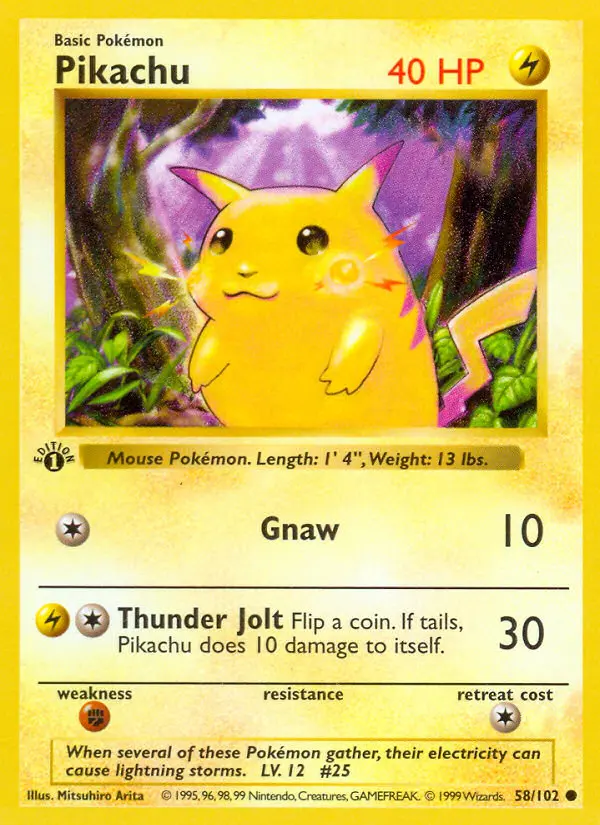
Pikachu
Generation I · #0025 — Mouse Pokémon
Pikachu debuted in Generation I, and its electric typing has aged into one of its more defining traits, especially paired with static. Its relatively modest combat statistics belie its cultural significance and competitive viability in specific formats, where its speed stat of 90 and special attack of 50 allow it to function as a speedy special attacker despite its limited raw power.
Editor's Take
Pikachu gets flak for being the mascot rather than a genuinely strong Pokémon, and competitively that's mostly fair — but the Light Ball item doubling its Attack and Sp. Atk is one of the few single-item power spikes in the game that can make a base-stat joke actually threaten a real team, if only in the lowest competitive tiers where it's legal.
Base Stats
Height
0.4m
Weight
6.0kg
Category
Mouse Pokémon
Gender
Male 50% / Female 50%
Color
yellow
Shape
quadruped
Habitat
forest
Abilities
Has a 30% chance of paralyzing attacking Pokémon on contact.
Redirects single-target electric moves to this Pokémon where possible. Absorbs Electric moves, raising Special Attack one stage.
Pikachu Biology & Physical Characteristics
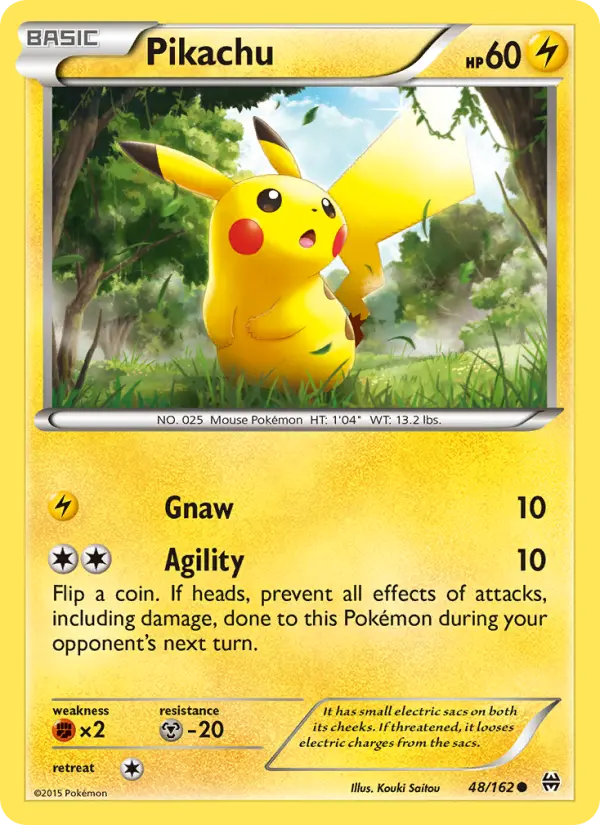
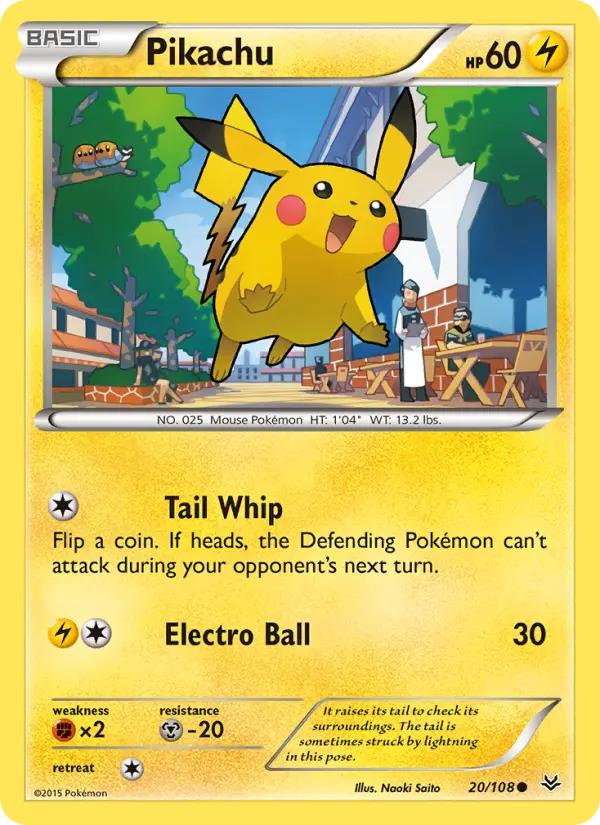
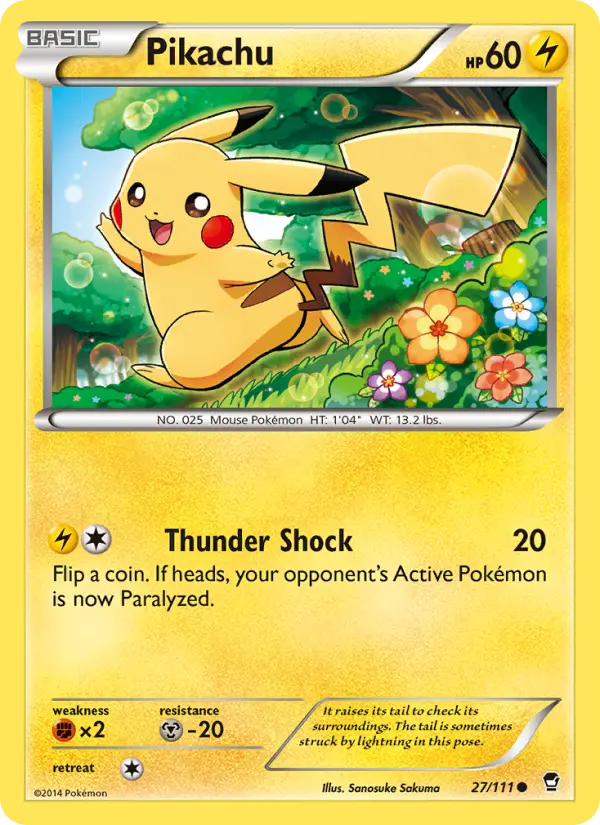
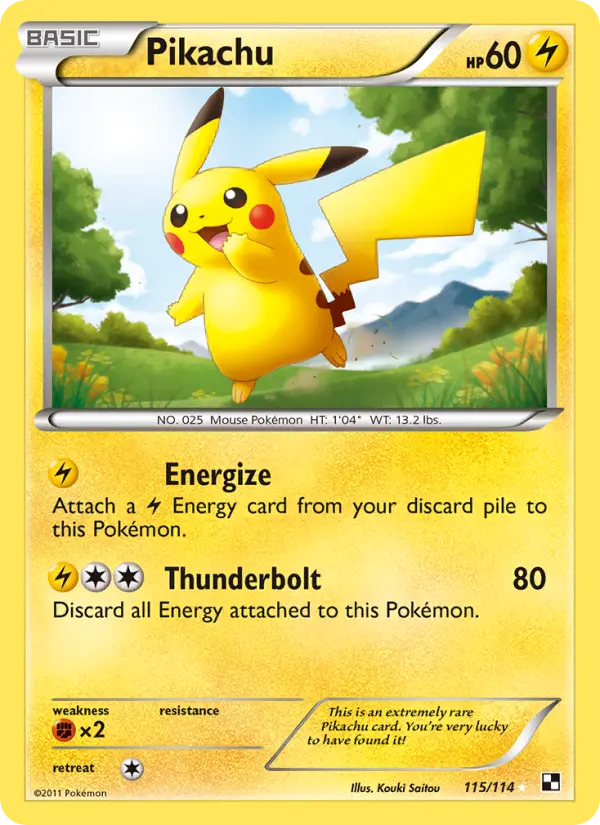
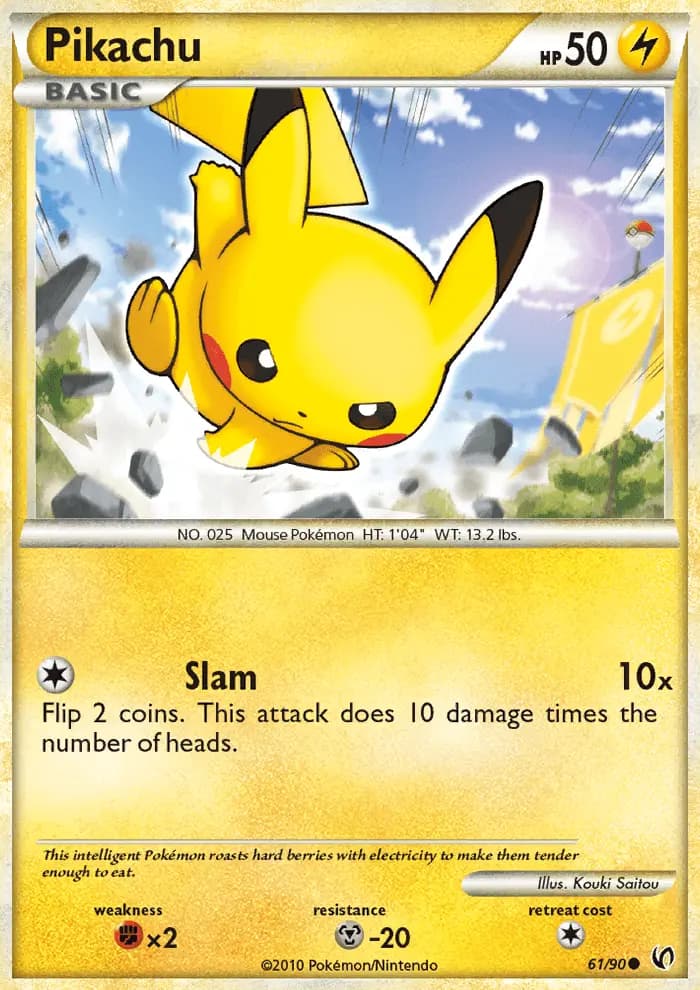
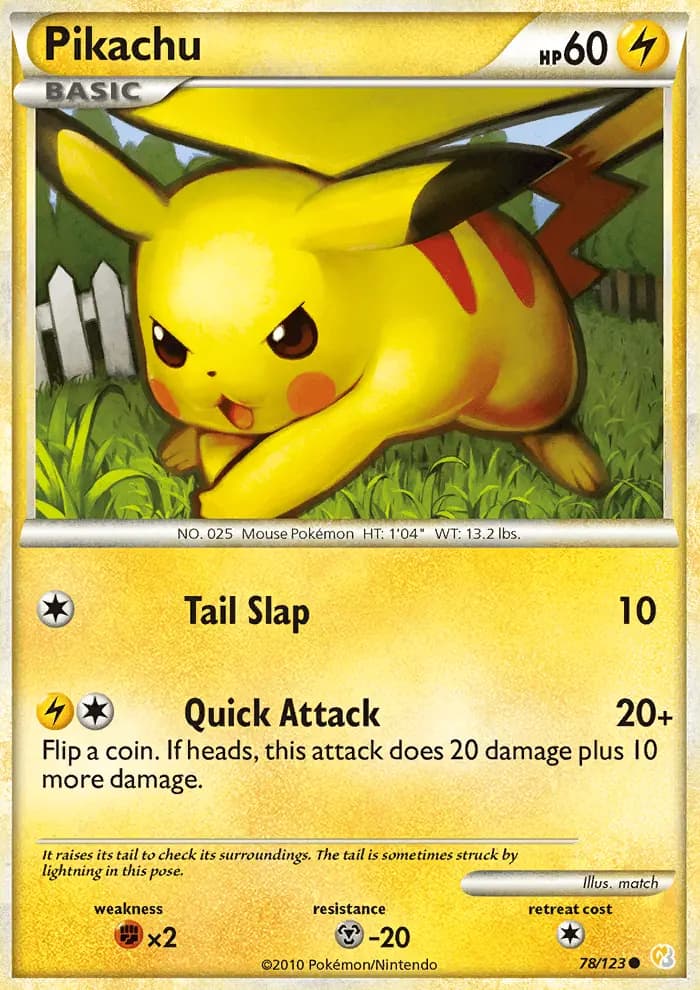
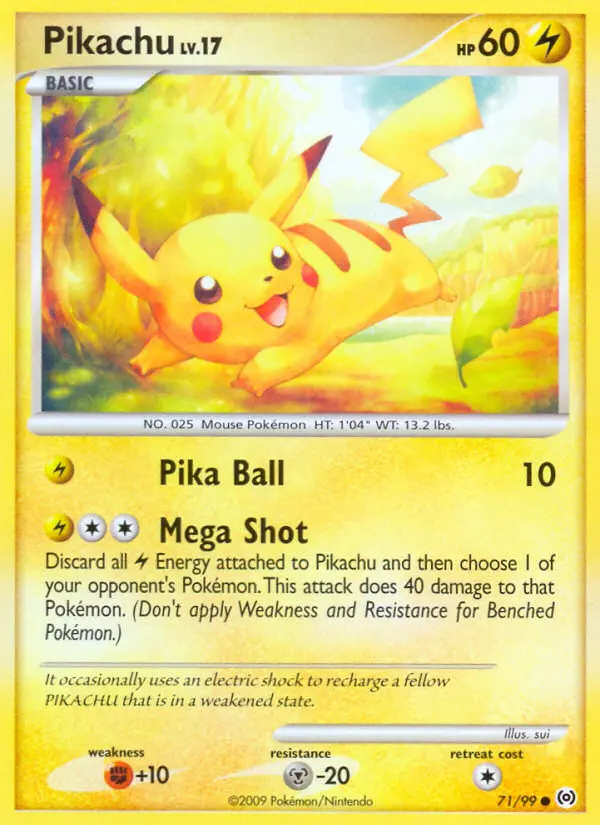
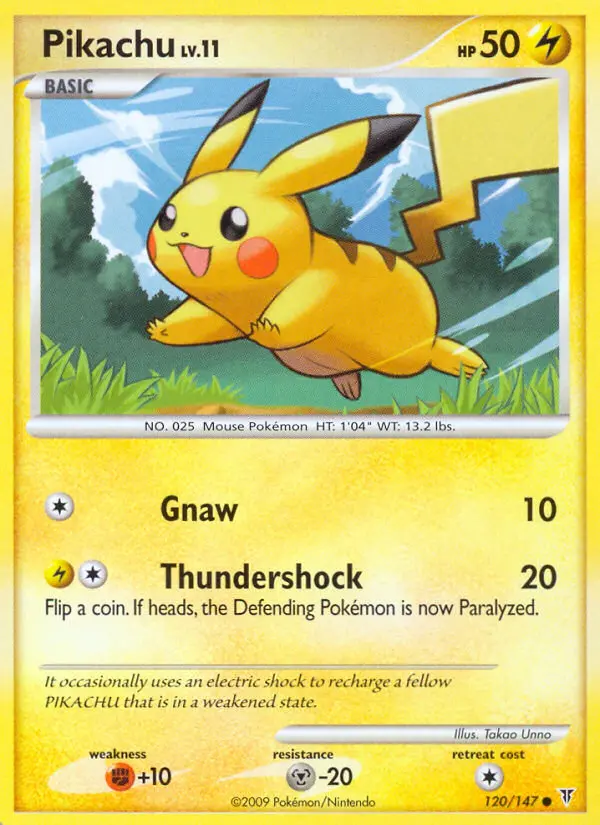
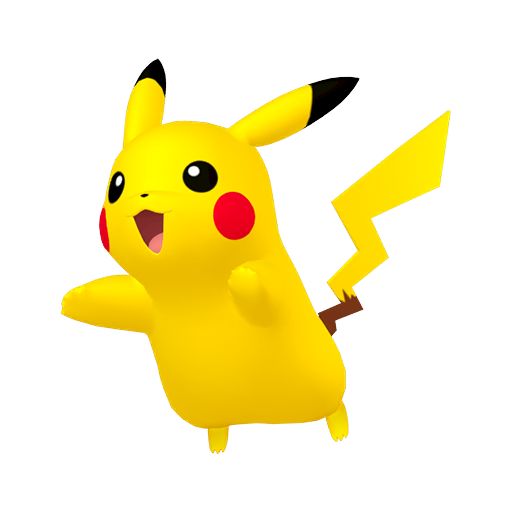
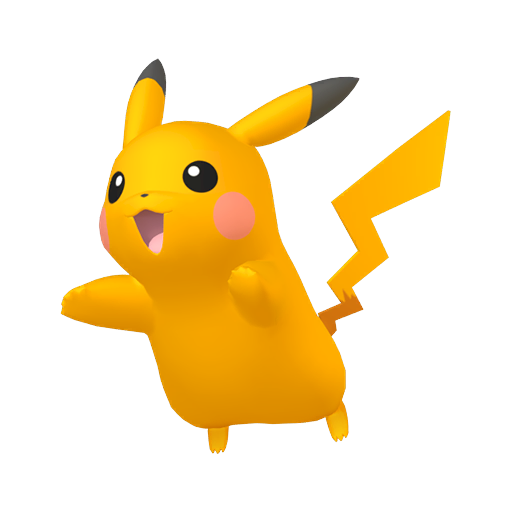
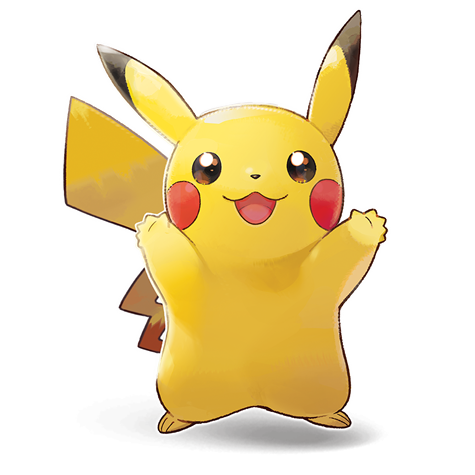
Pikachu is a small, bipedal rodent Pokémon standing merely 0.4 meters (1'04") tall and weighing only 6.0 kilograms (13.2 lbs), making it one of the smallest and lightest fully-evolved Pokémon in the franchise. The most distinctive biological feature of Pikachu is the pair of electricity-storing pouches located on its cheeks, which become electrically charged during the night while the Pokémon sleeps and occasionally cause accidental discharges of electricity when Pikachu is drowsy after waking. Its elevated tail serves a crucial biological function, as Pikachu raises it to monitor its surroundings—though this habit makes the tail a vulnerable target, as Pokédex entries note it is sometimes struck by lightning in this raised pose. Pikachu's physiology is optimized for electrical generation and storage, allowing it to roast hard berries with carefully controlled electricity to make them tender enough to eat, demonstrating precise control over its electrical output.
Pokedex Numbers
Training
Breeding
Pikachu Breeding, Gender Ratio & Egg Groups
Gender-wise, Pikachu is an even 50/50 split between males and females. The species belongs to the Field and Fairy egg groups, which determines compatible breeding partners and potential inherited moves. With a base friendship value of 70, Pikachu naturally bonds well with trainers, though breeding specifically requires a Pikachu or compatible partner to produce Pichu eggs rather than additional Pikachu. The breeding process in Pikachu is relatively efficient, with eggs requiring only 10 cycles to hatch (approximately 2,314 to 2,570 steps), making it accessible for trainers seeking to breed multiple individuals. Female Pikachu have a distinctive visual difference from males—the female's tail has a distinctive notch or indentation at the tip, whereas the male's tail comes to a point, allowing trainers to determine gender through visual inspection. The species' placement in both the Field and Fairy egg groups provides diverse breeding possibilities, connecting Pikachu to a wide variety of other Pokémon species and allowing for varied moveset inheritance in competitive breeding projects.
Sprites




Held Items
Oran Berry
medicine
Held: Consumed at 1/2 max HP to recover 10 HP.
Cost: 80
Oran Berry
medicine
Held: Consumed at 1/2 max HP to recover 10 HP.
Cost: 80
Oran Berry
medicine
Held: Consumed at 1/2 max HP to recover 10 HP.
Cost: 80
Oran Berry
medicine
Held: Consumed at 1/2 max HP to recover 10 HP.
Cost: 80
Oran Berry
medicine
Held: Consumed at 1/2 max HP to recover 10 HP.
Cost: 80
Oran Berry
medicine
Held: Consumed at 1/2 max HP to recover 10 HP.
Cost: 80
Oran Berry
medicine
Held: Consumed at 1/2 max HP to recover 10 HP.
Cost: 80
Oran Berry
medicine
Held: Consumed at 1/2 max HP to recover 10 HP.
Cost: 80
Oran Berry
medicine
Held: Consumed at 1/2 max HP to recover 10 HP.
Cost: 80
Oran Berry
medicine
Held: Consumed at 1/2 max HP to recover 10 HP.
Cost: 80
Light Ball
species-specific
Doubles Pikachu’s Attack and Special Attack. Breed on Pikachu or Raichu: Pichu Egg will have Volt Tackle.
Cost: 1000
Light Ball
species-specific
Doubles Pikachu’s Attack and Special Attack. Breed on Pikachu or Raichu: Pichu Egg will have Volt Tackle.
Cost: 1000
Light Ball
species-specific
Doubles Pikachu’s Attack and Special Attack. Breed on Pikachu or Raichu: Pichu Egg will have Volt Tackle.
Cost: 1000
Light Ball
species-specific
Doubles Pikachu’s Attack and Special Attack. Breed on Pikachu or Raichu: Pichu Egg will have Volt Tackle.
Cost: 1000
Light Ball
species-specific
Doubles Pikachu’s Attack and Special Attack. Breed on Pikachu or Raichu: Pichu Egg will have Volt Tackle.
Cost: 1000
Light Ball
species-specific
Doubles Pikachu’s Attack and Special Attack. Breed on Pikachu or Raichu: Pichu Egg will have Volt Tackle.
Cost: 1000
Light Ball
species-specific
Doubles Pikachu’s Attack and Special Attack. Breed on Pikachu or Raichu: Pichu Egg will have Volt Tackle.
Cost: 1000
Light Ball
species-specific
Doubles Pikachu’s Attack and Special Attack. Breed on Pikachu or Raichu: Pichu Egg will have Volt Tackle.
Cost: 1000
Light Ball
species-specific
Doubles Pikachu’s Attack and Special Attack. Breed on Pikachu or Raichu: Pichu Egg will have Volt Tackle.
Cost: 1000
Light Ball
species-specific
Doubles Pikachu’s Attack and Special Attack. Breed on Pikachu or Raichu: Pichu Egg will have Volt Tackle.
Cost: 1000
Light Ball
species-specific
Doubles Pikachu’s Attack and Special Attack. Breed on Pikachu or Raichu: Pichu Egg will have Volt Tackle.
Cost: 1000
Light Ball
species-specific
Doubles Pikachu’s Attack and Special Attack. Breed on Pikachu or Raichu: Pichu Egg will have Volt Tackle.
Cost: 1000
Light Ball
species-specific
Doubles Pikachu’s Attack and Special Attack. Breed on Pikachu or Raichu: Pichu Egg will have Volt Tackle.
Cost: 1000
Light Ball
species-specific
Doubles Pikachu’s Attack and Special Attack. Breed on Pikachu or Raichu: Pichu Egg will have Volt Tackle.
Cost: 1000
Light Ball
species-specific
Doubles Pikachu’s Attack and Special Attack. Breed on Pikachu or Raichu: Pichu Egg will have Volt Tackle.
Cost: 1000
Light Ball
species-specific
Doubles Pikachu’s Attack and Special Attack. Breed on Pikachu or Raichu: Pichu Egg will have Volt Tackle.
Cost: 1000
Light Ball
species-specific
Doubles Pikachu’s Attack and Special Attack. Breed on Pikachu or Raichu: Pichu Egg will have Volt Tackle.
Cost: 1000
Light Ball
species-specific
Doubles Pikachu’s Attack and Special Attack. Breed on Pikachu or Raichu: Pichu Egg will have Volt Tackle.
Cost: 1000
Light Ball
species-specific
Doubles Pikachu’s Attack and Special Attack. Breed on Pikachu or Raichu: Pichu Egg will have Volt Tackle.
Cost: 1000
Light Ball
species-specific
Doubles Pikachu’s Attack and Special Attack. Breed on Pikachu or Raichu: Pichu Egg will have Volt Tackle.
Cost: 1000
TMs & HMs
tm00
sword shield
tm01
yellow
tm01
gold silver
tm01
crystal
tm01
red blue
tm01
platinum
tm01
emerald
tm01
diamond pearl
tm01
firered leafgreen
tm01
ruby sapphire
tm01
xd
tm01
colosseum
tm01
heartgold soulsilver
tm01
lets go pikachu lets go eevee
tm01
blue japan
tm01
red green japan
tm01
sword shield
tm02
crystal
tm02
gold silver
tm02
sword shield
+672 more TMs/HMs
Regional & Special Forms
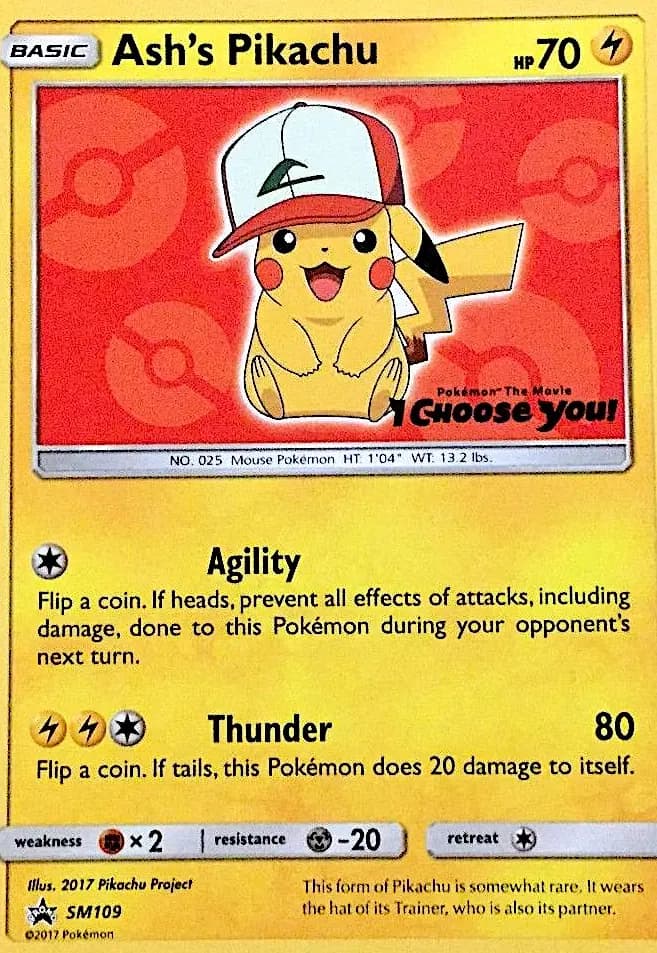
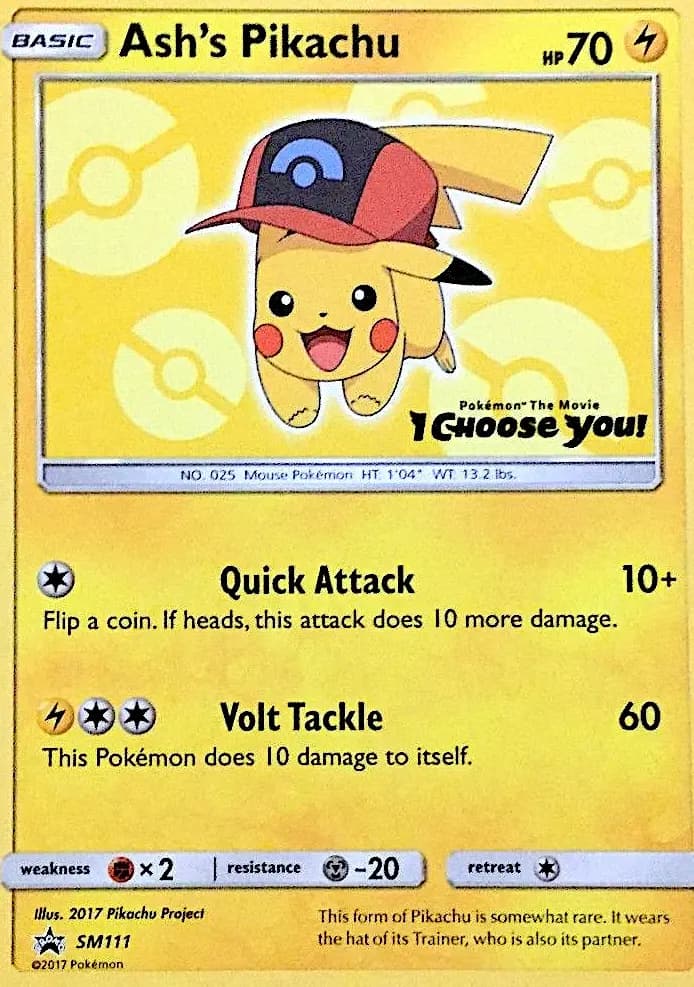
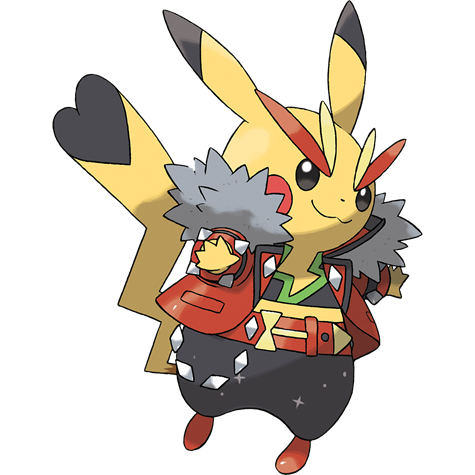
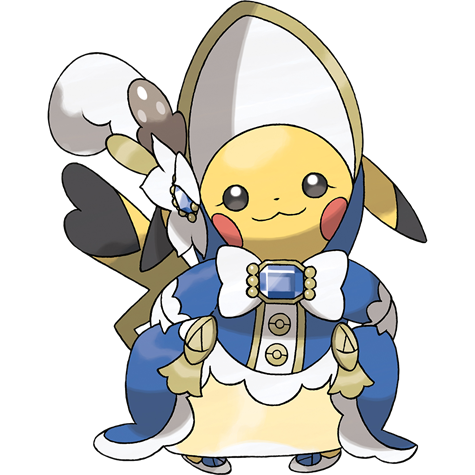
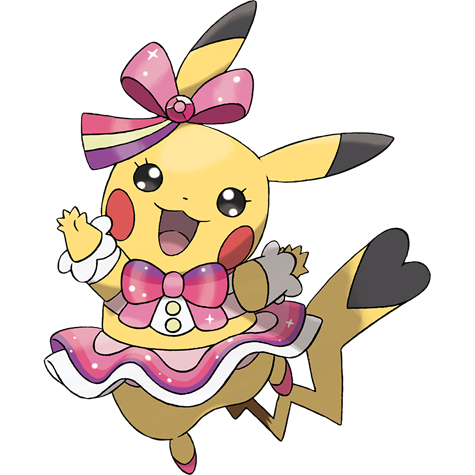
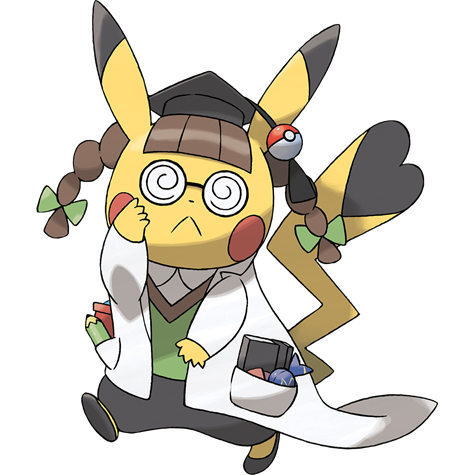
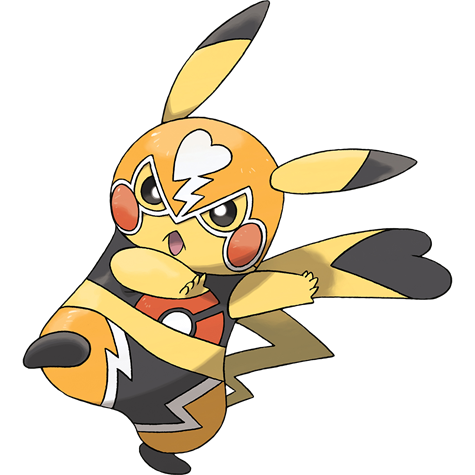
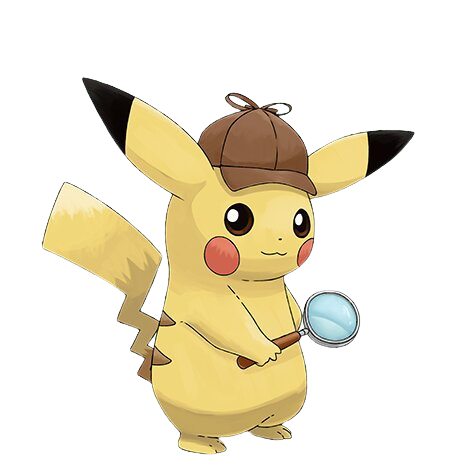
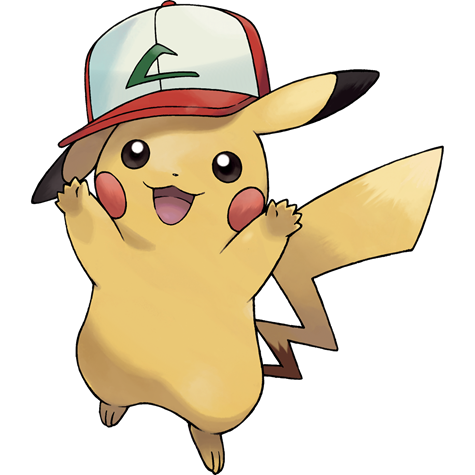
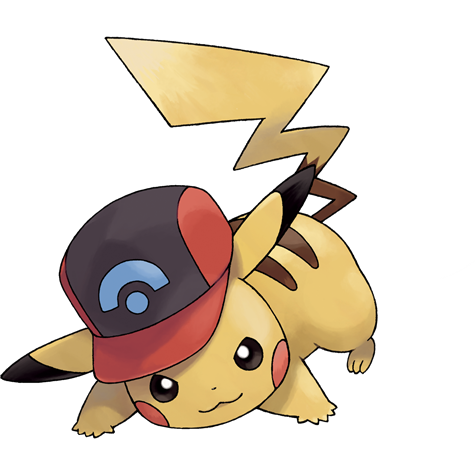
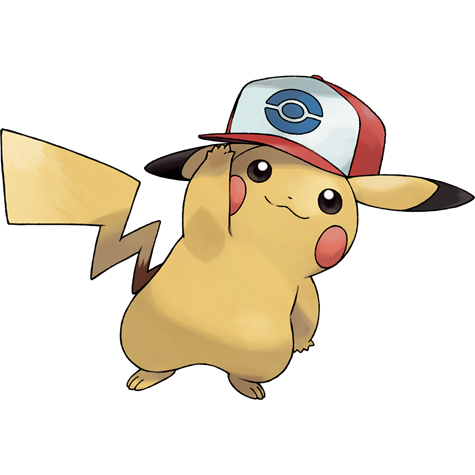
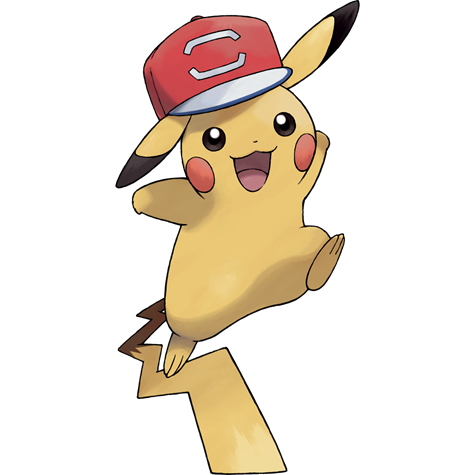
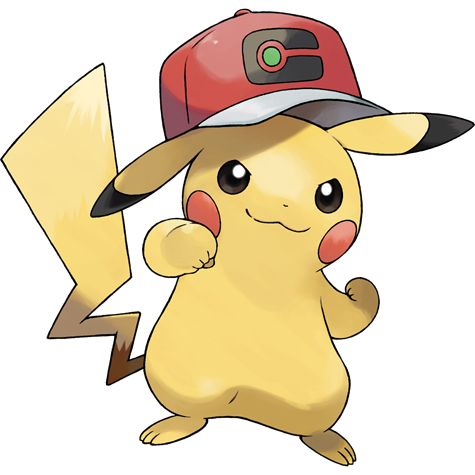
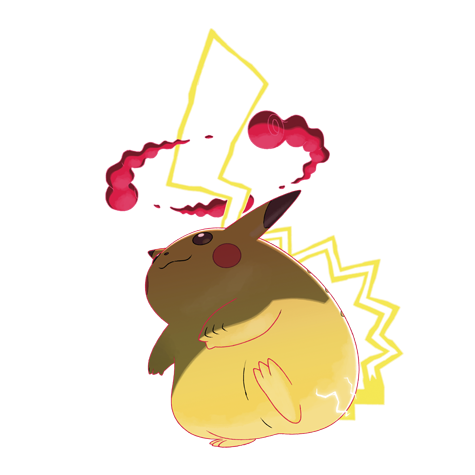
Pikachu also has 16 related forms: Rock Star Pikachu, Belle Pikachu, Pop Star Pikachu, Phd Pikachu, Libre Pikachu, Cosplay Pikachu, Original Cap Pikachu, Hoenn Cap Pikachu, Sinnoh Cap Pikachu, Unova Cap Pikachu, Kalos Cap Pikachu, Alolan Cap Pikachu, Partner Cap Pikachu, Starter Pikachu, World Cap Pikachu and Gigantamax Pikachu.



Gender Differences
This Pokémon has visible differences between male and female forms.
Pikachu's Evolution Chain


Pikachu Evolution, Mega Evolution & Special Forms
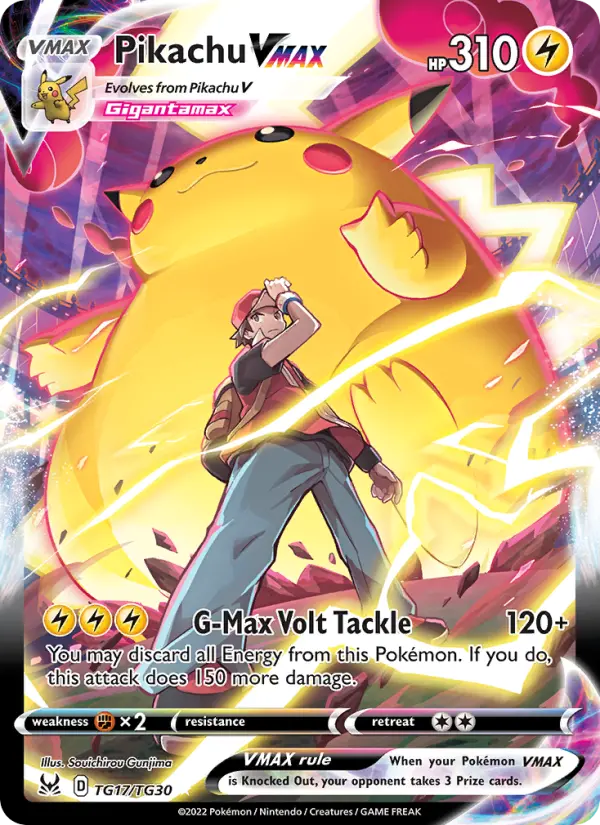
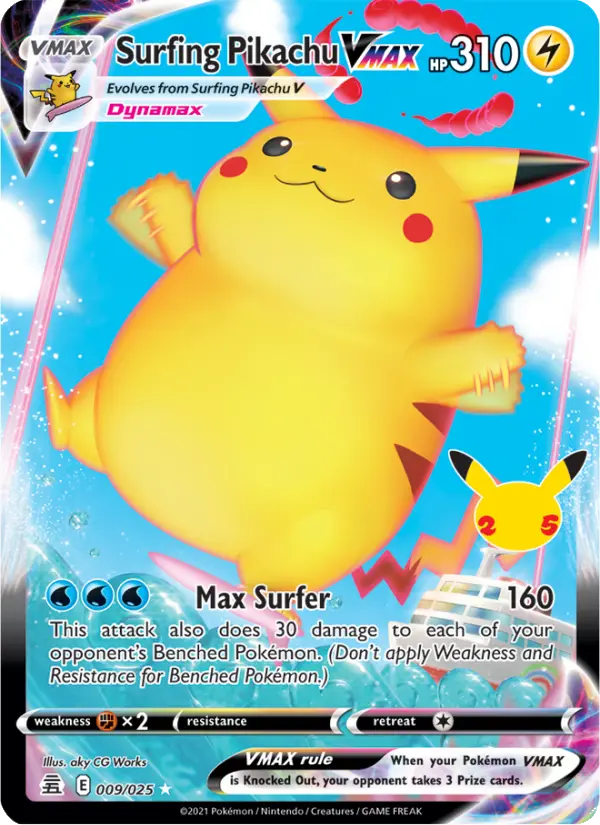
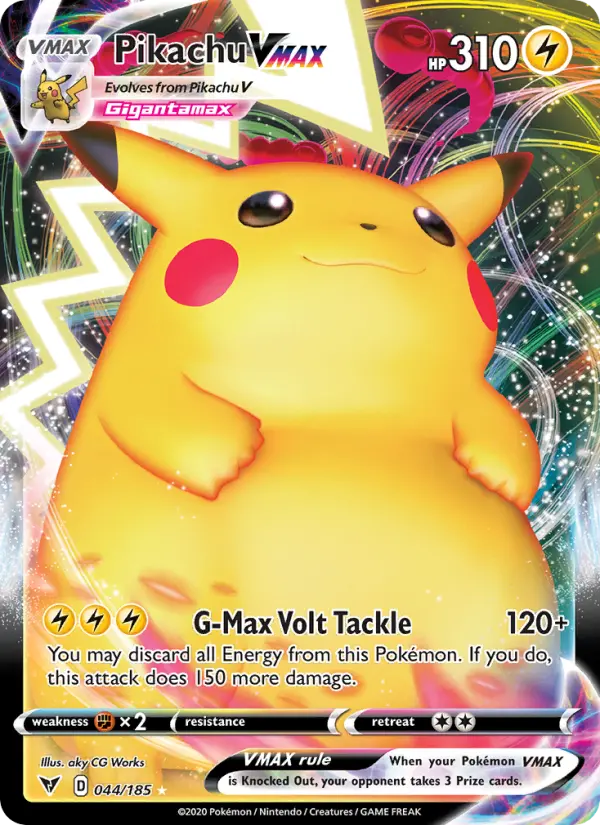
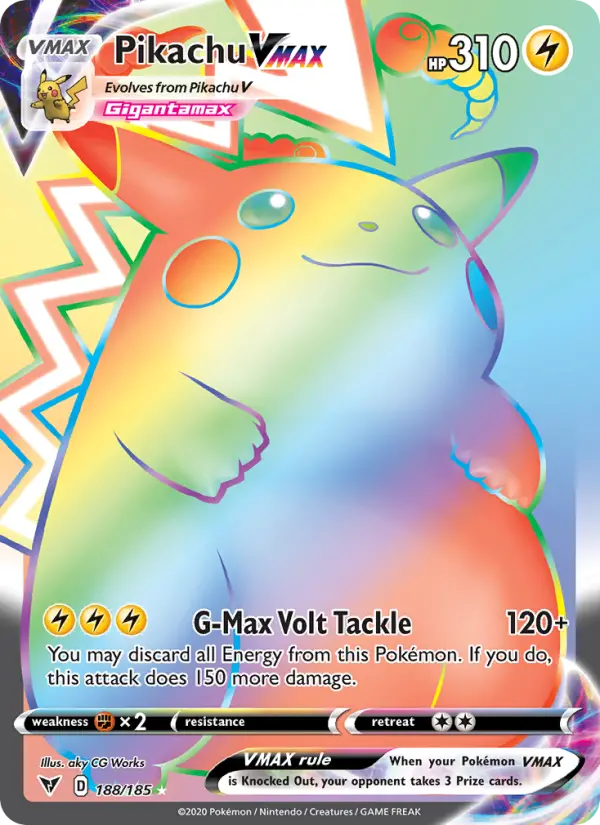
Pikachu occupies a crucial middle position in its evolutionary line, evolving from Pichu—a baby Pokémon that requires high friendship with its trainer to trigger the evolution—and capable of evolving into Raichu when exposed to a Thunder Stone. The evolution from Pichu to Pikachu represents a significant maturation, with substantial increases in base stats across the board, particularly in Speed. When Pikachu evolves into Raichu, it gains more substantial stat improvements, becoming a more formidable combatant with increased Attack, Special Attack, and all-around offensive capability. In the Alola region, Pikachu's evolution diverges from the standard path; when exposed to a Thunder Stone in Alola, Pikachu instead evolves into Alolan Raichu, which gains the Electric/Psychic typing and the ability to surf on its tail. Additionally, Pikachu can Gigantamax into Gigantamax Pikachu if it possesses the Gigantamax Factor, growing to massive proportions of over 21 meters and gaining access to the exclusive G-Max move G-Max Volt Crash. Notably, special Pikachu variants such as Cosplay Pikachu, Pikachu in a cap, Partner Pikachu, and Gigantamax Pikachu are unable to evolve, cementing their status as unique forms of the species.
Where to Find
Power Plant
kanto
+13 more
Viridian Forest
kanto
+19 more
Pallet Town
kanto
Kanto Route 2
kanto
+13 more
Hoenn Safari Zone
hoenn
+9 more
Trophy Garden
sinnoh
+6 more
Kalos Route 3
kalos
+1 more
Santalune Forest
kalos
+1 more
Fallarbor Town
hoenn
Verdanturf Town
hoenn
Slateport City
hoenn
Lilycove City
hoenn
Hauoli City
alola
Alola Route 1
alola
+1 more
Heahea City
alola
Pikachu Behaviour and Natural Habitat
Pikachu exhibits intelligent and protective behavior, displaying awareness of its surroundings and a tendency to become aggressive when threatened, particularly regarding its signature tail—yanking it will provoke an immediate biting response. When several Pikachu gather together, their combined electrical output can build to dangerous levels, potentially creating lightning storms through the accumulation of their individual electrical charges. According to Pokédex entries, Pikachu blasts anything new it encounters with jolts of electricity out of curiosity, and the presence of blackened berries in an area often serves as evidence of Pikachu's presence, indicating instances where the Pokémon misjudged the intensity of its electrical discharge. This species thrives in environments where electricity is abundant, and their nocturnal charging behavior—where electrical pouches charge during sleep—suggests they are somewhat crepuscular or nocturnal in their activity patterns. The species demonstrates notable intelligence through its ability to prepare food using controlled electrical output, suggesting problem-solving capabilities beyond typical animal behavior.
Pokedex Entries
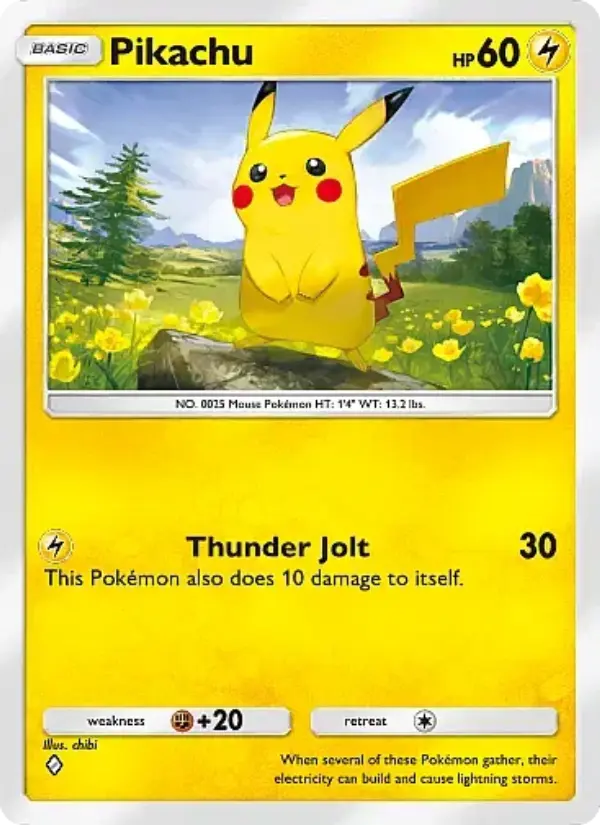
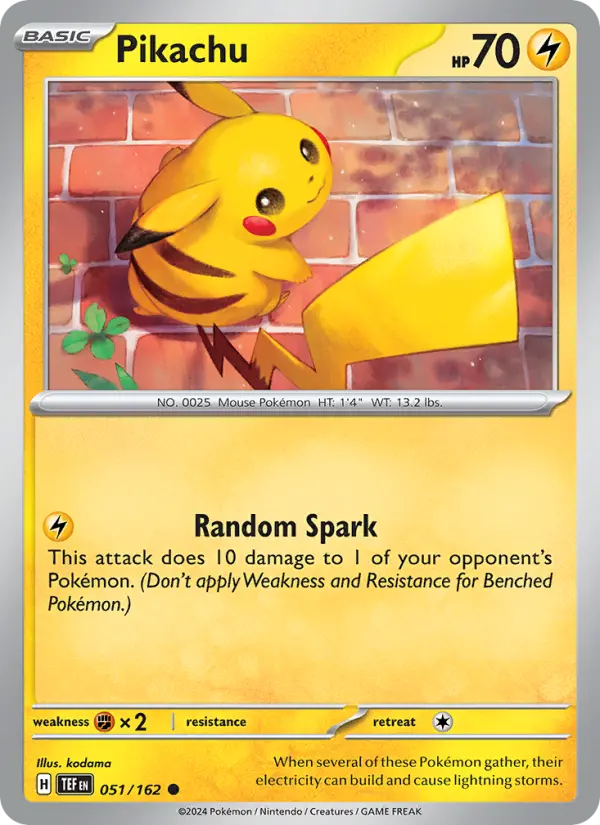
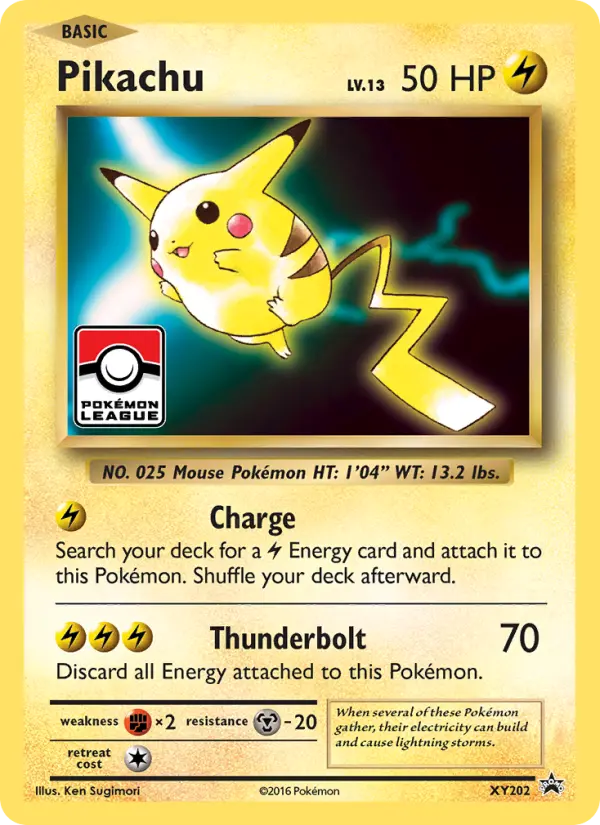
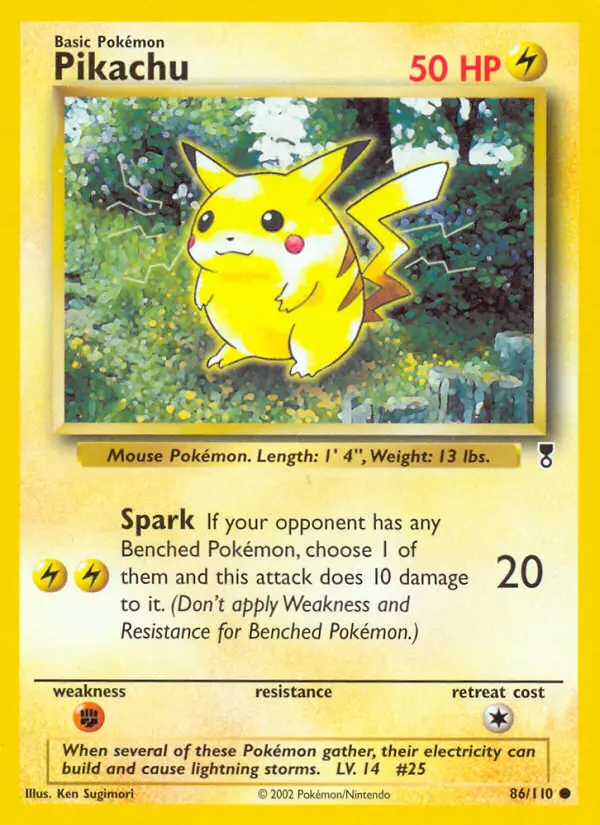
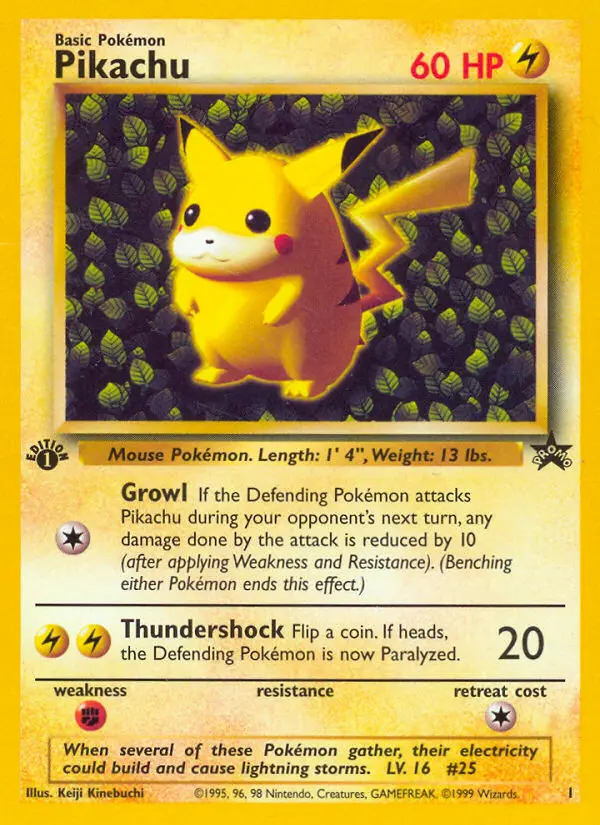
When several of these POKéMON gather, their electricity could build and cause lightning storms.
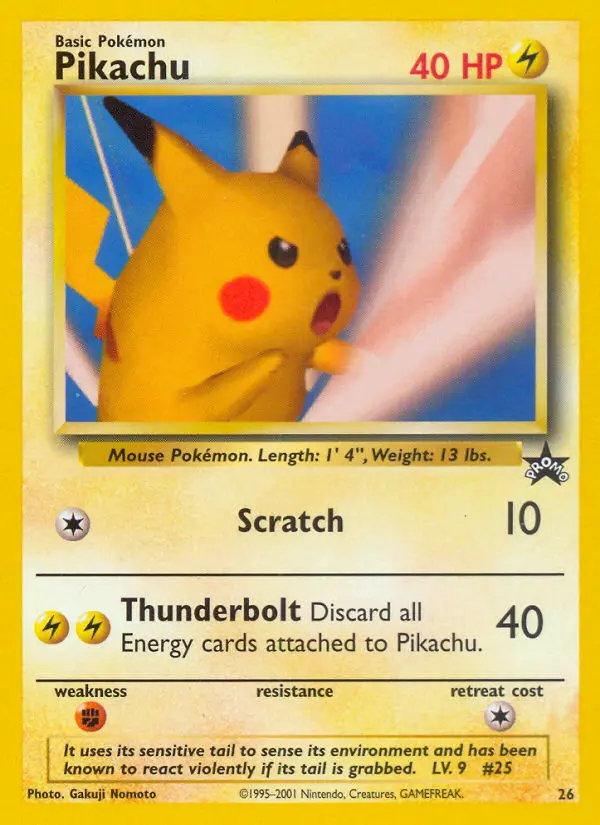
It keeps its tail raised to monitor its surroundings. If you yank its tail, it will try to bite you.
This intelligent POKéMON roasts hard BERRIES with electricity to make them tender enough to eat.
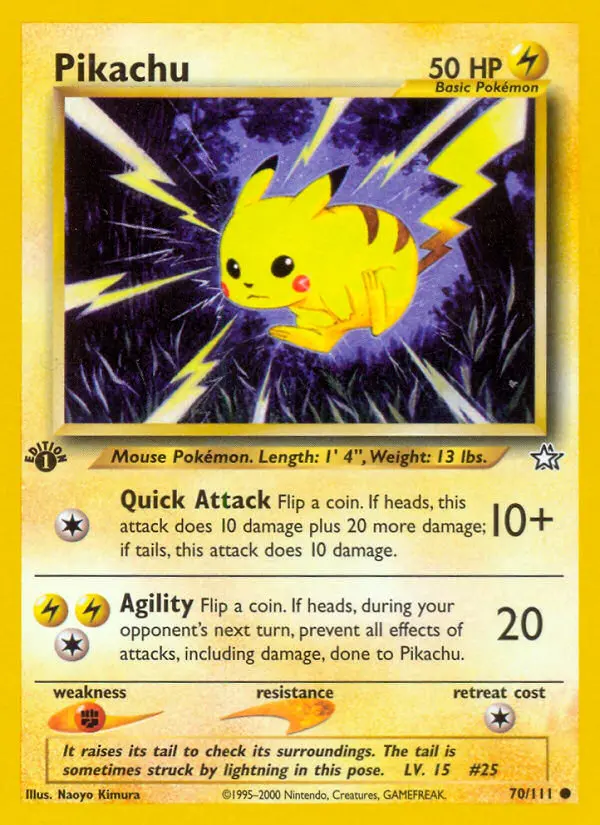
It raises its tail to check its sur roundings. The tail is sometimes struck by light ning in this pose.
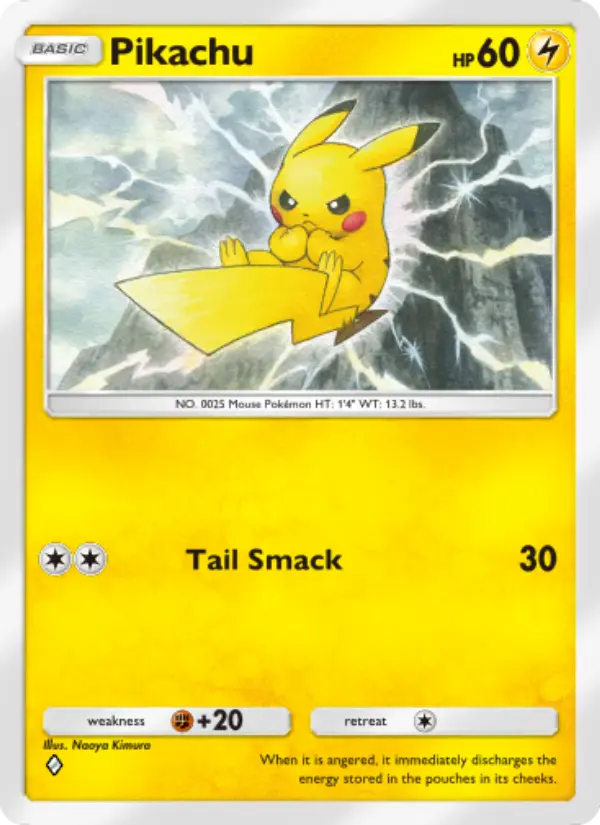
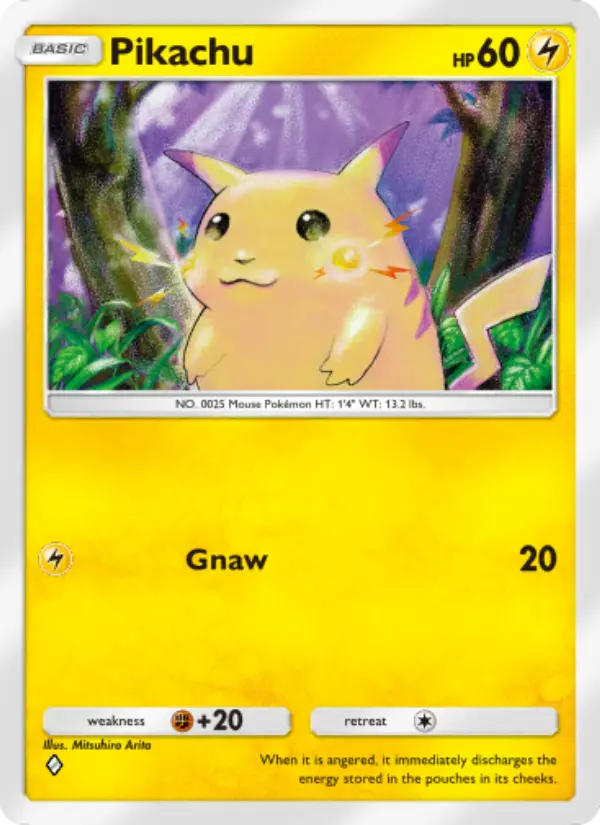
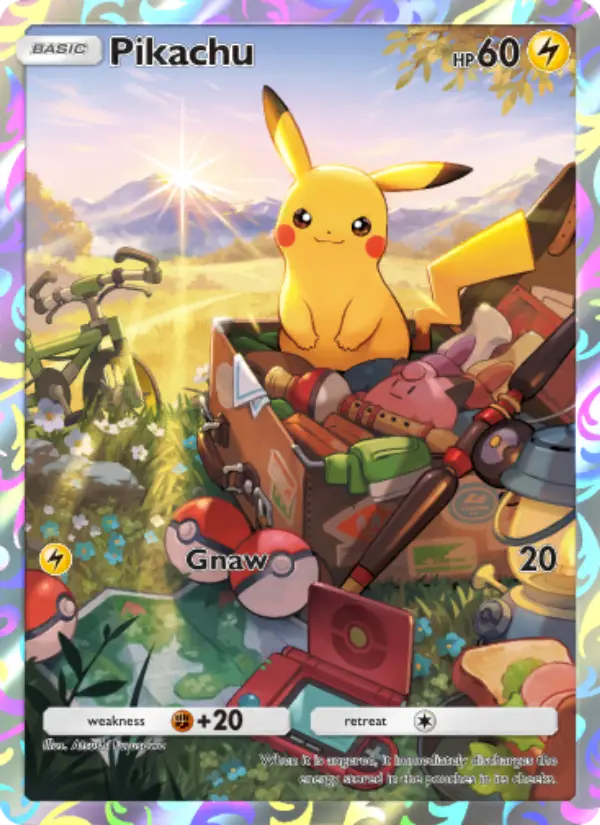
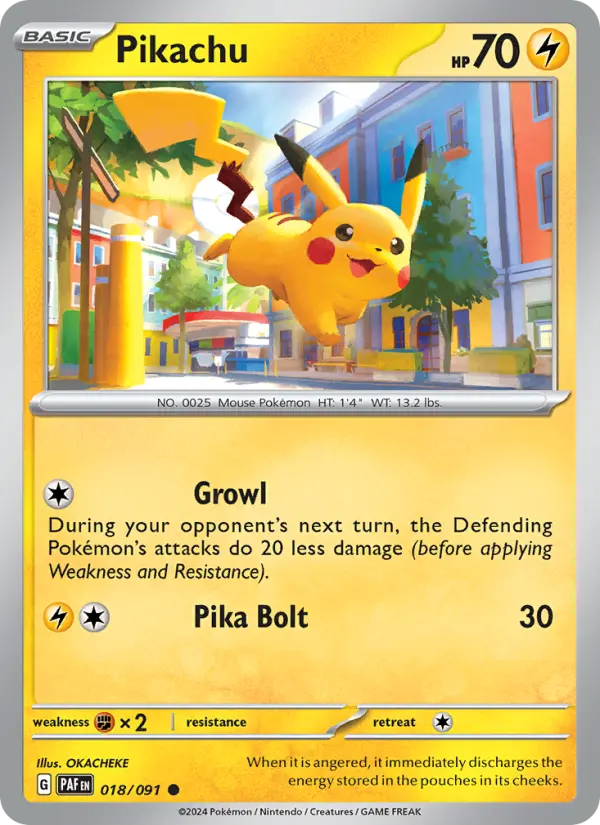
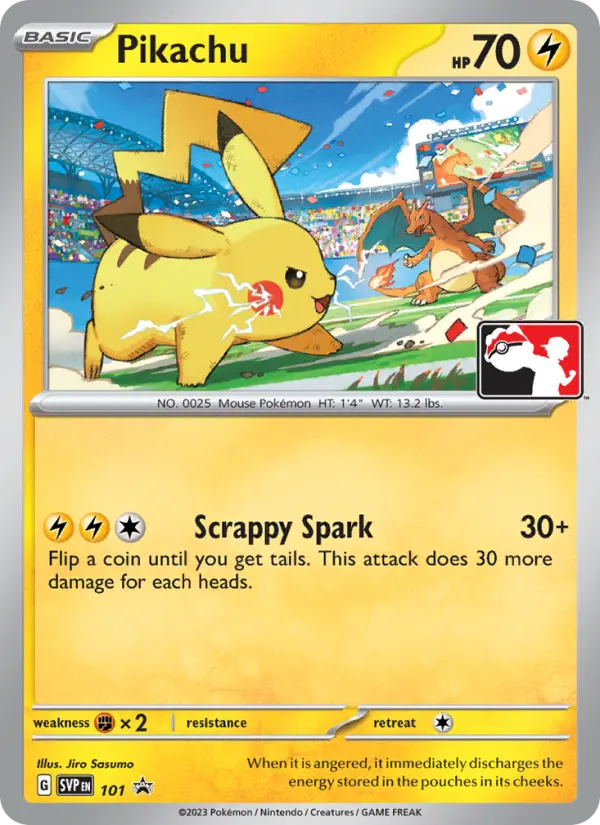
When it is anger ed, it immediately discharges the energy stored in the pouches in its cheeks.
Whenever PIKACHU comes across something new, it blasts it with a jolt of electricity. If you come across a blackened berry, it’s evidence that this POKéMON mistook the intensity of its charge.
This POKéMON has electricity-storing pouches on its cheeks. These appear to become electrically charged during the night while PIKACHU sleeps. It occasionally discharges electricity when it is dozy after waking up.
It stores electricity in the electric sacs on its cheeks. When it releases pent-up energy in a burst, the electric power is equal to a lightning bolt.
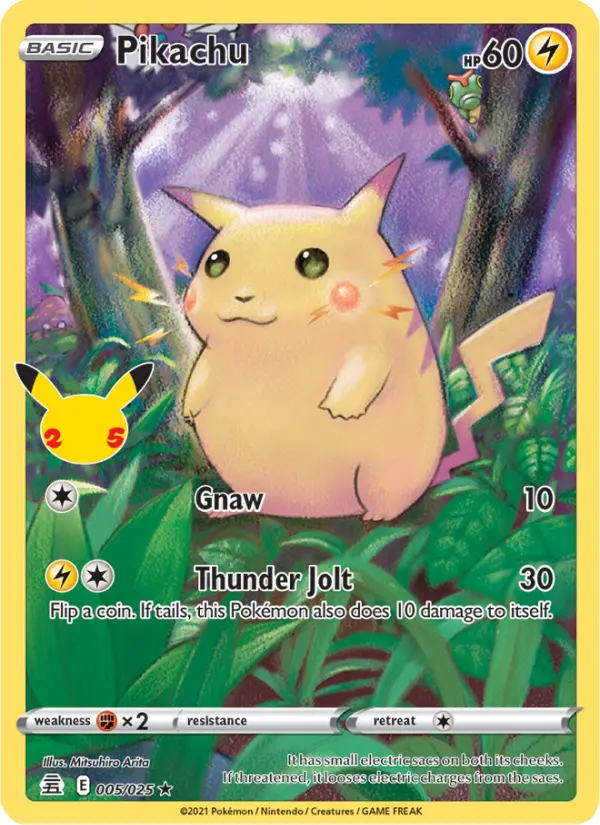
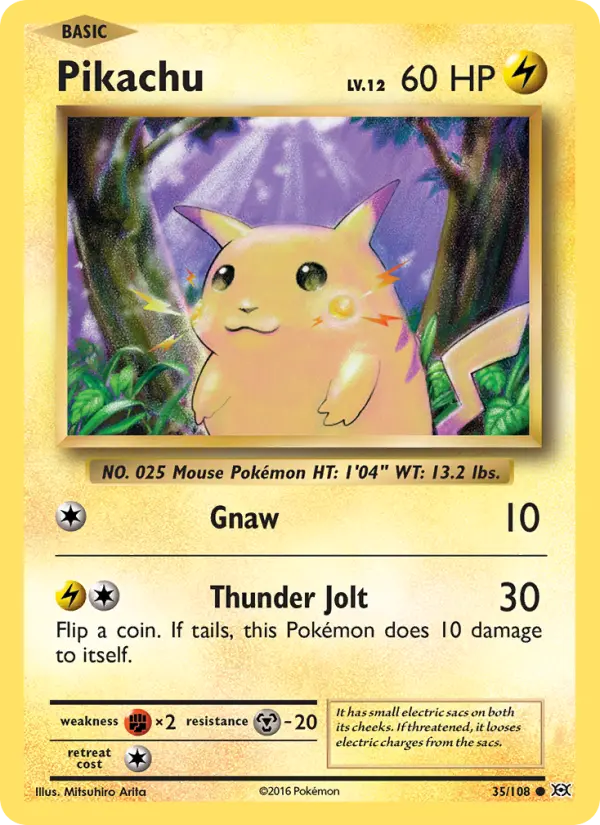
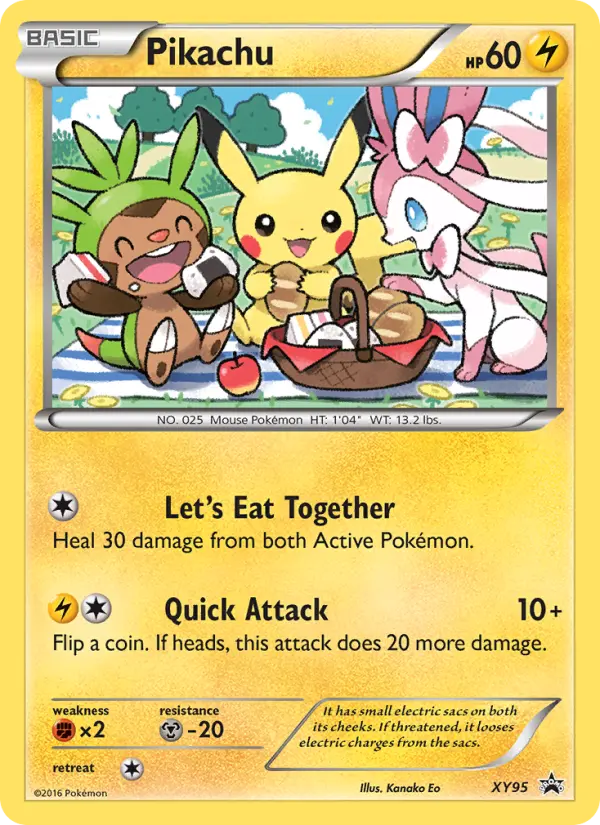
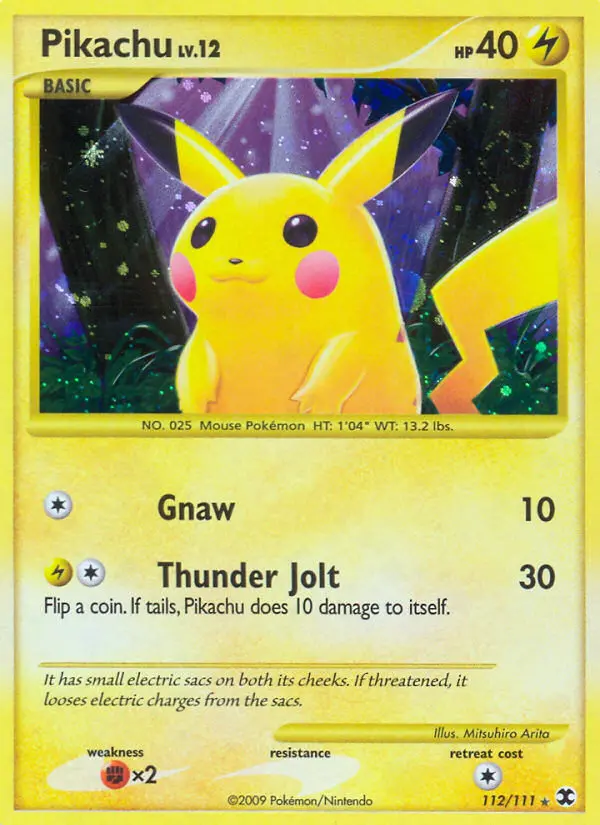
It has small electric sacs on both its cheeks. If threatened, it looses electric charges from the sacs.
When several of these POKéMON gather, their electricity can build and cause lightning storms.
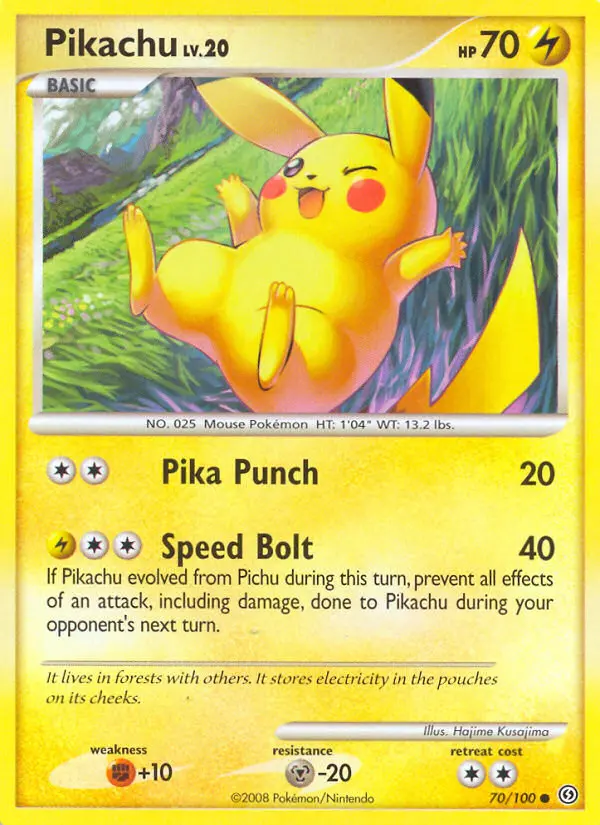
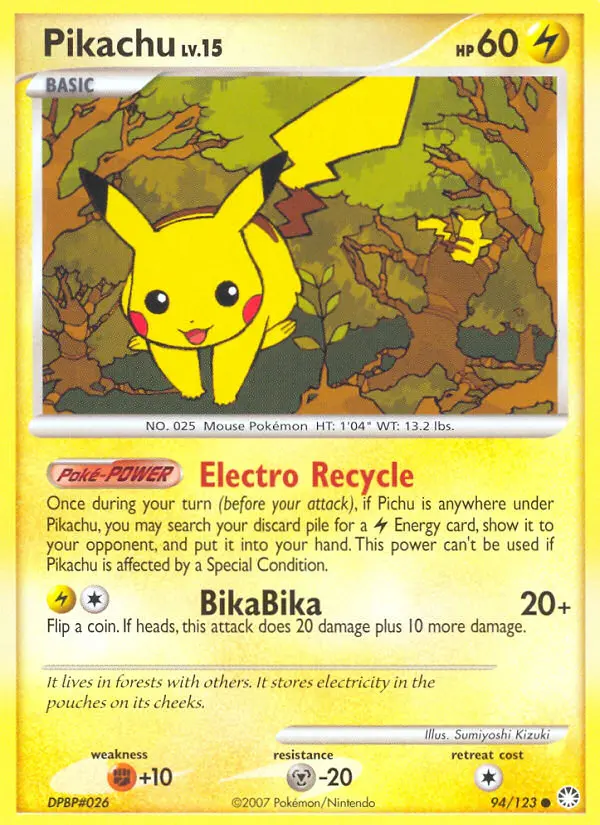
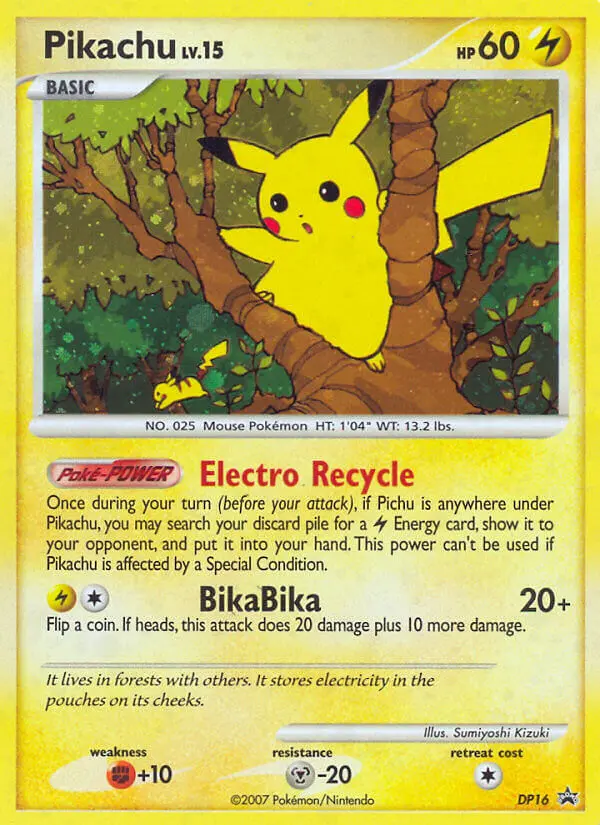
It lives in forests with others. It stores electricity in the pouches on its cheeks.
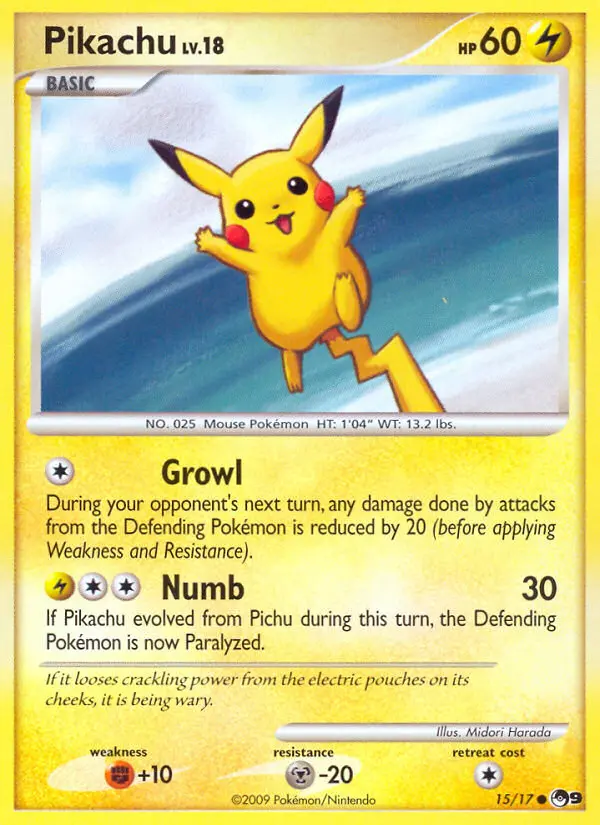
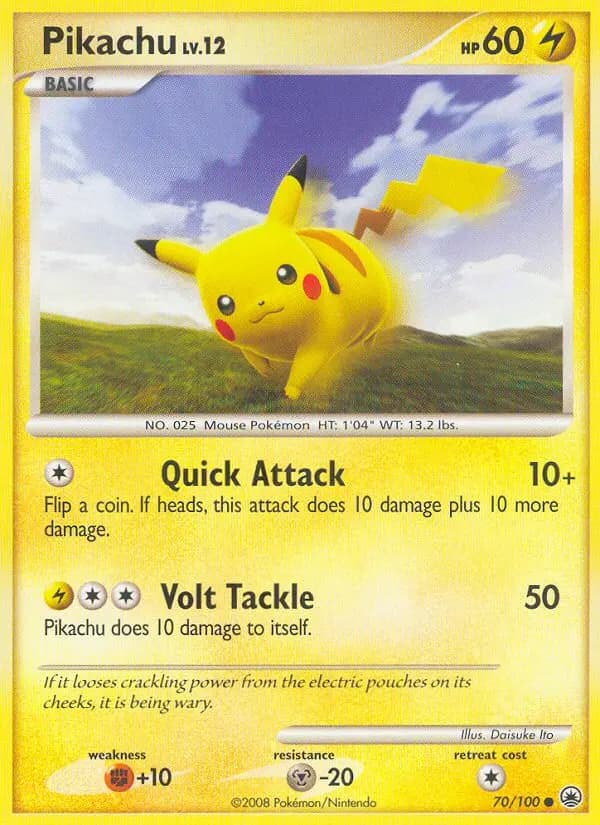
If it looses crackling power from the electric pouches on its cheeks, it is being wary.
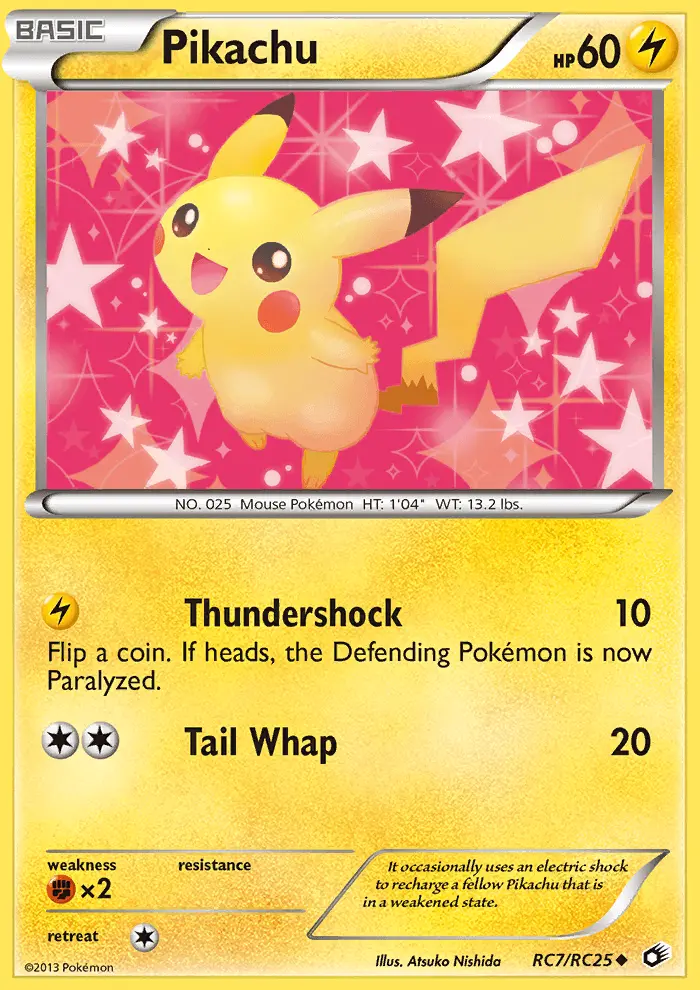
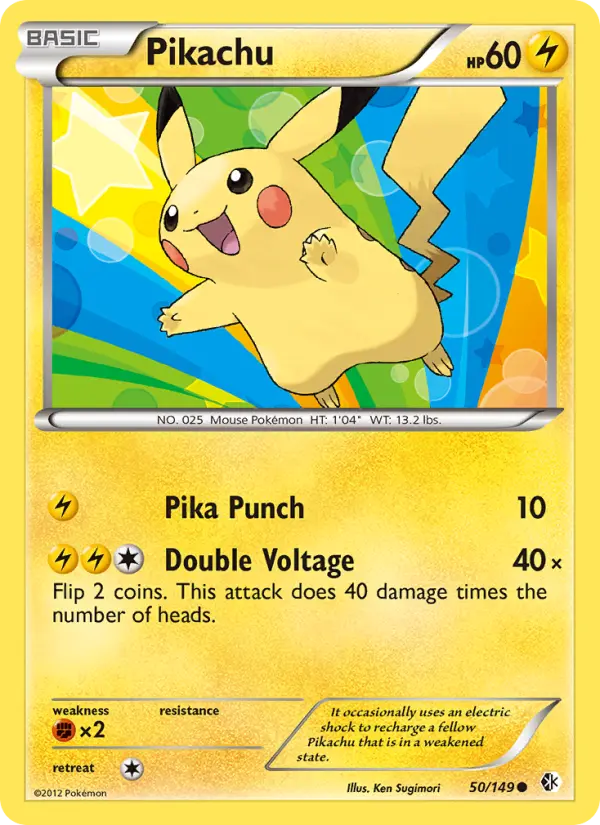
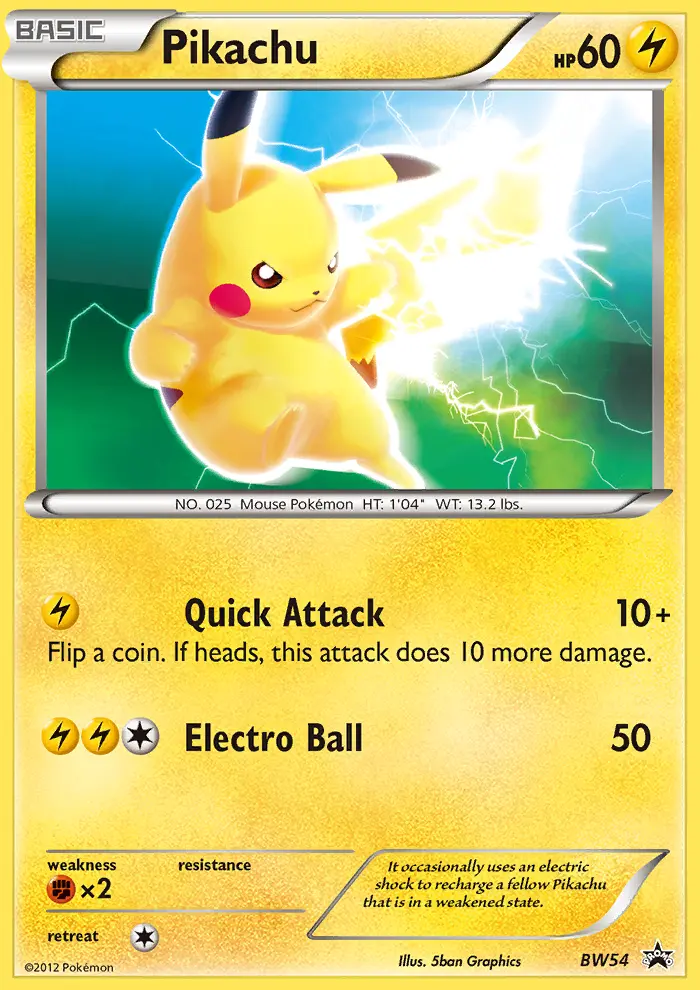
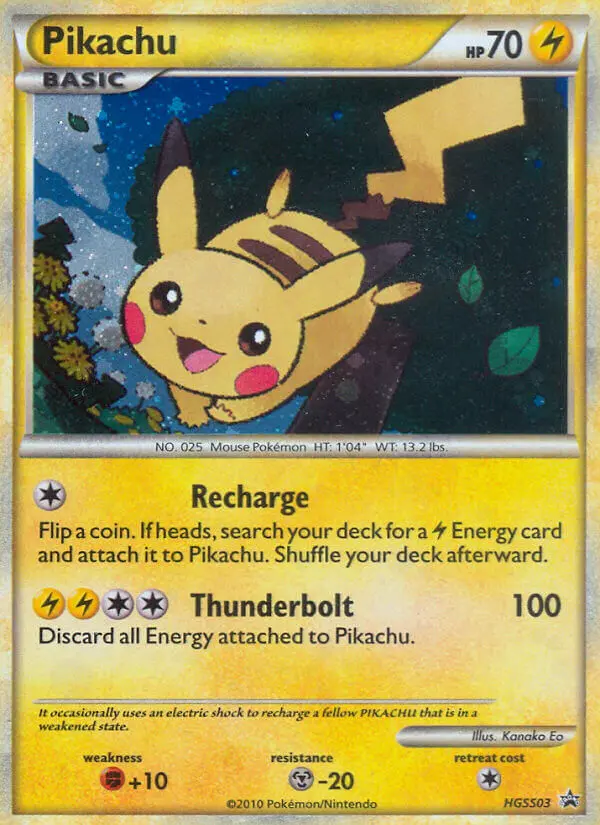
It occasionally uses an electric shock to recharge a fellow PIKACHU that is in a weakened state.
This intelligent Pokémon roasts hard berries with electricity to make them tender enough to eat.
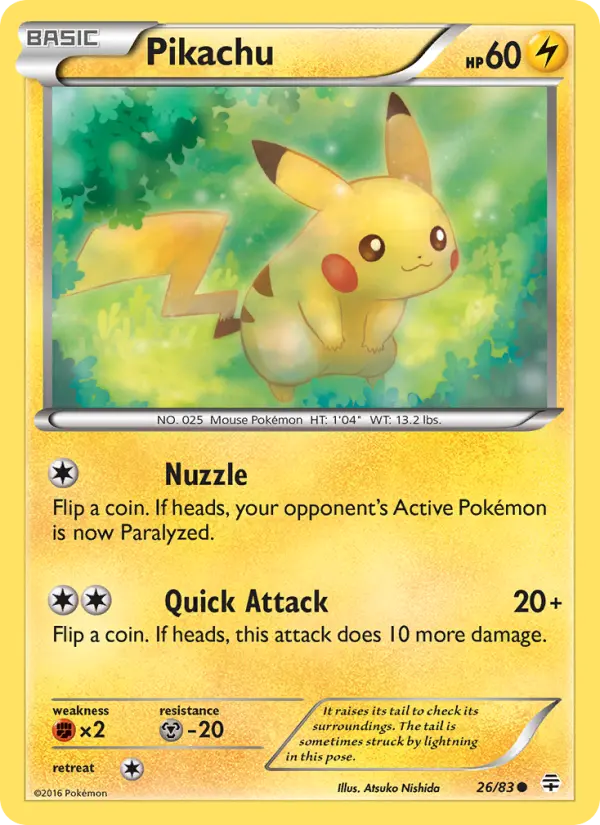
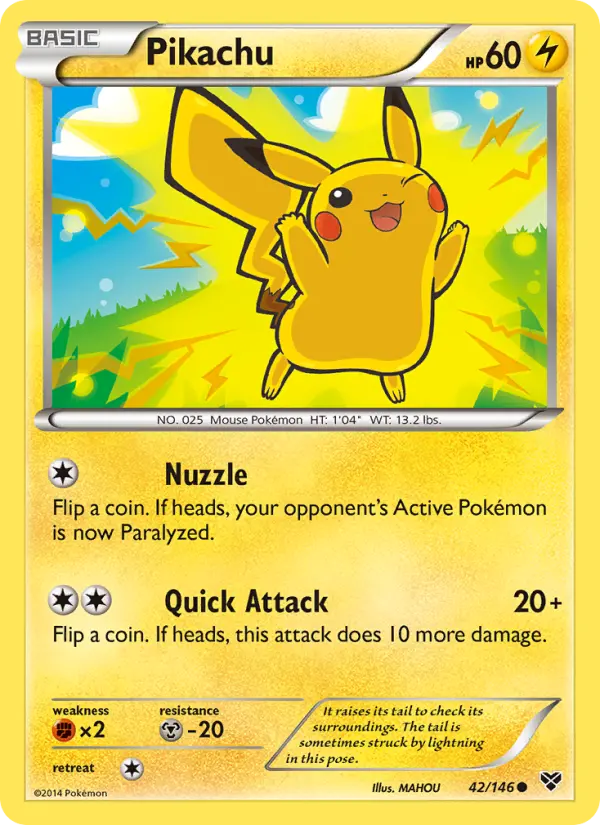
It raises its tail to check its surroundings. The tail is sometimes struck by lightning in this pose.
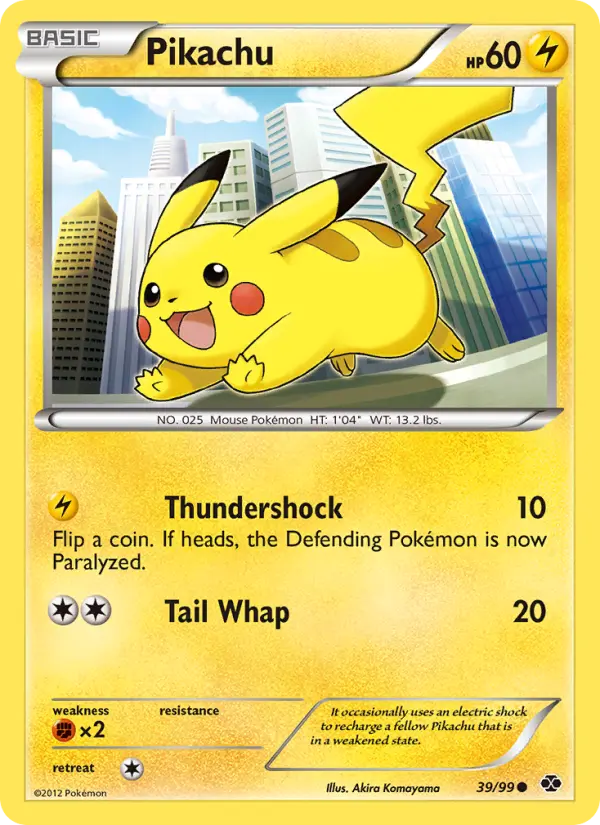
It occasionally uses an electric shock to recharge a fellow Pikachu that is in a weakened state.
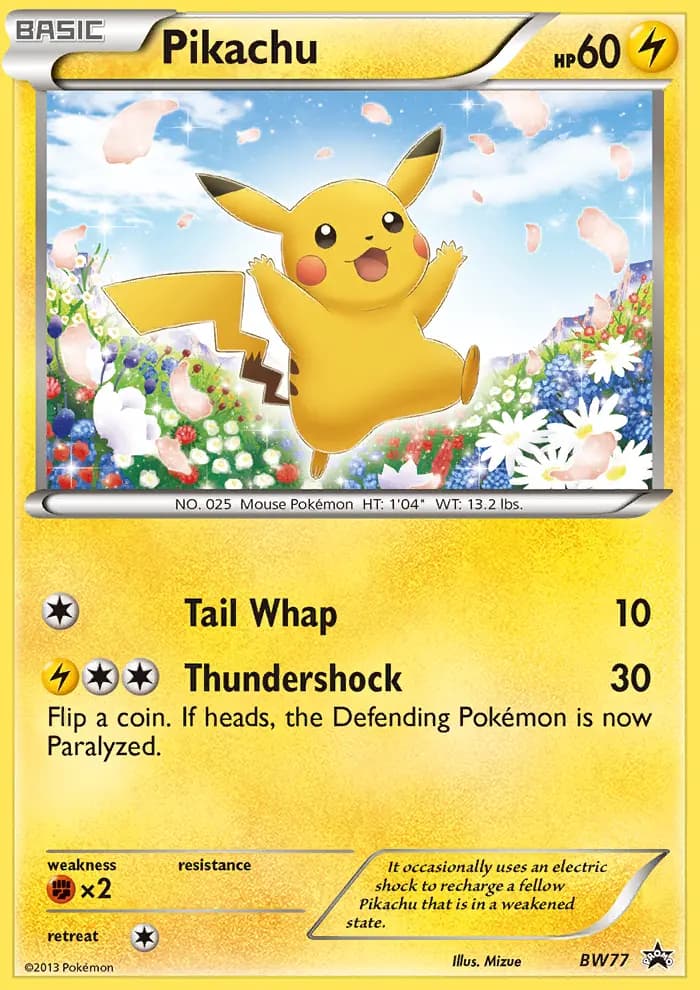
It occasionally uses an electric shock to recharge a fellow Pikachu that is in a weakened state.
It raises its tail to check its surroundings. The tail is sometimes struck by lightning in this pose.
It has small electric sacs on both its cheeks. If threatened, it looses electric charges from the sacs.
Whenever Pikachu comes across something new, it blasts it with a jolt of electricity. If you come across a blackened berry, it’s evidence that this Pokémon mistook the intensity of its charge.
This Pokémon has electricity-storing pouches on its cheeks. These appear to become electrically charged during the night while Pikachu sleeps. It occasionally discharges electricity when it is dozy after waking up.
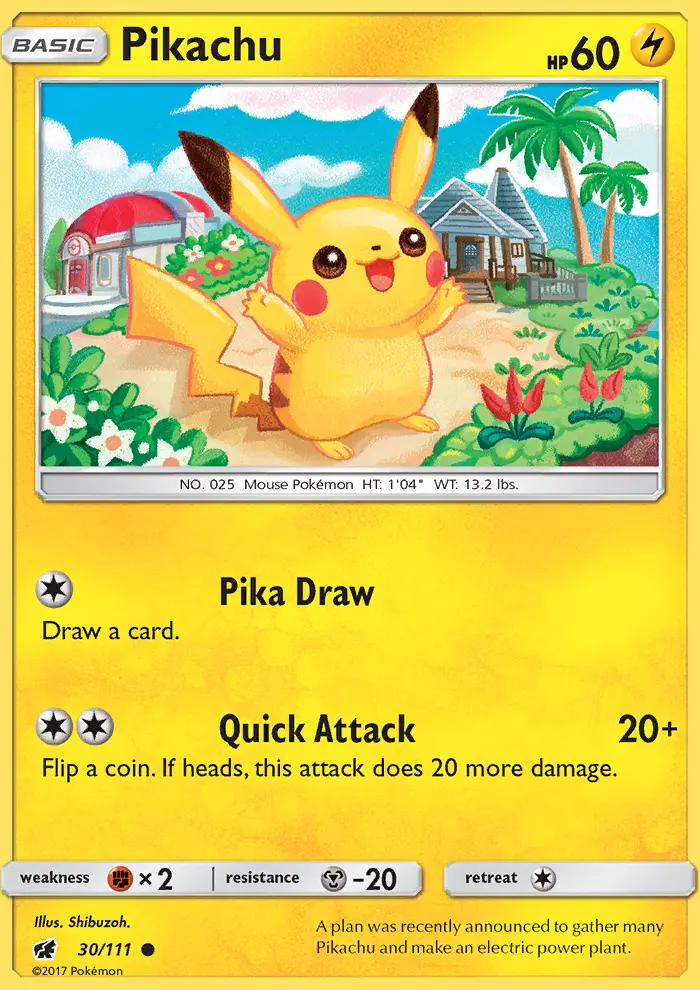
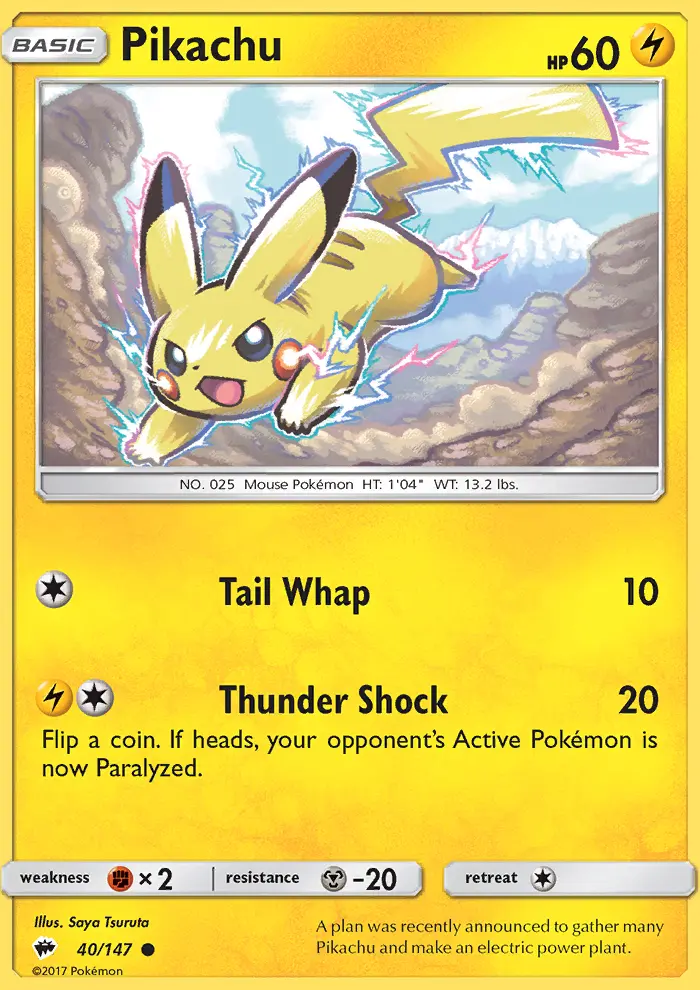
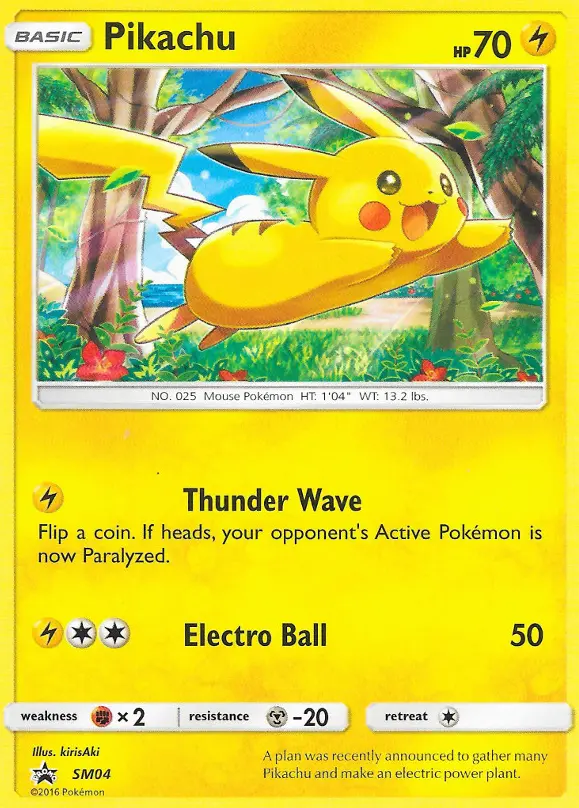
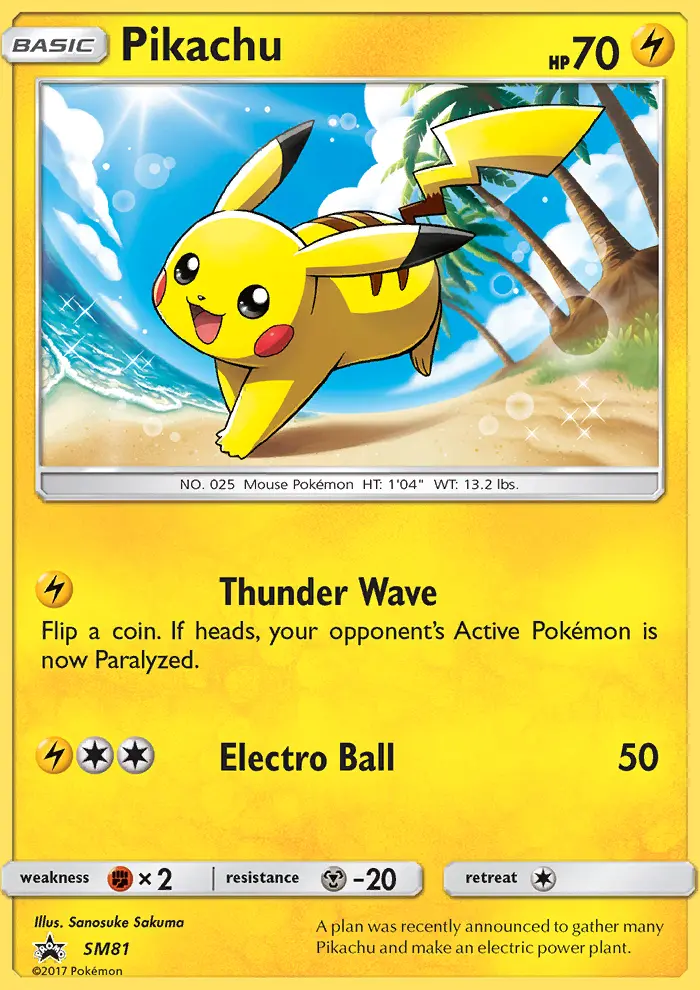
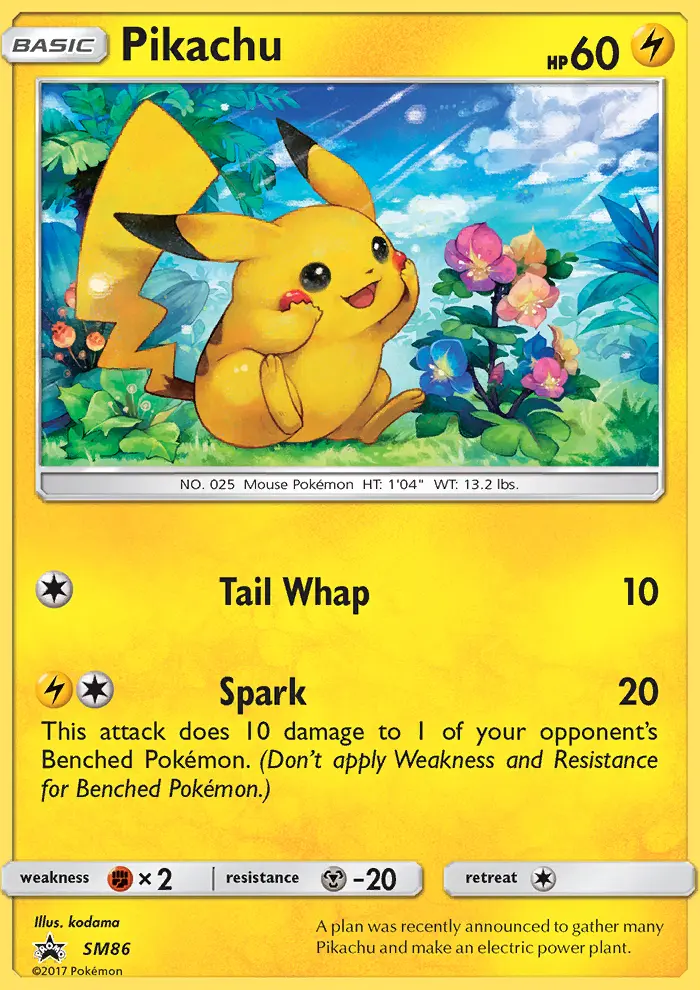
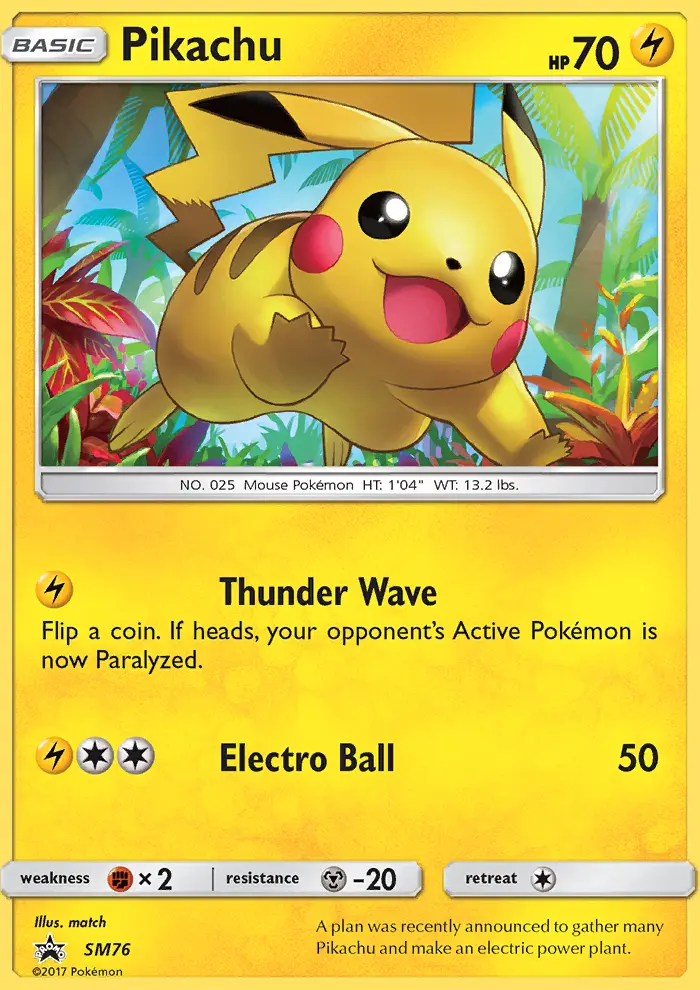
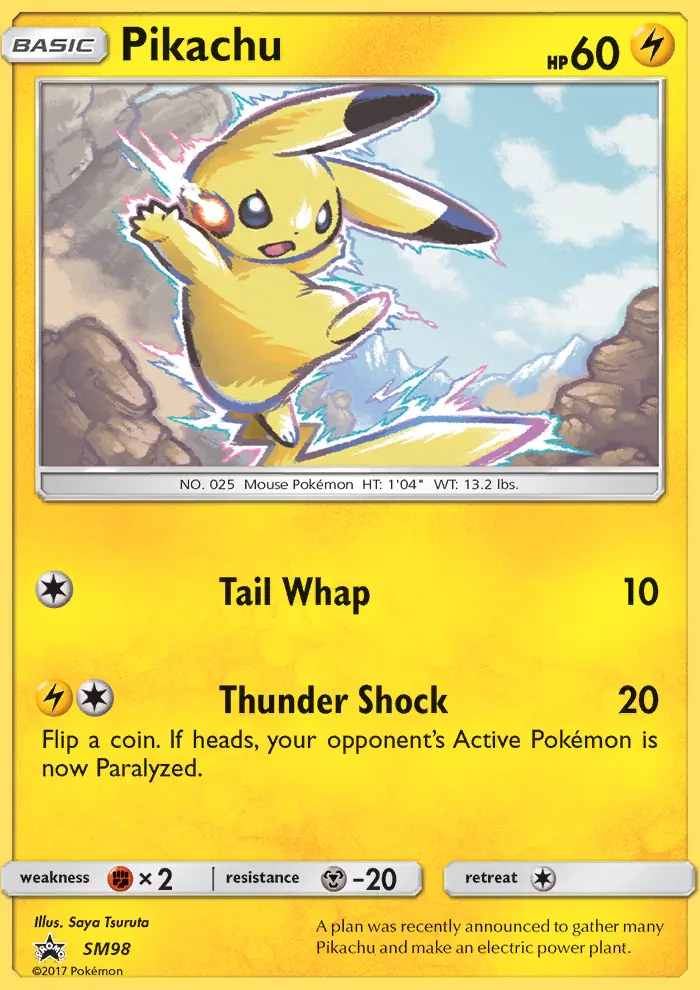
A plan was recently announced to gather many Pikachu and make an electric power plant.
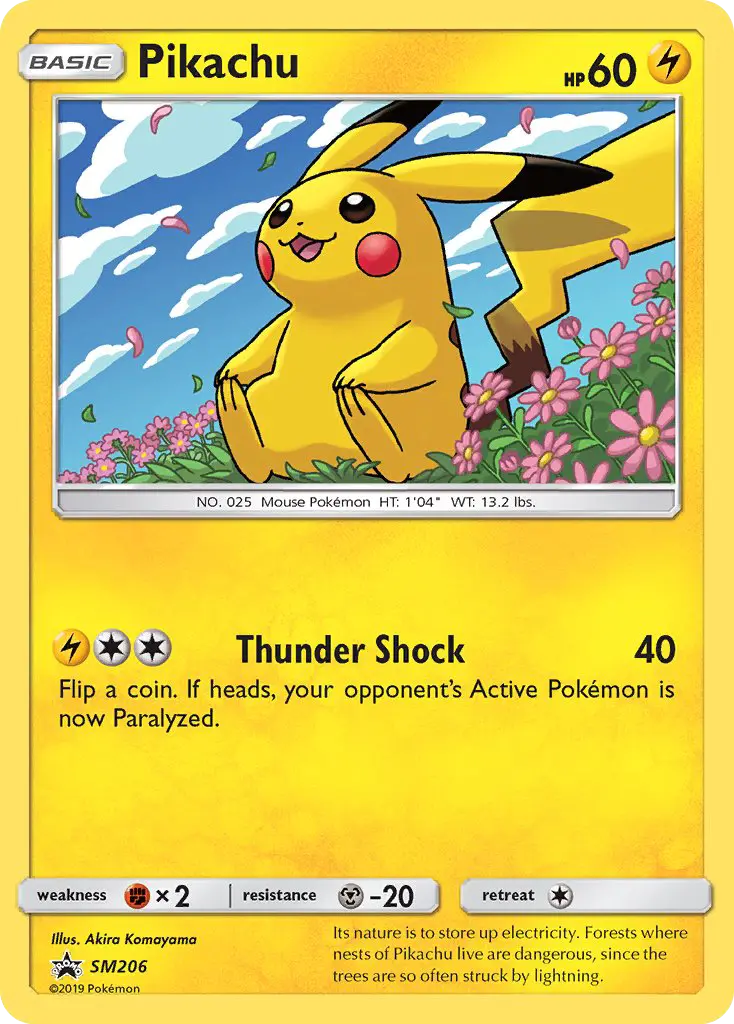
Its nature is to store up electricity. Forests where nests of Pikachu live are dangerous, since the trees are so often struck by lightning.
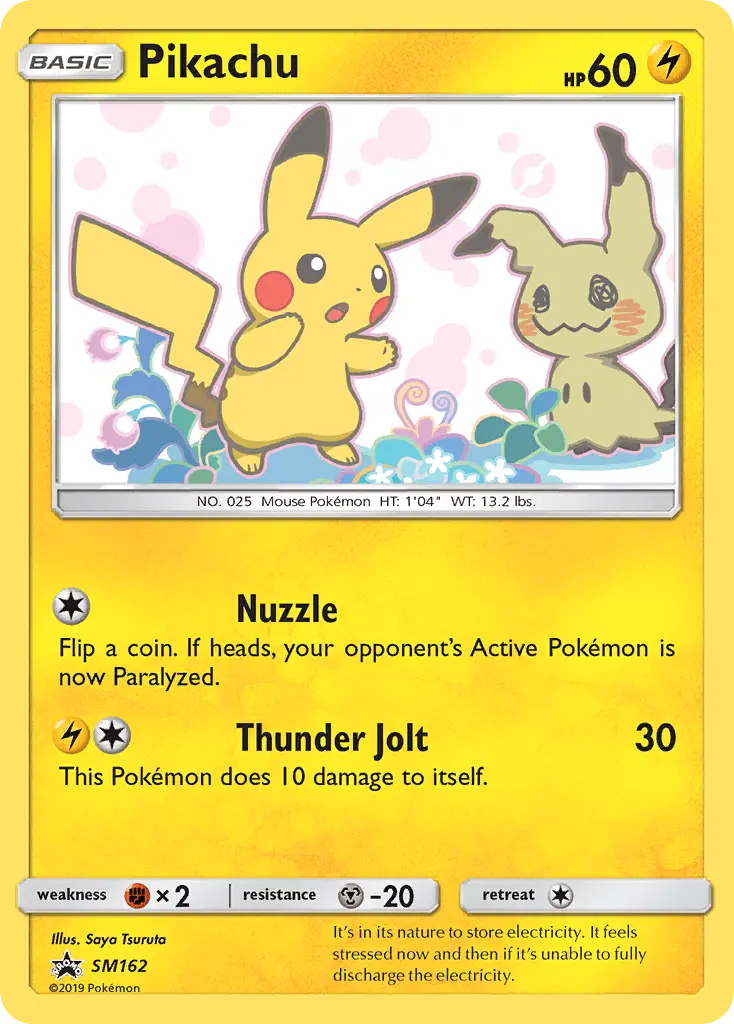
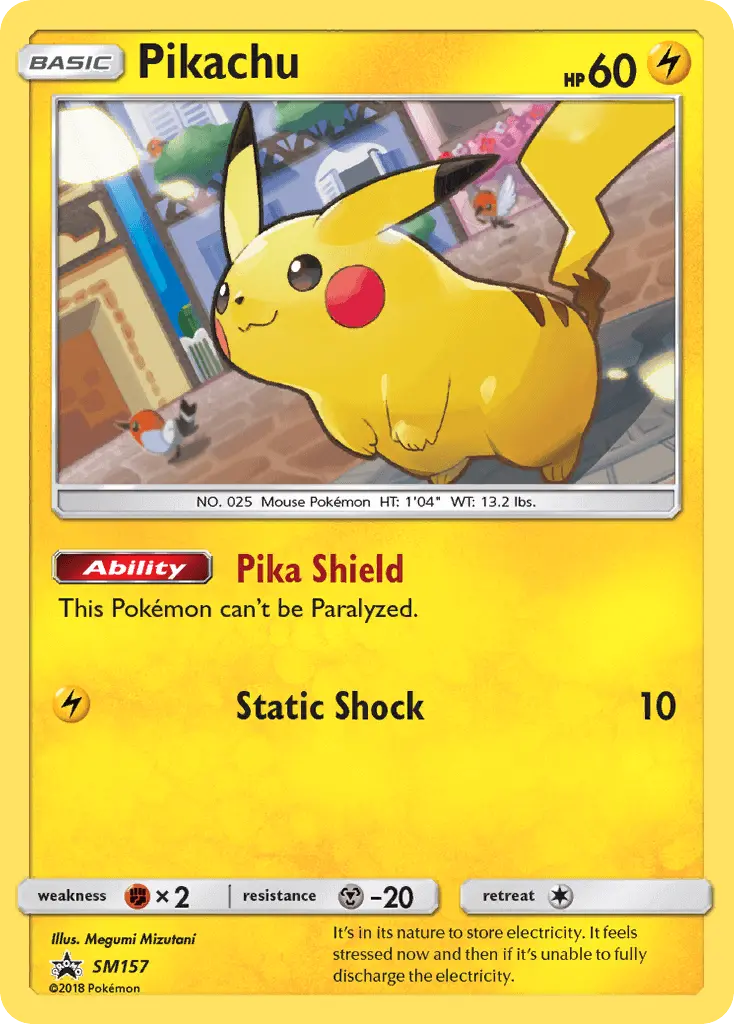
It’s in its nature to store electricity. It feels stressed now and then if it’s unable to fully discharge the electricity.
While sleeping, it generates electricity in the sacs in its cheeks. If it’s not getting enough sleep, it will be able to use only weak electricity.
This forest-dwelling Pokémon stores electricity in its cheeks, so you’ll feel a tingly shock if you touch it.
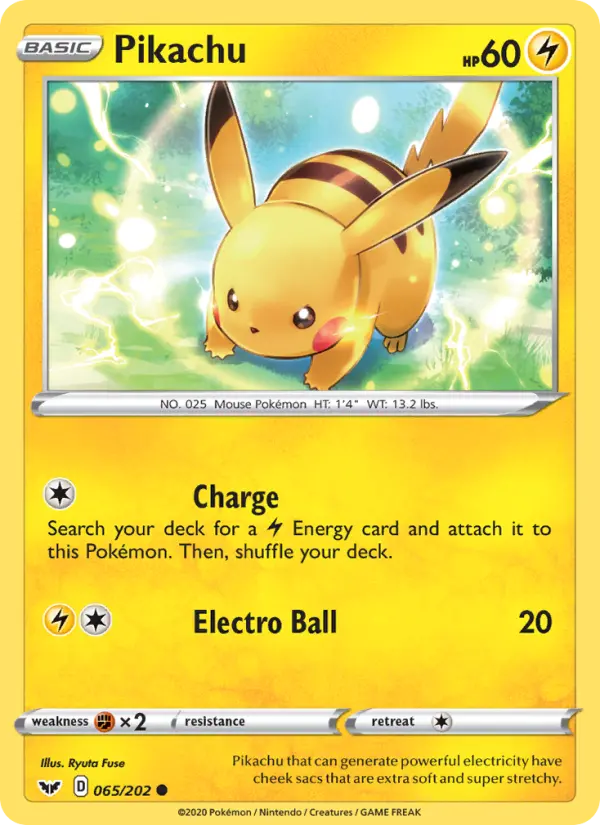
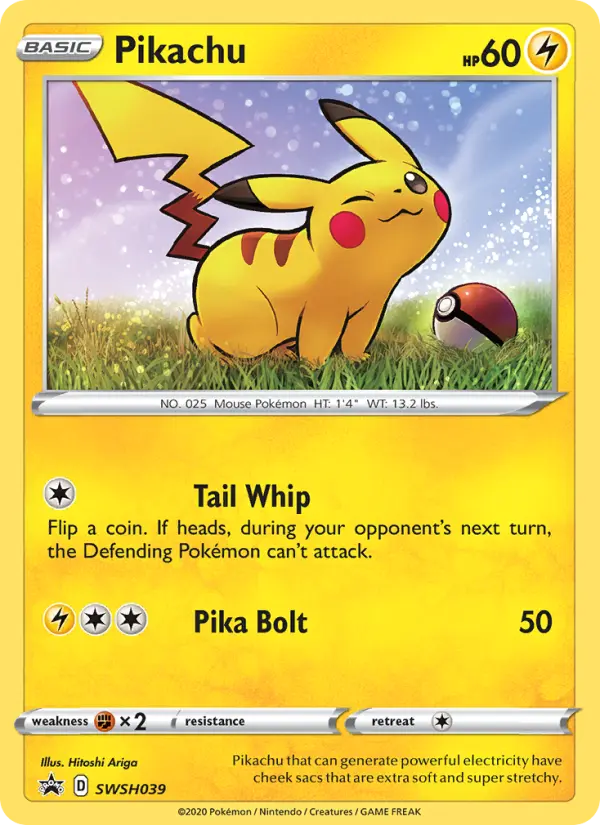
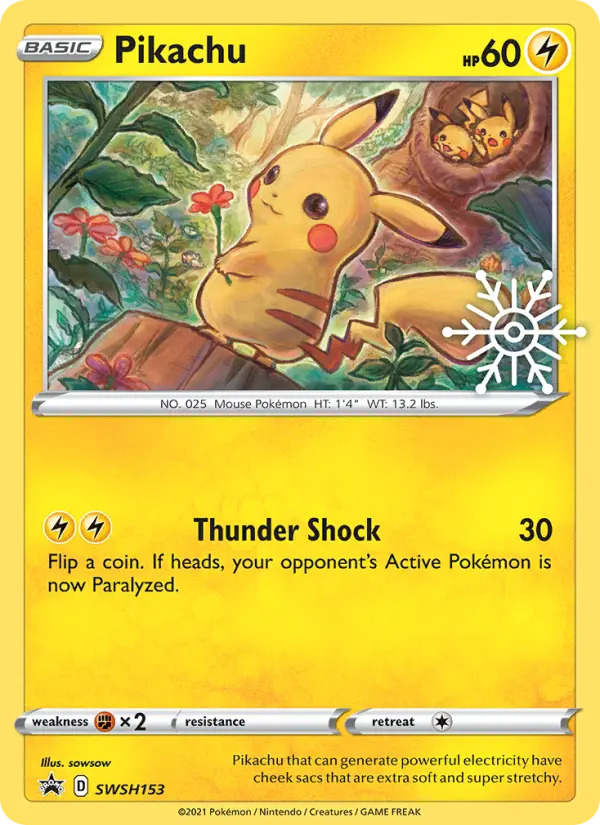
Pikachu that can generate powerful electricity have cheek sacs that are extra soft and super stretchy.
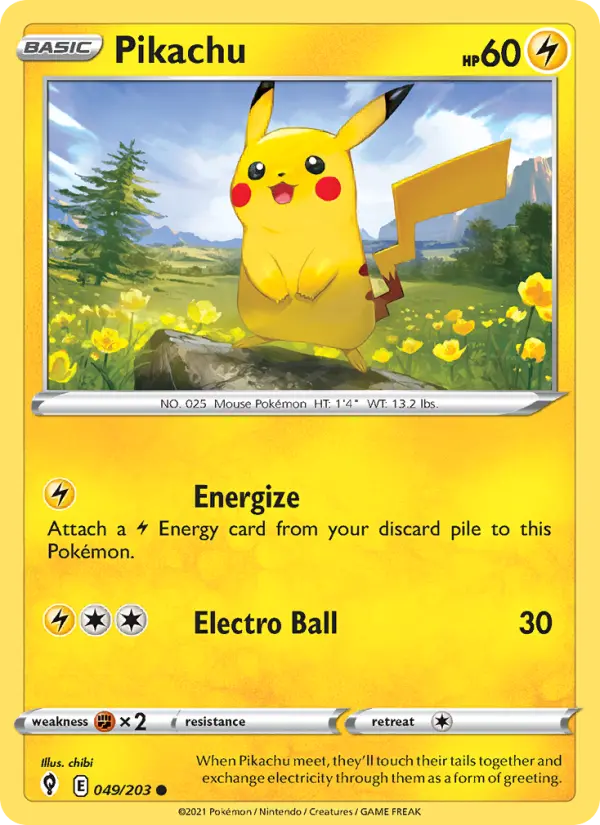
When Pikachu meet, they’ll touch their tails together and exchange electricity through them as a form of greeting.
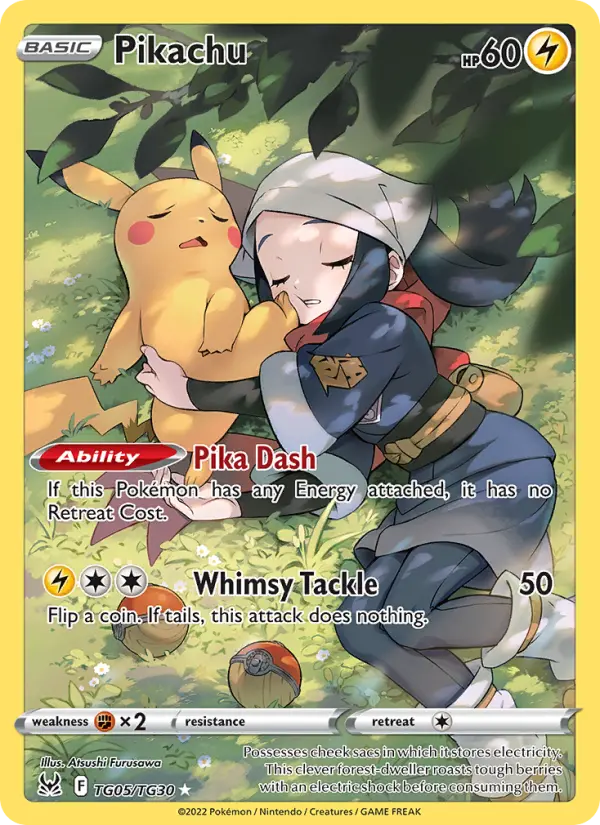
Possesses cheek sacs in which it stores electricity. This clever forest-dweller roasts tough berries with an electric shock before consuming them.
Pikachu Name Origin & Design Inspiration
Pikachu's name comes from two Japanese onomatopoeia: "pika" (ピカ), representing a spark or glint of electricity, and "chu" (チュ), mimicking the sound a mouse makes. This naming convention perfectly encapsulates the species' dual nature as an electric mouse, and the name has remained consistent across virtually all international releases of Pokémon games and media. The design itself reflects classic mouse characteristics—small stature, rounded ears, and a prominent tail—while incorporating distinctly electrical elements such as the red cheek pouches that serve as both identifying features and functional electrical storage organs. Pikachu's yellow coloration serves as instant visual recognition for both trainers and players, making it unmistakable even in silhouette form. The design's simplicity and charm have contributed significantly to its universal appeal, allowing it to function equally well as a cute creature suitable for younger audiences and as a powerful combatant worthy of competitive play. The red and black coloration of its ears and tail tip adds visual balance and depth to an otherwise primarily yellow design, creating a memorable and instantly identifiable silhouette.
Learnable Moves
Pikachu can learn 90 moves:
Move | Type | Cat. | Power | Acc. | PP |
|---|---|---|---|---|---|
| agility | psychic | Status | — | — | 30 |
| attract | normal | Status | — | 100 | 15 |
| bide | normal | Physical | — | — | 10 |
| body slam | normal | Physical | 85 | 100 | 15 |
| brick break | fighting | Physical | 75 | 100 | 15 |
| calm mind | psychic | Status | — | — | 20 |
| charge | electric | Status | — | — | 20 |
| charm | fairy | Status | — | 100 | 20 |
| confide | normal | Status | — | — | 20 |
| counter | fighting | Physical | — | 100 | 20 |
| covet | normal | Physical | 60 | 100 | 25 |
| curse | ghost | Status | — | — | 10 |
| defense curl | normal | Status | — | — | 40 |
| detect | fighting | Status | — | — | 5 |
| dig | ground | Physical | 80 | 100 | 10 |
| discharge | electric | Special | 80 | 100 | 15 |
| double kick | fighting | Physical | 30 | 100 | 30 |
| double team | normal | Status | — | — | 15 |
| double edge | normal | Physical | 120 | 100 | 15 |
| dynamic punch | fighting | Physical | 100 | 50 | 5 |
| echoed voice | normal | Special | 40 | 100 | 15 |
| eerie impulse | electric | Status | — | 100 | 15 |
| electric terrain | electric | Status | — | — | 10 |
| electro ball | electric | Special | — | 100 | 10 |
| encore | normal | Status | — | 100 | 5 |
| endeavor | normal | Physical | — | 100 | 5 |
| endure | normal | Status | — | — | 10 |
| facade | normal | Physical | 70 | 100 | 20 |
| fake tears | dark | Status | — | 100 | 20 |
| feint | normal | Physical | 30 | 100 | 10 |
| flash | normal | Status | — | 100 | 20 |
| fling | dark | Physical | — | 100 | 10 |
| focus punch | fighting | Physical | 150 | 100 | 20 |
| frustration | normal | Physical | — | 100 | 20 |
| growl | normal | Status | — | 100 | 40 |
| headbutt | normal | Physical | 70 | 100 | 15 |
| helping hand | normal | Status | — | — | 20 |
| hidden power | normal | Special | 60 | 100 | 15 |
| iron tail | steel | Physical | 100 | 75 | 15 |
| knock off | dark | Physical | 65 | 100 | 20 |
| light screen | psychic | Status | — | — | 30 |
| magnet rise | electric | Status | — | — | 10 |
| mega kick | normal | Physical | 120 | 75 | 5 |
| mega punch | normal | Physical | 80 | 85 | 20 |
| mimic | normal | Status | — | — | 10 |
| mud slap | ground | Special | 20 | 100 | 10 |
| nasty plot | dark | Status | — | — | 20 |
| natural gift | normal | Physical | — | 100 | 15 |
| nuzzle | electric | Physical | 20 | 100 | 20 |
| pay day | normal | Physical | 40 | 100 | 20 |
| play nice | normal | Status | — | — | 20 |
| protect | normal | Status | — | — | 10 |
| quick attack | normal | Physical | 40 | 100 | 30 |
| rage | normal | Physical | 20 | 100 | 20 |
| rain dance | water | Status | — | — | 5 |
| reflect | psychic | Status | — | — | 20 |
| rest | psychic | Status | — | — | 5 |
| return | normal | Physical | — | 100 | 20 |
| reversal | fighting | Physical | — | 100 | 15 |
| rock smash | fighting | Physical | 40 | 100 | 15 |
| rollout | rock | Physical | 30 | 90 | 20 |
| round | normal | Special | 60 | 100 | 15 |
| secret power | normal | Physical | 70 | 100 | 20 |
| seismic toss | fighting | Physical | — | 100 | 20 |
| shock wave | electric | Special | 60 | — | 20 |
| signal beam | bug | Special | 75 | 100 | 15 |
| skull bash | normal | Physical | 130 | 100 | 10 |
| slam | normal | Physical | 80 | 75 | 20 |
| sleep talk | normal | Status | — | — | 10 |
| snore | normal | Special | 50 | 100 | 15 |
| spark | electric | Physical | 65 | 100 | 20 |
| strength | normal | Physical | 80 | 100 | 15 |
| submission | fighting | Physical | 80 | 80 | 20 |
| substitute | normal | Status | — | — | 10 |
| surf | water | Special | 90 | 100 | 15 |
| swagger | normal | Status | — | 85 | 15 |
| sweet kiss | fairy | Status | — | 75 | 10 |
| swift | normal | Special | 60 | — | 20 |
| tail whip | normal | Status | — | 100 | 30 |
| take down | normal | Physical | 90 | 85 | 20 |
| thief | dark | Physical | 60 | 100 | 25 |
| thunder | electric | Special | 110 | 70 | 10 |
| thunder punch | electric | Physical | 75 | 100 | 15 |
| thunder shock | electric | Special | 40 | 100 | 30 |
| thunder wave | electric | Status | — | 90 | 20 |
| thunderbolt | electric | Special | 90 | 100 | 15 |
| toxic | poison | Status | — | 90 | 10 |
| uproar | normal | Special | 90 | 100 | 10 |
| volt tackle | electric | Physical | 120 | 100 | 15 |
| zap cannon | electric | Special | 120 | 50 | 5 |
Pikachu Competitive Battle Guide
In terms of competitive use, standard Pikachu occupies a niche role rather than a dominant position due to its modest base stat distribution, with only its 90 base Speed standing out as notably above average. Its base Special Attack of 50 and Attack of 55 leave much to be desired for offensive pressure, while defensive stats of 40 Defense and 50 Special Defense offer limited survivability against serious threats. However, Pikachu's access to its hidden ability Lightning Rod provides competitive utility by redirecting single-target Electric-type moves and raising Special Attack by one stage upon absorption, creating opportunities for setup or pivoting strategies. The species' movepool includes reliable Electric-type moves such as Thunderbolt and Thunder, physical options like Wild Charge, and utility moves like Thunder Wave for paralysis support, allowing it to function as a fast utility electric-type rather than a primary offensive threat. Gigantamax Pikachu represents a significant competitive exception, gaining substantially increased bulk and access to G-Max Volt Crash, which hits all adjacent opponents and paralyzes them with perfect accuracy, potentially shifting the competitive landscape within specific formats or rules. Most competitive success with Pikachu relies on surprise value, niche strategies, or format restrictions rather than raw statistical superiority, though its significance as the franchise mascot ensures it receives consistent competitive attention from the playerbase.
Commonly Asked Questions About Pikachu
What type is Pikachu?
Pikachu is a electric type Pokemon.
What does Pikachu evolve into?
Pikachu evolves into raichu.
What are Pikachu's weaknesses?
Pikachu is weak to ground type moves.
Does Pikachu evolve by trading?
No — Pikachu evolves entirely through leveling up, with no trade required at any stage.
Where can I find Pikachu?
Pikachu can be found in power plant (kanto), viridian forest (kanto) and pallet town (kanto) and 12 other locations.
Pikachu Cultural Impact & Franchise History
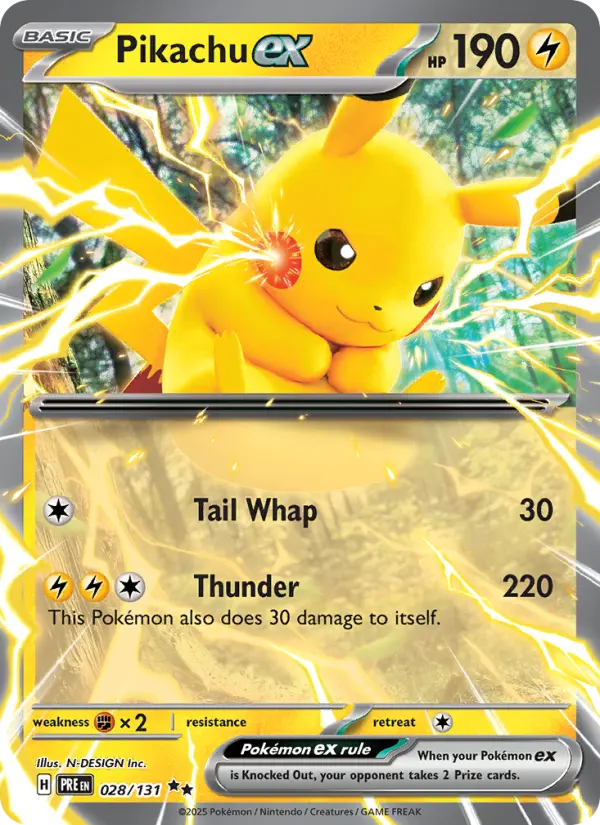
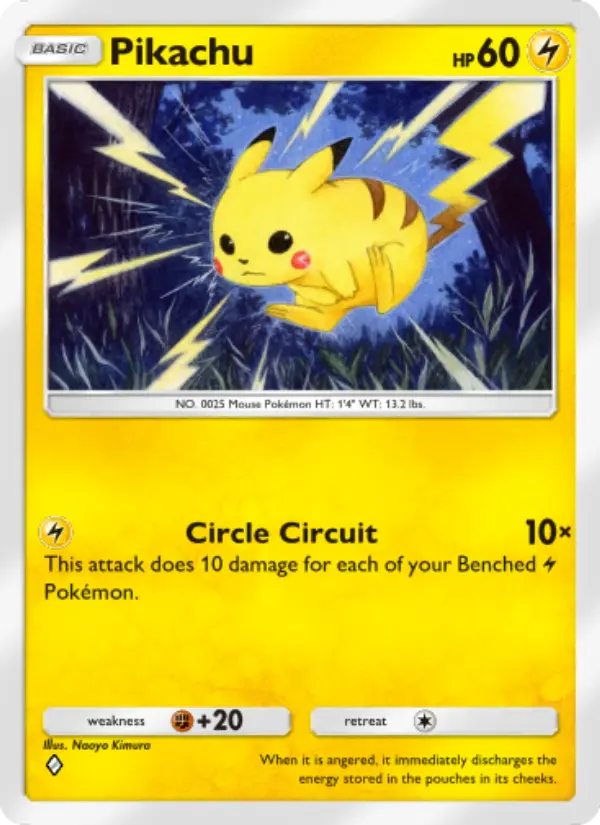
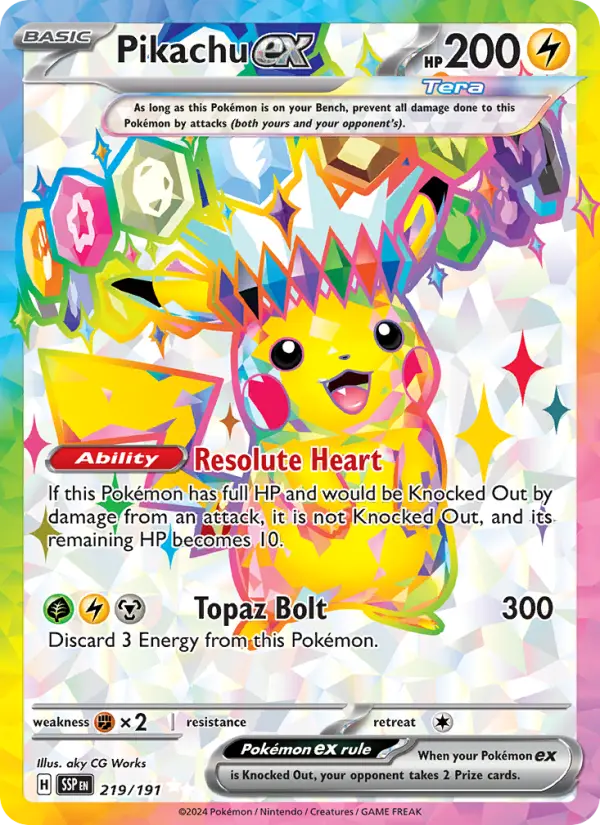
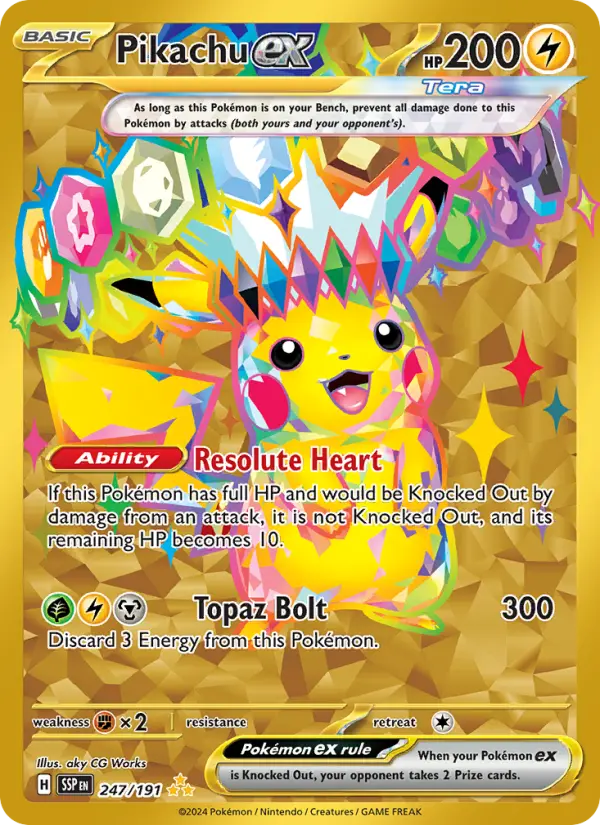
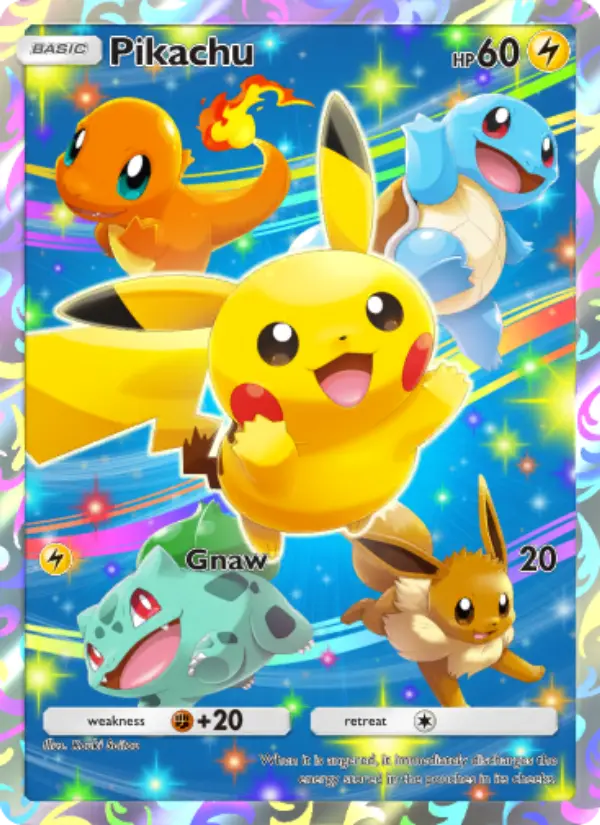
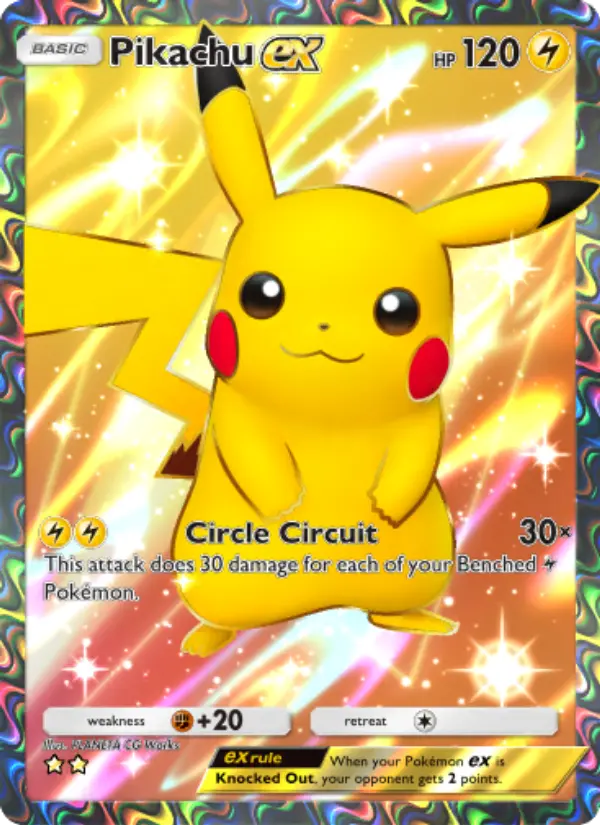
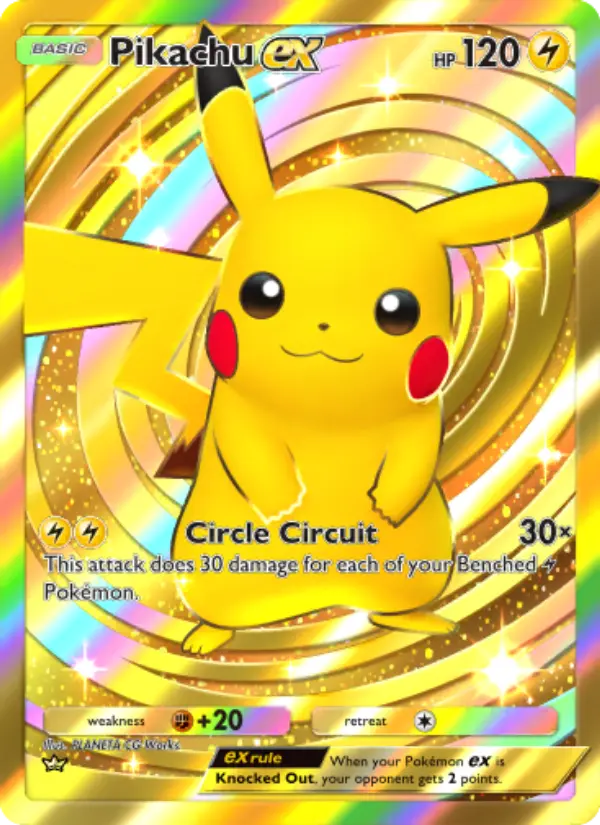
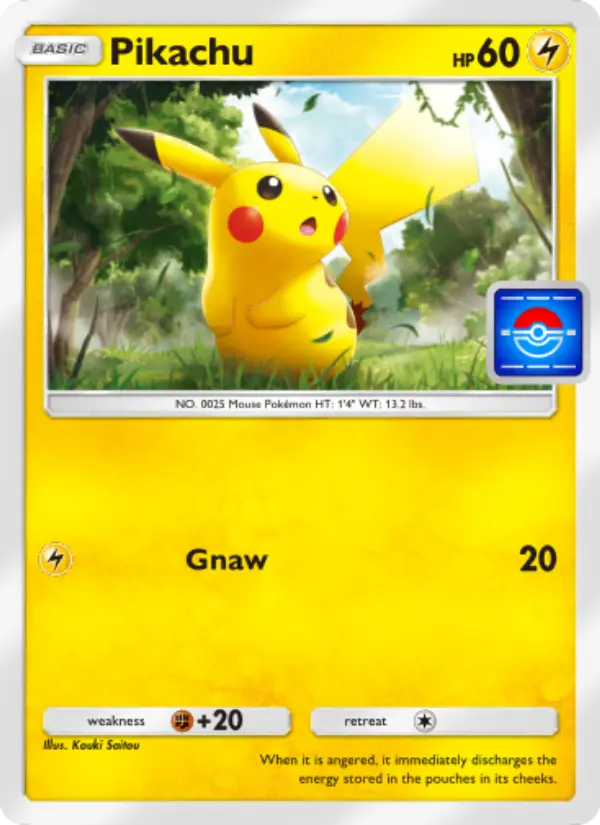
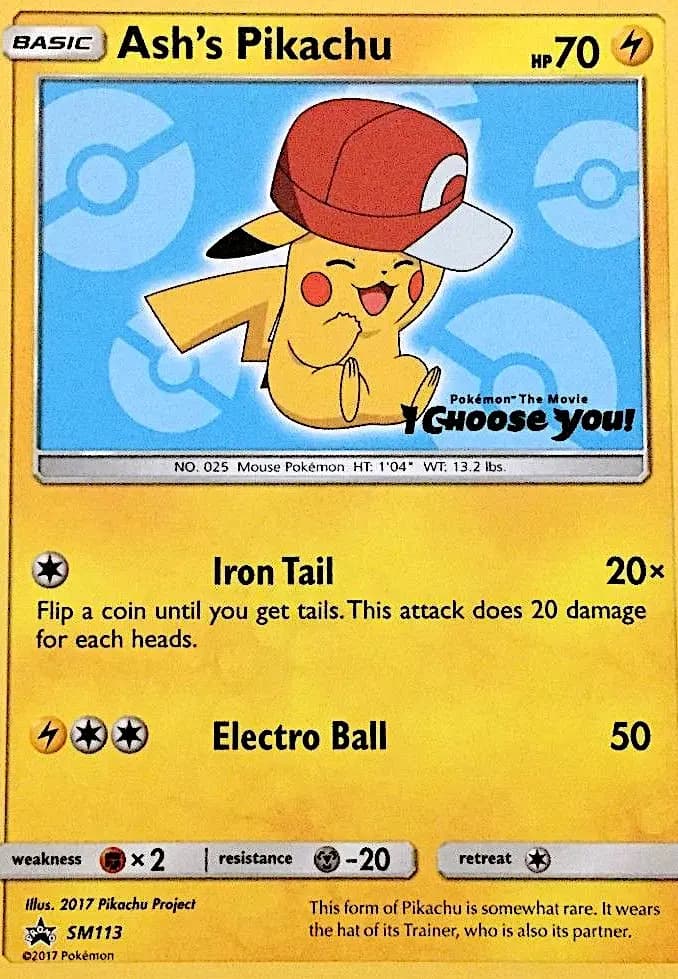
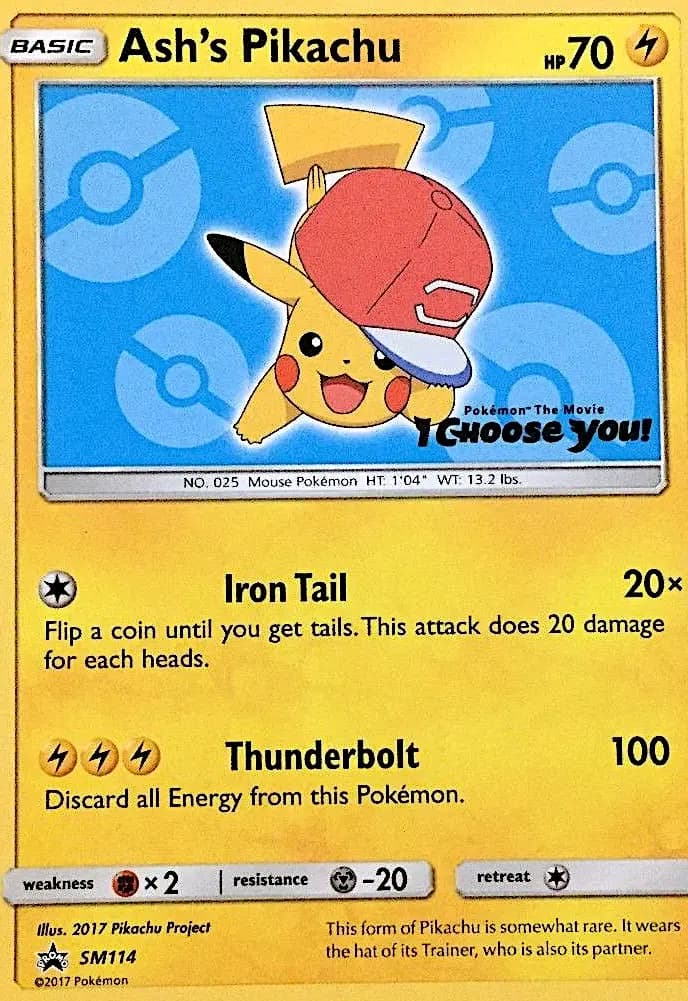
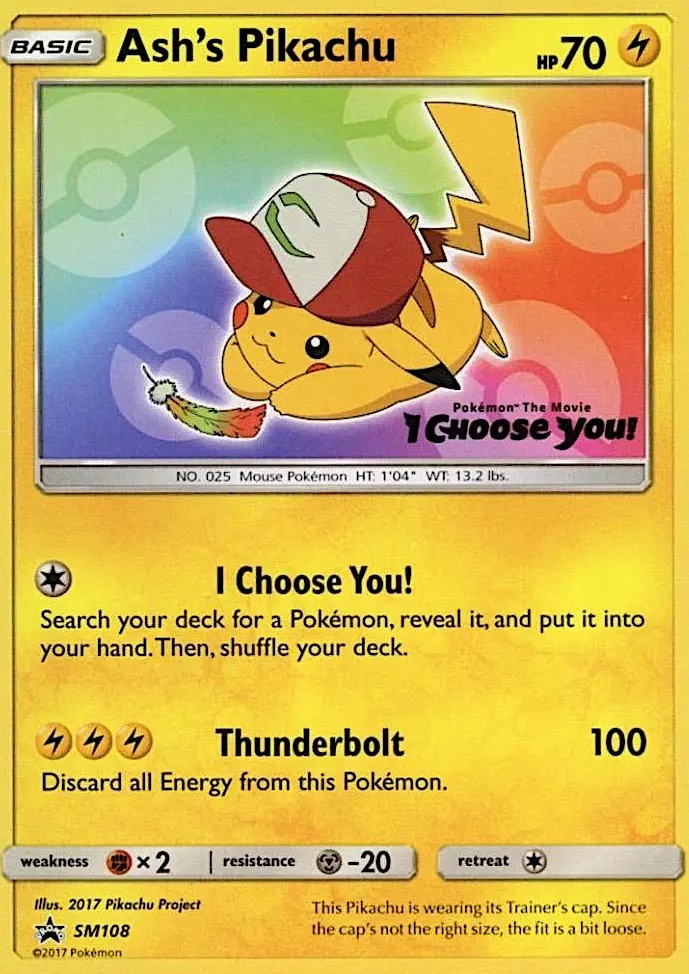
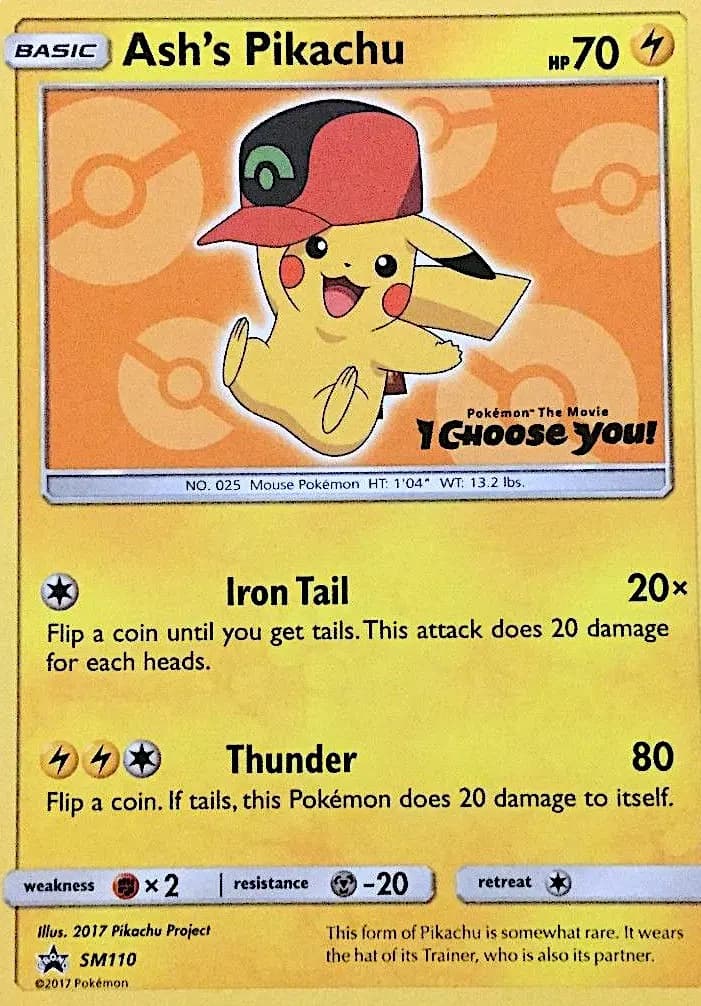
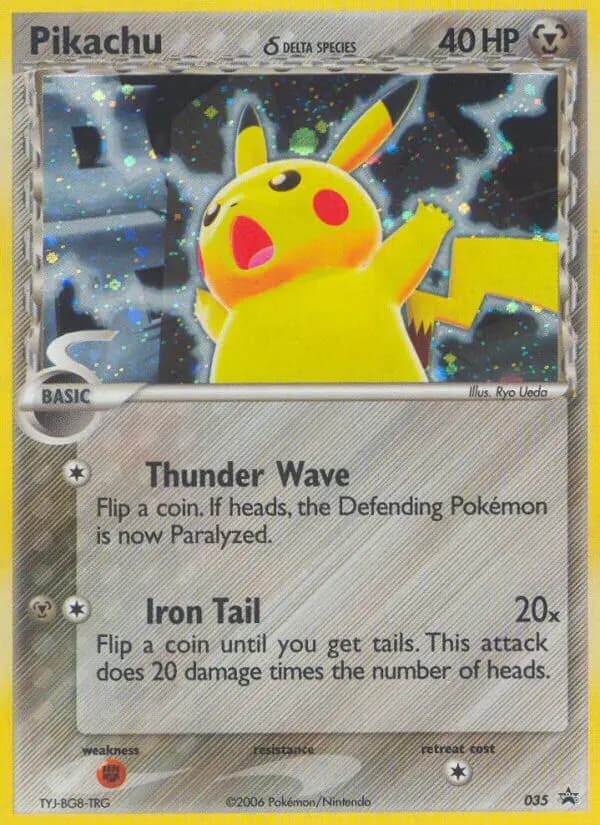
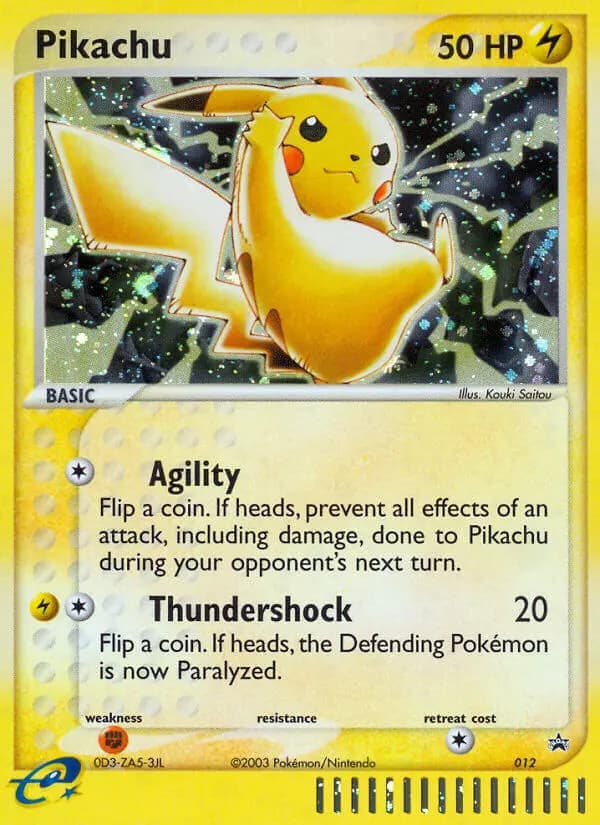
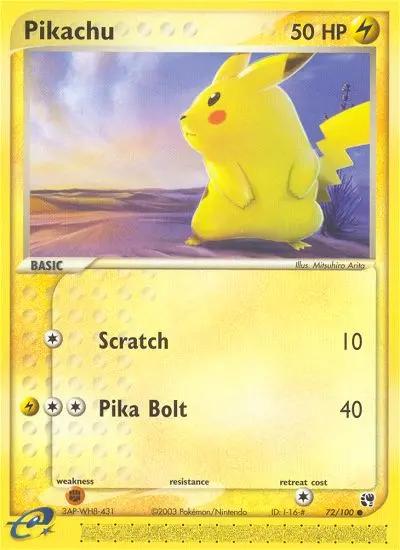
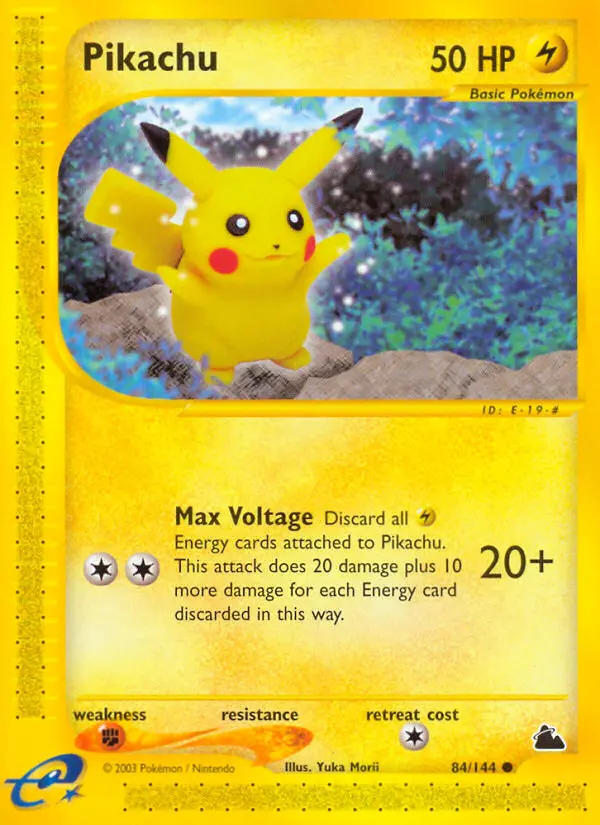
Pikachu stands as the most iconic Pokémon in existence and one of the most recognizable fictional characters globally, serving as the official mascot of the entire Pokémon franchise and a major mascot for Nintendo as a corporation. The species' prominence began immediately upon Pokémon's international release and has only intensified across three decades, with Pikachu featuring on countless game covers, promotional materials, and merchandise ranging from plushies to clothing to home goods. Pikachu serves as the player's starter Pokémon and primary companion in Pokémon: Yellow Version: Special Pikachu Edition and the more recent Let's Go, Pikachu!, cementing its role as the definitive face of the franchise's single-player experience. The anime television series, which premiered in 1997 and continues to this day, centers on protagonist Ash Ketchum's iconic Pikachu, which refuses to evolve into Raichu despite opportunities to do so, reinforcing Pikachu's identity as the franchise's representative. Cultural impact extends far beyond gaming, with Pikachu appearing in films, trading card games, theme park attractions, and as a cultural ambassador for Japan's Pokémon Company, making it arguably more famous than many traditional mascot characters with decades of established presence. The species has transcended its role as a mere game character to become a symbol of the Pokémon brand itself, recognized by individuals who have never played the games or watched the anime.
Where to Find Pikachu in Every Pokémon Game
Pikachu's availability throughout the Pokémon series is extensive and varied, appearing in nearly every core generation game with different local Pokédex numbers reflecting its regional distribution. In the original Red, Blue, and Yellow versions, Pikachu occupies Pokédex number 025, while subsequent games assign it different local numbers reflecting its regional availability—number 0022 in Gold/Silver/Crystal, 0156 in Ruby/Sapphire/Emerald, 0036 in X/Y's Central Kalos, and various other designations across subsequent generations. Let's Go Pikachu and Let's Go Eevee feature Pikachu prominently as the starter Pokémon for players choosing that version, with the player's partner Pikachu possessing a unique form that cannot evolve. Pikachu appears as a wild encounter in numerous routes and areas across multiple regions, with a catch rate of 190 providing reasonable ease of capture, and special event distributions have provided numerous Pikachu variants wearing different regional caps or possessing unique characteristics. Sword and Shield feature Pikachu in the Wild Area and as a Gigantamax encounter available during specific events, while more recent generations like Scarlet and Violet continue to include standard Pikachu availability. The species' ubiquity ensures that trainers can acquire Pikachu relatively easily in most games, often within the first quarter of gameplay, making it accessible to both casual and competitive players throughout the franchise's history.