
Starter Pikachu
Generation I · #10158 — Mouse Pokémon
Weighing 6 kg and standing 0.4 m, Pikachu-Starter carries its electric typing into battle with a stat spread that leans hardest into HP. The starter form of Pikachu has captured the hearts of trainers worldwide since Generation I, becoming intrinsically linked with the Pokémon brand itself and transcending the boundaries of video games into global popular culture.
Editor's Take
The Let's Go partner Pikachu cannot evolve and gets exclusive coverage moves across four types, which is Game Freak solving the same problem as the partner Eevee — how to make a mascot playable without letting it be good.
Base Stats
Height
0.4m
Weight
6.0kg
Category
Mouse Pokémon
Gender
Male 50% / Female 50%
Color
yellow
Shape
quadruped
Habitat
forest
Abilities
Has a 30% chance of paralyzing attacking Pokémon on contact.
Redirects single-target electric moves to this Pokémon where possible. Absorbs Electric moves, raising Special Attack one stage.

Starter Pikachu Biology & Physical Characteristics
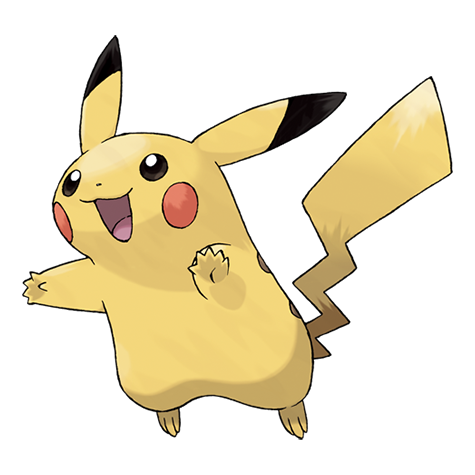
Pikachu's physiology is distinctly rodent-like, featuring a compact yellow body with black-tipped ears and a lightning bolt-shaped tail that serves multiple functions beyond mere aesthetics. Standing at just 0.4 meters tall and weighing 6.0 kilograms, this petite creature belies its formidable electrical prowess through its most distinctive feature: the red pouches embedded in its cheeks. According to Pokédex entries, these pouches store tremendous amounts of electrical energy that charges during sleep, occasionally causing accidental discharges when Pikachu awakens in a drowsy state. The starter form exhibits significantly enhanced statistics compared to its pre-evolved form Pichu, particularly in Attack (80 versus 55), Special Attack (75 versus 50), and most dramatically in Speed (120 versus 90), reflecting the dramatic physical development that occurs during evolution. Its striped tail, which Pikachu raises constantly to monitor its surroundings, occasionally attracts lightning strikes—a hazardous consequence of its electrical nature that trainers must carefully manage.
Pokedex Numbers
Training
Breeding
Starter Pikachu Breeding, Gender Ratio & Egg Groups
Pikachu exhibits a perfectly balanced gender distribution, with exactly 50% of wild and bred specimens being male and 50% female, allowing trainers equal opportunity to raise either gender without inherent disadvantage. The species belongs to both the Ground and Fairy egg groups, an unusual combination that reflects Pikachu's status as a terrestrial creature with mystical electrical properties that align with fairy-type aesthetics. With a base happiness value of 70 and requiring 10 egg cycles to hatch from an egg (equivalent to approximately 2,314 to 2,570 steps), Pikachu eggs demonstrate moderate incubation requirements compared to other Pokémon species. The moderate growth rate means that Pikachu develops at a steady, predictable pace without requiring excessive grinding or level-training marathons. These breeding characteristics make Pikachu an accessible option for players seeking to raise offspring through the breeding system, though the requirement for high friendship evolution from Pichu adds a layer of bonding depth to the experience.
Sprites


TMs & HMs
tm01
lets go pikachu lets go eevee
tm02
crystal
tm02
gold silver
tm02
sword shield
tm03
lets go pikachu lets go eevee
tm04
emerald
tm04
firered leafgreen
tm04
ruby sapphire
tm04
diamond pearl
tm04
xd
tm04
heartgold soulsilver
tm04
black white
tm04
colosseum
tm04
platinum
tm04
sun moon
tm04
ultra sun ultra moon
tm04
x y
tm04
omega ruby alpha sapphire
tm04
black 2 white 2
tm05
sword shield
+298 more TMs/HMs
Regional & Special Forms
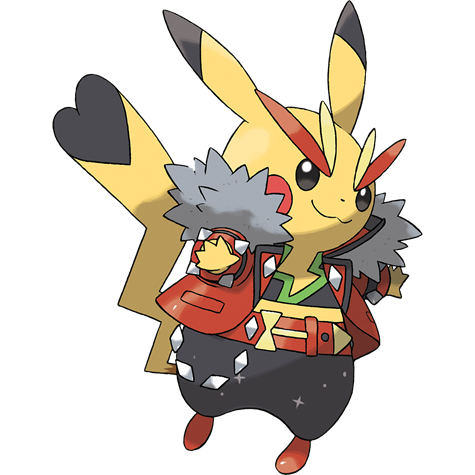
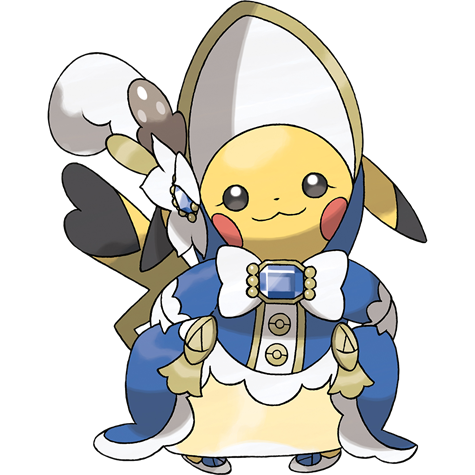
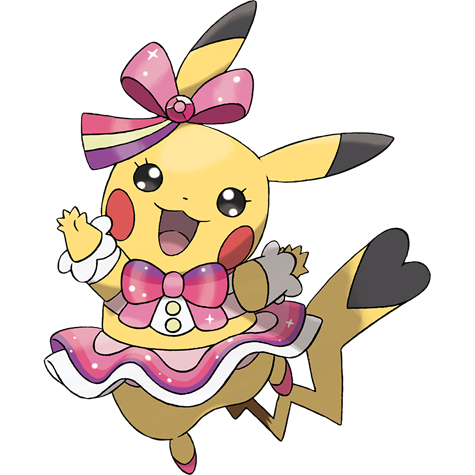
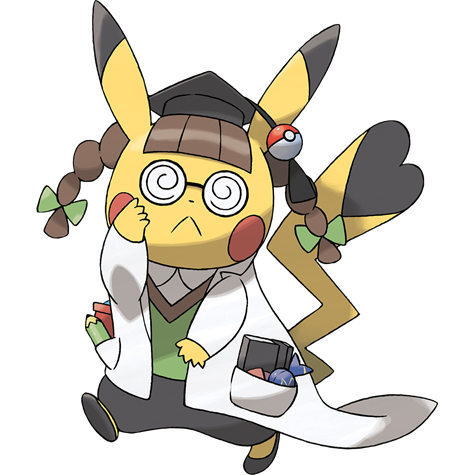
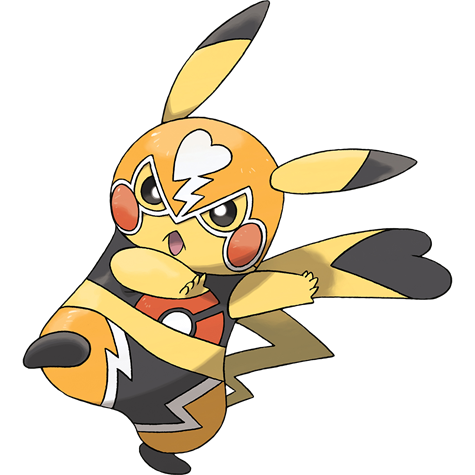
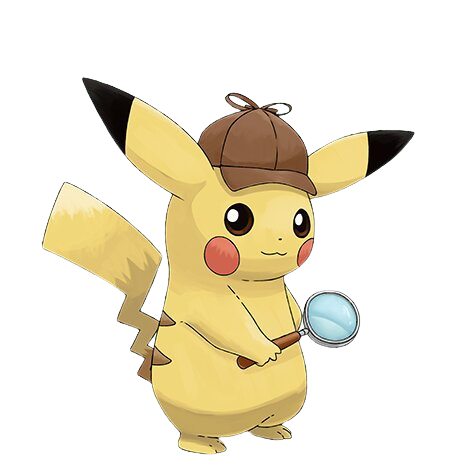
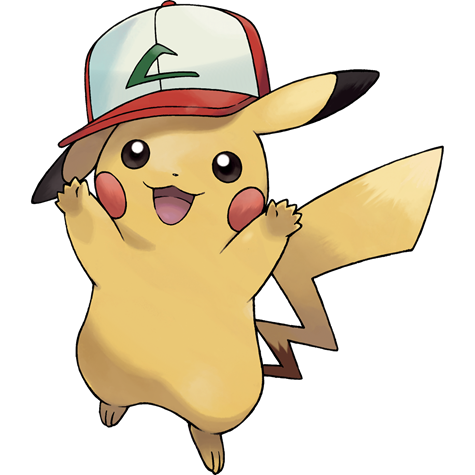
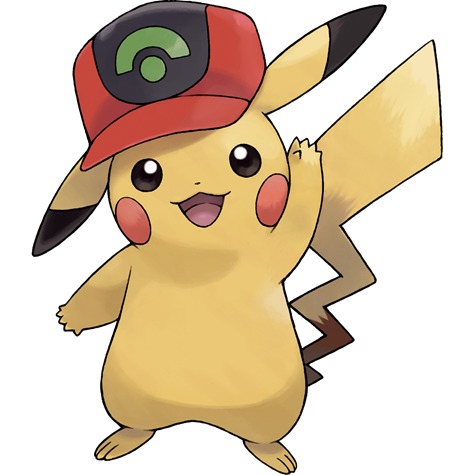
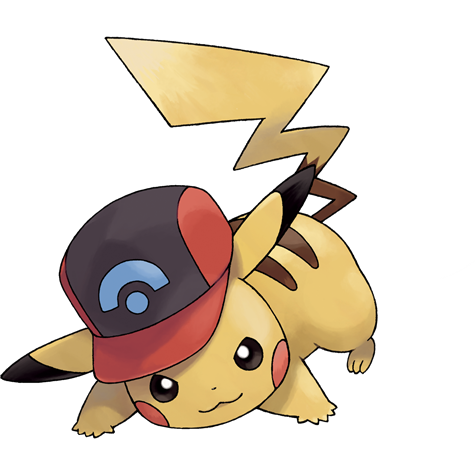
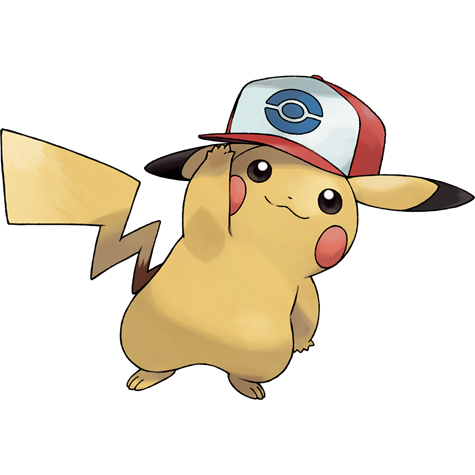
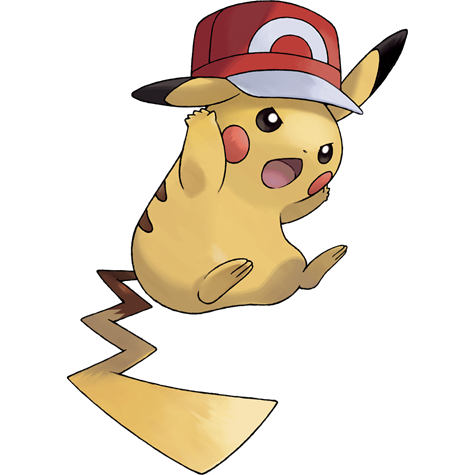
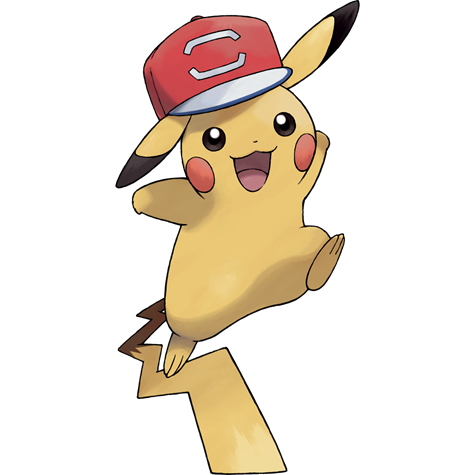
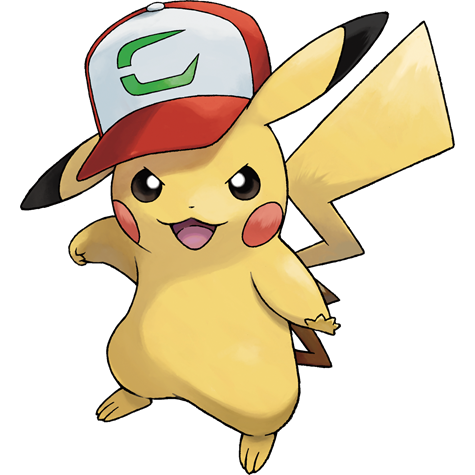
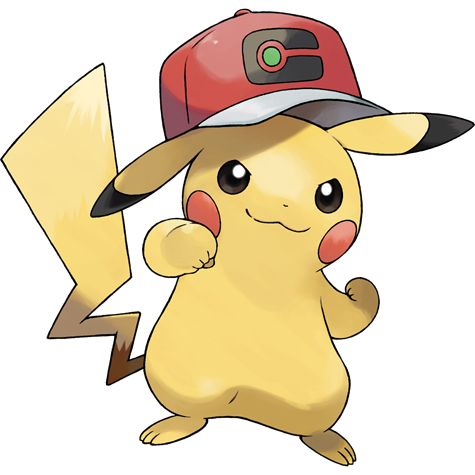
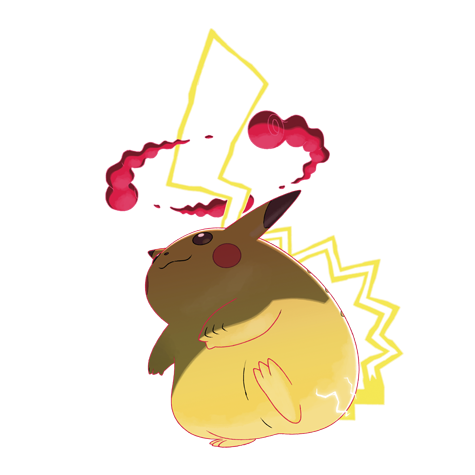
Starter Pikachu also has 16 related forms: Pikachu, Rock Star Pikachu, Belle Pikachu, Pop Star Pikachu, Phd Pikachu, Libre Pikachu, Cosplay Pikachu, Original Cap Pikachu, Hoenn Cap Pikachu, Sinnoh Cap Pikachu, Unova Cap Pikachu, Kalos Cap Pikachu, Alolan Cap Pikachu, Partner Cap Pikachu, World Cap Pikachu and Gigantamax Pikachu.
Gender Differences
This Pokémon has visible differences between male and female forms.
Starter Pikachu's Evolution Chain


Starter Pikachu Evolution, Mega Evolution & Special Forms
Pikachu occupies a vital position within its evolutionary lineage, serving as the bridge between the baby form Pichu and the powerful final form Raichu. Evolution from Pichu into Pikachu occurs upon reaching high friendship with its trainer, rewarding bonds of affection with tangible stat improvements across the board. The progression from Pikachu to Raichu requires exposure to a Thunder Stone, a standard evolutionary method that triggers a dramatic transformation into a larger, more aggressive Electric-type powerhouse. In the Alola region, the evolutionary path diverges uniquely; Pikachu exposed to a Thunder Stone in Alola evolves into Alolan Raichu, a dual Electric and Water-type variant that reflects the tropical island environment's influence on Pokémon development. Additionally, Pikachu possesses the ability to Gigantamax under specific conditions, achieving a colossal form that towers at over 21 meters and gains access to the exclusive G-Max Volt Crash move, demonstrating that this deceptively humble creature can reach truly legendary proportions in the right circumstances.
Where to Find
Location data not available for this Pokémon in the database.
Starter Pikachu Behaviour and Natural Habitat
Pikachu demonstrates remarkable intelligence and awareness, constantly vigilant about its environment by maintaining its tail in an elevated position. This behavior is more than mere habit; the tail functions as a sensory organ that allows Pikachu to detect approaching threats and changes in atmospheric conditions. When angered or startled, Pikachu immediately discharges the electrical energy accumulated in its cheek pouches, a defense mechanism that can prove dangerous to unsuspecting trainers who handle the Pokémon roughly. The Pokédex reveals that Pikachu's curious nature drives it to investigate novel objects by striking them with jolts of electricity, a behavior that has led to numerous accidentally blackened berries throughout its natural habitats. When multiple Pikachu gather in proximity to one another, their combined electrical outputs can accumulate into dangerous lightning storms, suggesting both a social structure and a need for careful spatial management in group settings. Interestingly, Pikachu possesses surprising culinary sophistication, utilizing its electrical powers to roast hard berries until they reach the perfect tenderness for consumption.
Pokedex Entries
When several of these POKéMON gather, their electricity could build and cause lightning storms.
It keeps its tail raised to monitor its surroundings. If you yank its tail, it will try to bite you.
This intelligent POKéMON roasts hard BERRIES with electricity to make them tender enough to eat.
It raises its tail to check its sur roundings. The tail is sometimes struck by light ning in this pose.
When it is anger ed, it immediately discharges the energy stored in the pouches in its cheeks.
Whenever PIKACHU comes across something new, it blasts it with a jolt of electricity. If you come across a blackened berry, it’s evidence that this POKéMON mistook the intensity of its charge.
This POKéMON has electricity-storing pouches on its cheeks. These appear to become electrically charged during the night while PIKACHU sleeps. It occasionally discharges electricity when it is dozy after waking up.
It stores electricity in the electric sacs on its cheeks. When it releases pent-up energy in a burst, the electric power is equal to a lightning bolt.
It has small electric sacs on both its cheeks. If threatened, it looses electric charges from the sacs.
When several of these POKéMON gather, their electricity can build and cause lightning storms.
It lives in forests with others. It stores electricity in the pouches on its cheeks.
If it looses crackling power from the electric pouches on its cheeks, it is being wary.
It occasionally uses an electric shock to recharge a fellow PIKACHU that is in a weakened state.
This intelligent Pokémon roasts hard berries with electricity to make them tender enough to eat.
It raises its tail to check its surroundings. The tail is sometimes struck by lightning in this pose.
It occasionally uses an electric shock to recharge a fellow Pikachu that is in a weakened state.
It occasionally uses an electric shock to recharge a fellow Pikachu that is in a weakened state.
It raises its tail to check its surroundings. The tail is sometimes struck by lightning in this pose.
It has small electric sacs on both its cheeks. If threatened, it looses electric charges from the sacs.
Whenever Pikachu comes across something new, it blasts it with a jolt of electricity. If you come across a blackened berry, it’s evidence that this Pokémon mistook the intensity of its charge.
This Pokémon has electricity-storing pouches on its cheeks. These appear to become electrically charged during the night while Pikachu sleeps. It occasionally discharges electricity when it is dozy after waking up.
A plan was recently announced to gather many Pikachu and make an electric power plant.
Its nature is to store up electricity. Forests where nests of Pikachu live are dangerous, since the trees are so often struck by lightning.
It’s in its nature to store electricity. It feels stressed now and then if it’s unable to fully discharge the electricity.
While sleeping, it generates electricity in the sacs in its cheeks. If it’s not getting enough sleep, it will be able to use only weak electricity.
This forest-dwelling Pokémon stores electricity in its cheeks, so you’ll feel a tingly shock if you touch it.
Pikachu that can generate powerful electricity have cheek sacs that are extra soft and super stretchy.
When Pikachu meet, they’ll touch their tails together and exchange electricity through them as a form of greeting.
Possesses cheek sacs in which it stores electricity. This clever forest-dweller roasts tough berries with an electric shock before consuming them.
Starter Pikachu Name Origin & Design Inspiration
The name 'Pikachu' derives from onomatopoeia present in Japanese popular culture, combining 'pika' (the sound of an electrical spark) with 'chu' (the sound a mouse makes), perfectly encapsulating both its species classification and electrical nature in a single melodious name. The design philosophy centers on creating an immediately appealing yet electrically potent creature, with the iconic red cheek pouches serving as both a visual signature and a logical conduit for electrical energy storage. Pikachu's yellow coloration creates exceptional visibility and brand recognition, making the Pokémon instantly identifiable even to individuals unfamiliar with the franchise. The black stripes running down its back and the characteristic zigzag tail contribute to an overall aesthetic that suggests both the playful nature of a small rodent and the dangerous power of lightning itself. The design successfully balances cuteness with competence, featuring rounded proportions and an endearing expression while simultaneously maintaining visual cues—particularly the sharp ears and aggressive tail—that hint at its electrical capabilities and combat readiness.
Learnable Moves
Starter Pikachu can learn 30 moves:
Move | Type | Cat. | Power | Acc. | PP |
|---|---|---|---|---|---|
| agility | psychic | Status | — | — | 30 |
| brick break | fighting | Physical | 75 | 100 | 15 |
| calm mind | psychic | Status | — | — | 20 |
| dig | ground | Physical | 80 | 100 | 10 |
| double kick | fighting | Physical | 30 | 100 | 30 |
| double team | normal | Status | — | — | 15 |
| facade | normal | Physical | 70 | 100 | 20 |
| floaty fall | flying | Physical | 90 | 95 | 15 |
| growl | normal | Status | — | 100 | 40 |
| headbutt | normal | Physical | 70 | 100 | 15 |
| helping hand | normal | Status | — | — | 20 |
| iron tail | steel | Physical | 100 | 75 | 15 |
| light screen | psychic | Status | — | — | 30 |
| pay day | normal | Physical | 40 | 100 | 20 |
| protect | normal | Status | — | — | 10 |
| quick attack | normal | Physical | 40 | 100 | 30 |
| reflect | psychic | Status | — | — | 20 |
| rest | psychic | Status | — | — | 5 |
| seismic toss | fighting | Physical | — | 100 | 20 |
| slam | normal | Physical | 80 | 75 | 20 |
| splishy splash | water | Special | 90 | 100 | 15 |
| substitute | normal | Status | — | — | 10 |
| tail whip | normal | Status | — | 100 | 30 |
| thunder | electric | Special | 110 | 70 | 10 |
| thunder punch | electric | Physical | 75 | 100 | 15 |
| thunder shock | electric | Special | 40 | 100 | 30 |
| thunder wave | electric | Status | — | 90 | 20 |
| thunderbolt | electric | Special | 90 | 100 | 15 |
| toxic | poison | Status | — | 90 | 10 |
| zippy zap | electric | Physical | 80 | 100 | 10 |
Starter Pikachu Competitive Battle Guide
In tournament-level play, Pikachu occupies a surprisingly viable niche despite its modest cumulative stat total of 430, primarily due to its exceptional Speed tier of 120 and respectable Special Attack of 75. The starter form's Static ability provides tactical flexibility through its 30% chance of paralyzing attacking Pokémon on contact, potentially crippling faster physical threats or defensive walls that rely on speed. Alternatively, the hidden ability Lightning Rod transforms Pikachu into an excellent Electric-type switch-in, redirecting single-target Electric moves while simultaneously raising Special Attack by one stage—a mechanic that can rapidly escalate Pikachu's offensive pressure in extended battles. Pikachu's movepool includes critical moves like Thunderbolt, Thunder Wave, Focus Blast, and Hidden Power, granting reasonable coverage against common threats in its respective competitive tier. While generally overshadowed by its evolution Raichu or specialized Electric-types like Jolteon, Pikachu remains a legitimate choice in lower-tier competitive formats and stands as a sentimental favorite in casual battling circles. The Gigantamax form provides a significant power spike with access to G-Max Volt Crash, offering trainers willing to invest in Gigantamax mechanics a path to competitive viability.
Commonly Asked Questions About Starter Pikachu
What type is Starter Pikachu?
Starter Pikachu is a electric type Pokemon.
What does Starter Pikachu evolve into?
Starter Pikachu does not evolve into any other Pokemon. It is the final form in its evolution line.
What are Starter Pikachu's weaknesses?
Starter Pikachu is weak to ground type moves.
Starter Pikachu Cultural Impact & Franchise History
Pikachu transcends its status as a mere video game creature to become one of the most recognizable characters in global entertainment, rivaling even major Nintendo properties in cultural penetration. The Pokémon serves as the franchise mascot and the official face of the Pokémon Company, appearing on countless merchandise items ranging from plushies and clothing to household appliances and transportation vehicles. In the Pokémon animated series, Pikachu's relationship with protagonist Ash Ketchum forms the emotional core of the show, with the reluctant electric mouse gradually becoming Ash's most loyal and powerful companion—a narrative arc that resonated with audiences worldwide and established Pikachu as a symbol of friendship and perseverance. The character has achieved such cultural saturation that Pikachu appears in Super Smash Bros. games, numerous spin-off titles, and even mainstream media collaborations that extend far beyond traditional gaming audiences. Pikachu's appearance as the star of the 'Let's Go Pikachu!' game reinforced its position as the franchise's primary ambassador, while its recent prominence in the Detective Pikachu multimedia project demonstrates sustained commercial and creative interest in this iconic species across multiple entertainment mediums.
Where to Find Starter Pikachu in Every Pokémon Game
Pikachu's availability varies significantly across the extensive catalog of Pokémon games, reflecting its central importance to the franchise while ensuring that trainers can reliably obtain this essential Electric-type in most core series titles. In the original Red, Blue, and Yellow versions, Pikachu appears in Viridian Forest as a relatively common encounter, with the starter Pikachu in Yellow Version maintaining special significance as the player's initial companion. Throughout subsequent generations, Pikachu maintains consistent availability across regions including Johto, Hoenn, Sinnoh, Unova, Kalos, Alola, and beyond, with specific encounter locations varying by generation and version. Let's Go Pikachu serves as the definitive modern experience for players seeking to begin their journey with this iconic Pokémon, featuring enhanced graphics and mechanics tailored specifically around Pikachu partnership. The Pokédex entries list numerous regional Pokédex numbers reflecting Pikachu's distributed presence: #025 in Kanto and multiple remakes, #0022 in Johto, #0156 in Hoenn, #0104 in Sinnoh, and various other designations in subsequent regions. Special distributions and events, particularly the various Pikachu in a cap forms commemorating different regions and the Partner Cap Pikachu, have expanded the ways players can encounter this beloved species, ensuring that Pikachu remains accessible to trainers across all experience levels and game versions.