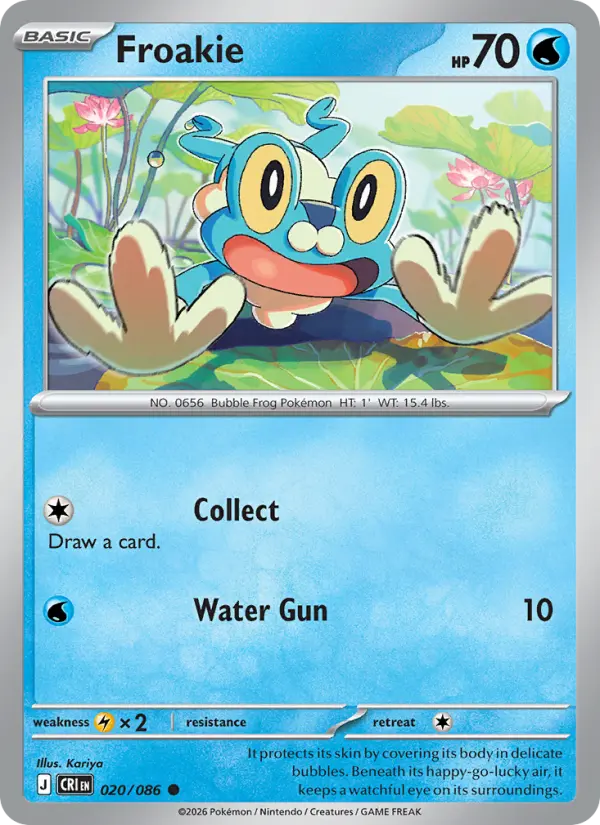
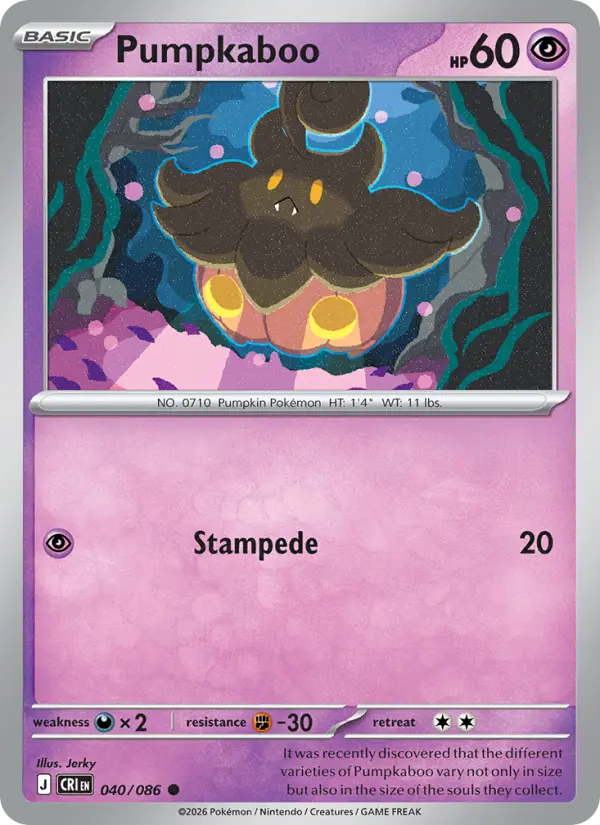
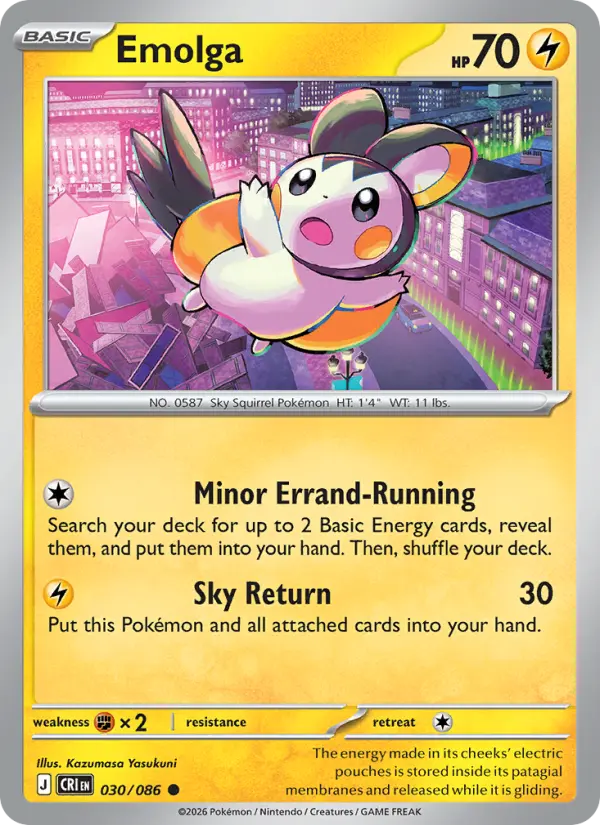
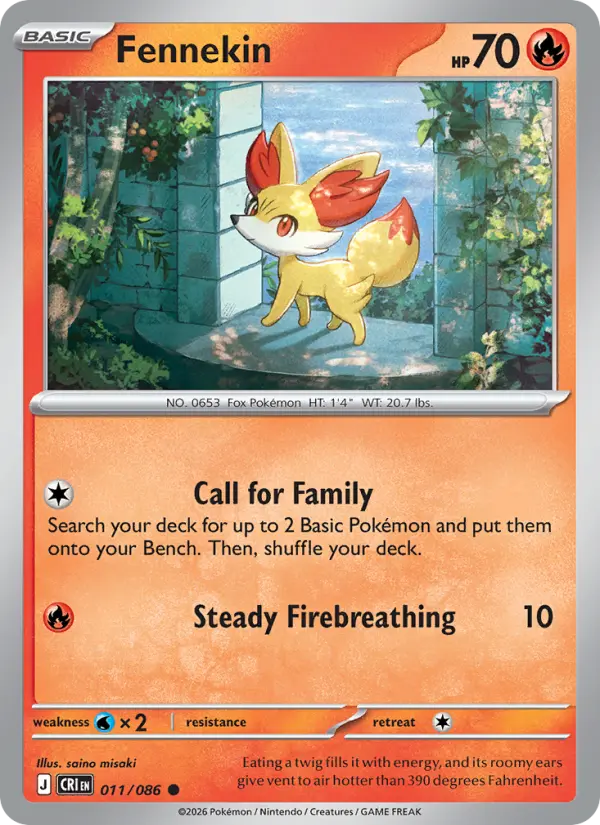
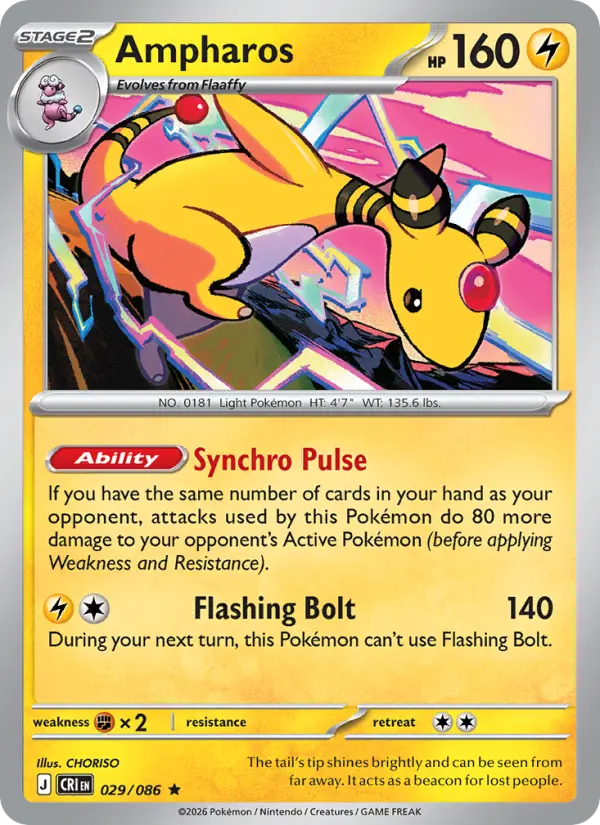
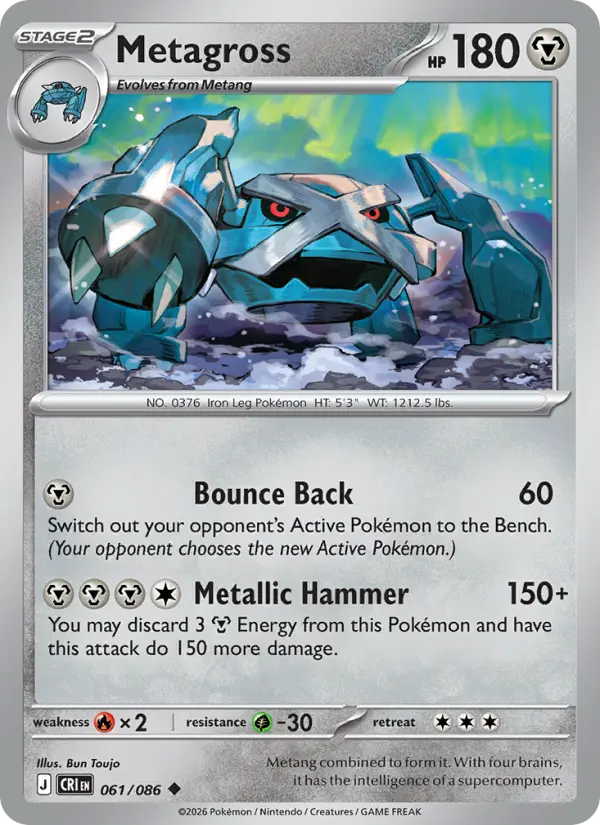
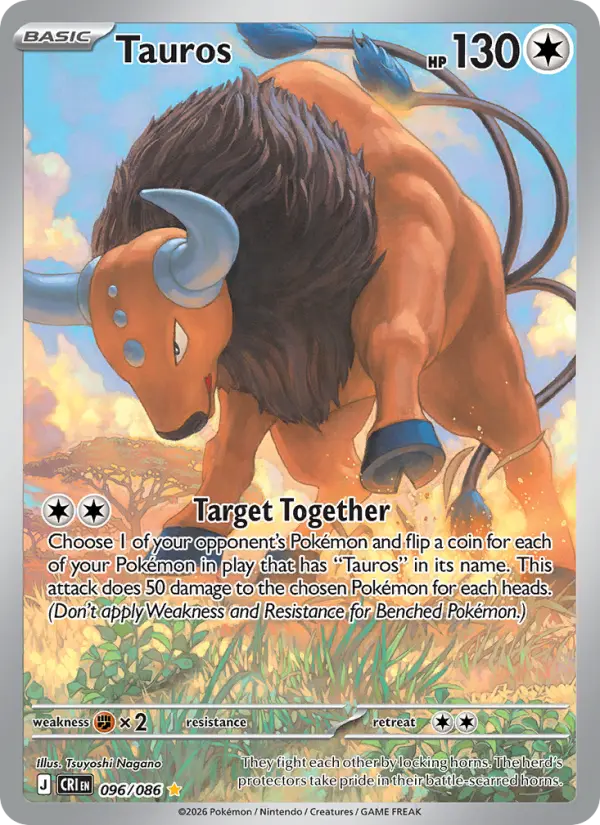
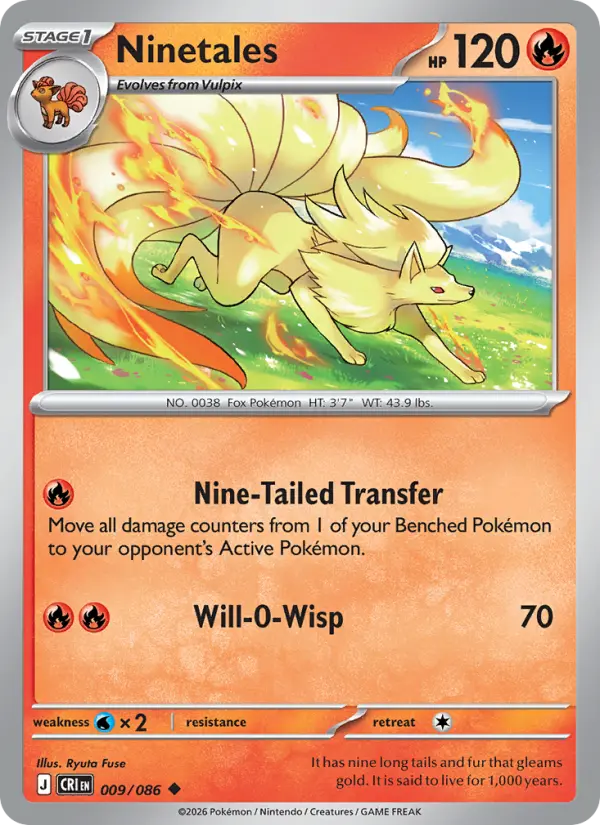
This is the full National Pokédex — every Pokémon across all nine generations, plus regional variants and alternate forms, each with complete base stats, learnsets, evolution conditions, encounter data and written analysis. The search and filters above are the fastest route in; what follows is context on how the data is organised and where the common confusions lie.
How the entries are organised
Pokémon are ordered by National Pokédex number, which follows the order of introduction rather than any in-game regional order. Bulbasaur is number 1 because it was first in Red and Blue; a Pokémon introduced in Scarlet and Violet sits near the end regardless of where it appears in Paldea's own regional dex.
Filtering by generation, type or stat range is usually faster than scrolling. Generation filters map to the games each Pokémon debuted in, not the games it is currently obtainable in — a Generation 1 Pokémon may well be catchable in the newest title.
What base stats actually mean
Base stats are the fixed species values that every individual of that species shares. They are not the numbers you see in game, which are the product of base stats, individual values, effort values, level and nature. A Pokémon with a base Speed of 100 will always be faster than one with base Speed 80 at equal level and investment, but a heavily invested 80 will outrun an uninvested 100.
Base stat total is a rough proxy for overall power and a poor one for practical strength. Distribution matters more than the sum: 600 points concentrated in Attack and Speed produces a far more threatening Pokémon than the same 600 spread evenly, and a high stat in the wrong attacking category is close to wasted.
Where the data comes from and why it sometimes differs
Stats, learnsets, evolution methods and encounter data reflect the current generation. Because Game Freak rebalances between games — base stats have been revised, moves have been removed, and type matchups have changed — a figure here may not match a guide written for an older title. If a number looks wrong, the generation is usually the reason.
Every entry also carries written sections that are not derived from game data at all: biology and physical characteristics, behaviour and habitat, competitive analysis, and name and design origins. These are written for this site, and they are the reason a Pokédex entry here runs to a few thousand words rather than a stat table.