
Alolan Cap Pikachu
Generation I · #10099 — Mouse Pokémon
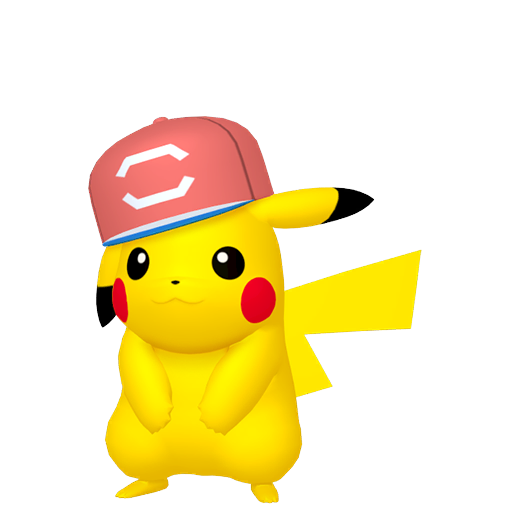
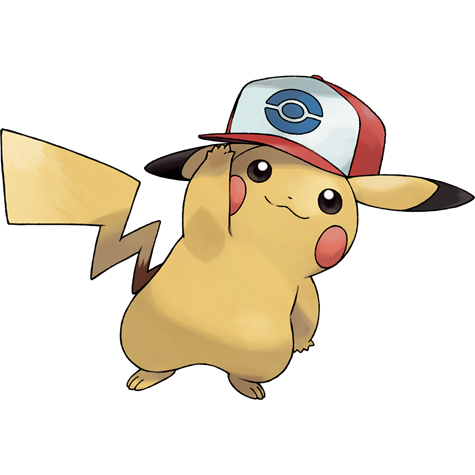
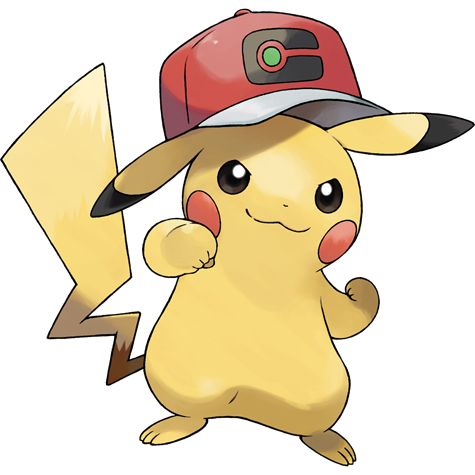
Pikachu in Alola Cap form is a distinctive regional variant of the iconic Electric-type Pokémon that was introduced to commemorate Ash Ketchum's adventures in the Alola region. This particular form features Pikachu wearing a stylized cap inspired by the Alola region's aesthetic, serving as a special event distribution exclusive to Pokémon Sun and Moon. As National Pokédex #25, this form maintains the same base statistics and evolutionary line as standard Pikachu, with a total base stat of 320 distributed across its six attributes. The Alola Cap Pikachu cannot evolve into Raichu or any other form, making it a permanent variant that serves primarily as a collectible commemoration of the Alola saga rather than a stepping stone in a traditional evolutionary chain.
Editor's Take
Alola Cap Pikachu carries Z-Moves in a set commemorating a generation whose defining mechanic was Z-Moves, which makes it the only cap form where the reference and the mechanic actually line up.
Base Stats
Height
0.4m
Weight
6.0kg
Category
Mouse Pokémon
Gender
Male 50% / Female 50%
Color
yellow
Shape
quadruped
Habitat
forest
Abilities
Has a 30% chance of paralyzing attacking Pokémon on contact.
Redirects single-target electric moves to this Pokémon where possible. Absorbs Electric moves, raising Special Attack one stage.
Alolan Cap Pikachu Biology & Physical Characteristics
The Alola Cap Pikachu shares identical physical dimensions and biological characteristics with its standard counterpart, standing at 0.4 meters in height and weighing 6.0 kilograms. Its distinctive feature is the prominent cap it wears, which bears the colors and design elements representative of the Alola region, distinguishing it visually from other Pikachu forms while maintaining the core yellow coloration and red cheek pouches that define the species. Internally, this form possesses the same electrical-storing pouches that line its cheeks, a characteristic noted in classical Pokédex entries from Sapphire version which explained that these pouches become electrically charged during sleep and occasionally discharge electricity when the Pokémon wakes. The cap-wearing variant shares the same Electric typing and maintains the biological capacity for static electricity generation that makes Pikachu such a formidable electric-type combatant, with an impressive base Speed stat of 90 that allows it to act swiftly in battle situations.
Pokedex Numbers
Training
Breeding
Alolan Cap Pikachu Breeding, Gender Ratio & Egg Groups
The Alola Cap Pikachu maintains a perfectly balanced gender distribution with 50 percent male and 50 percent female representation across the population, following standard Pokémon breeding conventions. Despite this balanced gender ratio, the Alola Cap Pikachu's primary significance as a special event distribution makes traditional breeding mechanics largely irrelevant for most players, as these Pokémon were distributed through limited-time events rather than encountered in the wild or hatched through conventional means. The species belongs to both the Ground and Fairy egg groups, granting it compatibility with a diverse range of breeding partners should players choose to engage in breeding activities, though the non-evolving nature of this particular form removes the typical incentive to breed for better individual values or natures as might be done with standard Pikachu destined for evolution into Raichu. The Alola Cap Pikachu has an egg hatch counter of 10, meaning eggs take 10 cycles to hatch, though the special event nature of this form makes actual egg production from these variants extraordinarily rare. The base happiness value of 70 provides a reasonable foundation for trainer bonding, though players seeking to maximize friendship-based mechanics would typically focus their efforts on standard Pikachu variants rather than the non-evolving commemorative form.
Sprites




Held Items
Light Ball
species-specific
Doubles Pikachu’s Attack and Special Attack. Breed on Pikachu or Raichu: Pichu Egg will have Volt Tackle.
Cost: 1000
Light Ball
species-specific
Doubles Pikachu’s Attack and Special Attack. Breed on Pikachu or Raichu: Pichu Egg will have Volt Tackle.
Cost: 1000
Light Ball
species-specific
Doubles Pikachu’s Attack and Special Attack. Breed on Pikachu or Raichu: Pichu Egg will have Volt Tackle.
Cost: 1000
Light Ball
species-specific
Doubles Pikachu’s Attack and Special Attack. Breed on Pikachu or Raichu: Pichu Egg will have Volt Tackle.
Cost: 1000
TMs & HMs
tm00
sword shield
tm01
yellow
tm01
red blue
tm01
platinum
tm01
emerald
tm01
diamond pearl
tm01
firered leafgreen
tm01
ruby sapphire
tm01
xd
tm01
colosseum
tm01
heartgold soulsilver
tm01
blue japan
tm01
red green japan
tm01
sword shield
tm02
sword shield
tm03
lets go pikachu lets go eevee
tm05
red blue
tm05
yellow
tm05
sword shield
tm05
red green japan
+583 more TMs/HMs
Regional & Special Forms
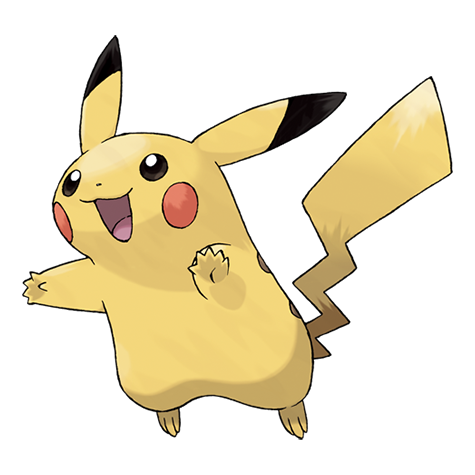
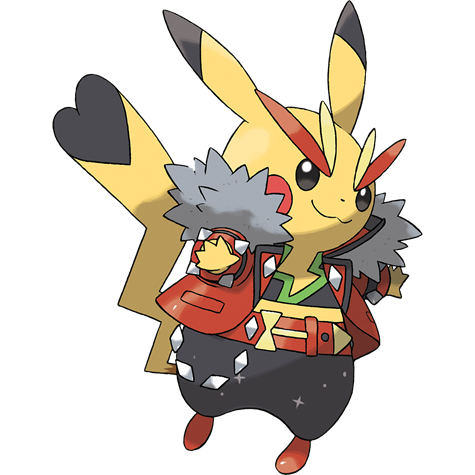
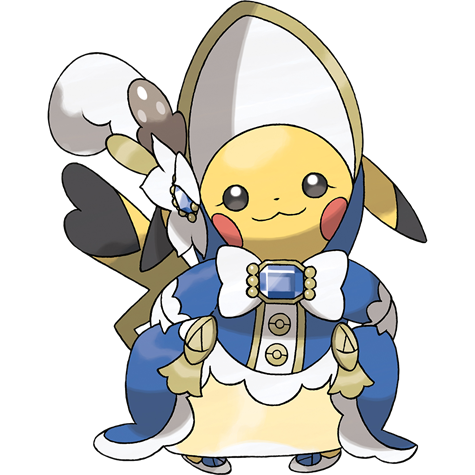
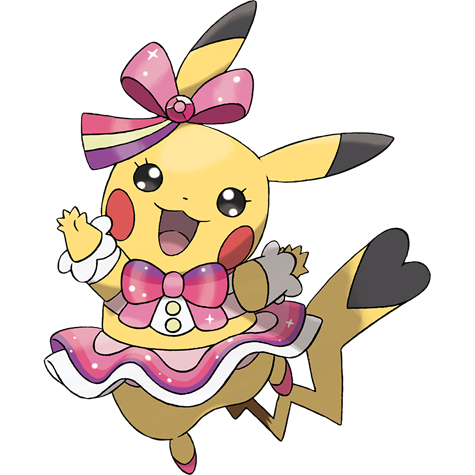
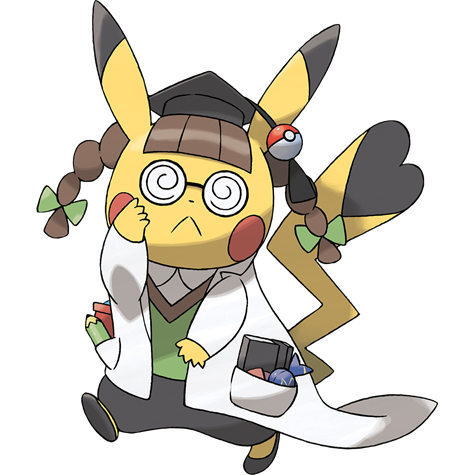
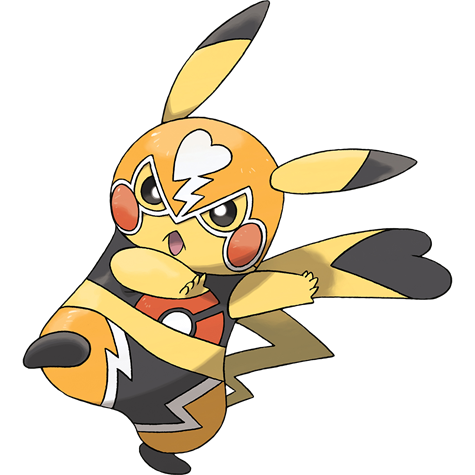
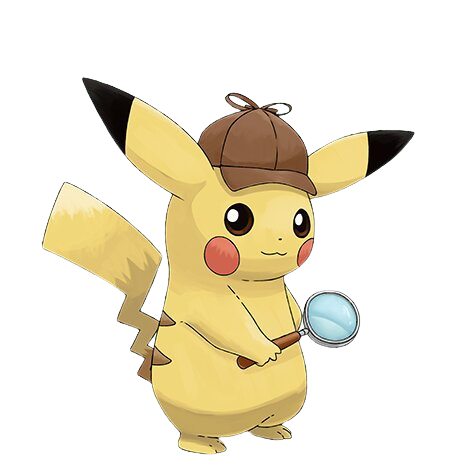
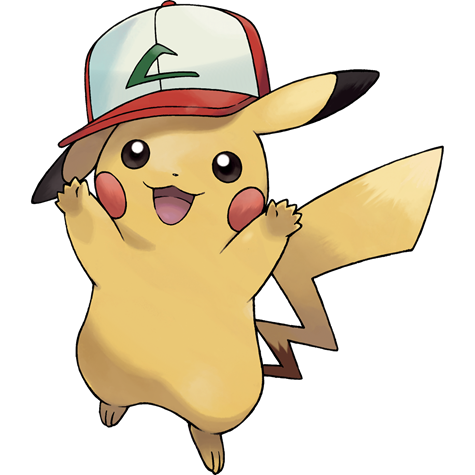
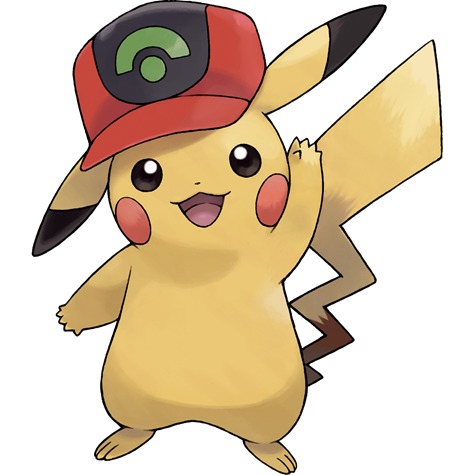
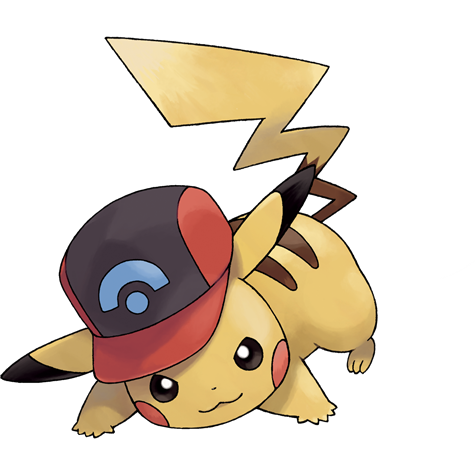
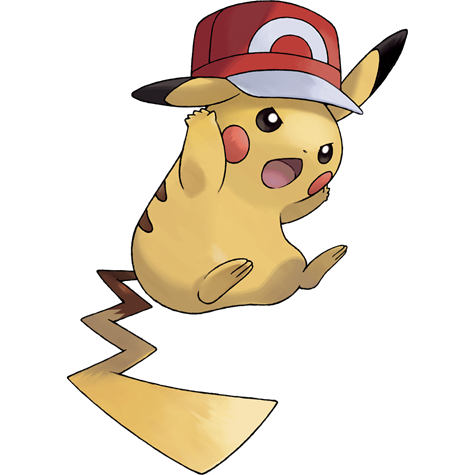
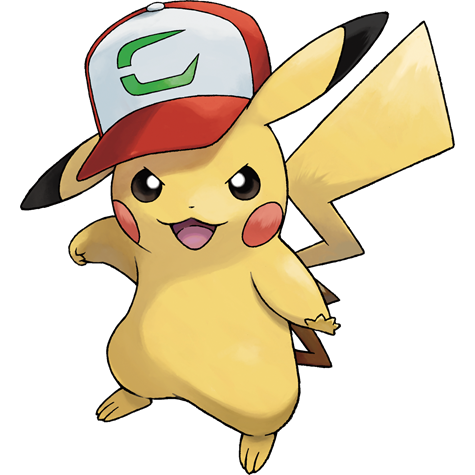
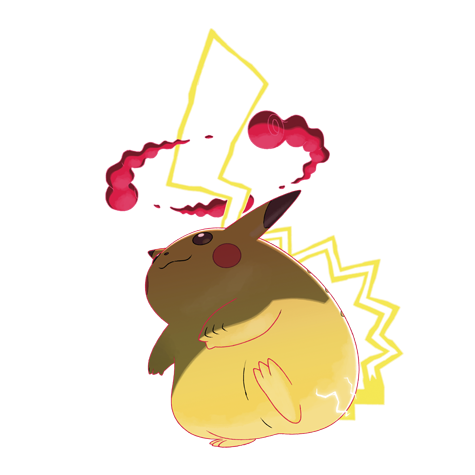
Alolan Cap Pikachu also has 16 related forms: Pikachu, Rock Star Pikachu, Belle Pikachu, Pop Star Pikachu, Phd Pikachu, Libre Pikachu, Cosplay Pikachu, Original Cap Pikachu, Hoenn Cap Pikachu, Sinnoh Cap Pikachu, Unova Cap Pikachu, Kalos Cap Pikachu, Partner Cap Pikachu, Starter Pikachu, World Cap Pikachu and Gigantamax Pikachu.
Gender Differences
This Pokémon has visible differences between male and female forms.
Alolan Cap Pikachu's Evolution Chain


Alolan Cap Pikachu Evolution, Mega Evolution & Special Forms
Unlike the standard Pikachu, the Alola Cap Pikachu cannot evolve under any circumstances, representing a terminal form that exists solely as a commemorative variant. Standard Pikachu evolves from Pichu when leveled up with high friendship, and can subsequently evolve into Raichu when exposed to a Thunder Stone in most regions, or into Alolan Raichu in the Alola region specifically. However, the Alola Cap form breaks this evolutionary chain entirely, functioning as a permanent, non-evolving form that serves as a special event Pokémon exclusive to distributions centered around Pokémon Sun and Moon. This design choice reflects the special status of cap-wearing Pikachu variants, which are intentionally kept separate from the standard evolutionary progression to preserve their commemorative value and distinctiveness. The inability to evolve makes the Alola Cap Pikachu a unique collectible rather than a competitive stepping stone, encouraging trainers to appreciate it as a form in its own right rather than as a precursor to a more powerful form.
Where to Find
Location data not available for this Pokémon in the database.
Alolan Cap Pikachu Behaviour and Natural Habitat
Pikachu in Alola Cap form embodies the same curious and reactive nature documented in countless Pokédex entries throughout the franchise's history, quickly discharging electricity whenever it encounters something new or unfamiliar. The species is known for its intelligent behavior, as Gold version's Pokédex entry noted—it roasts hard berries with electricity to make them tender enough to eat, demonstrating practical application of its electrical abilities beyond combat. This particular variant became closely associated with the Alola region during the events of Pokémon Sun and Moon, carrying cultural significance as a symbol of Ash's journey through the tropical archipelago. The Alola Cap Pikachu maintains the behavioral traits of checking its surroundings by raising its tail, a vigilant pose that can occasionally attract lightning strikes, as documented in the Silver version entry. Like all Pikachu, the Alola Cap variant exhibits a somewhat territorial nature, willing to bite if its tail is yanked, though it maintains a moderate base happiness level of 70 that suggests a capacity for forming bonds with trainers.
Pokedex Entries
When several of these POKéMON gather, their electricity could build and cause lightning storms.
It keeps its tail raised to monitor its surroundings. If you yank its tail, it will try to bite you.
This intelligent POKéMON roasts hard BERRIES with electricity to make them tender enough to eat.
It raises its tail to check its sur roundings. The tail is sometimes struck by light ning in this pose.
When it is anger ed, it immediately discharges the energy stored in the pouches in its cheeks.
Whenever PIKACHU comes across something new, it blasts it with a jolt of electricity. If you come across a blackened berry, it’s evidence that this POKéMON mistook the intensity of its charge.
This POKéMON has electricity-storing pouches on its cheeks. These appear to become electrically charged during the night while PIKACHU sleeps. It occasionally discharges electricity when it is dozy after waking up.
It stores electricity in the electric sacs on its cheeks. When it releases pent-up energy in a burst, the electric power is equal to a lightning bolt.
It has small electric sacs on both its cheeks. If threatened, it looses electric charges from the sacs.
When several of these POKéMON gather, their electricity can build and cause lightning storms.
It lives in forests with others. It stores electricity in the pouches on its cheeks.
If it looses crackling power from the electric pouches on its cheeks, it is being wary.
It occasionally uses an electric shock to recharge a fellow PIKACHU that is in a weakened state.
This intelligent Pokémon roasts hard berries with electricity to make them tender enough to eat.
It raises its tail to check its surroundings. The tail is sometimes struck by lightning in this pose.
It occasionally uses an electric shock to recharge a fellow Pikachu that is in a weakened state.
It occasionally uses an electric shock to recharge a fellow Pikachu that is in a weakened state.
It raises its tail to check its surroundings. The tail is sometimes struck by lightning in this pose.
It has small electric sacs on both its cheeks. If threatened, it looses electric charges from the sacs.
Whenever Pikachu comes across something new, it blasts it with a jolt of electricity. If you come across a blackened berry, it’s evidence that this Pokémon mistook the intensity of its charge.
This Pokémon has electricity-storing pouches on its cheeks. These appear to become electrically charged during the night while Pikachu sleeps. It occasionally discharges electricity when it is dozy after waking up.
A plan was recently announced to gather many Pikachu and make an electric power plant.
Its nature is to store up electricity. Forests where nests of Pikachu live are dangerous, since the trees are so often struck by lightning.
It’s in its nature to store electricity. It feels stressed now and then if it’s unable to fully discharge the electricity.
While sleeping, it generates electricity in the sacs in its cheeks. If it’s not getting enough sleep, it will be able to use only weak electricity.
This forest-dwelling Pokémon stores electricity in its cheeks, so you’ll feel a tingly shock if you touch it.
Pikachu that can generate powerful electricity have cheek sacs that are extra soft and super stretchy.
When Pikachu meet, they’ll touch their tails together and exchange electricity through them as a form of greeting.
Possesses cheek sacs in which it stores electricity. This clever forest-dweller roasts tough berries with an electric shock before consuming them.
Alolan Cap Pikachu Name Origin & Design Inspiration
The Alola Cap Pikachu's design builds directly upon the foundation of the standard Pikachu while adding a distinctive visual element that connects it to the Alola region's cultural identity and tropical setting. The cap itself represents Ash's signature piece of headwear, redesigned with colors and patterns reflective of the Alola region's aesthetic, creating an immediate visual connection between the Pokémon and Ash's journey through the archipelago. The name 'Pikachu' derives from Japanese onomatopoeia—'pika' represents the sound of a spark or spark-like appearance, while 'chu' mimics the cry of a mouse, fitting perfectly with the species' Mouse Pokémon classification and Electric typing. The cap variant specifically emphasizes Pikachu's association with human companionship and cultural symbolism, transcending its role as a mere Pokémon to become a wearable emblem of regional identity. The design maintains perfect consistency with Pikachu's iconic silhouette while the added cap accessory serves as visual shorthand for its special commemorative status and regional exclusivity, making it instantly recognizable to players familiar with the Alola saga.
Learnable Moves
Alolan Cap Pikachu can learn 77 moves:
Move | Type | Cat. | Power | Acc. | PP |
|---|---|---|---|---|---|
| agility | psychic | Status | — | — | 30 |
| attract | normal | Status | — | 100 | 15 |
| body slam | normal | Physical | 85 | 100 | 15 |
| brick break | fighting | Physical | 75 | 100 | 15 |
| charge beam | electric | Special | 50 | 90 | 10 |
| charm | fairy | Status | — | 100 | 20 |
| confide | normal | Status | — | — | 20 |
| covet | normal | Physical | 60 | 100 | 25 |
| dig | ground | Physical | 80 | 100 | 10 |
| disarming voice | fairy | Special | 40 | — | 15 |
| discharge | electric | Special | 80 | 100 | 15 |
| double team | normal | Status | — | — | 15 |
| draining kiss | fairy | Special | 50 | 100 | 10 |
| echoed voice | normal | Special | 40 | 100 | 15 |
| eerie impulse | electric | Status | — | 100 | 15 |
| electric terrain | electric | Status | — | — | 10 |
| electro ball | electric | Special | — | 100 | 10 |
| electroweb | electric | Special | 55 | 95 | 15 |
| encore | normal | Status | — | 100 | 5 |
| endure | normal | Status | — | — | 10 |
| facade | normal | Physical | 70 | 100 | 20 |
| fake tears | dark | Status | — | 100 | 20 |
| feint | normal | Physical | 30 | 100 | 10 |
| fling | dark | Physical | — | 100 | 10 |
| focus punch | fighting | Physical | 150 | 100 | 20 |
| frustration | normal | Physical | — | 100 | 20 |
| grass knot | grass | Special | — | 100 | 20 |
| growl | normal | Status | — | 100 | 40 |
| helping hand | normal | Status | — | — | 20 |
| hidden power | normal | Special | 60 | 100 | 15 |
| iron tail | steel | Physical | 100 | 75 | 15 |
| knock off | dark | Physical | 65 | 100 | 20 |
| laser focus | normal | Status | — | — | 30 |
| light screen | psychic | Status | — | — | 30 |
| magnet rise | electric | Status | — | — | 10 |
| mega kick | normal | Physical | 120 | 75 | 5 |
| mega punch | normal | Physical | 80 | 85 | 20 |
| nasty plot | dark | Status | — | — | 20 |
| nuzzle | electric | Physical | 20 | 100 | 20 |
| pay day | normal | Physical | 40 | 100 | 20 |
| play nice | normal | Status | — | — | 20 |
| play rough | fairy | Physical | 90 | 90 | 10 |
| protect | normal | Status | — | — | 10 |
| quick attack | normal | Physical | 40 | 100 | 30 |
| rain dance | water | Status | — | — | 5 |
| reflect | psychic | Status | — | — | 20 |
| rest | psychic | Status | — | — | 5 |
| return | normal | Physical | — | 100 | 20 |
| reversal | fighting | Physical | — | 100 | 15 |
| rising voltage | electric | Special | 70 | 100 | 20 |
| round | normal | Special | 60 | 100 | 15 |
| shock wave | electric | Special | 60 | — | 20 |
| signal beam | bug | Special | 75 | 100 | 15 |
| slam | normal | Physical | 80 | 75 | 20 |
| sleep talk | normal | Status | — | — | 10 |
| snore | normal | Special | 50 | 100 | 15 |
| spark | electric | Physical | 65 | 100 | 20 |
| substitute | normal | Status | — | — | 10 |
| surf | water | Special | 90 | 100 | 15 |
| swagger | normal | Status | — | 85 | 15 |
| sweet kiss | fairy | Status | — | 75 | 10 |
| swift | normal | Special | 60 | — | 20 |
| tail whip | normal | Status | — | 100 | 30 |
| take down | normal | Physical | 90 | 85 | 20 |
| tera blast | normal | Special | 80 | 100 | 10 |
| thief | dark | Physical | 60 | 100 | 25 |
| thunder | electric | Special | 110 | 70 | 10 |
| thunder punch | electric | Physical | 75 | 100 | 15 |
| thunder shock | electric | Special | 40 | 100 | 30 |
| thunder wave | electric | Status | — | 90 | 20 |
| thunderbolt | electric | Special | 90 | 100 | 15 |
| toxic | poison | Status | — | 90 | 10 |
| trailblaze | grass | Physical | 50 | 100 | 20 |
| uproar | normal | Special | 90 | 100 | 10 |
| volt switch | electric | Special | 70 | 100 | 20 |
| volt tackle | electric | Physical | 120 | 100 | 15 |
| wild charge | electric | Physical | 90 | 100 | 15 |
Alolan Cap Pikachu Competitive Battle Guide
The Alola Cap Pikachu's competitive viability is constrained by its identical base statistics to standard Pikachu, with a relatively modest total of 320 distributed across its six attributes: 35 HP, 55 Attack, 40 Defense, 50 Special Attack, 50 Special Defense, and an impressive 90 Speed. The high Speed stat of 90 allows the Alola Cap Pikachu to outpace many common threats in competitive play, enabling it to strike first in crucial matchups and potentially secure knockout advantages through priority. Its ability options—Static with a 30 percent chance to paralyze attacking Pokémon on contact, or the hidden ability Lightning Rod which redirects single-target Electric moves and raises Special Attack one stage upon absorption—provide useful utility and defensive coverage, though neither ability fundamentally transforms the Pikachu into a dominant competitive force. The Electric typing grants useful resistances to Flying, Steel, and other Electric-type moves, while its weaknesses to Ground-type attacks represent a significant vulnerability that limits its effectiveness against prominent competitive threats. The Alola Cap Pikachu's non-evolving status places it at a distinct disadvantage compared to standard Pikachu, which can evolve into the significantly more formidable Raichu with superior stats and typing options; consequently, competitive players typically favor standard or evolved forms rather than investing in the commemorative Alola Cap variant.
Commonly Asked Questions About Alolan Cap Pikachu
What type is Alolan Cap Pikachu?
Alolan Cap Pikachu is a electric type Pokemon.
What does Alolan Cap Pikachu evolve into?
Alolan Cap Pikachu does not evolve into any other Pokemon. It is the final form in its evolution line.
What are Alolan Cap Pikachu's weaknesses?
Alolan Cap Pikachu is weak to ground type moves.
Alolan Cap Pikachu Cultural Impact & Franchise History
Pikachu in Alola Cap form occupies a unique position in Pokémon culture as a commemorative variant celebrating one of the anime series' most significant regional adventures. The Alola region represented a dramatic stylistic departure from previous Pokémon games, introducing Totem Pokémon, Island Challenges replacing traditional gym battles, and a distinctly tropical setting that captured global audiences worldwide. The Alola Cap Pikachu became a tangible symbol of this cultural moment, distributed as a limited-time event Pokémon that allowed players to carry a piece of the Alola saga into their own games and collections. Pikachu's position as the franchise's primary mascot amplified the significance of this variant, as the species has maintained unparalleled cultural recognition since Generation I and continues to appear on countless official Pokémon merchandise and promotional materials. The cap-wearing Pikachu designs more broadly have become iconic symbols of Ash Ketchum's character across different regional adventures, with various Pikachu sporting caps inspired by different regions or events, creating a tradition of commemorative Pikachu variants that resonate with long-time fans. This particular Alola Cap variant remains a sought-after collectible, representing a specific moment in Pokémon's history when the franchise embraced radical stylistic changes while maintaining the core appeal that has sustained its popularity for decades.
Where to Find Alolan Cap Pikachu in Every Pokémon Game
The Alola Cap Pikachu was released as a limited-time special event distribution exclusive to Pokémon Sun and Moon, available to trainers during specific windows coinciding with the games' initial release and promotional period. This event-exclusive status makes the Alola Cap Pikachu unavailable through standard wild encounters, breeding, or egg hatching mechanics, restricting access to players who participated in the official distribution events during their availability window. Players who missed the original distribution window have extremely limited options for obtaining this variant, as event distributions cannot be reset or re-distributed through standard game mechanics without Nintendo's official intervention. The Alola Cap Pikachu does not appear in subsequent games' regional Pokédexes or encounter tables, further restricting its availability to Pokémon Sun and Moon exclusively, making it a genuine regional exclusive with significant rarity value in the trading community. For collectors and completionists seeking to obtain an Alola Cap Pikachu in the modern era, trading with other players who participated in the original event distribution represents the primary viable method of acquisition, often commanding premium prices due to its event-exclusive status and the time-sensitive nature of its distribution window. The non-evolving nature of this form and its lack of competitive advantages over standard Pikachu mean that availability concerns matter primarily to collection-focused players rather than competitive battlers, though its historical significance ensures continued interest among dedicated franchise enthusiasts.