
Original Cap Pikachu
Generation I · #10094 — Mouse Pokémon
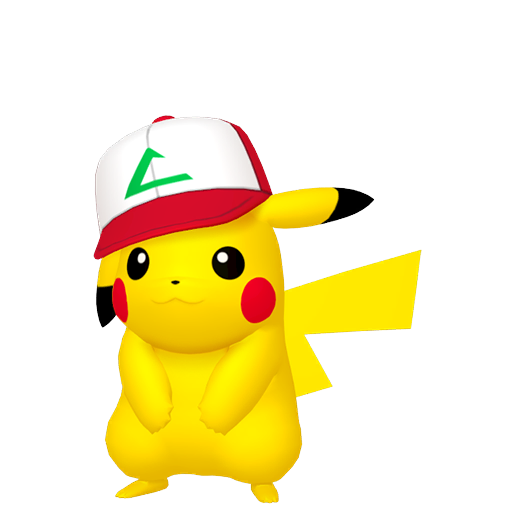
Pikachu (original cap form) is the iconic Electric-type Mouse Pokémon that stands as National Pokédex #25. This particular variant represents Pikachu in its classic appearance, distinguishable from other cap-wearing forms that have emerged across the various regions of the Pokémon world. With a National Pokédex number of 25, Pikachu occupies a significant position in Generation I as one of the most recognizable creatures in the entire franchise. The original cap form maintains the traditional base statistics of the species, featuring a total of 320 base stats with particular emphasis on Speed (90), making it a swift combatant despite its modest overall power. Interestingly, unlike standard Pikachu, the original cap form belongs to the Ground and Fairy egg groups and cannot evolve into Raichu, cementing its status as a unique variant tied specifically to nostalgic representation of the franchise's earliest iterations.
Editor's Take
The cap Pikachu forms are a twenty-year victory lap distributed as event Pokémon, and the Original Cap is the one that actually earns it — everything else in the set references a film, this one references the first episode.
Base Stats
Height
0.4m
Weight
6.0kg
Category
Mouse Pokémon
Gender
Male 50% / Female 50%
Color
yellow
Shape
quadruped
Habitat
forest
Abilities
Has a 30% chance of paralyzing attacking Pokémon on contact.
Redirects single-target electric moves to this Pokémon where possible. Absorbs Electric moves, raising Special Attack one stage.

Original Cap Pikachu Biology & Physical Characteristics
The original cap Pikachu retains the quintessential biology of the Mouse Pokémon species, measuring 0.4 meters in height and weighing a mere 6.0 kilograms, making it one of the smallest combat-capable Pokémon trainers can encounter. Its physiology is optimized for electric generation, featuring the characteristic pouches in its cheeks that store electrical energy. According to Pokédex entries from the Sapphire version, these electricity-storing pouches become electrically charged during the night while Pikachu sleeps, occasionally causing the Pokémon to discharge electricity in a drowsy state upon waking. The creature's most distinctive feature is its elevated tail, which serves a crucial biological function beyond its iconic appearance. As noted in Yellow version's Pokédex entry, Pikachu keeps its tail raised to monitor its surroundings, and the tail is sometimes struck by lightning in this defensive posture, suggesting the appendage acts as both a sensory organ and a lightning rod for excess electrical discharge.
Pokedex Numbers
Training
Breeding
Original Cap Pikachu Breeding, Gender Ratio & Egg Groups
Pikachu demonstrates an equal gender distribution with a 50% male to 50% female ratio, allowing trainers equal probability of acquiring either sex through breeding or capture. The original cap form belongs to both the Ground and Fairy egg groups, providing diverse breeding compatibility options compared to standard Pikachu, which belongs to the Field and Fairy egg groups. With a base happiness value of 70, Pikachu exhibits moderate friendliness toward trainers, though instances like the starter Pikachu in Pokémon Yellow Version famously refused to evolve until traded to another save file, demonstrating the species' capacity for strong emotional bonds and stubborn determination. The egg hatching counter of 10 cycles (equivalent to 2,314–2,570 steps) places Pikachu in the moderate breeding timeframe, making it reasonably accessible for players seeking to breed multiple specimens or develop Pichu offspring. The capture rate of 190 significantly facilitates wild encounter captures, with standard Poké Balls achieving approximately 24.8% success rate against a full-health Pikachu, making this species relatively easy to obtain compared to many other Pokémon despite its iconic status and combat capabilities.
Sprites




Held Items
Light Ball
species-specific
Doubles Pikachu’s Attack and Special Attack. Breed on Pikachu or Raichu: Pichu Egg will have Volt Tackle.
Cost: 1000
Light Ball
species-specific
Doubles Pikachu’s Attack and Special Attack. Breed on Pikachu or Raichu: Pichu Egg will have Volt Tackle.
Cost: 1000
Light Ball
species-specific
Doubles Pikachu’s Attack and Special Attack. Breed on Pikachu or Raichu: Pichu Egg will have Volt Tackle.
Cost: 1000
Light Ball
species-specific
Doubles Pikachu’s Attack and Special Attack. Breed on Pikachu or Raichu: Pichu Egg will have Volt Tackle.
Cost: 1000
TMs & HMs
tm00
sword shield
tm01
yellow
tm01
red blue
tm01
platinum
tm01
emerald
tm01
diamond pearl
tm01
firered leafgreen
tm01
ruby sapphire
tm01
xd
tm01
colosseum
tm01
heartgold soulsilver
tm01
blue japan
tm01
red green japan
tm01
sword shield
tm02
sword shield
tm03
lets go pikachu lets go eevee
tm05
red blue
tm05
yellow
tm05
sword shield
tm05
red green japan
+583 more TMs/HMs
Regional & Special Forms
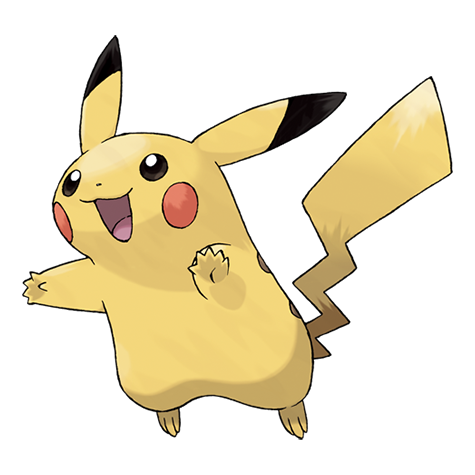
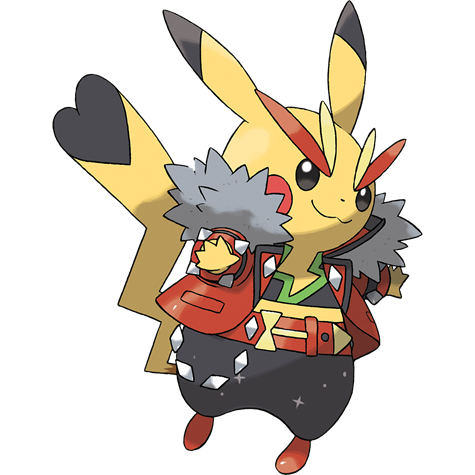
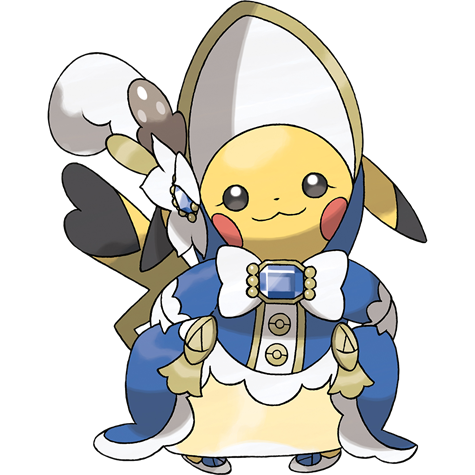
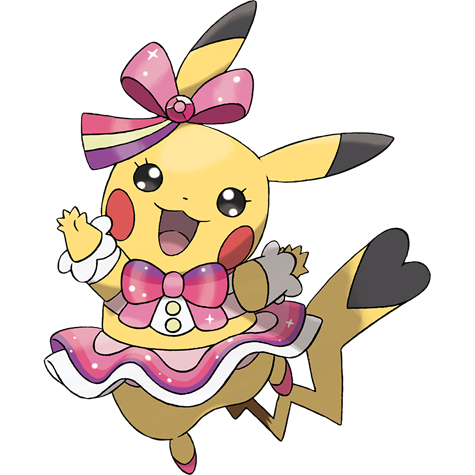
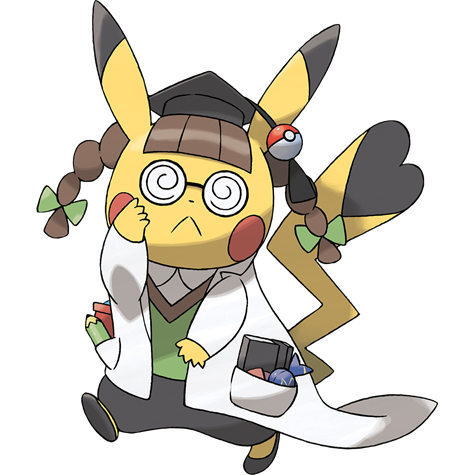
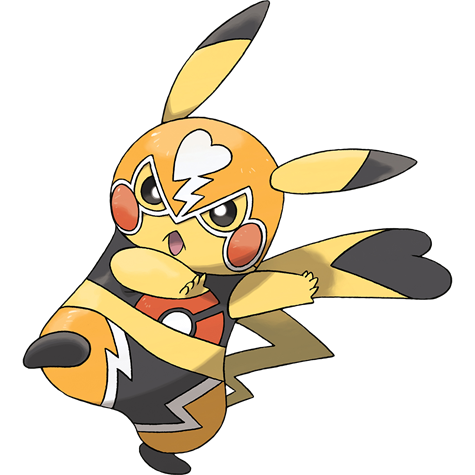
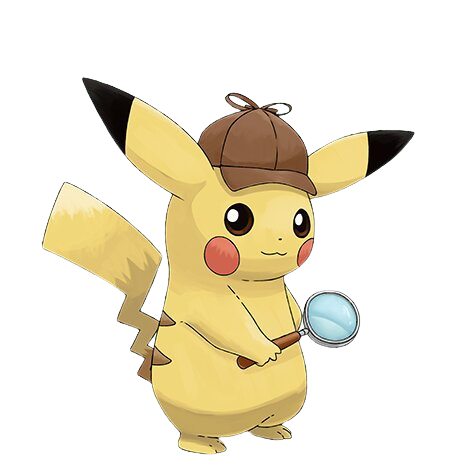
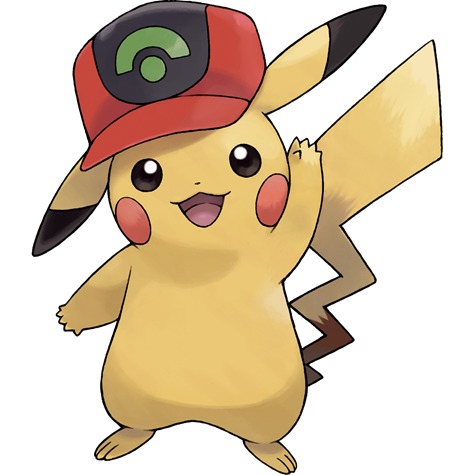
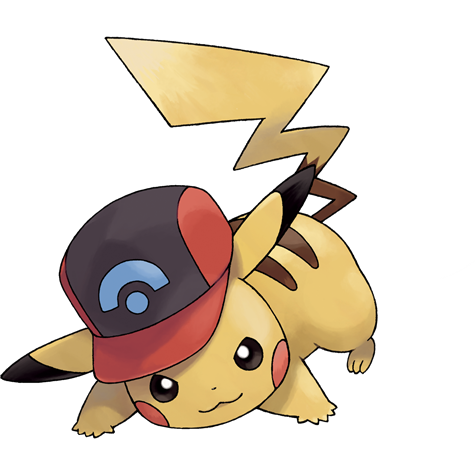
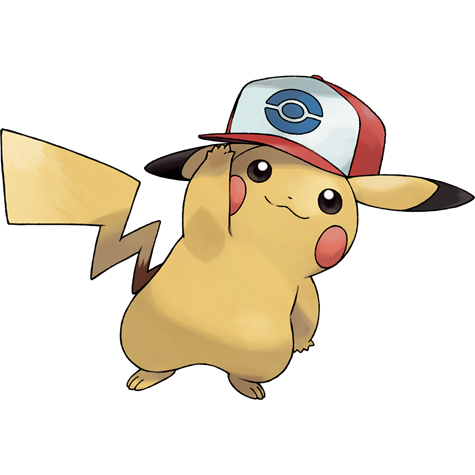
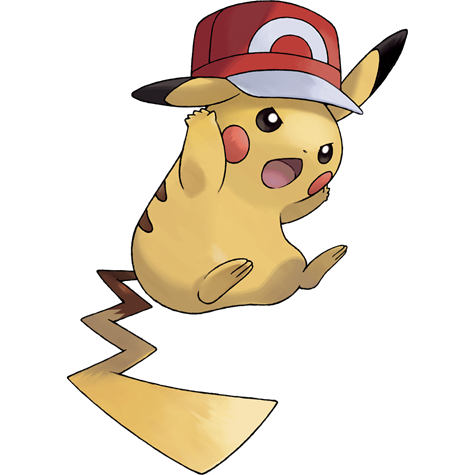
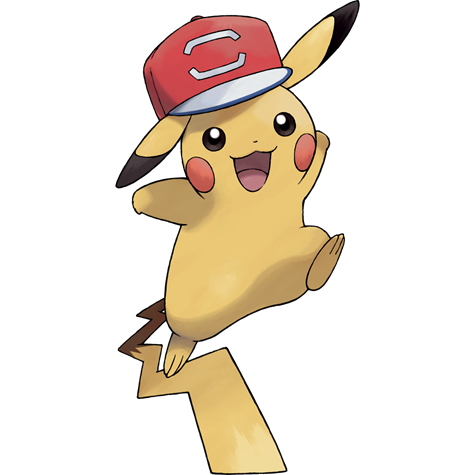
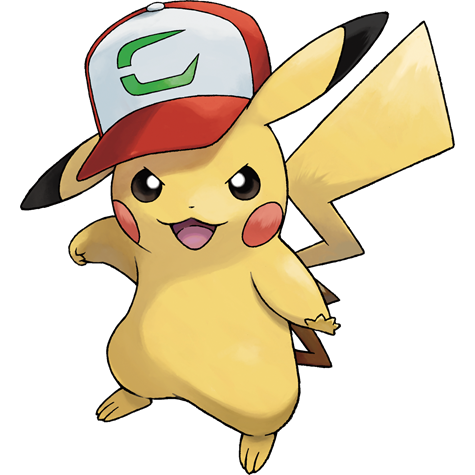
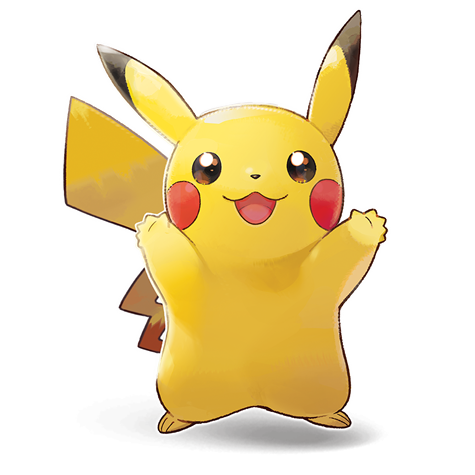
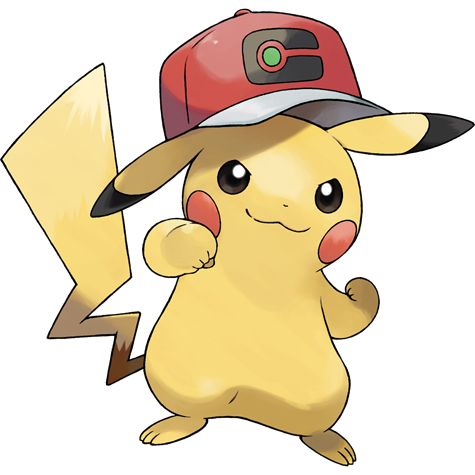
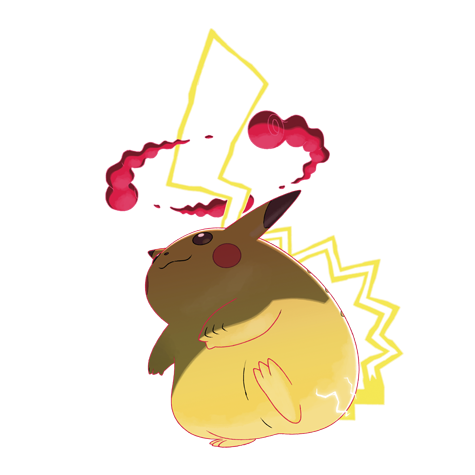
Original Cap Pikachu also has 16 related forms: Pikachu, Rock Star Pikachu, Belle Pikachu, Pop Star Pikachu, Phd Pikachu, Libre Pikachu, Cosplay Pikachu, Hoenn Cap Pikachu, Sinnoh Cap Pikachu, Unova Cap Pikachu, Kalos Cap Pikachu, Alolan Cap Pikachu, Partner Cap Pikachu, Starter Pikachu, World Cap Pikachu and Gigantamax Pikachu.
Gender Differences
This Pokémon has visible differences between male and female forms.
Original Cap Pikachu's Evolution Chain


Original Cap Pikachu Evolution, Mega Evolution & Special Forms
The original cap form of Pikachu represents a unique evolutionary endpoint distinct from the standard evolutionary chain of the species. Unlike ordinary Pikachu, which evolves from Pichu when leveled up with high friendship and subsequently evolves into Raichu upon exposure to a Thunder Stone, the original cap Pikachu cannot undergo evolution. This restriction applies regardless of stone exposure or friendship levels, establishing this variant as a permanent form locked in its Pikachu state. The distinction arose from the Pokémon games' narrative design, particularly in iconic titles where special Pikachu variants were introduced as non-evolving partners to commemorate specific regions or storylines. The base form comparison reveals identical statistics to standard Pikachu across all categories, indicating that the cap variant is a cosmetic and mechanical equivalent to its standard counterpart, differentiated only by its inability to progress further in the evolutionary line and its unique egg group assignment. This design choice emphasizes the variant's role as a collectible representation rather than a competitive evolutionary stage.
Where to Find
Location data not available for this Pokémon in the database.
Original Cap Pikachu Behaviour and Natural Habitat
Pikachu exhibits highly intelligent behavior characterized by cautious awareness and defensive electrical responses. When angered, it immediately discharges the energy stored in its cheeks, making surprise encounters potentially hazardous. The species demonstrates curiosity toward novel situations, as documented in Ruby's Pokédex entry which notes that whenever Pikachu comes across something new, it blasts it with a jolt of electricity—occasionally resulting in blackened berries when the Pokémon misjudges the intensity of its charge. Beyond combat applications, Pikachu has developed a sophisticated relationship with food preparation; it roasts hard berries with electricity to make them tender enough to consume, showcasing problem-solving abilities beyond simple survival instincts. When multiple Pikachu gather in proximity, their combined electrical output becomes dangerous enough to build atmospheric charges and trigger lightning storms. The species tends to inhabit areas with moderate electrical activity, though specific wild location data varies significantly across different regional Pokédexes and game iterations.
Pokedex Entries
When several of these POKéMON gather, their electricity could build and cause lightning storms.
It keeps its tail raised to monitor its surroundings. If you yank its tail, it will try to bite you.
This intelligent POKéMON roasts hard BERRIES with electricity to make them tender enough to eat.
It raises its tail to check its sur roundings. The tail is sometimes struck by light ning in this pose.
When it is anger ed, it immediately discharges the energy stored in the pouches in its cheeks.
Whenever PIKACHU comes across something new, it blasts it with a jolt of electricity. If you come across a blackened berry, it’s evidence that this POKéMON mistook the intensity of its charge.
This POKéMON has electricity-storing pouches on its cheeks. These appear to become electrically charged during the night while PIKACHU sleeps. It occasionally discharges electricity when it is dozy after waking up.
It stores electricity in the electric sacs on its cheeks. When it releases pent-up energy in a burst, the electric power is equal to a lightning bolt.
It has small electric sacs on both its cheeks. If threatened, it looses electric charges from the sacs.
When several of these POKéMON gather, their electricity can build and cause lightning storms.
It lives in forests with others. It stores electricity in the pouches on its cheeks.
If it looses crackling power from the electric pouches on its cheeks, it is being wary.
It occasionally uses an electric shock to recharge a fellow PIKACHU that is in a weakened state.
This intelligent Pokémon roasts hard berries with electricity to make them tender enough to eat.
It raises its tail to check its surroundings. The tail is sometimes struck by lightning in this pose.
It occasionally uses an electric shock to recharge a fellow Pikachu that is in a weakened state.
It occasionally uses an electric shock to recharge a fellow Pikachu that is in a weakened state.
It raises its tail to check its surroundings. The tail is sometimes struck by lightning in this pose.
It has small electric sacs on both its cheeks. If threatened, it looses electric charges from the sacs.
Whenever Pikachu comes across something new, it blasts it with a jolt of electricity. If you come across a blackened berry, it’s evidence that this Pokémon mistook the intensity of its charge.
This Pokémon has electricity-storing pouches on its cheeks. These appear to become electrically charged during the night while Pikachu sleeps. It occasionally discharges electricity when it is dozy after waking up.
A plan was recently announced to gather many Pikachu and make an electric power plant.
Its nature is to store up electricity. Forests where nests of Pikachu live are dangerous, since the trees are so often struck by lightning.
It’s in its nature to store electricity. It feels stressed now and then if it’s unable to fully discharge the electricity.
While sleeping, it generates electricity in the sacs in its cheeks. If it’s not getting enough sleep, it will be able to use only weak electricity.
This forest-dwelling Pokémon stores electricity in its cheeks, so you’ll feel a tingly shock if you touch it.
Pikachu that can generate powerful electricity have cheek sacs that are extra soft and super stretchy.
When Pikachu meet, they’ll touch their tails together and exchange electricity through them as a form of greeting.
Possesses cheek sacs in which it stores electricity. This clever forest-dweller roasts tough berries with an electric shock before consuming them.
Original Cap Pikachu Name Origin & Design Inspiration
The original cap form of Pikachu draws its name from the Japanese onomatopoeia 'pika' (ピカ), representing the sound and concept of a spark or flash of electricity, combined with 'chu' (チュウ), which mimics the squeaking sound a mouse produces. This linguistic construction perfectly encapsulates the creature's dual nature as both an electrical phenomenon and a rodent-like animal. The iconic cap adorning this particular variant serves as visual shorthand connecting Pikachu to its role as the franchise's mascot and its association with Ash Ketchum's journey through the Kanto region. The design of the original cap specifically evokes the classic trainer aesthetic from the earliest Pokémon games and anime series, featuring a simple silhouette that has become synonymous with the franchise itself. The mouse-like physiology with its distinctive large ears, rounded body structure, and characteristic tail establishes Pikachu within the broader Mouse Pokémon archetype, though its electrical nature and unique behavioral characteristics elevate it far beyond a simple animal inspiration. The yellow coloration of both the Pokémon and the cap creates visual cohesion, making the original cap form instantly recognizable and deeply nostalgic for long-time franchise enthusiasts.
Learnable Moves
Original Cap Pikachu can learn 77 moves:
Move | Type | Cat. | Power | Acc. | PP |
|---|---|---|---|---|---|
| agility | psychic | Status | — | — | 30 |
| attract | normal | Status | — | 100 | 15 |
| body slam | normal | Physical | 85 | 100 | 15 |
| brick break | fighting | Physical | 75 | 100 | 15 |
| charge beam | electric | Special | 50 | 90 | 10 |
| charm | fairy | Status | — | 100 | 20 |
| confide | normal | Status | — | — | 20 |
| covet | normal | Physical | 60 | 100 | 25 |
| dig | ground | Physical | 80 | 100 | 10 |
| disarming voice | fairy | Special | 40 | — | 15 |
| discharge | electric | Special | 80 | 100 | 15 |
| double team | normal | Status | — | — | 15 |
| draining kiss | fairy | Special | 50 | 100 | 10 |
| echoed voice | normal | Special | 40 | 100 | 15 |
| eerie impulse | electric | Status | — | 100 | 15 |
| electric terrain | electric | Status | — | — | 10 |
| electro ball | electric | Special | — | 100 | 10 |
| electroweb | electric | Special | 55 | 95 | 15 |
| encore | normal | Status | — | 100 | 5 |
| endure | normal | Status | — | — | 10 |
| facade | normal | Physical | 70 | 100 | 20 |
| fake tears | dark | Status | — | 100 | 20 |
| feint | normal | Physical | 30 | 100 | 10 |
| fling | dark | Physical | — | 100 | 10 |
| focus punch | fighting | Physical | 150 | 100 | 20 |
| frustration | normal | Physical | — | 100 | 20 |
| grass knot | grass | Special | — | 100 | 20 |
| growl | normal | Status | — | 100 | 40 |
| helping hand | normal | Status | — | — | 20 |
| hidden power | normal | Special | 60 | 100 | 15 |
| iron tail | steel | Physical | 100 | 75 | 15 |
| knock off | dark | Physical | 65 | 100 | 20 |
| laser focus | normal | Status | — | — | 30 |
| light screen | psychic | Status | — | — | 30 |
| magnet rise | electric | Status | — | — | 10 |
| mega kick | normal | Physical | 120 | 75 | 5 |
| mega punch | normal | Physical | 80 | 85 | 20 |
| nasty plot | dark | Status | — | — | 20 |
| nuzzle | electric | Physical | 20 | 100 | 20 |
| pay day | normal | Physical | 40 | 100 | 20 |
| play nice | normal | Status | — | — | 20 |
| play rough | fairy | Physical | 90 | 90 | 10 |
| protect | normal | Status | — | — | 10 |
| quick attack | normal | Physical | 40 | 100 | 30 |
| rain dance | water | Status | — | — | 5 |
| reflect | psychic | Status | — | — | 20 |
| rest | psychic | Status | — | — | 5 |
| return | normal | Physical | — | 100 | 20 |
| reversal | fighting | Physical | — | 100 | 15 |
| rising voltage | electric | Special | 70 | 100 | 20 |
| round | normal | Special | 60 | 100 | 15 |
| shock wave | electric | Special | 60 | — | 20 |
| signal beam | bug | Special | 75 | 100 | 15 |
| slam | normal | Physical | 80 | 75 | 20 |
| sleep talk | normal | Status | — | — | 10 |
| snore | normal | Special | 50 | 100 | 15 |
| spark | electric | Physical | 65 | 100 | 20 |
| substitute | normal | Status | — | — | 10 |
| surf | water | Special | 90 | 100 | 15 |
| swagger | normal | Status | — | 85 | 15 |
| sweet kiss | fairy | Status | — | 75 | 10 |
| swift | normal | Special | 60 | — | 20 |
| tail whip | normal | Status | — | 100 | 30 |
| take down | normal | Physical | 90 | 85 | 20 |
| tera blast | normal | Special | 80 | 100 | 10 |
| thief | dark | Physical | 60 | 100 | 25 |
| thunder | electric | Special | 110 | 70 | 10 |
| thunder punch | electric | Physical | 75 | 100 | 15 |
| thunder shock | electric | Special | 40 | 100 | 30 |
| thunder wave | electric | Status | — | 90 | 20 |
| thunderbolt | electric | Special | 90 | 100 | 15 |
| toxic | poison | Status | — | 90 | 10 |
| trailblaze | grass | Physical | 50 | 100 | 20 |
| uproar | normal | Special | 90 | 100 | 10 |
| volt switch | electric | Special | 70 | 100 | 20 |
| volt tackle | electric | Physical | 120 | 100 | 15 |
| wild charge | electric | Physical | 90 | 100 | 15 |
Original Cap Pikachu Competitive Battle Guide
In tournament-level play, Pikachu's original cap form occupies a niche position defined by its respectable Speed stat of 90 and balanced offensive capabilities with Attack (55) and Special Attack (50) sitting at nearly equivalent levels. The total base stat spread of 320 positions it below fully evolved Pokémon but comparable to other unevolved species, making it suboptimal for serious competitive tournaments without significant training investment and strategic support. Its Static ability provides useful utility with a 30% chance of paralyzing attacking Pokémon on contact, potentially crippling faster opponents and creating opportunities for sweeping strategies. The hidden ability Lightning Rod offers superior competitive utility by redirecting single-target Electric-type moves toward Pikachu and raising its Special Attack by one stage, effectively turning enemy electrical attacks into stat boosts—a valuable defensive and offensive mechanism in Electric-heavy metagames. Access to a diverse move pool including Thunderbolt, Thunder Wave, Quick Attack, and Iron Tail provides tactical flexibility, though the inability to evolve into the more statistically robust Raichu limits its ceiling for high-level competitive play. Generally, the original cap form functions best in casual formats, Pokémon Let's Go mechanics where it receives significant stat boosts, or novelty tournament formats that embrace the franchise's nostalgic mascot.
Commonly Asked Questions About Original Cap Pikachu
What type is Original Cap Pikachu?
Original Cap Pikachu is a electric type Pokemon.
What does Original Cap Pikachu evolve into?
Original Cap Pikachu does not evolve into any other Pokemon. It is the final form in its evolution line.
What are Original Cap Pikachu's weaknesses?
Original Cap Pikachu is weak to ground type moves.
Original Cap Pikachu Cultural Impact & Franchise History
Pikachu stands as one of Nintendo's most significant mascots and arguably the most recognizable Pokémon species globally, with the original cap form serving as the definitive visual representation across merchandise, media, and popular culture. The original cap variant specifically evokes the classic Kanto region aesthetic, connecting deeply with players who experienced the franchise's earliest iterations and anime episodes featuring Ash Ketchum's iconic partnership with his Pikachu. This form achieved unprecedented cultural penetration, appearing on countless trading cards, plushies, clothing items, and collectibles that transformed Pikachu into a symbol transcending the gaming community to achieve mainstream recognition comparable to Disney characters. The species' simplistic yet appealing design—combining approachable roundness with electric symbolism through its yellow coloration and red cheek patches—proved remarkably effective at capturing audience affection across diverse age groups and demographics. Pikachu's role as the protagonist's starter Pokémon in Pokémon Yellow Version and later in Pokémon Let's Go Pikachu cemented its narrative importance alongside its commercial significance, making the original cap form an emblem of the franchise's identity and continuity across generations.
Where to Find Original Cap Pikachu in Every Pokémon Game
The original cap form of Pikachu has appeared through various game distributions and special events across multiple generations, with availability differing significantly from standard Pikachu captures. This particular variant was specifically featured as an event-distributed Pokémon commemorating the original Kanto region adventures, making it less commonly encountered than standard Pikachu in typical wild encounters or standard gameplay progression. The capture rate of 190 applies when encountering standard Pikachu in various games' regional Pokédexes, though the original cap form specifically required event distribution methods during particular promotional periods tied to Pokémon Sun and Moon's release and subsequent generation launches. Players seeking the original cap Pikachu needed to participate in specific online distributions or attend official Pokémon events during designated distribution windows, creating temporal exclusivity that enhanced its collectible appeal among dedicated trainers. Modern availability has expanded through later title releases including the Pokémon Sword and Shield expansions and subsequent generation releases, though the form remains distinctly separated from casual wild encounters, maintaining its status as a special commemorative variant rather than a standard regional encounter that casual players would obtain through normal gameplay progression.