Eevee
Generation I · #0133 — Evolution Pokémon
As a Generation I normal-type, Eevee leans on run away to cover what its raw numbers don't, particularly on the special defense side. The Pokédex entries across multiple generations consistently emphasize Eevee's irregular genetic code as its defining characteristic—its DNA is described as unstable and highly susceptible to environmental influences, particularly radiation from elemental stones, allowing it to adapt and transform in ways no other Pokémon can match. This biological flexibility has made Eevee the focus of scientific curiosity within the Pokémon world and beloved by players seeking a Pokémon that can grow alongside their team's needs.
Editor's Take
What sells me on Eevee isn't any single evolution, it's that no other Pokémon lets you commit to a type after seeing your team's gaps rather than before — I've built more last-minute Sylveon or Glaceon picks around a coverage hole than I have around any pre-planned Eeveelution.
Base Stats
Height
0.3m
Weight
6.5kg
Category
Evolution Pokémon
Gender
Male 87.5% / Female 12.5%
Color
brown
Shape
quadruped
Habitat
urban
Abilities
Ensures success fleeing from wild battles.
Increases the same-type attack bonus from 1.5× to 2×.
Notifies all trainers upon entering battle if an opponent has a super-effective move, self destruct, explosion, or a one-hit KO move.

Eevee Biology & Physical Characteristics
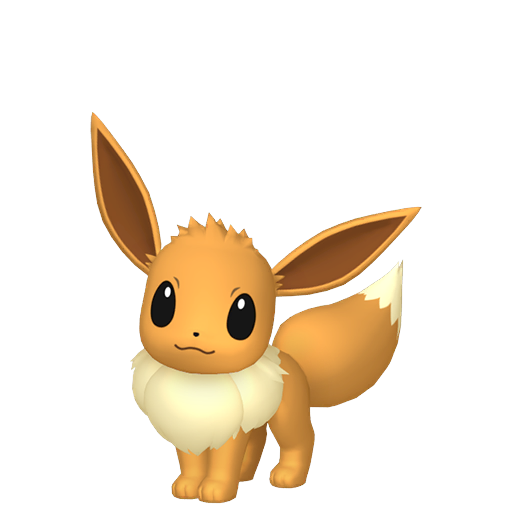
Eevee is a small, quadrupedal Pokémon standing just 0.3 meters tall and weighing only 6.5 kilograms, giving it a compact, mammalian appearance that resembles a small canine or feline creature. Its most distinctive physical feature is its ability to undergo radical genetic transformation—a capability rooted in its unusually configured DNA structure that reacts to environmental stimuli and elemental radiation. The Pokédex entries from Gold and Silver versions note that Eevee can alter the composition of its body to suit its surrounding environment, with its irregularly configured DNA being directly affected by external factors. This biological plasticity is unparalleled in the Pokémon world and serves as the scientific foundation for its eight evolutionary pathways. Eevee's base stats reveal a creature with balanced but unexceptional capabilities: moderate HP at 55, equal Attack and Speed values at 55, modest Special Attack at 45, and a slightly higher Special Defense at 65, reflecting its role as a foundational Pokémon awaiting specialization. Its abilities—Run Away, Adaptability, and the hidden ability Anticipation—provide utility options that complement different playstyles, with Adaptability particularly notable for doubling its same-type attack bonus from 1.5× to 2× when using Normal-type moves.
Pokedex Numbers
Training
Breeding
Eevee Breeding, Gender Ratio & Egg Groups
Eevee exhibits a pronounced sexual dimorphism in population ratios, with 87.5% of wild and bred individuals being male compared to only 12.5% being female, creating a significant gender bias that influences breeding mechanics and population dynamics within the Pokémon world. This substantial skew toward males reflects similar patterns observed in nature among certain animal species and adds a layer of biological realism to Pokémon reproduction mechanics. Despite this gender imbalance, Eevee can breed effectively as long as at least one female is available or a male Eevee is paired with a compatible Pokémon species in the Field egg group, producing Eevee eggs that hatch after 35 egg cycles (requiring approximately 8,739 to 8,995 steps of travel). The species belongs to the Field egg group, allowing it to breed with various other Pokémon and indicating its terrestrial, ground-based ecological niche. Eevee's base happiness value of 70 reflects its natural friendliness and willingness to bond with trainers, a characteristic that becomes mechanically significant given that several of its evolutionary forms—Espeon and Umbreon—require high friendship to evolve. This breeding profile makes Eevee an accessible choice for players seeking to establish breeding populations early in their games, with the abundance of males potentially allowing players to maintain stable breeding lines without relying solely on female specimens.
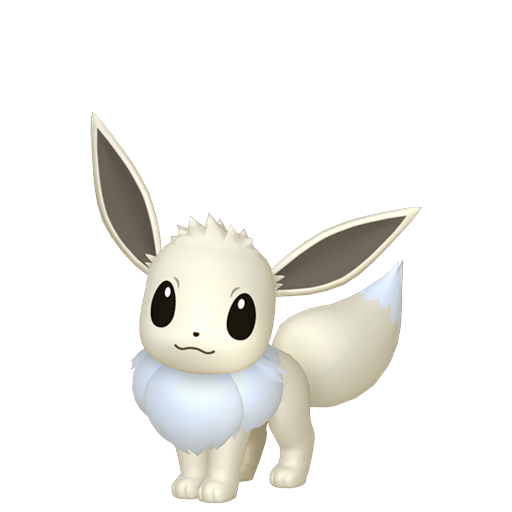
Sprites




TMs & HMs
tm01
lets go pikachu lets go eevee
tm01
ultra sun ultra moon
tm01
sun moon
tm02
crystal
tm02
gold silver
tm02
sword shield
tm03
crystal
tm03
gold silver
tm03
lets go pikachu lets go eevee
tm04
emerald
tm04
firered leafgreen
tm04
ruby sapphire
tm04
diamond pearl
tm04
xd
tm04
heartgold soulsilver
tm04
black white
tm04
colosseum
tm04
platinum
tm04
sun moon
tm04
ultra sun ultra moon
+475 more TMs/HMs
Regional & Special Forms
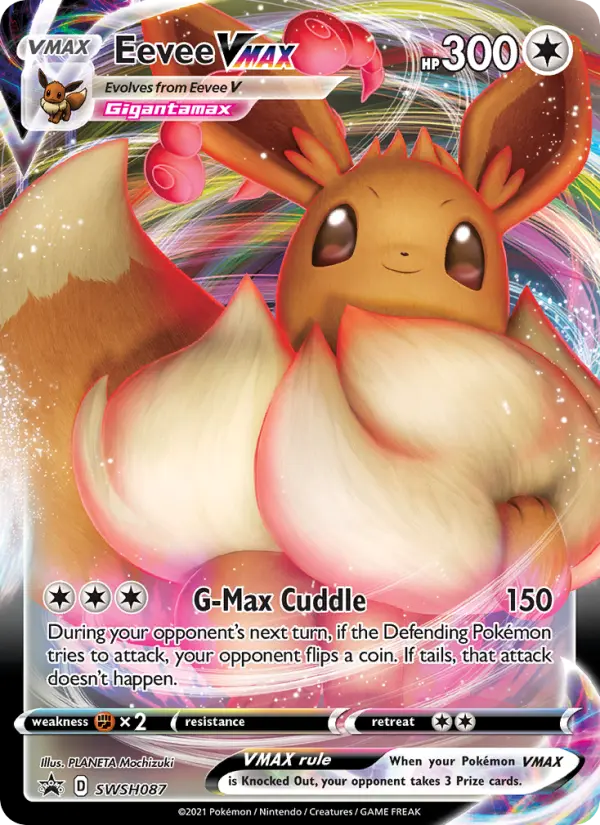
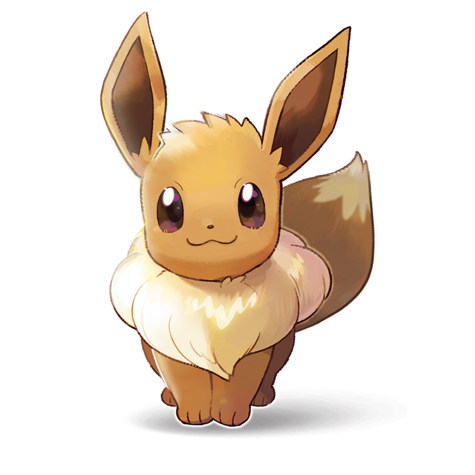
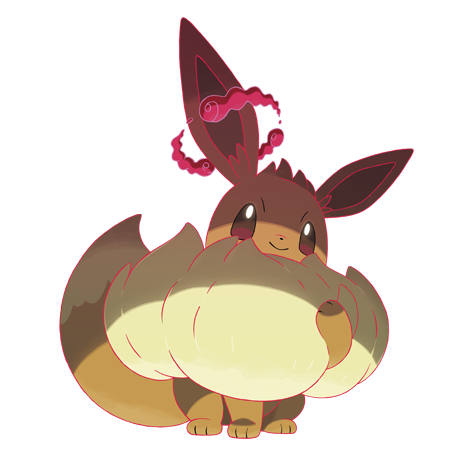
Eevee also has 2 related forms: Starter Eevee and Gigantamax Eevee.
Gender Differences
This Pokémon has visible differences between male and female forms.
Eevee's Evolution Chain


Eevee Evolution, Mega Evolution & Special Forms
Eevee's evolutionary line stands as the most extensive in the Pokémon franchise, with eight confirmed evolutionary branches that fundamentally transform its type, stats, and capabilities. The original three evolutionary pathways, established in Generation I, are triggered by elemental stones: the Water Stone produces Vaporeon, the Thunder Stone creates Jolteon, and the Fire Stone generates Flareon. Generation II expanded this system with two friendship-based evolutions dependent on time of day—Espeon evolves during daylight hours with high friendship, while Umbreon evolves during nighttime hours with the same friendship requirement. Generation IV introduced location-based evolutions that added environmental storytelling to Eevee's transformations: Leafeon requires leveling near a Moss Rock (or exposure to a Leaf Stone in later generations), while Glaceon requires proximity to an Ice Rock (or an Ice Stone). The most recent evolutionary addition came in Generation VI with Sylveon, which requires Eevee to know a Fairy-type move and maintain high friendship or two hearts of affection, reflecting the introduction of the Fairy-type itself. Each evolved form dramatically alters Eevee's stat distribution, pushing base totals to 435 with specialized allocations that define their competitive niches—Espeon gains Special Attack, Umbreon favors Special Defense, and Vaporeon becomes a special walls. Notably, special Eevee forms exist that cannot evolve: the Partner Eevee from Pokémon Let's Go and Gigantamax Eevee, which transforms into a colossal companion with access to the exclusive G-Max Cuddle move, demonstrating that even non-evolution transformations can dramatically enhance Eevee's capabilities.
Where to Find
Celadon City
kanto
+4 more
Goldenrod City
johto
+2 more
Hearthome City
sinnoh
Castelia City
unova
+7 more
Kalos Route 10
kalos
+3 more
Paniola Ranch
alola
+1 more
Alola Route 6
alola
+5 more
Alola Route 4
alola
+1 more
Kanto Route 17
kanto
Pallet Town
kanto
Eevee Behaviour and Natural Habitat
Little is documented in the games about Eevee's specific behavioral patterns or natural habitat preferences, as its adaptability allows it to thrive in virtually any environment where it might encounter elemental stones or the environmental conditions necessary for evolution. The species appears to be relatively common and distributed across multiple regions, given its availability in nearly every mainline Pokémon game and its status as a starter choice in Pokémon: Let's Go, Eevee! This widespread presence suggests Eevee possesses remarkable resilience and flexibility in choosing habitats, aligning with its biological capacity for rapid environmental adaptation. Trainer-raised Eevee demonstrates loyal and affectionate temperament, with a base friendship value of 70 indicating it bonds readily with its caretakers. The species' hunting and survival strategies likely vary significantly depending on which evolutionary form it ultimately becomes, as a Water-type Vaporeon would employ completely different behavioral and ecological strategies compared to a Fire-type Flareon or Psychic-type Espeon, suggesting that Eevee itself may be generalist foragers without highly specialized predatory behaviors. As a creature with an 87.5% male to 12.5% female gender ratio, wild populations may exhibit complex social hierarchies based on this significant gender imbalance.
Pokedex Entries
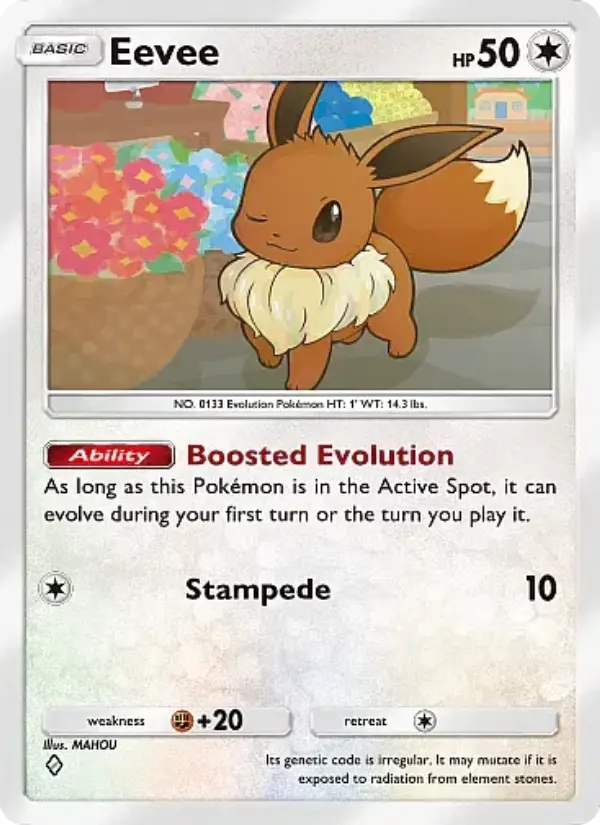
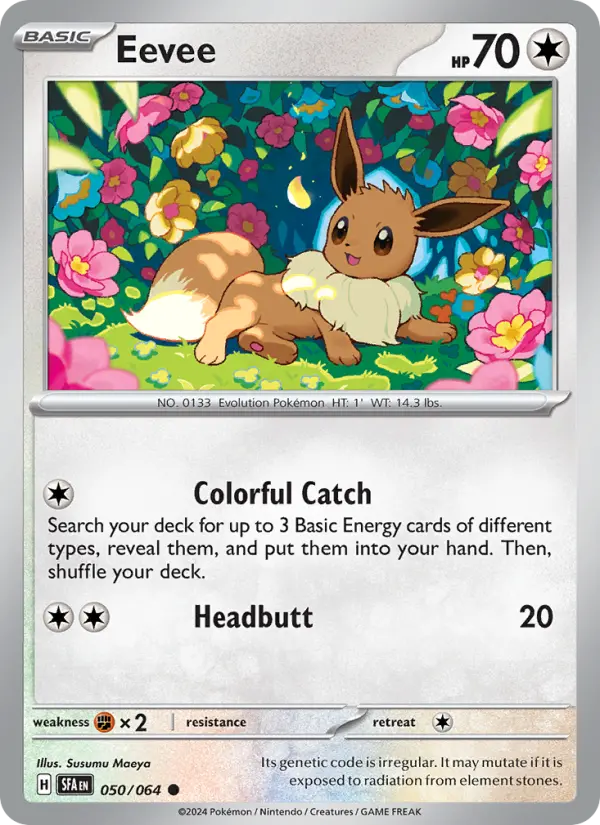
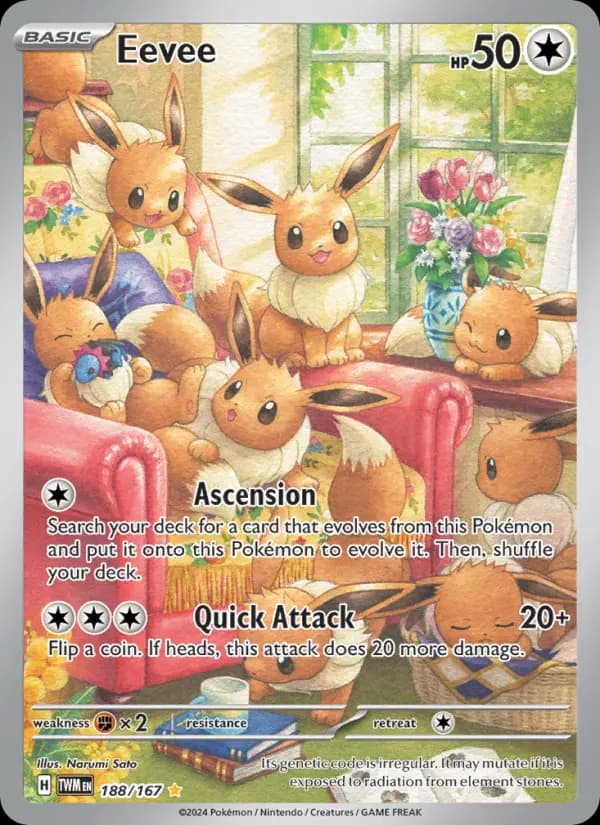
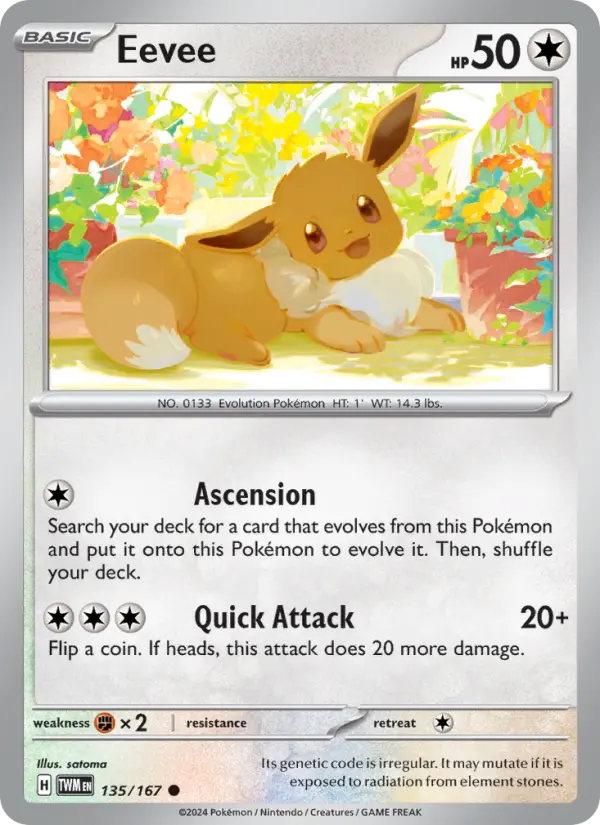
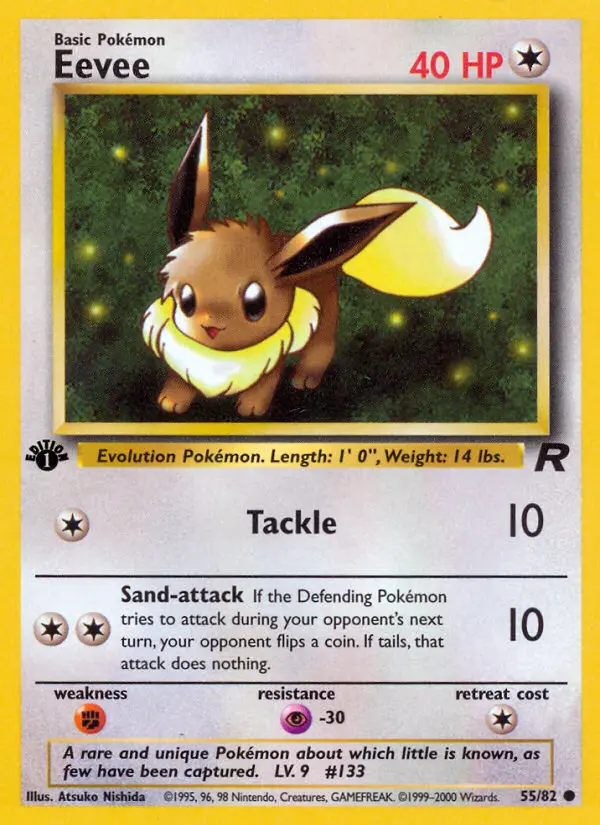
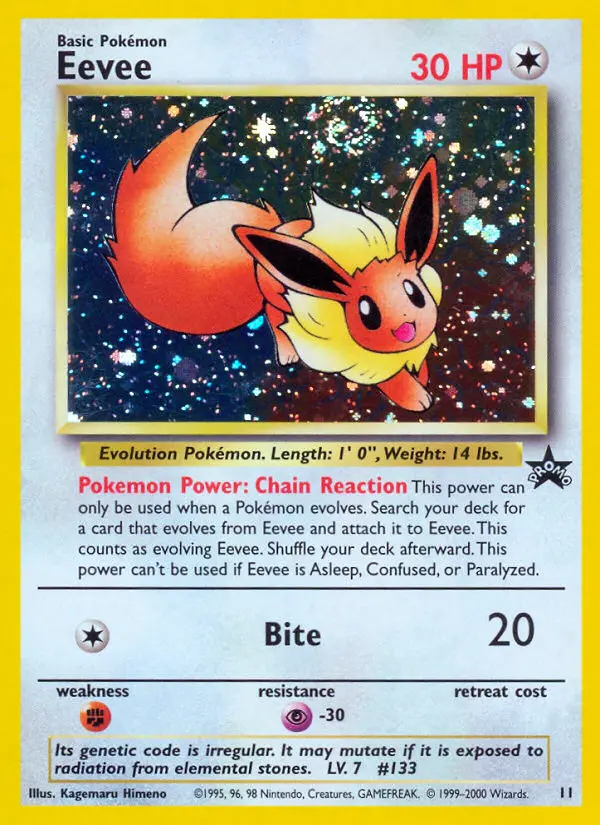
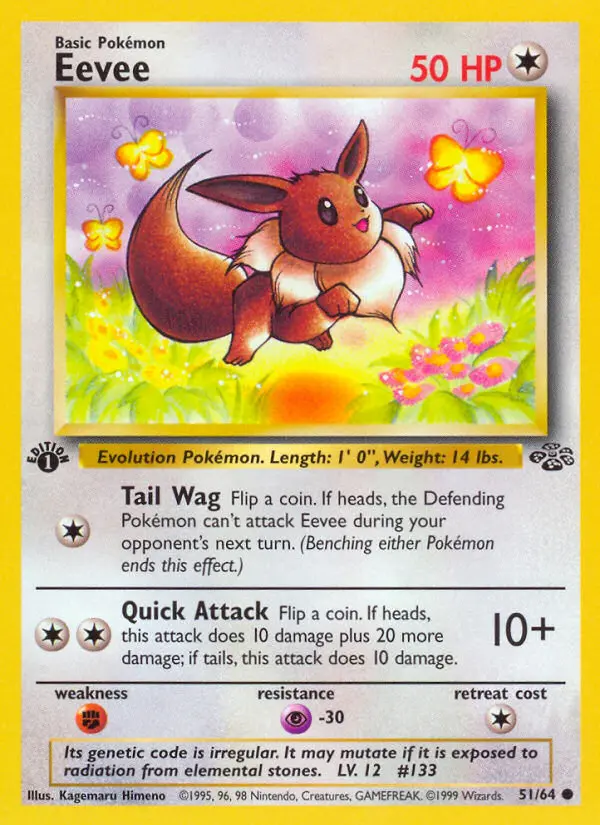
Its genetic code is irregular. It may mutate if it is exposed to radiation from element STONEs.
Its genetic code is unstable, so it could evolve in a variety of ways. There are only a few alive.
It has the ability to alter the com position of its body to suit its surrounding envi ronment.
Its irregularly configured DNA is affected by its surroundings. It evolves if its en vironment changes.
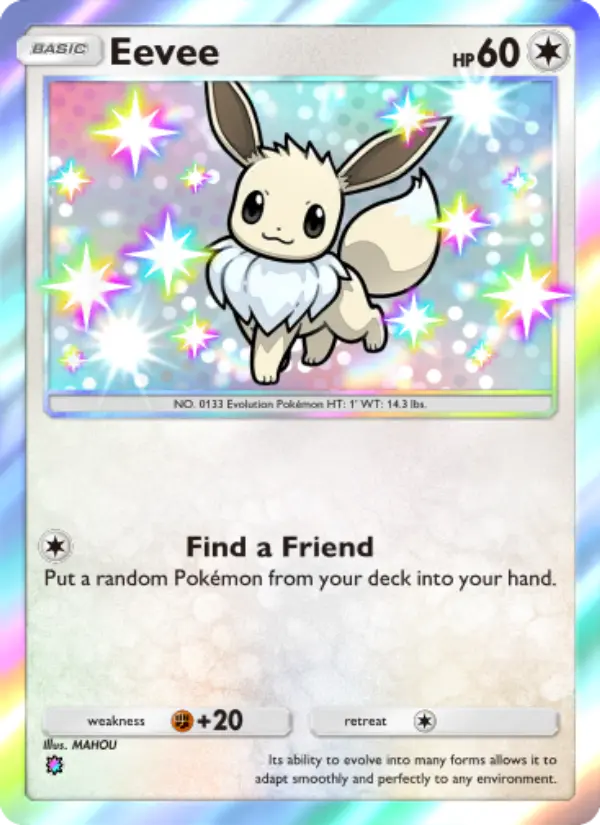
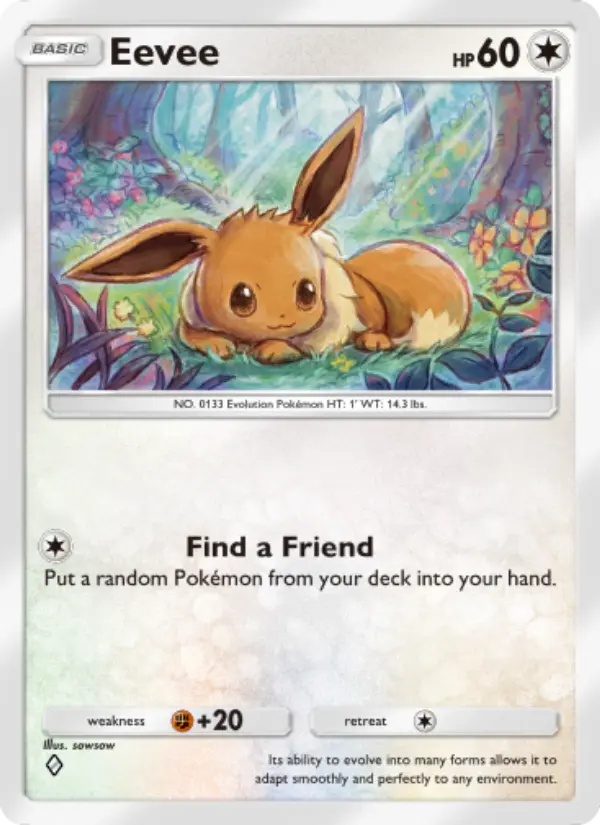
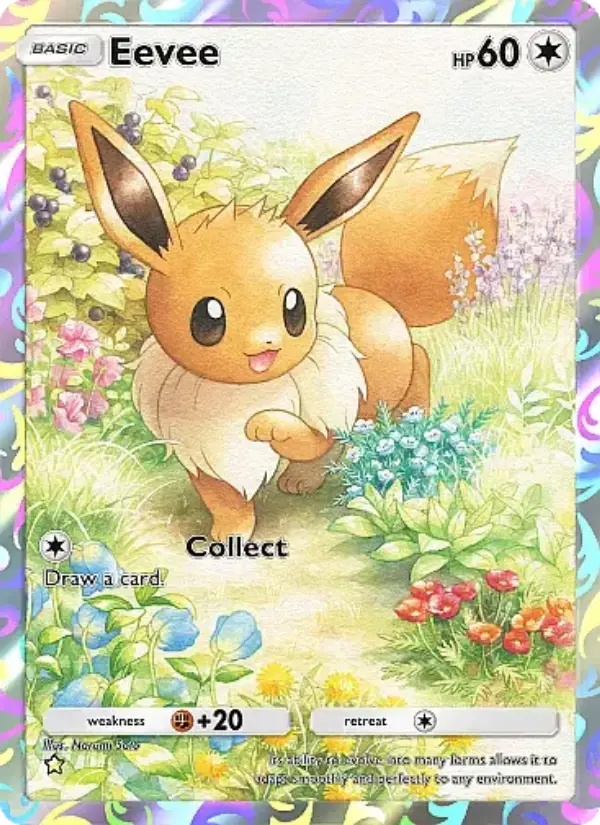
Its ability to evolve into many forms allows it to adapt smoothly and perfectly to any environment.
EEVEE has an unstable genetic makeup that suddenly mutates due to the environment in which it lives. Radiation from various STONES causes this POKéMON to evolve.
An EEVEE has an unstable genetic makeup that suddenly mutates due to its environment. Radiation from various STONES causes this POKéMON to evolve.
An extremely rare POKéMON that may evolve in a number of different ways depending on stimuli.
Its genetic code is irregular. It may mutate if it is exposed to radiation from element STONES.
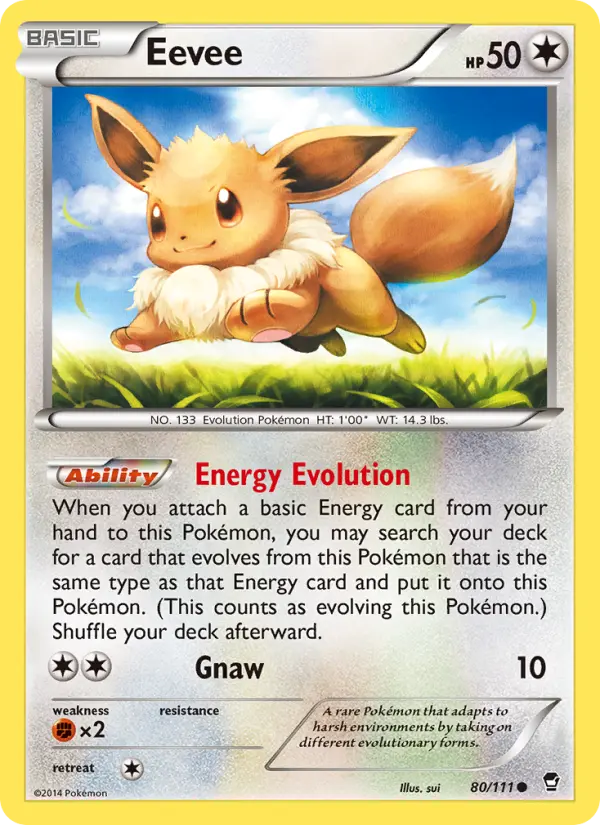
A rare Pokémon that adapts to harsh environments by taking on different evolutionary forms.
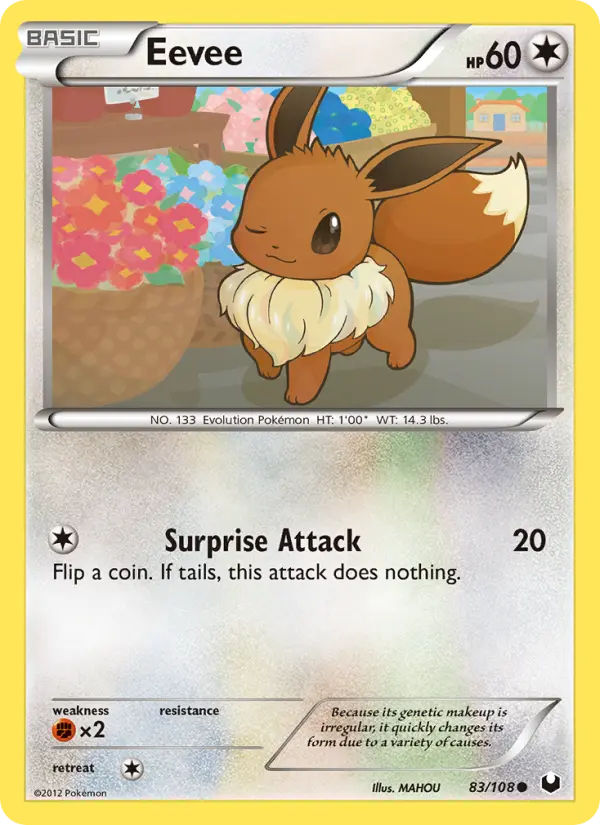
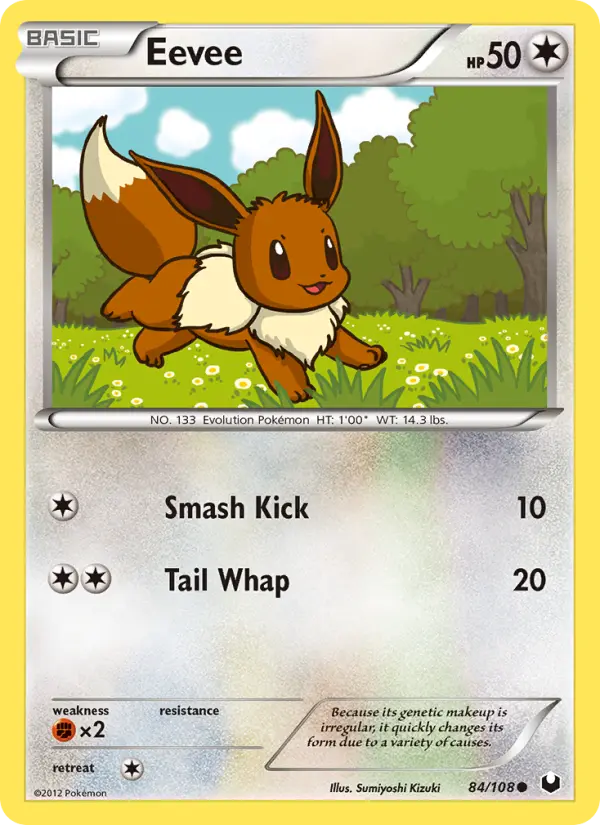
Because its genetic makeup is irregular, it quickly changes its form due to a variety of causes.
It has the ability to alter the composition of its body to suit its surrounding environment.
Its irregularly configured DNA is affected by its surroundings. It evolves if its environment changes.
Because its genetic makeup is irregular, it quickly changes its form due to a variety of causes.
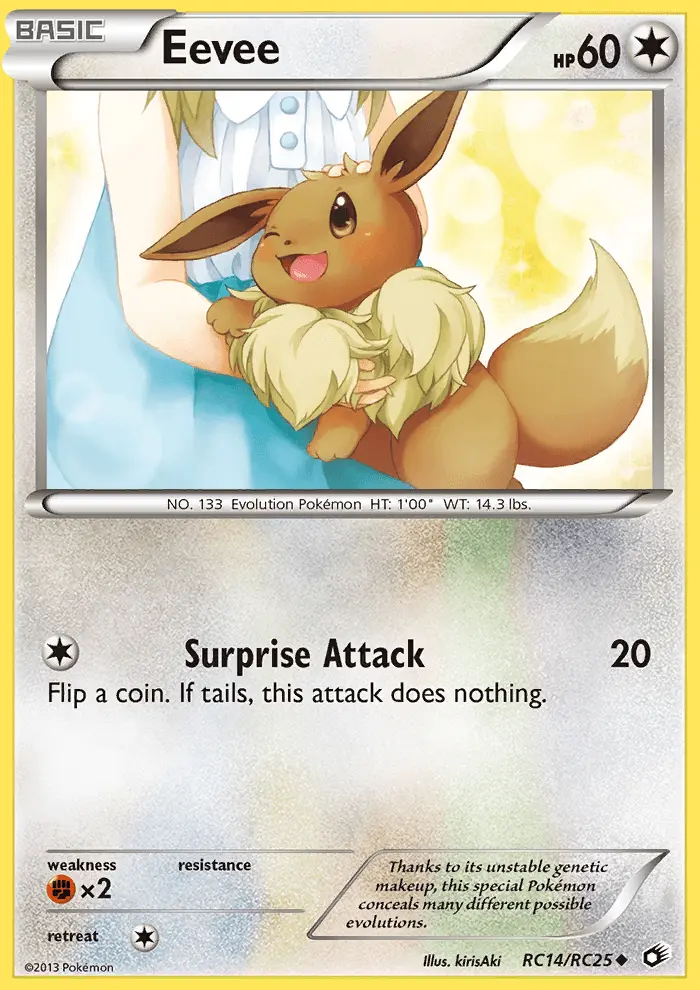
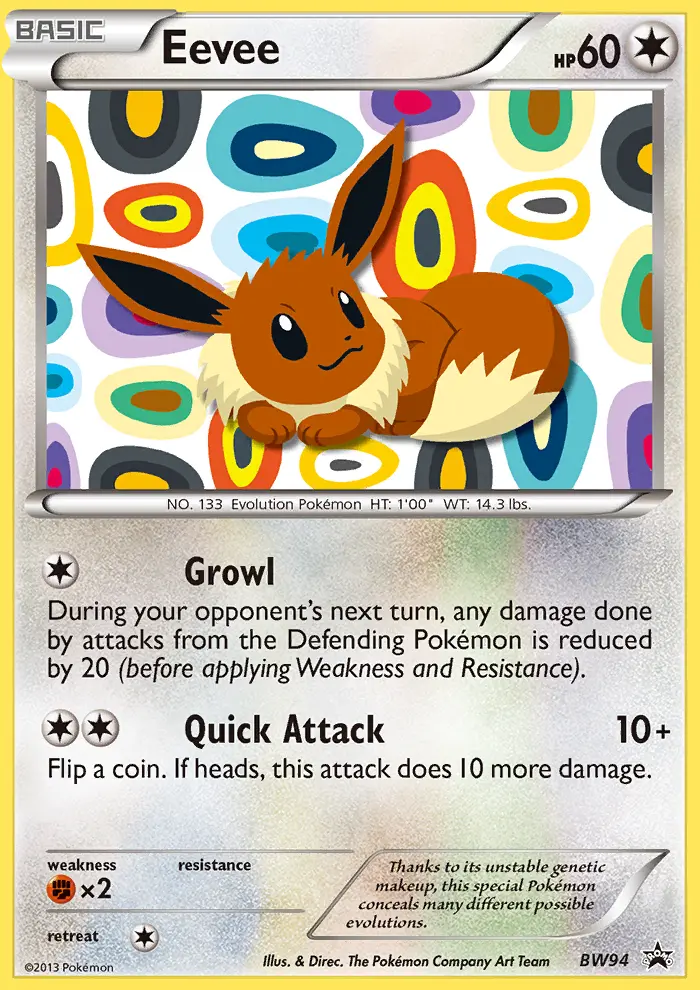
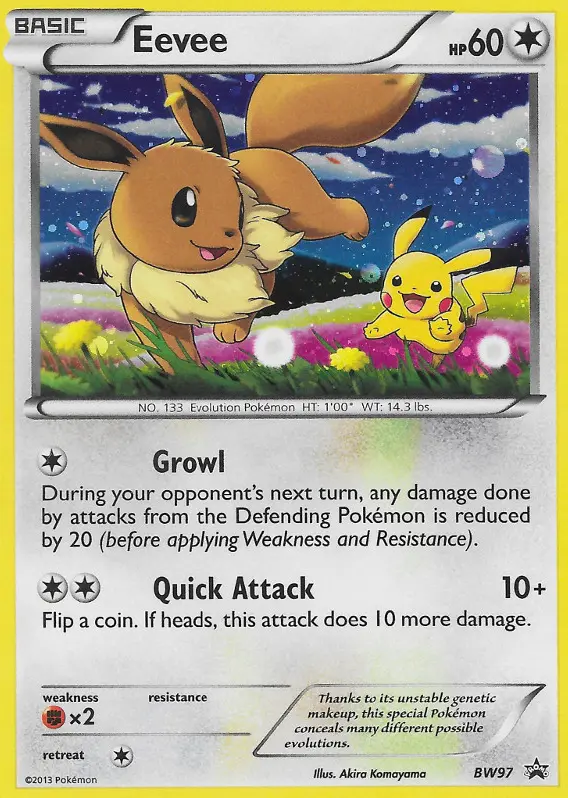
Thanks to its unstable genetic makeup, this special Pokémon conceals many different possible evolutions.
A rare Pokémon that adapts to harsh environments by taking on different evolutionary forms.
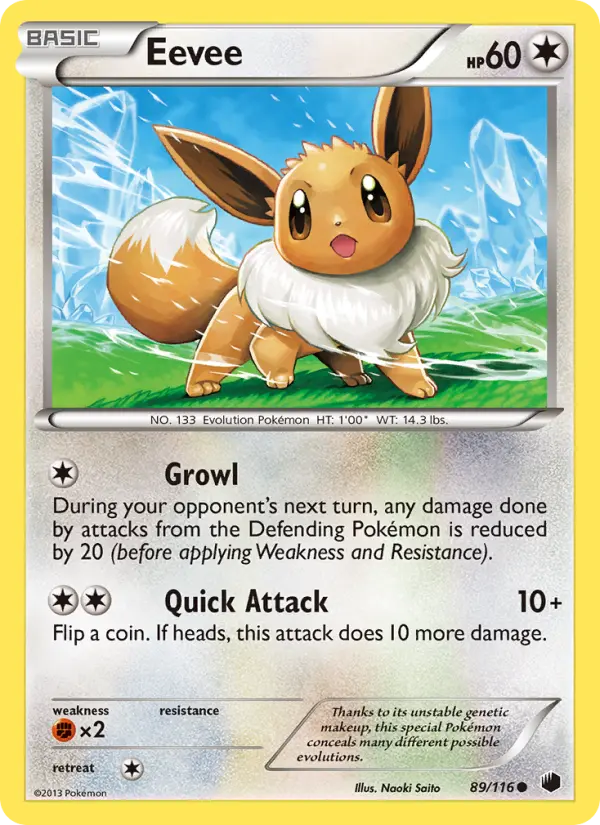
Thanks to its unstable genetic makeup, this special Pokémon conceals many different possible evolutions.
Eevee has an unstable genetic makeup that suddenly mutates due to the environment in which it lives. Radiation from various stones causes this Pokémon to evolve.
Possessing an unbalanced and unstable genetic makeup, it conceals many possible evolutions.
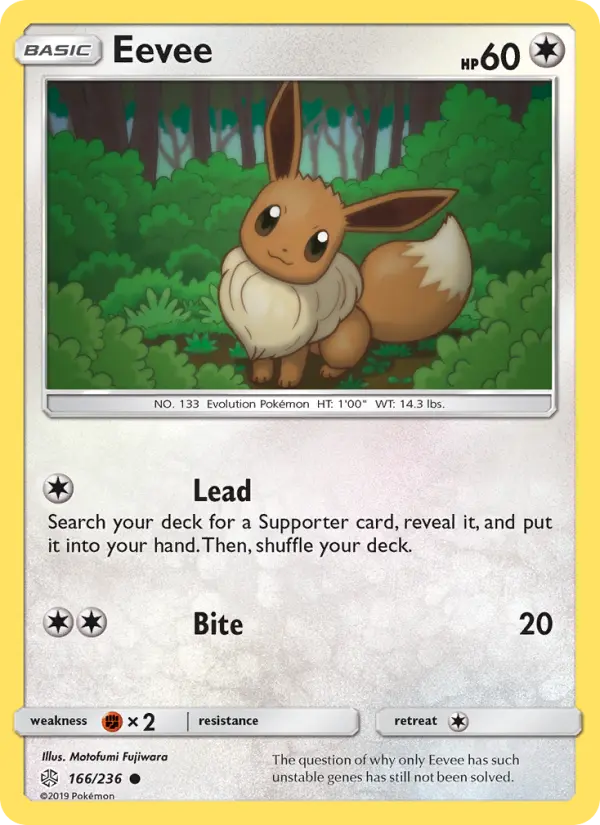
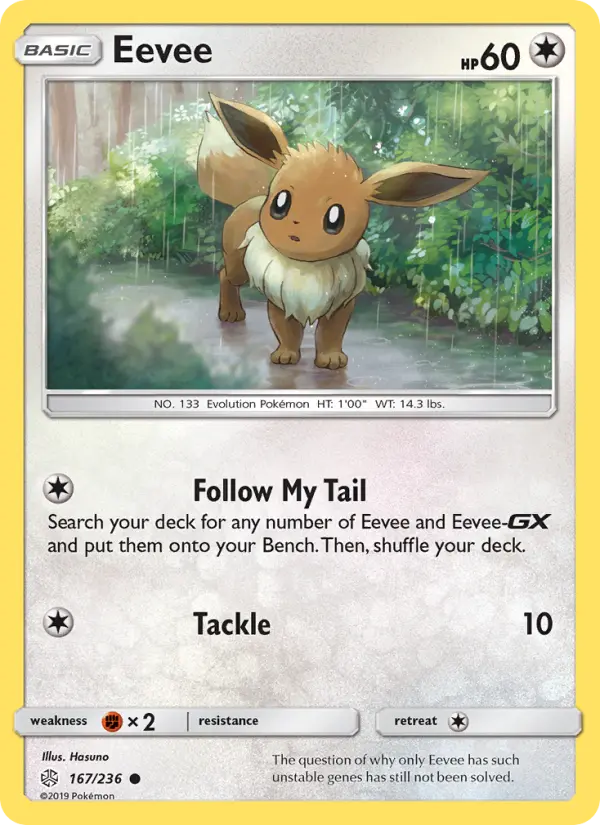
The question of why only Eevee has such unstable genes has still not been solved.
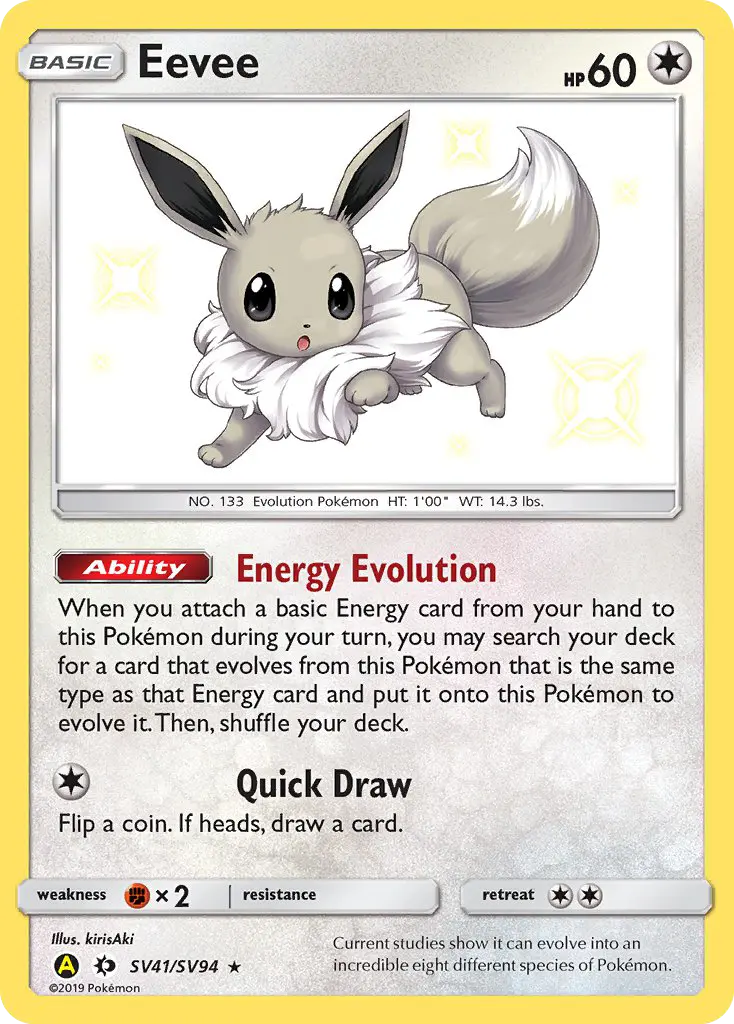
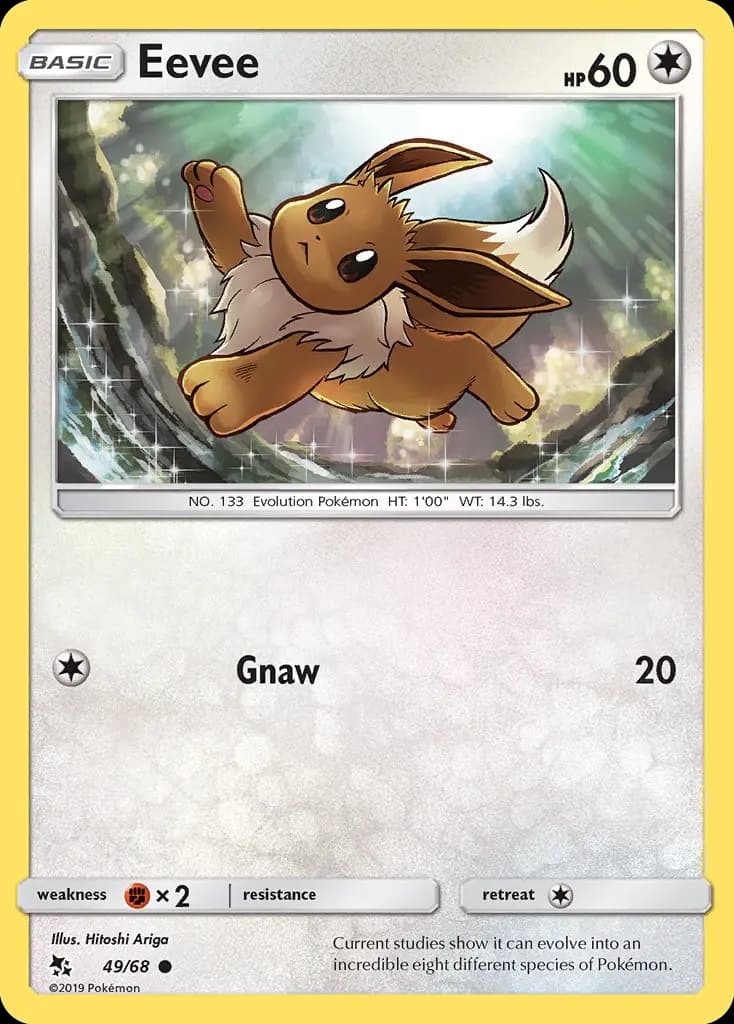
Current studies show it can evolve into an incredible eight different species of Pokémon.
Its genes are easily influenced by its surroundings. Even its face starts to look like that of its Trainer.
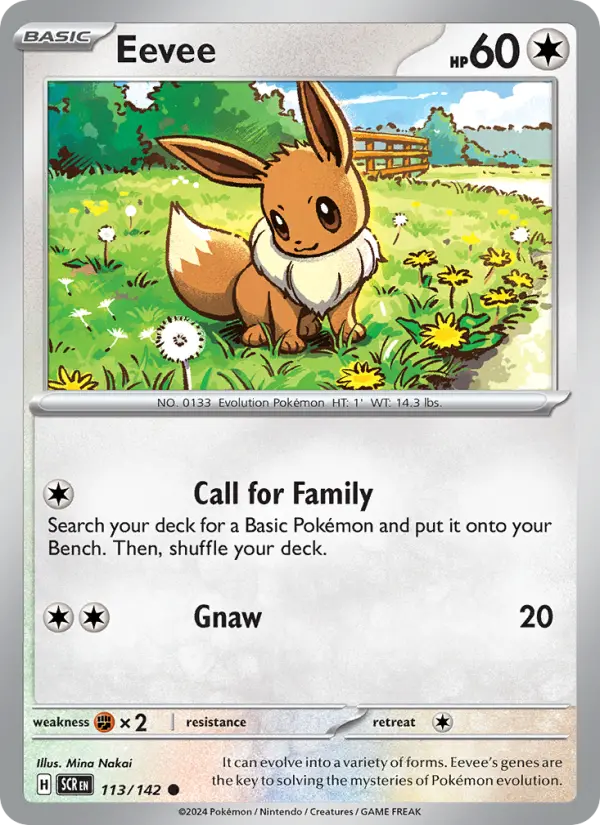
It can evolve into a variety of forms. Eevee’s genes are the key to solving the mysteries of Pokémon evolution.
It has the ability to alter the composition of its body to suit its surrounding environment.
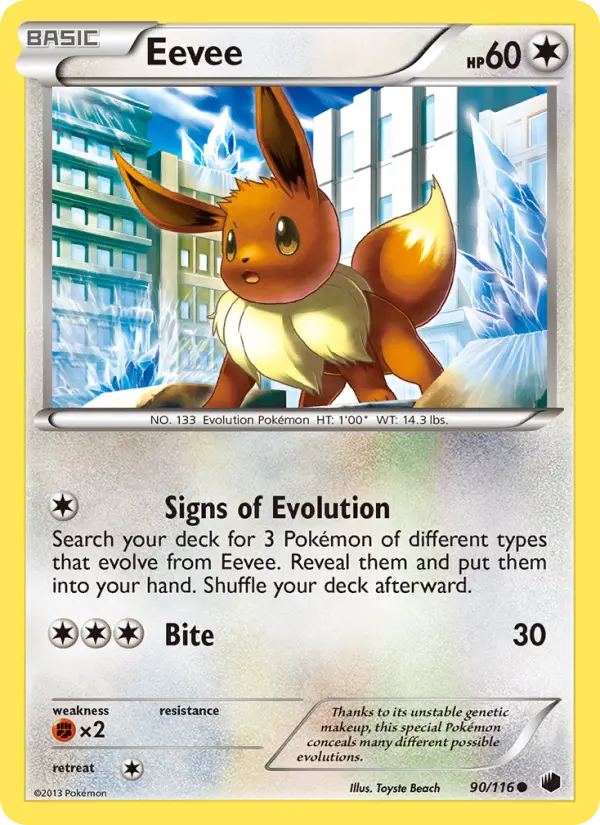
Thanks to its unstable genetic makeup, this special Pokémon conceals many different possible evolutions.
Harbors the potential to evolve into manifold forms. Within Eevee lies the key to the mysteries of Pokémon evolution—I'm certain of it.
Eevee Name Origin & Design Inspiration
Eevee's design brilliantly captures the essence of biological potential and adaptability through its fox-like or cat-like appearance—a deliberately ambiguous quadrupedal form that hints at its capacity for radical transformation. Its brown coloring provides a neutral baseline that contrasts sharply with the vivid colors of its evolved forms, establishing a visual hierarchy where the base form appears unfinished or waiting to be shaped into something more specialized. The creature's name derives from the word 'evolution' itself, with the Japanese name 'Eievui' maintaining phonetic similarity to this concept, making its designation a direct reference to its primary gameplay and biological function. The design philosophy behind Eevee reflects Game Freak's intention to create a Pokémon that could serve as a narrative device for discussing adaptation and environmental influence—concepts that were relatively novel in the initial Pokémon games. Aesthetically, Eevee's fluffy texture, pointed ears, and innocent expression make it inherently appealing to a broad audience, contributing to its role as the franchise mascot for the Let's Go series and its prominent placement in Pokémon Café Mix. The evolutionary pathways each build upon Eevee's basic template, introducing type-specific coloring and morphological changes that make each evolution feel like a natural extension of its potential rather than an unrelated creature. This design continuity—where evolutions maintain recognizable Eevee characteristics while becoming specialized—has made the entire evolutionary line visually cohesive and instantly recognizable to players.
Learnable Moves
Eevee can learn 74 moves:
Move | Type | Cat. | Power | Acc. | PP |
|---|---|---|---|---|---|
| alluring voice | fairy | Special | 80 | 100 | 10 |
| attract | normal | Status | — | 100 | 15 |
| baby doll eyes | fairy | Status | — | 100 | 30 |
| baton pass | normal | Status | — | — | 40 |
| bide | normal | Physical | — | — | 10 |
| bite | dark | Physical | 60 | 100 | 25 |
| body slam | normal | Physical | 85 | 100 | 15 |
| calm mind | psychic | Status | — | — | 20 |
| captivate | normal | Status | — | 100 | 20 |
| charm | fairy | Status | — | 100 | 20 |
| confide | normal | Status | — | — | 20 |
| copycat | normal | Status | — | — | 20 |
| covet | normal | Physical | 60 | 100 | 25 |
| curse | ghost | Status | — | — | 10 |
| detect | fighting | Status | — | — | 5 |
| dig | ground | Physical | 80 | 100 | 10 |
| double kick | fighting | Physical | 30 | 100 | 30 |
| double team | normal | Status | — | — | 15 |
| double edge | normal | Physical | 120 | 100 | 15 |
| echoed voice | normal | Special | 40 | 100 | 15 |
| endure | normal | Status | — | — | 10 |
| facade | normal | Physical | 70 | 100 | 20 |
| fake tears | dark | Status | — | 100 | 20 |
| flail | normal | Physical | — | 100 | 15 |
| focus energy | normal | Status | — | — | 30 |
| frustration | normal | Physical | — | 100 | 20 |
| growl | normal | Status | — | 100 | 40 |
| headbutt | normal | Physical | 70 | 100 | 15 |
| heal bell | normal | Status | — | — | 5 |
| helping hand | normal | Status | — | — | 20 |
| hidden power | normal | Special | 60 | 100 | 15 |
| hyper voice | normal | Special | 90 | 100 | 10 |
| iron tail | steel | Physical | 100 | 75 | 15 |
| laser focus | normal | Status | — | — | 30 |
| last resort | normal | Physical | 140 | 100 | 5 |
| mimic | normal | Status | — | — | 10 |
| mud slap | ground | Special | 20 | 100 | 10 |
| natural gift | normal | Physical | — | 100 | 15 |
| pay day | normal | Physical | 40 | 100 | 20 |
| protect | normal | Status | — | — | 10 |
| quick attack | normal | Physical | 40 | 100 | 30 |
| rage | normal | Physical | 20 | 100 | 20 |
| rain dance | water | Status | — | — | 5 |
| reflect | psychic | Status | — | — | 20 |
| refresh | normal | Status | — | — | 20 |
| rest | psychic | Status | — | — | 5 |
| retaliate | normal | Physical | 70 | 100 | 5 |
| return | normal | Physical | — | 100 | 20 |
| roar | normal | Status | — | — | 20 |
| round | normal | Special | 60 | 100 | 15 |
| sand attack | ground | Status | — | 100 | 15 |
| secret power | normal | Physical | 70 | 100 | 20 |
| shadow ball | ghost | Special | 80 | 100 | 15 |
| skull bash | normal | Physical | 130 | 100 | 10 |
| sleep talk | normal | Status | — | — | 10 |
| snore | normal | Special | 50 | 100 | 15 |
| stored power | psychic | Special | 20 | 100 | 10 |
| substitute | normal | Status | — | — | 10 |
| sunny day | fire | Status | — | — | 5 |
| swagger | normal | Status | — | 85 | 15 |
| swift | normal | Special | 60 | — | 20 |
| synchronoise | psychic | Special | 120 | 100 | 10 |
| tackle | normal | Physical | 40 | 100 | 35 |
| tail whip | normal | Status | — | 100 | 30 |
| take down | normal | Physical | 90 | 85 | 20 |
| tera blast | normal | Special | 80 | 100 | 10 |
| tickle | normal | Status | — | 100 | 20 |
| toxic | poison | Status | — | 90 | 10 |
| trailblaze | grass | Physical | 50 | 100 | 20 |
| trump card | normal | Special | — | — | 5 |
| weather ball | normal | Special | 50 | 100 | 10 |
| wish | normal | Status | — | — | 10 |
| work up | normal | Status | — | — | 30 |
| yawn | normal | Status | — | — | 10 |
Eevee Competitive Battle Guide
In competitive Pokémon battle formats, Eevee itself sees minimal usage due to its modest cumulative stat total of 325 and lack of specialized strengths, with most competitive players immediately recognizing its role as an intermediate form rather than a viable endgame choice. However, Eevee's evolutionary forms dominate various competitive tiers: Espeon and Umbreon function as bulky special attackers and walls respectively in higher tiers, while Vaporeon serves as a physical wall in certain metagames, and Sylveon emerged as a threatening special attacker following its introduction in Generation VI. Eevee's ability Adaptability becomes strategically relevant in hypothetical competitive scenarios, doubling its same-type attack bonus to 2× for Normal-type moves, a buff that would transform its offensive capability significantly if it remained viable through gameplay. The hidden ability Anticipation provides predictive utility, allowing Eevee to identify super-effective moves, self-destruct variants, or one-hit KO moves before committing to battle strategy, offering informational advantages in competitive team compositions. Most competitive players treat Eevee as a novelty choice in casual formats or lower-tier competitions, focusing instead on its specialized evolutions that provide superior stat distributions and type coverage for their intended strategies. The Run Away ability, while situationally useful for avoiding wild Pokémon encounters, holds no competitive value, further reducing Eevee's viability in serious tournament play.
Commonly Asked Questions About Eevee
What type is Eevee?
Eevee is a normal type Pokemon.
What does Eevee evolve into?
Eevee evolves into vaporeon, then into jolteon, then into flareon, then into espeon, then into umbreon, then into leafeon, then into glaceon, then into sylveon.
What are Eevee's weaknesses?
Eevee is weak to fighting type moves.
Does Eevee evolve by trading?
No — Eevee evolves entirely through leveling up, with no trade required at any stage.
Where can I find Eevee?
Eevee can be found in celadon city (kanto), goldenrod city (johto) and hearthome city (sinnoh) and 7 other locations.
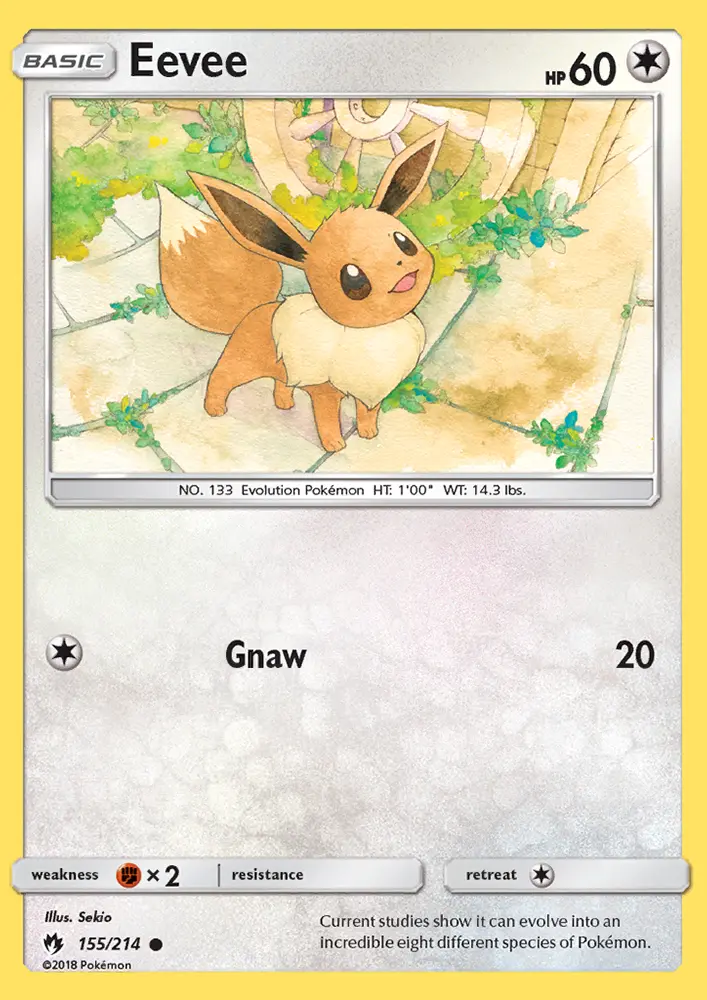
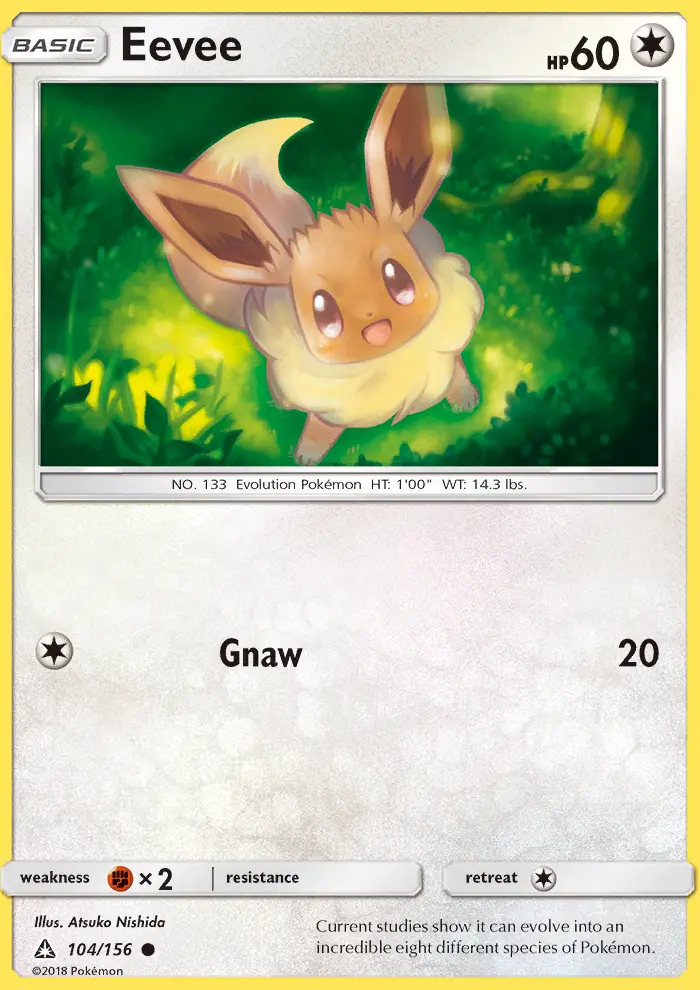
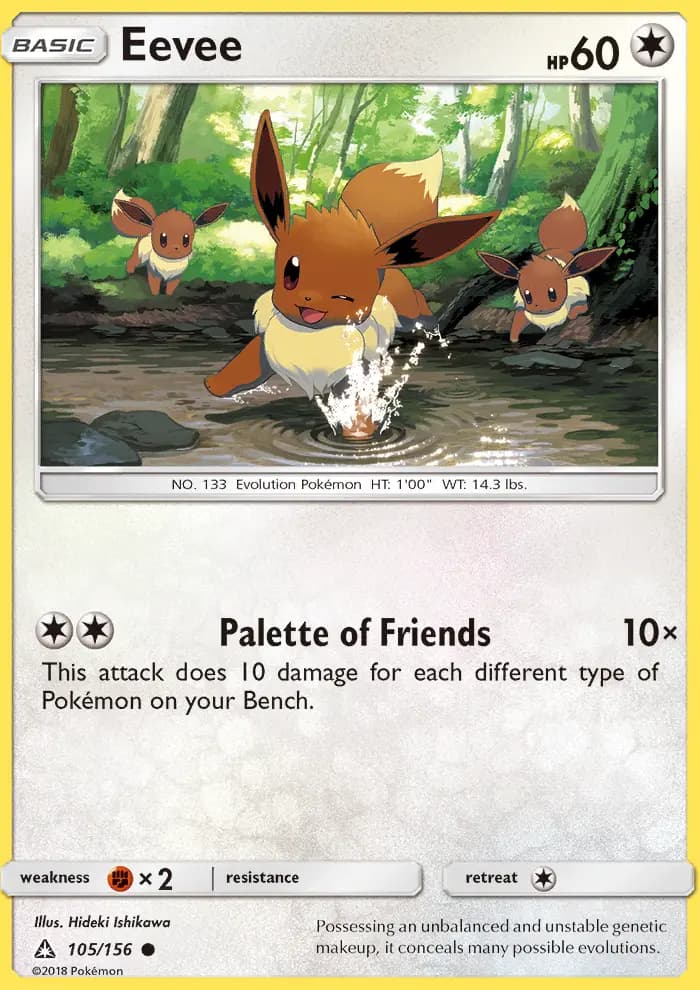
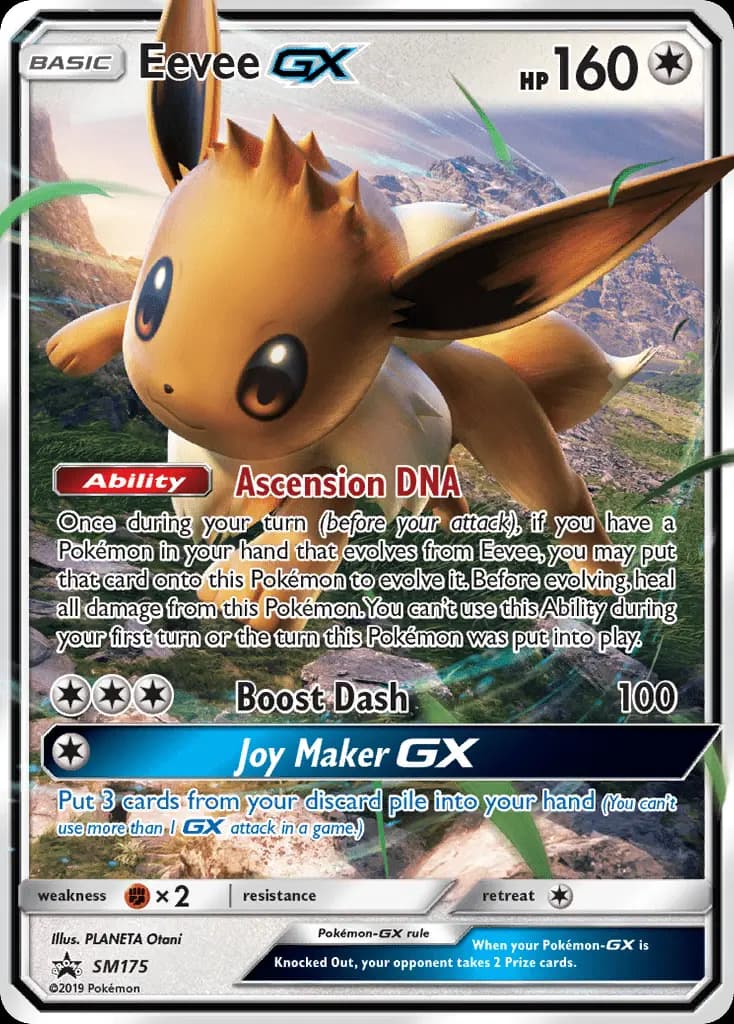
Eevee Cultural Impact & Franchise History
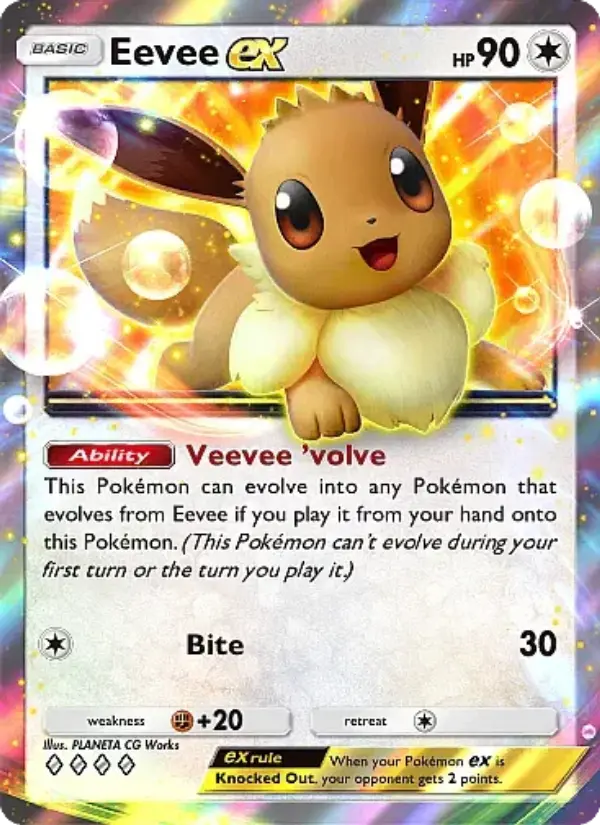
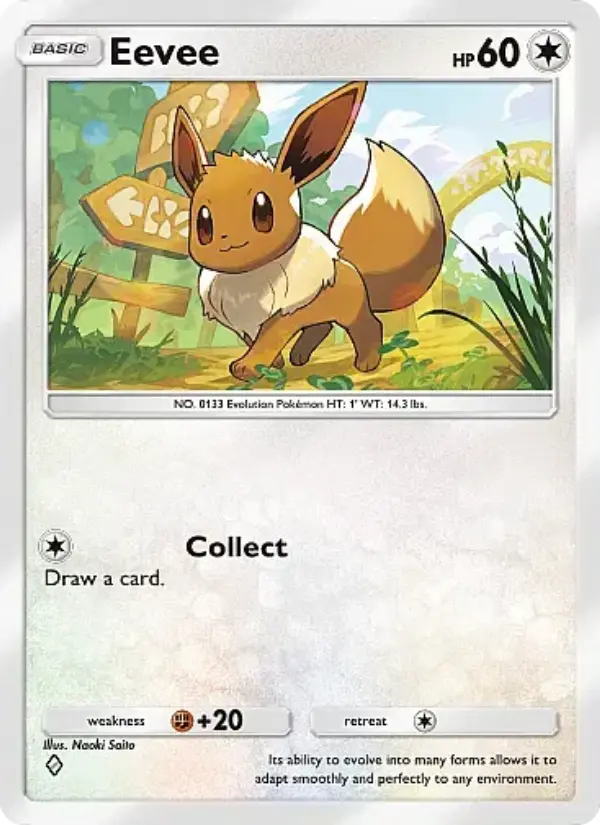
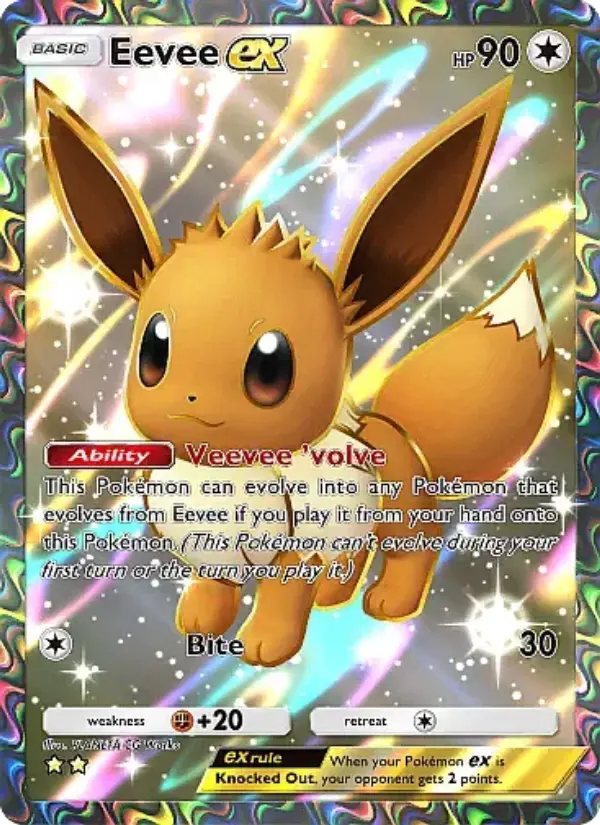
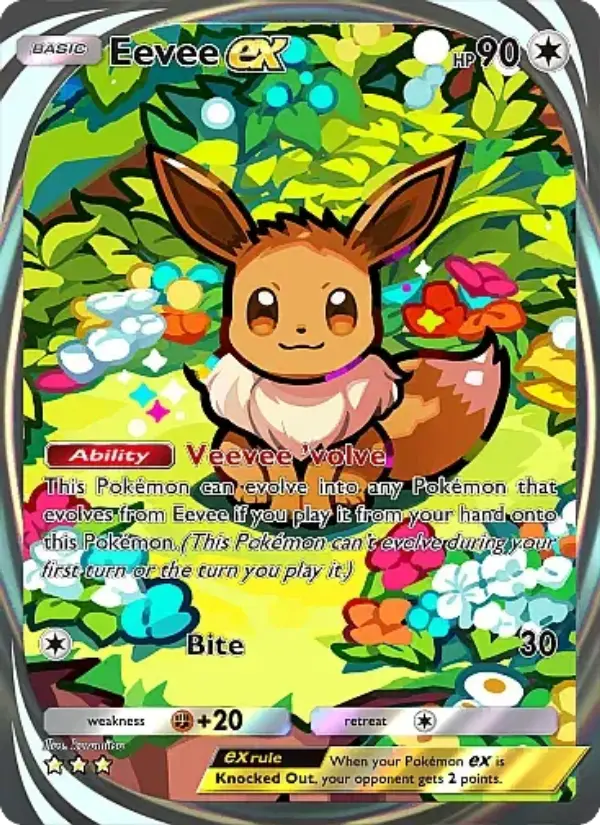
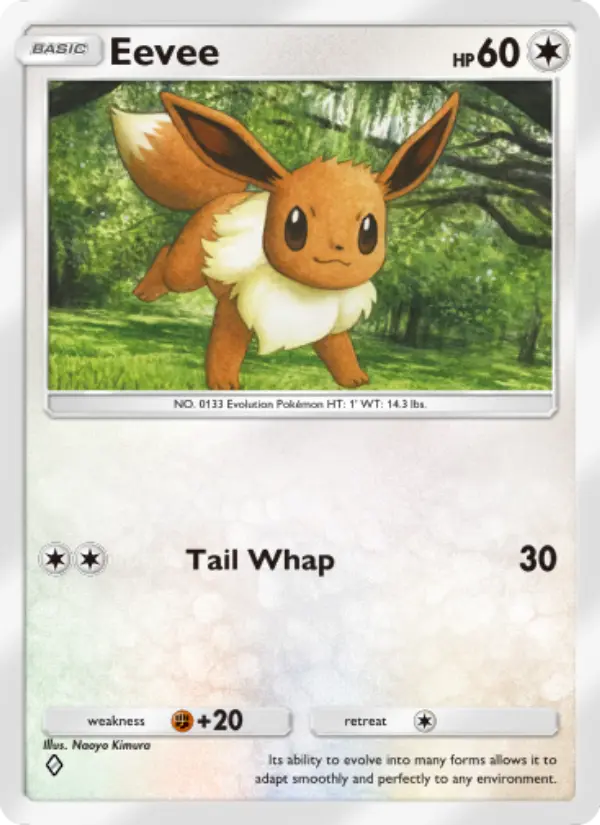
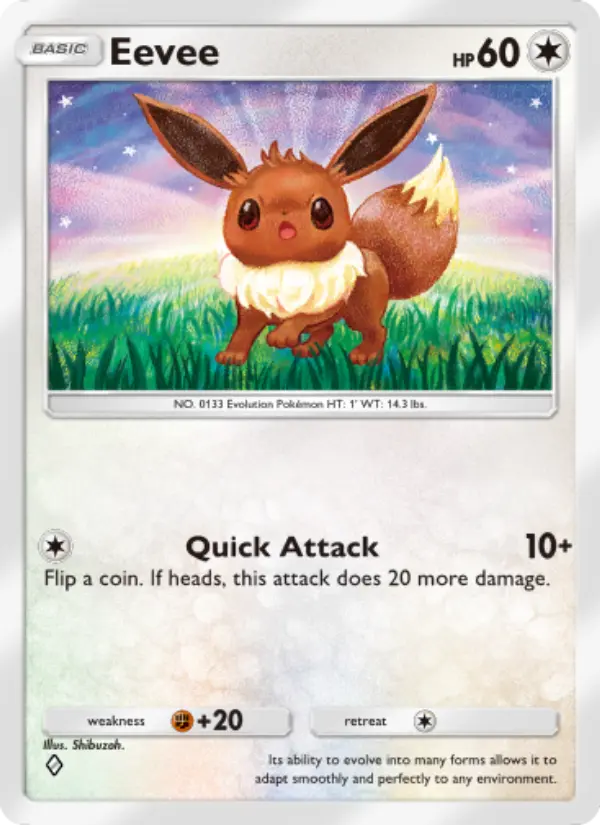
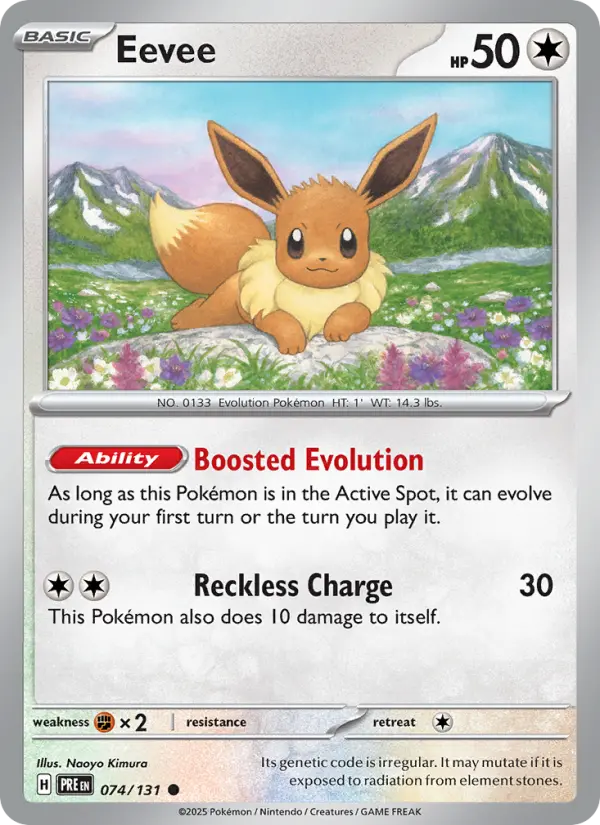
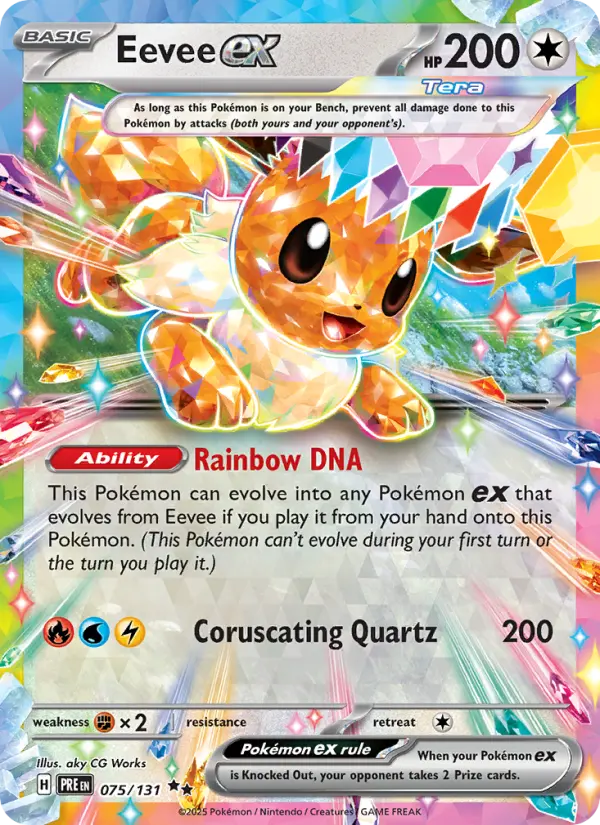
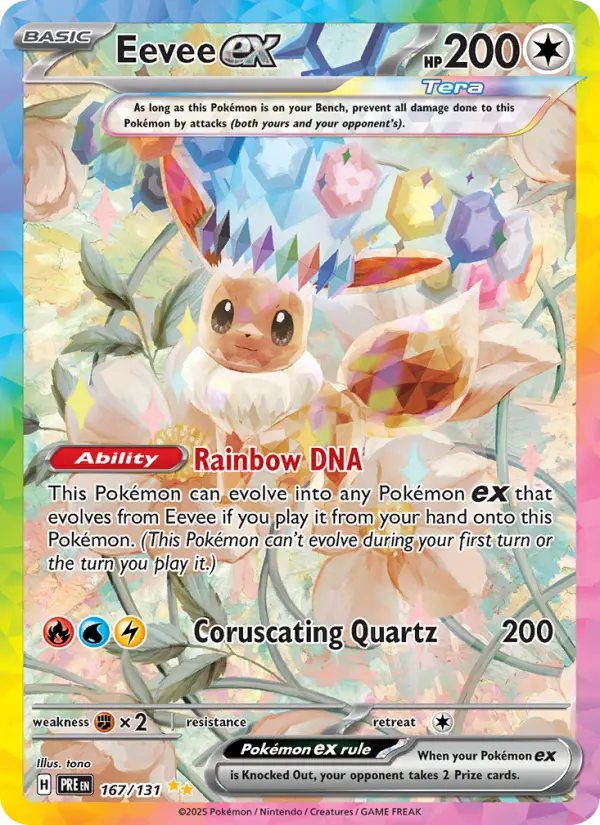
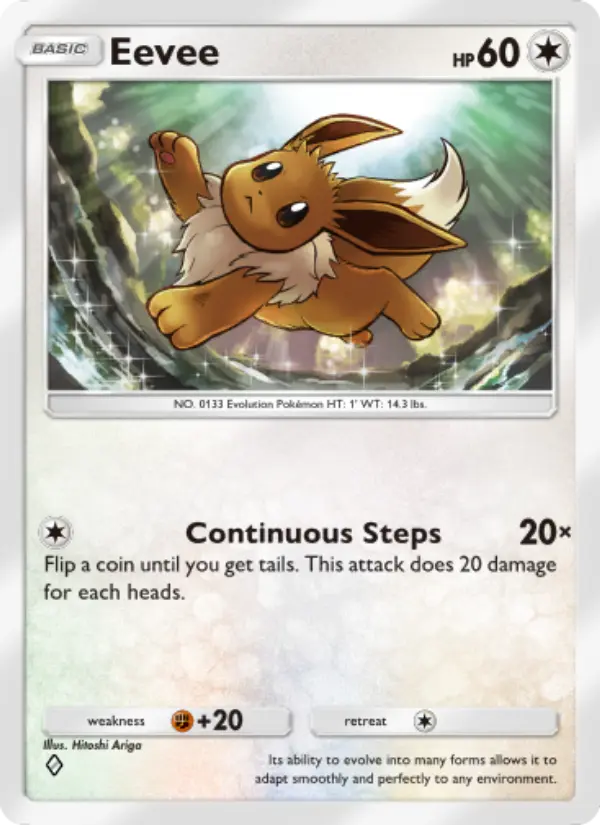
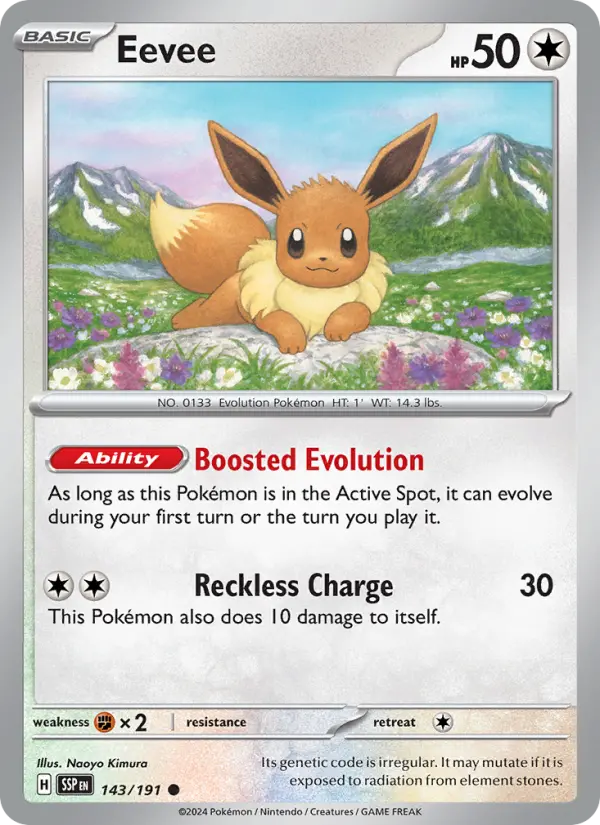
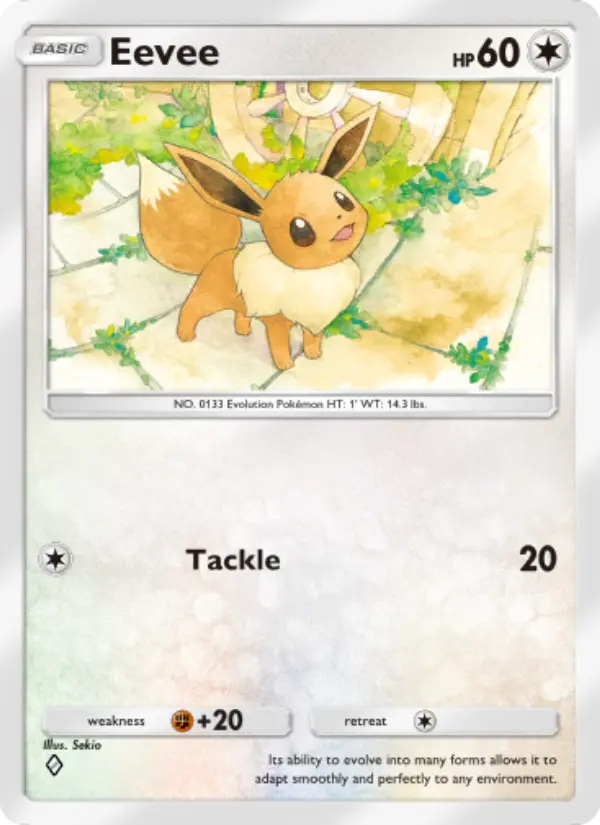
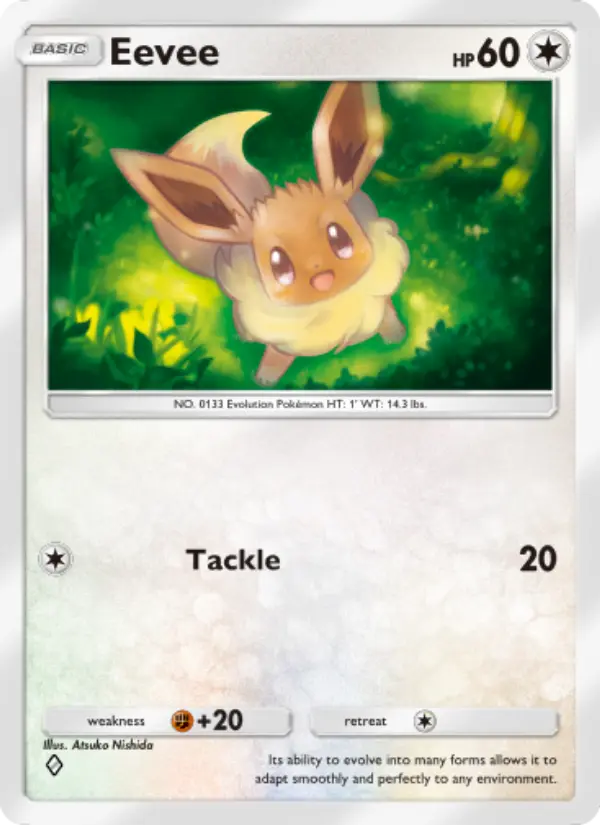
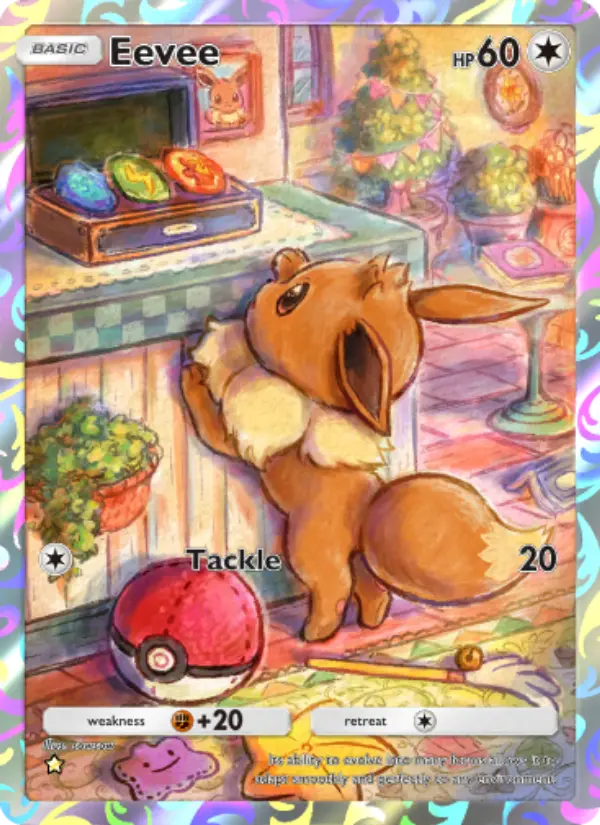
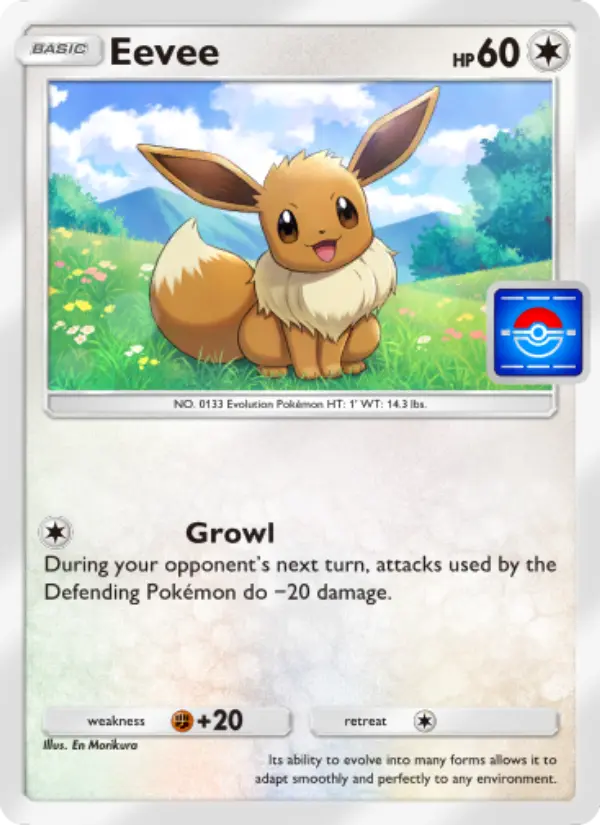
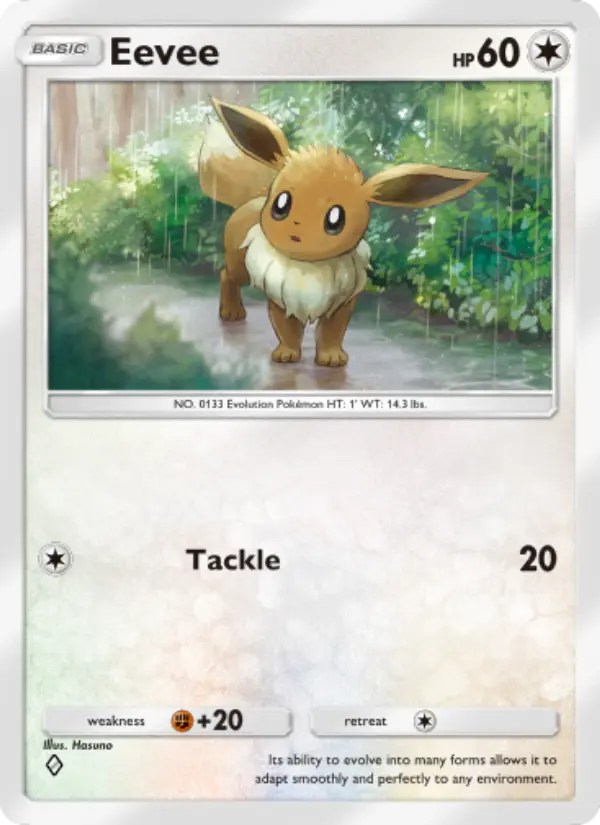
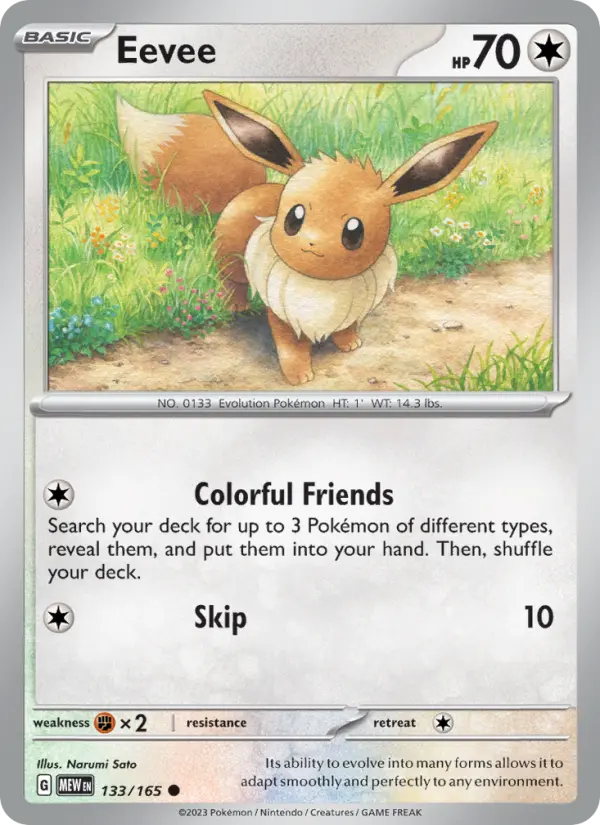
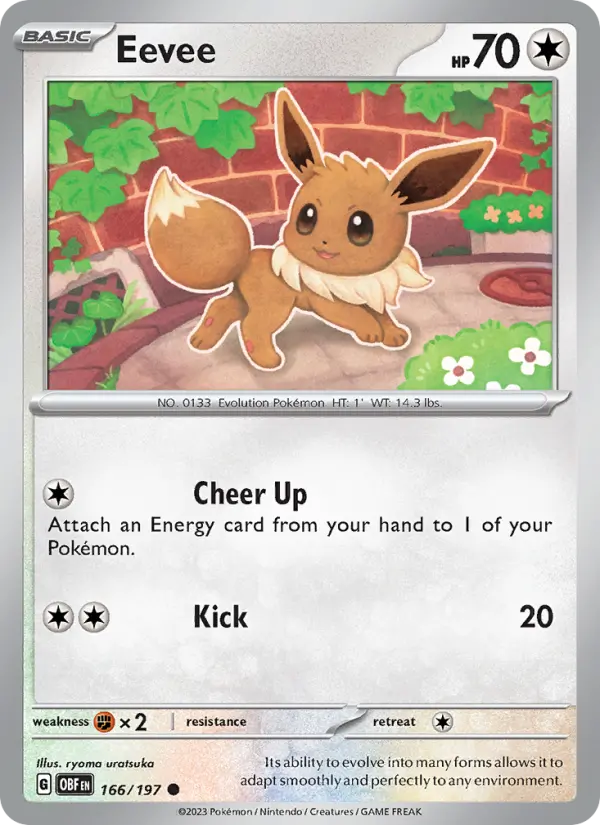
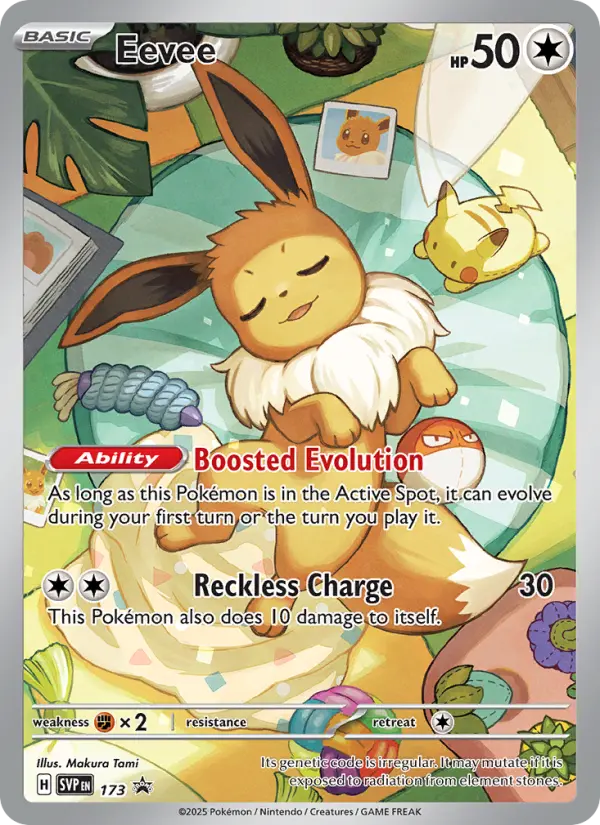
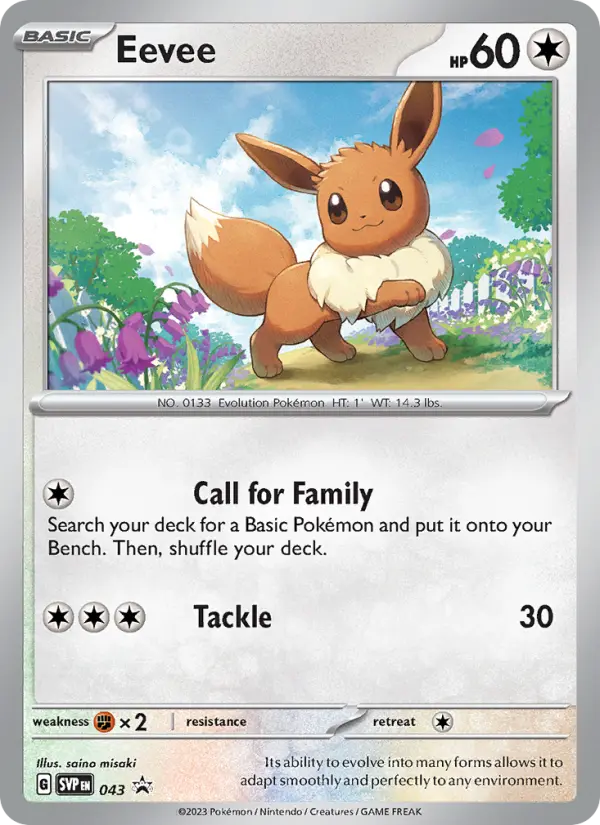
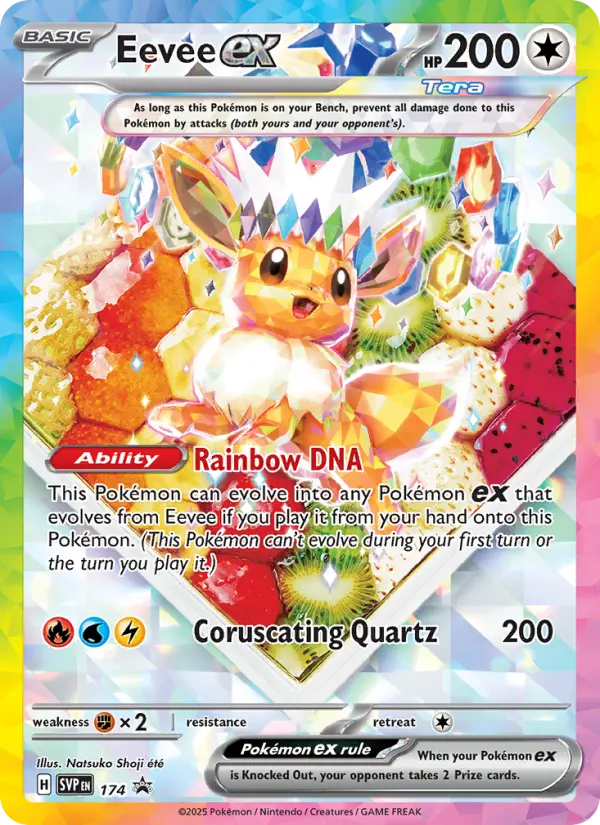
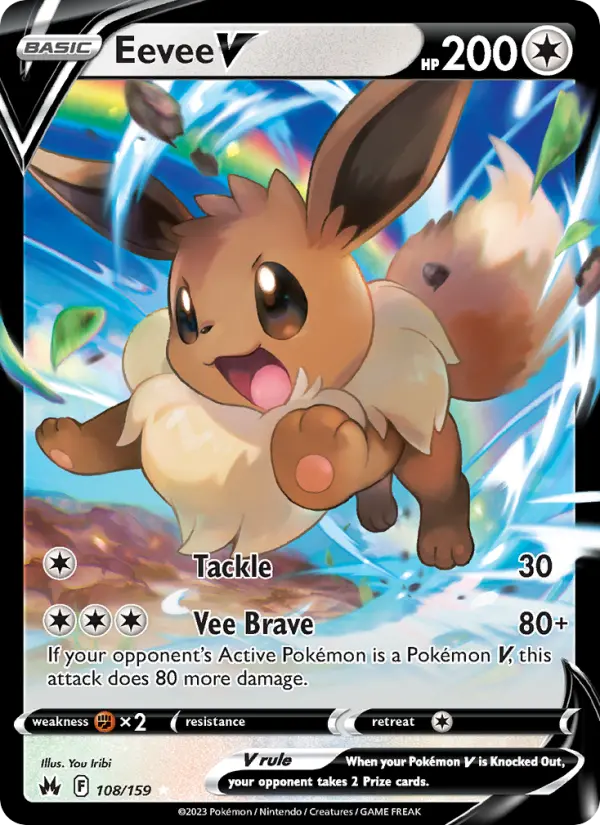
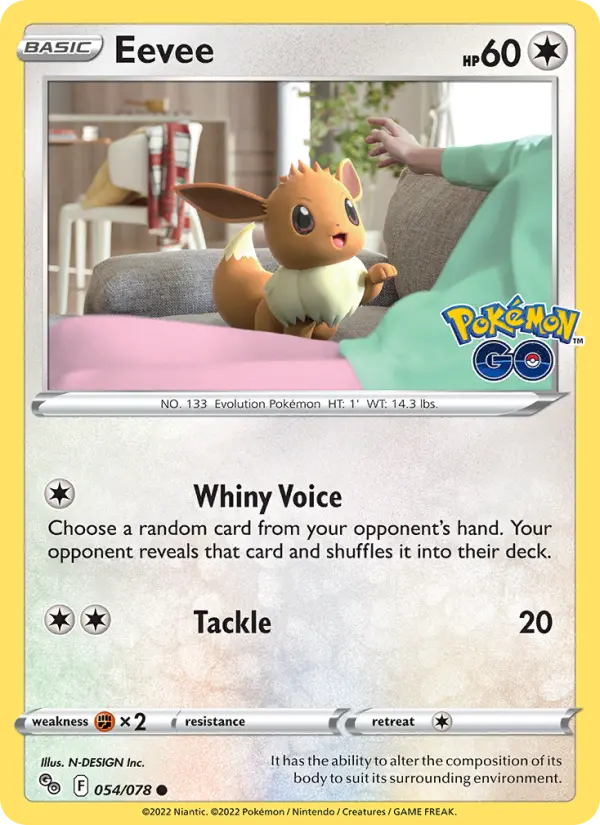
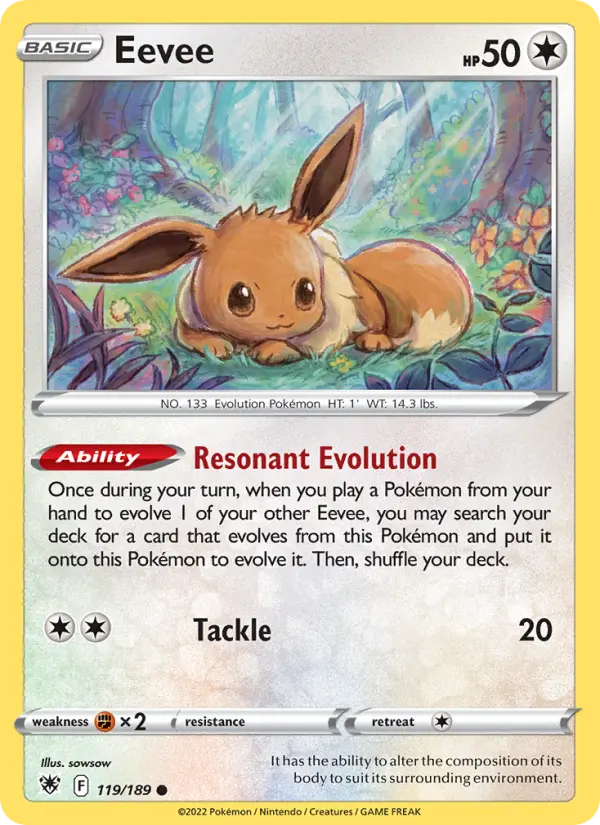
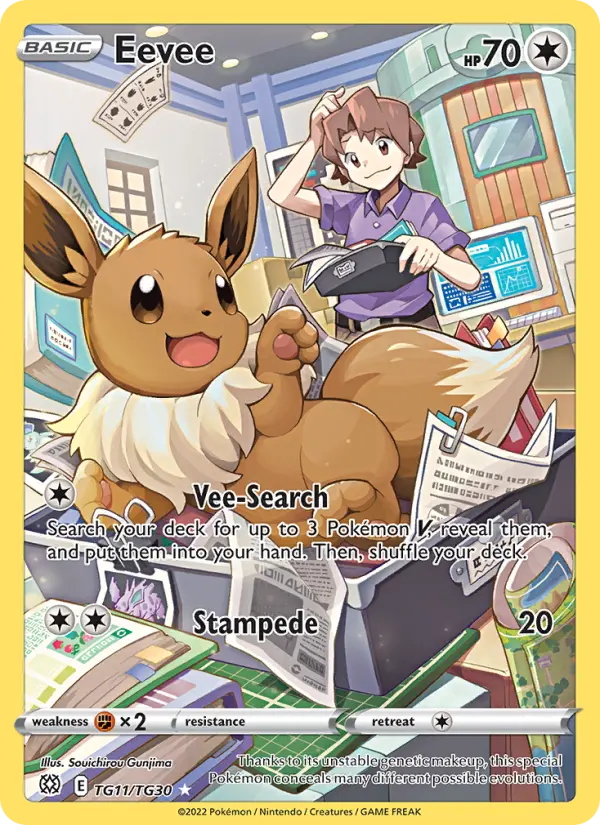
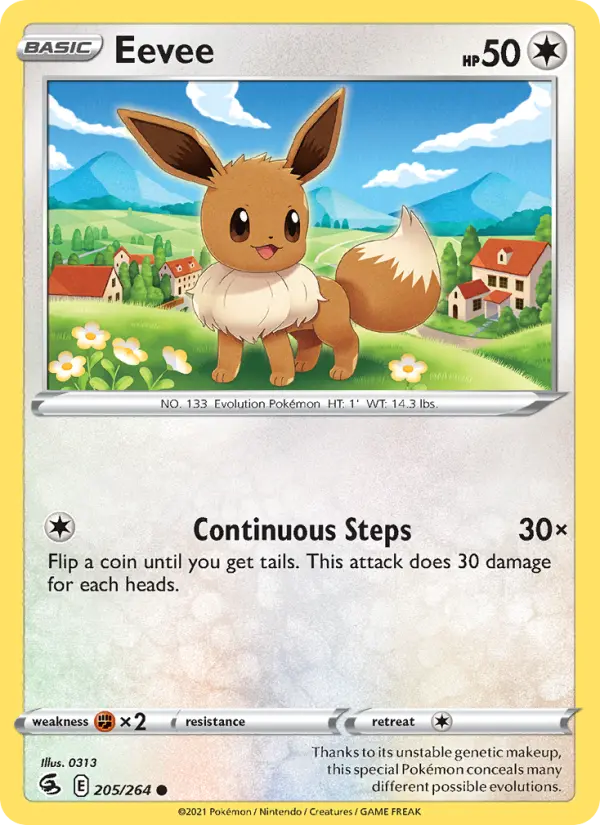
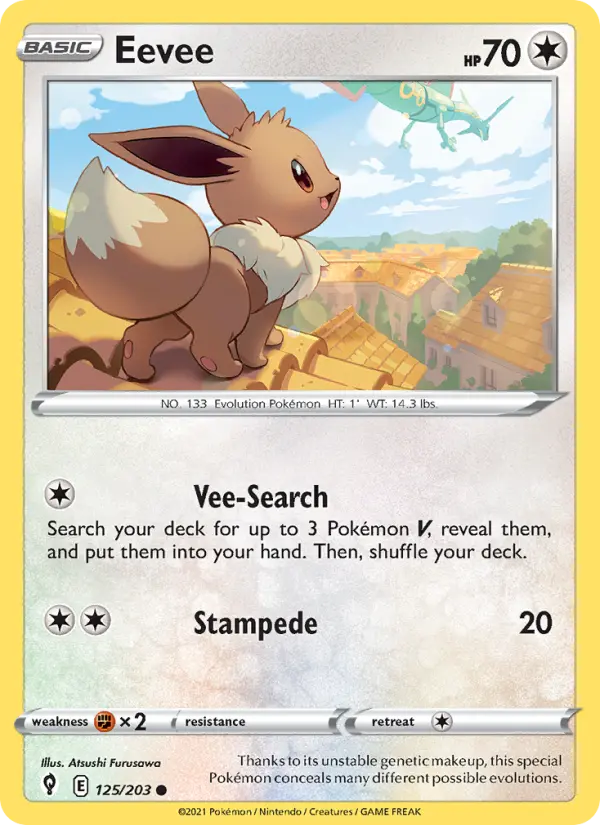
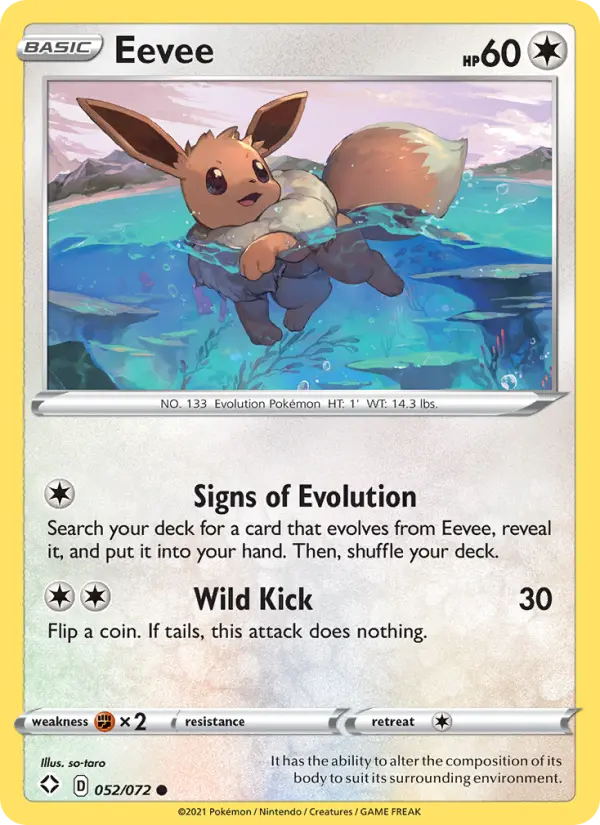
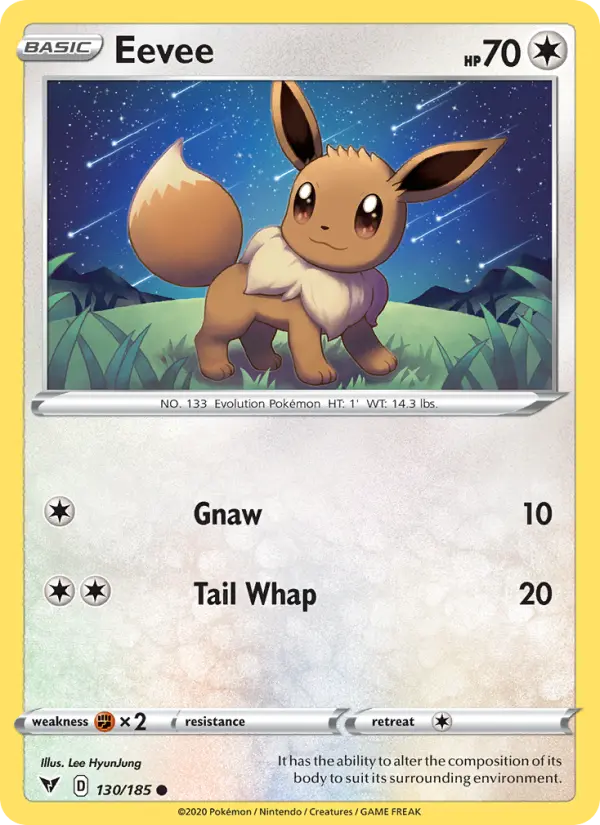
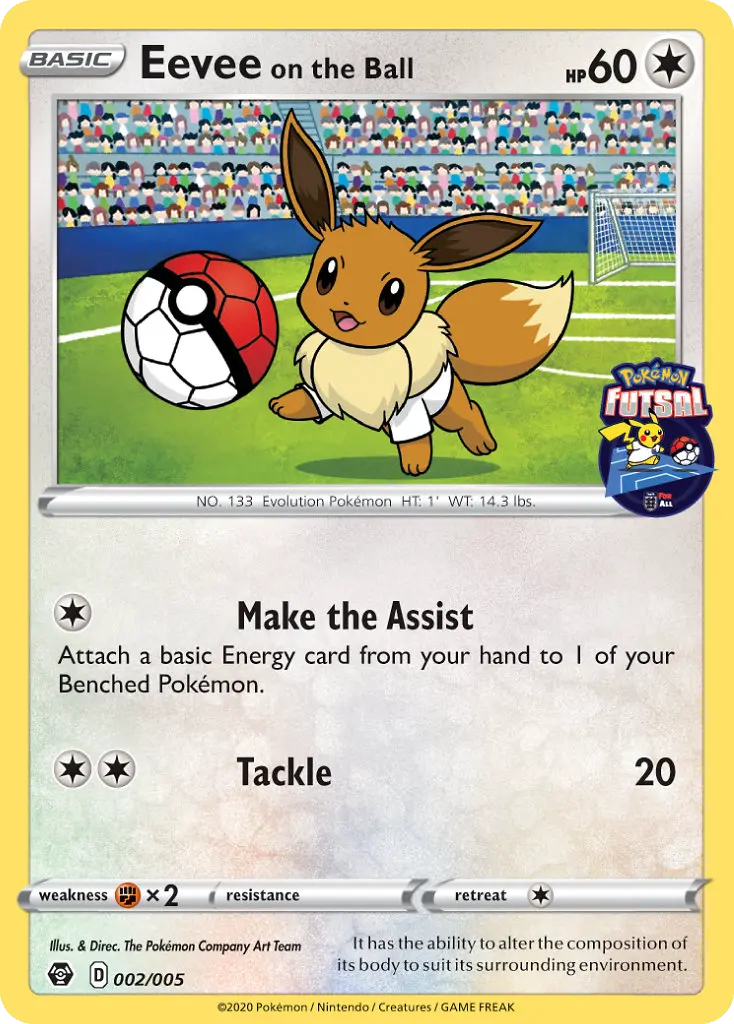
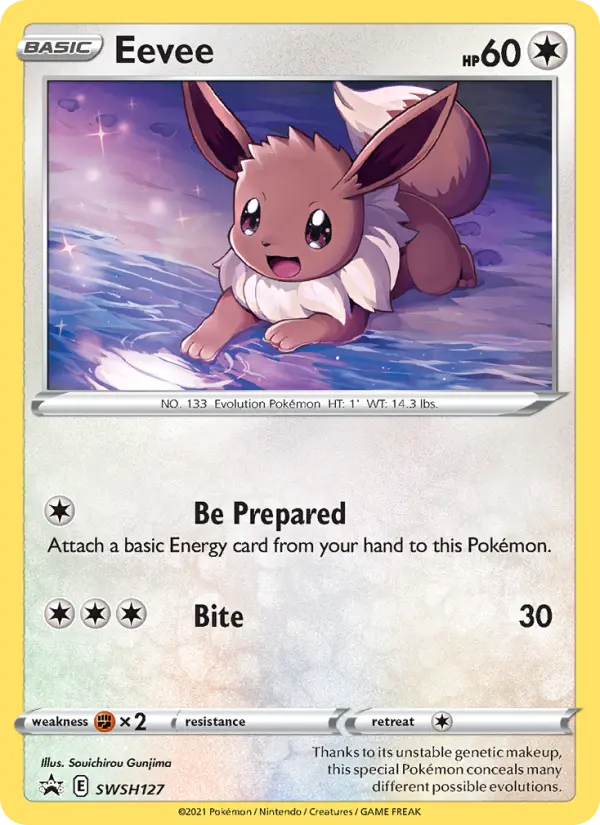
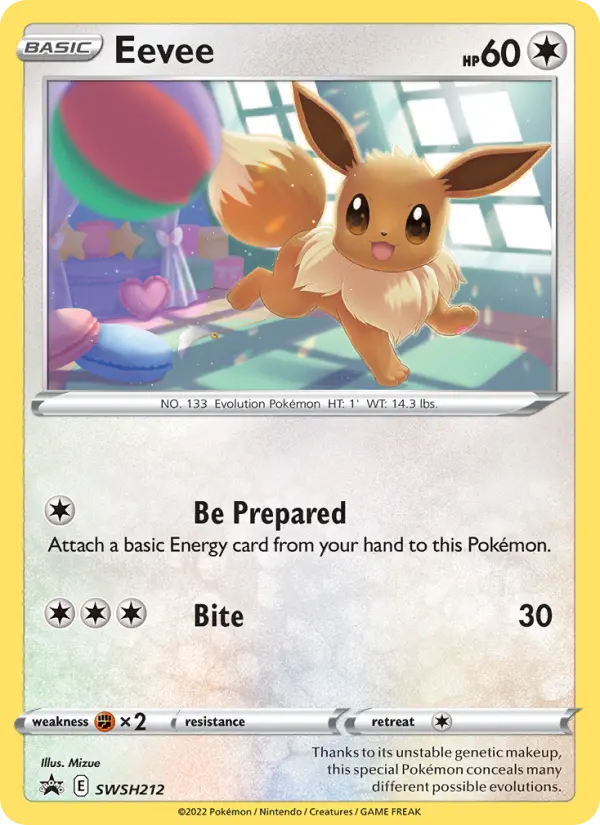
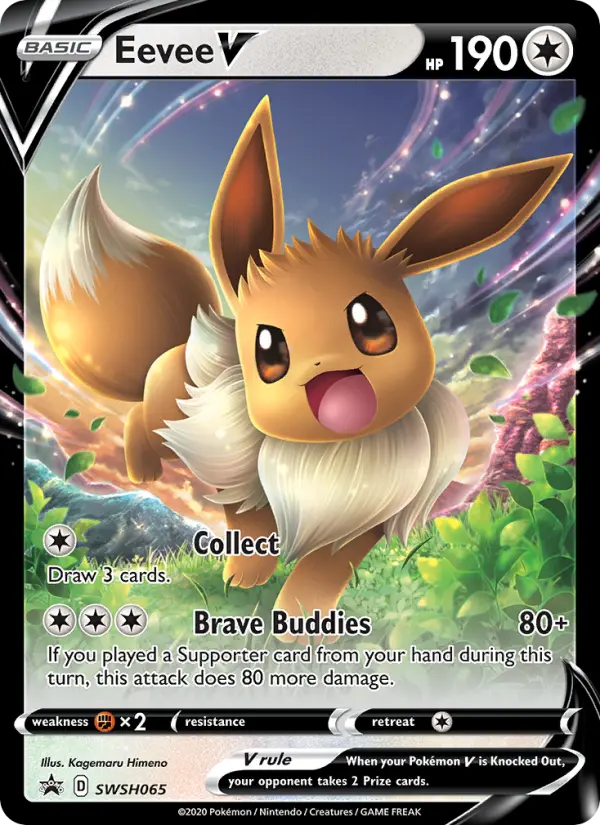
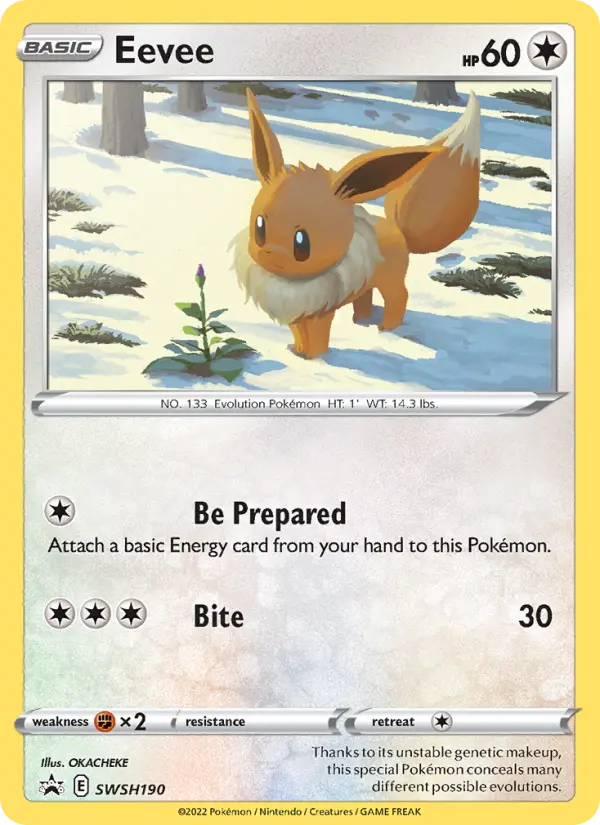
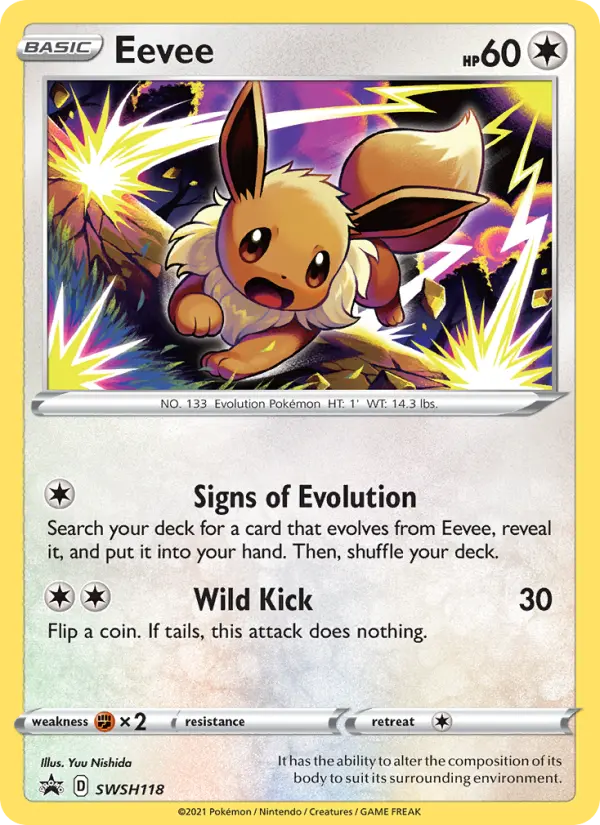
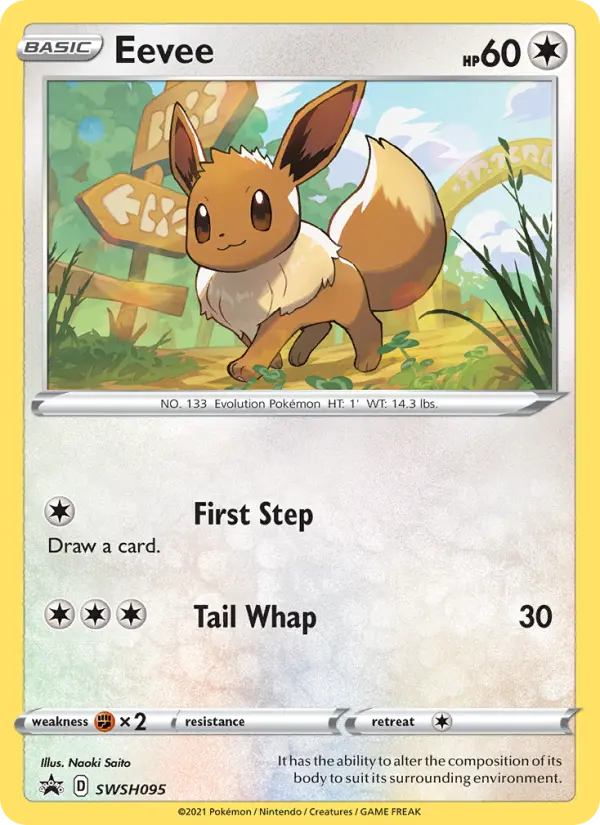
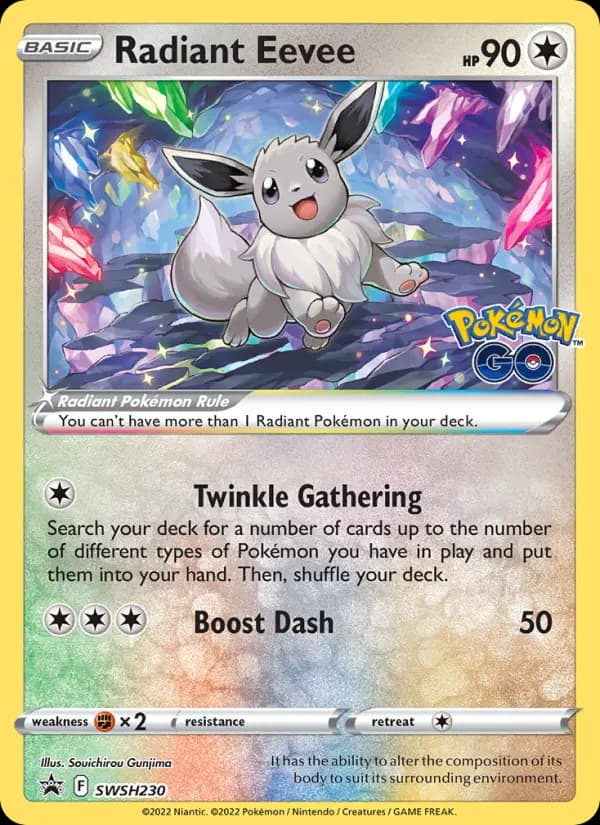
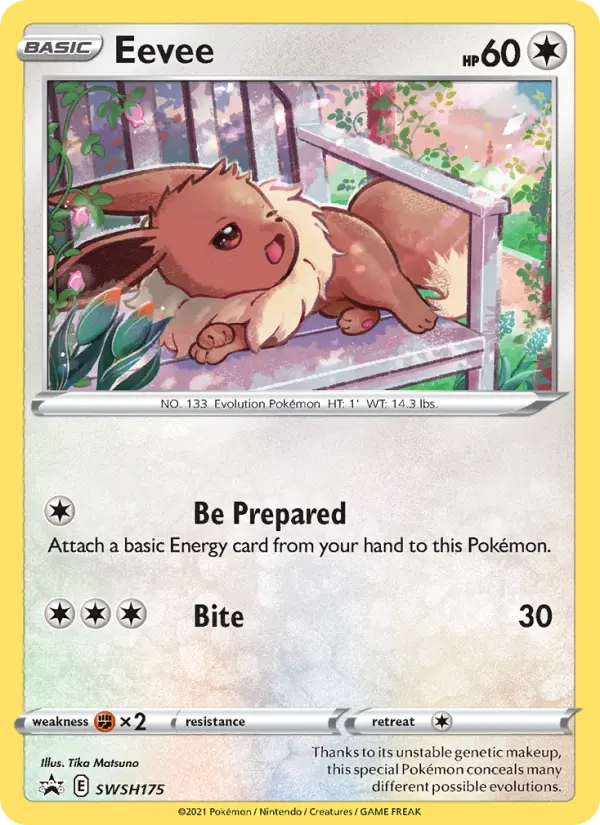
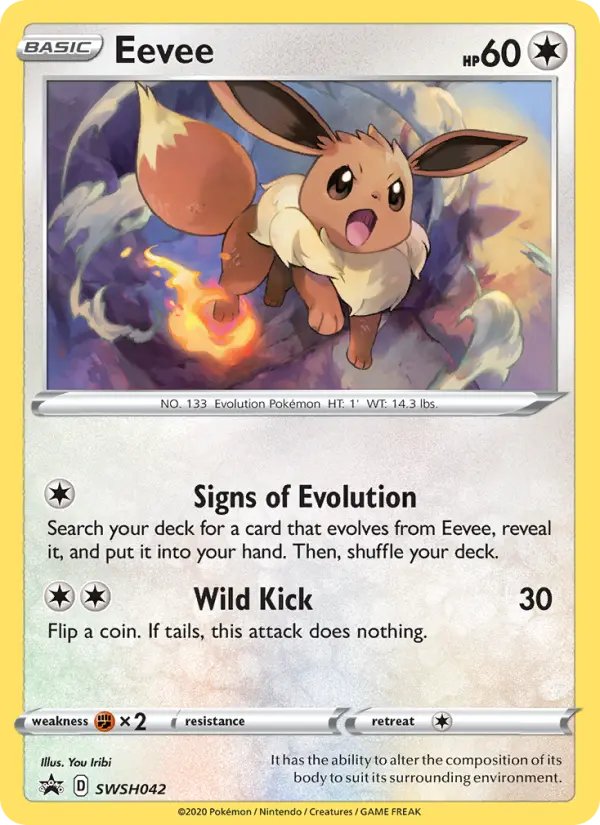
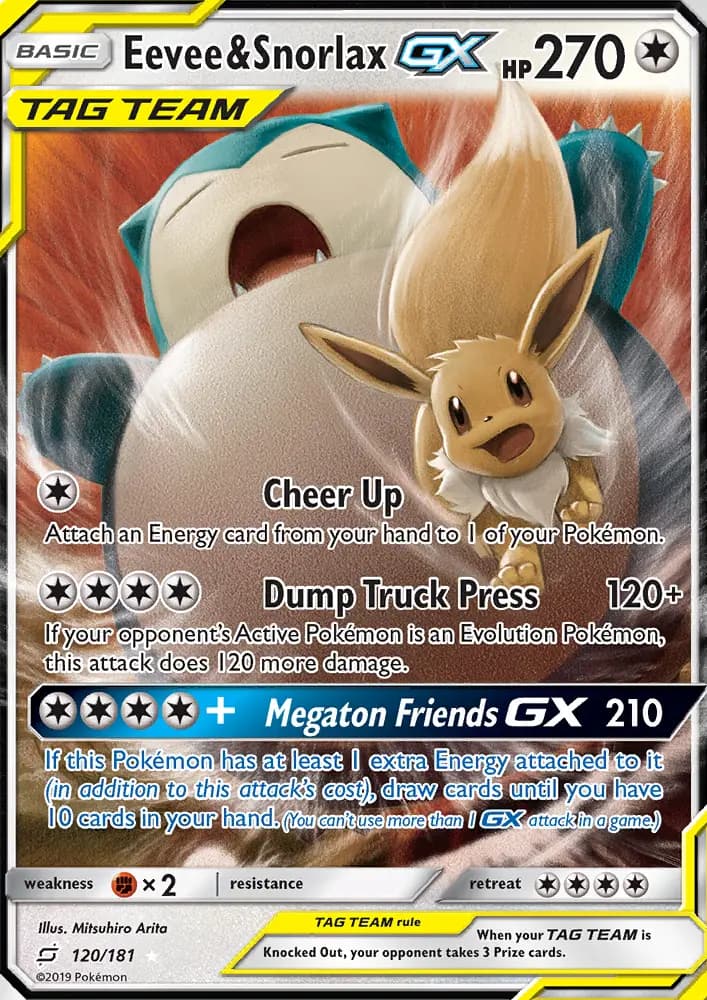
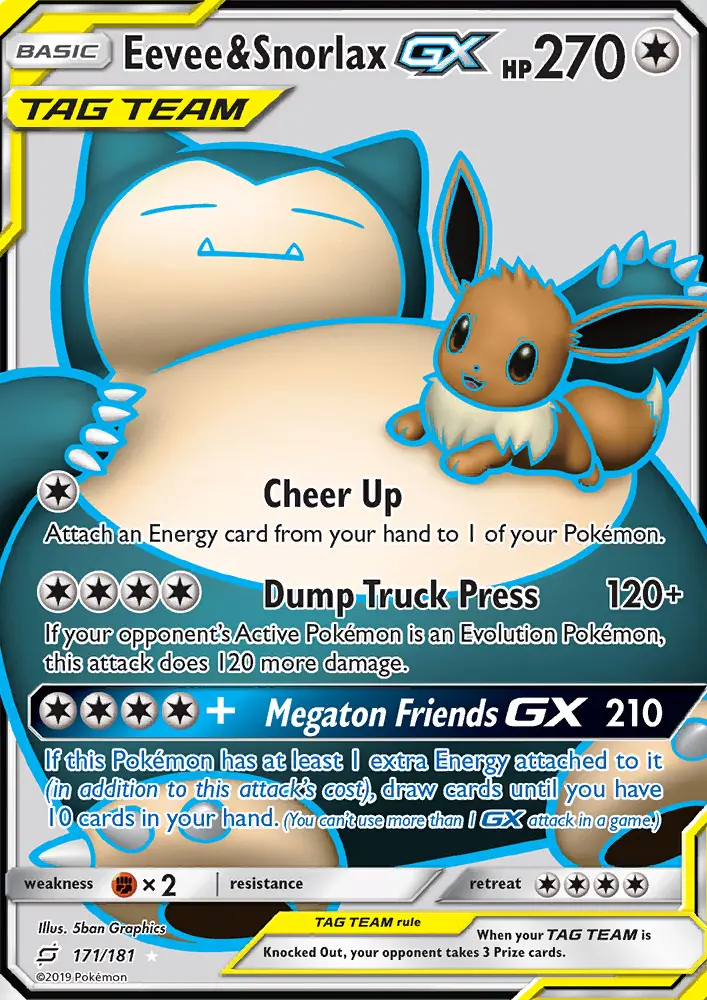
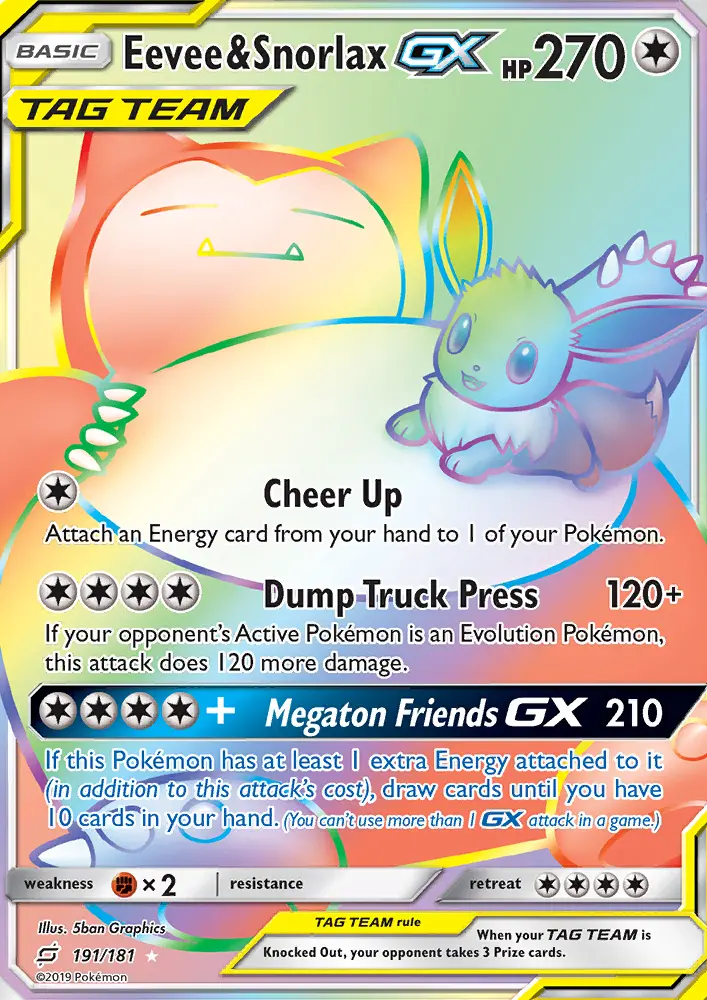
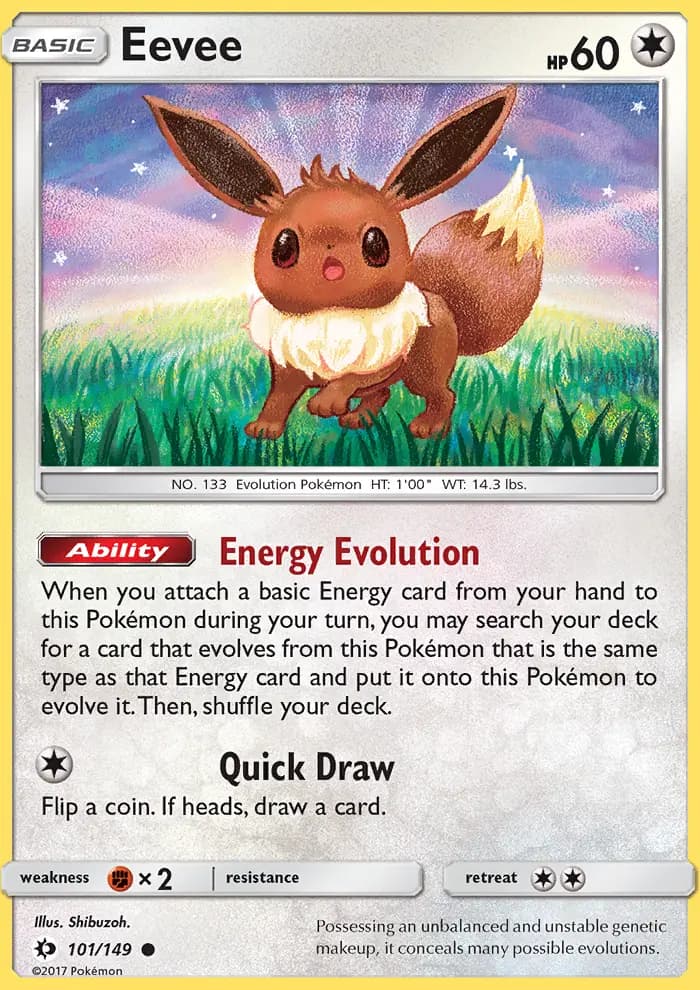
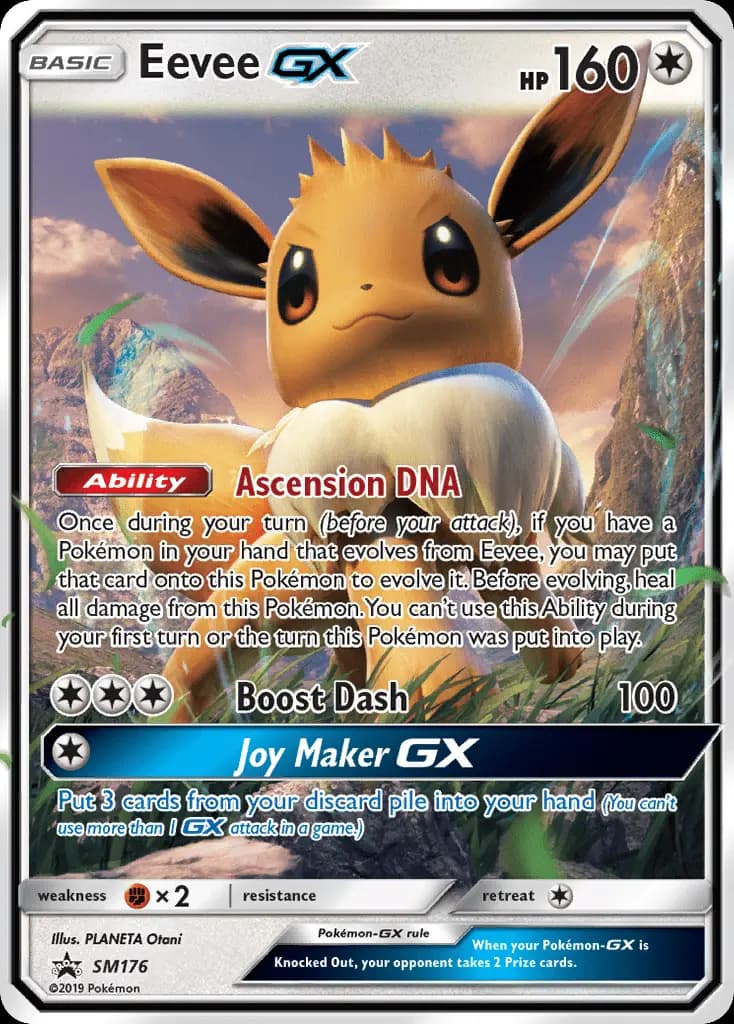
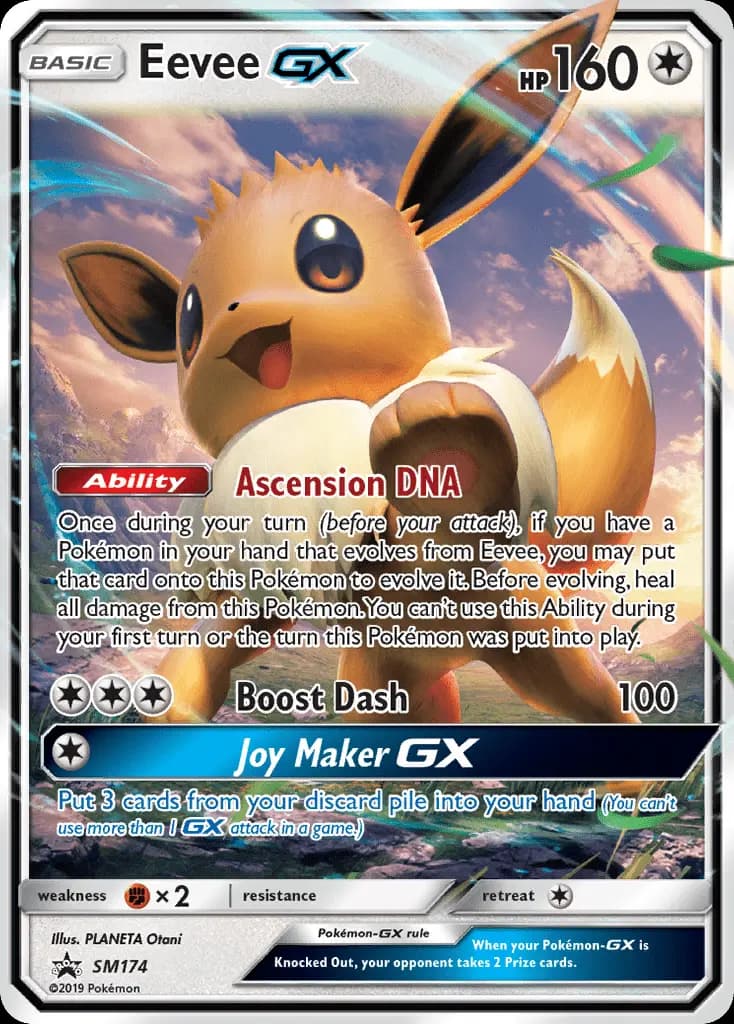
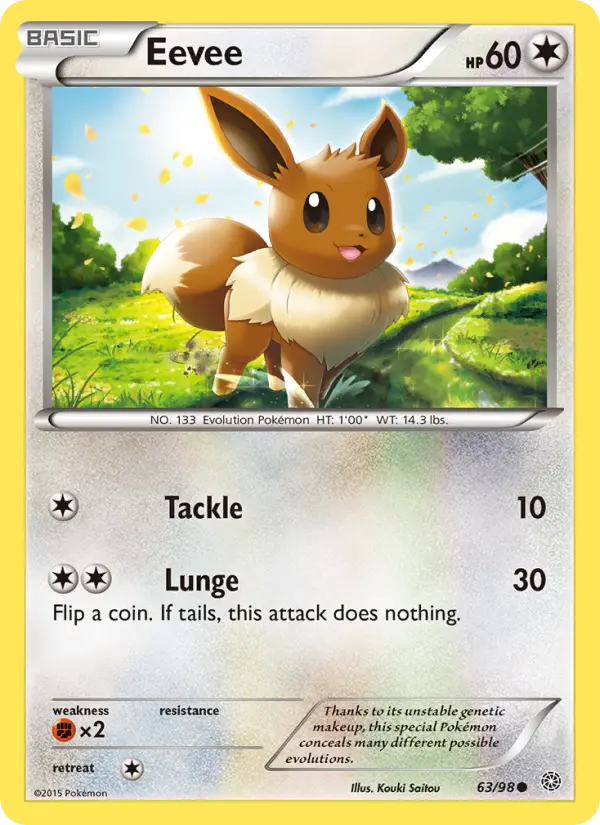
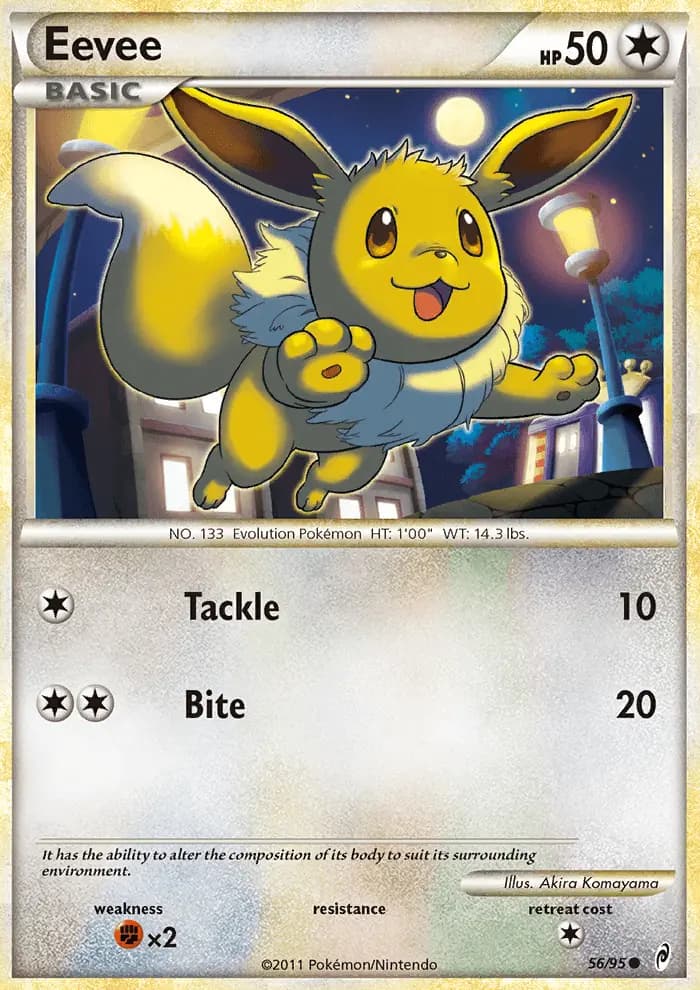
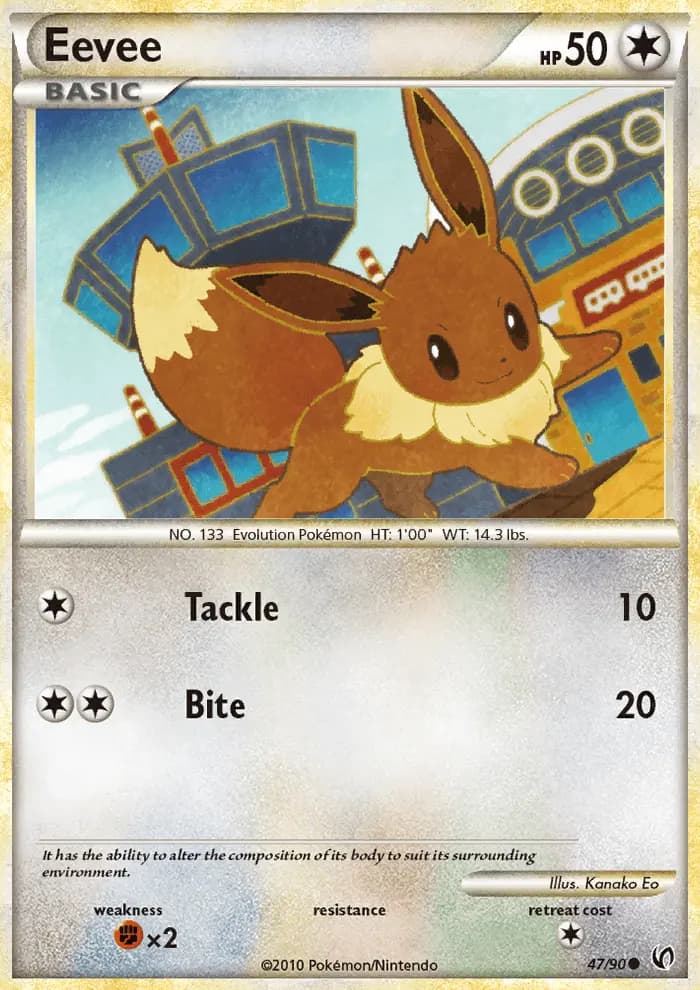
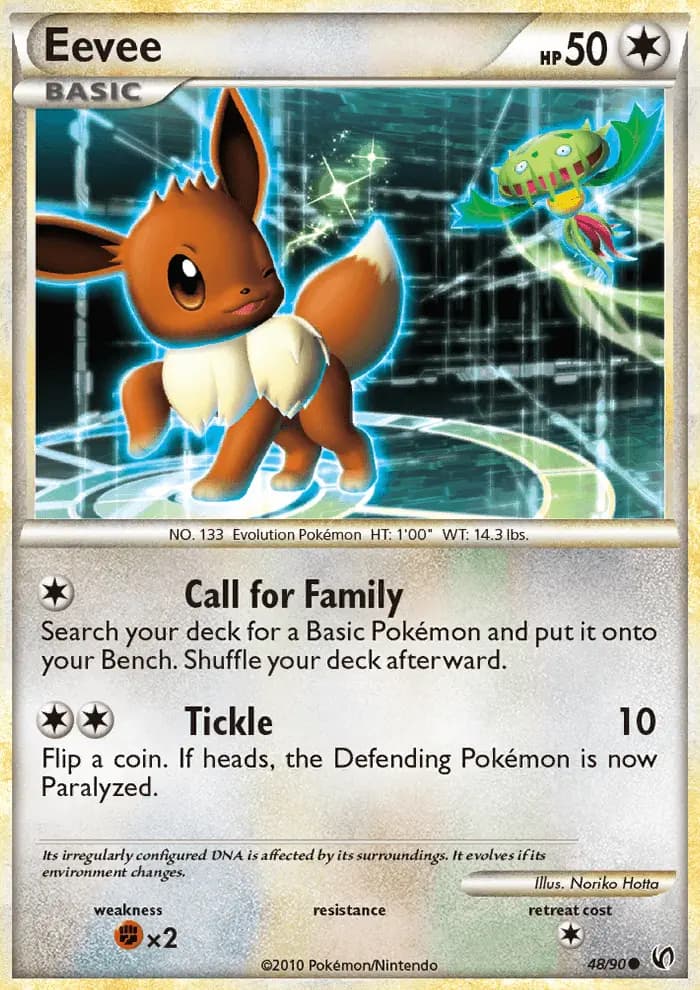
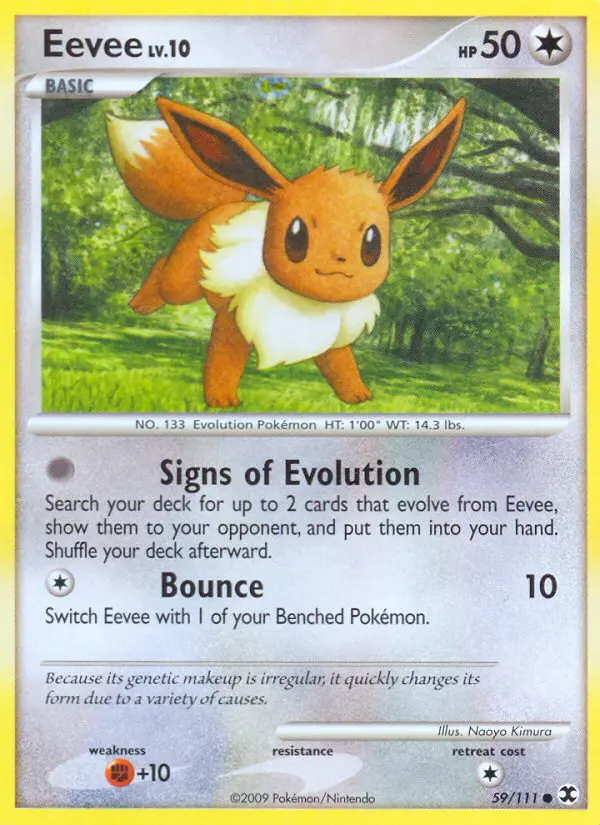
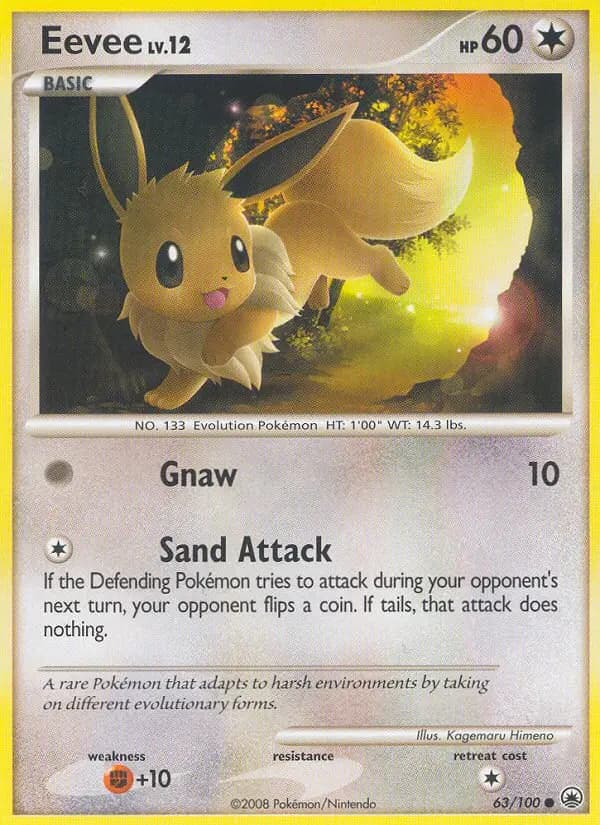
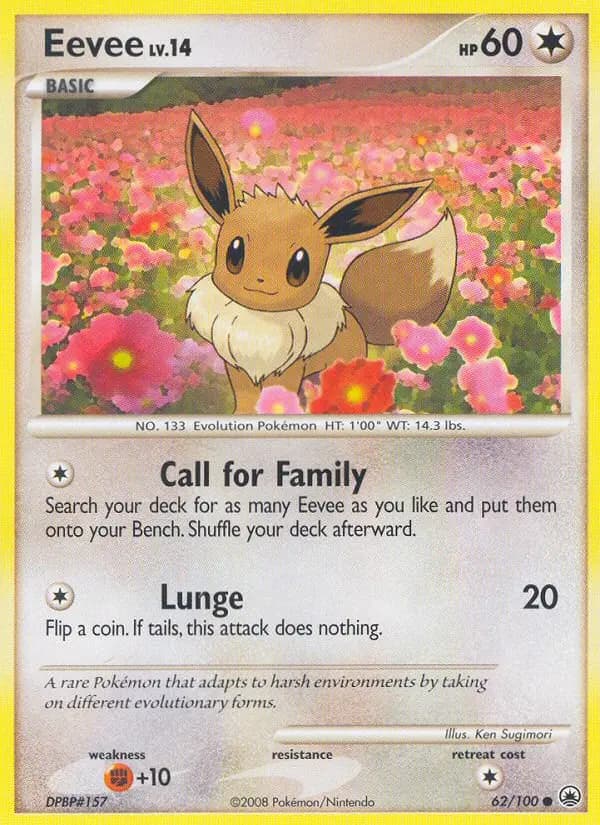
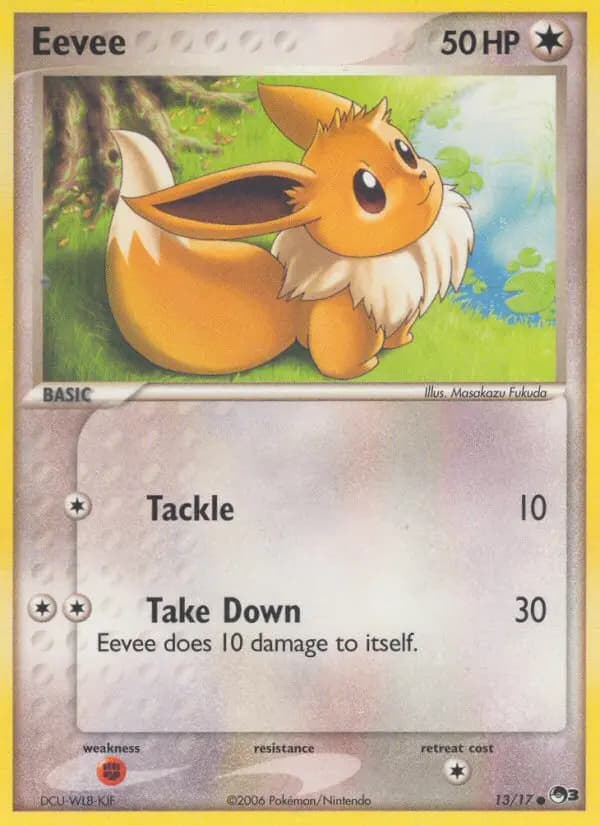
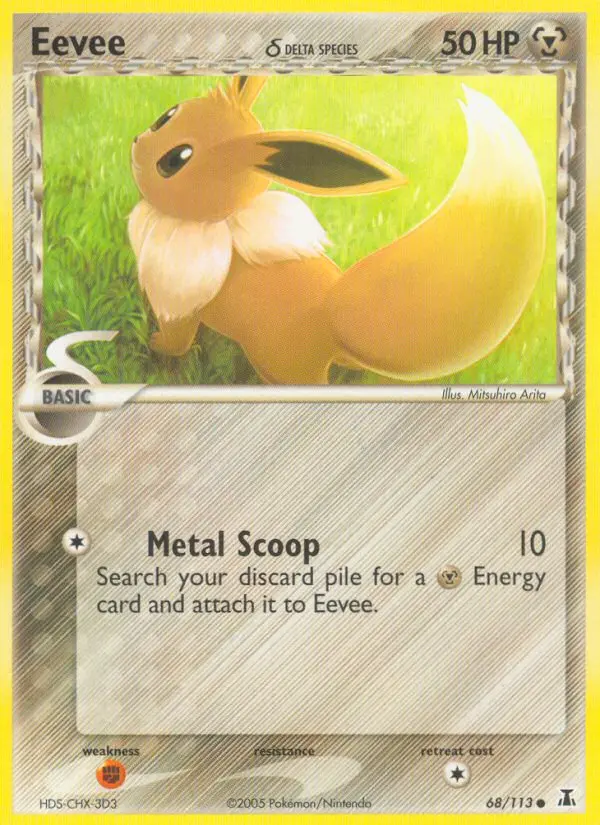
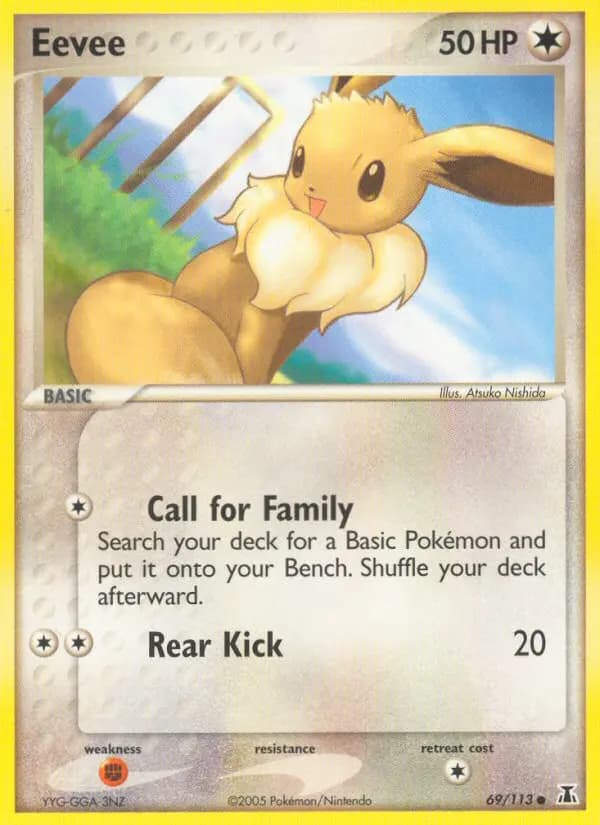
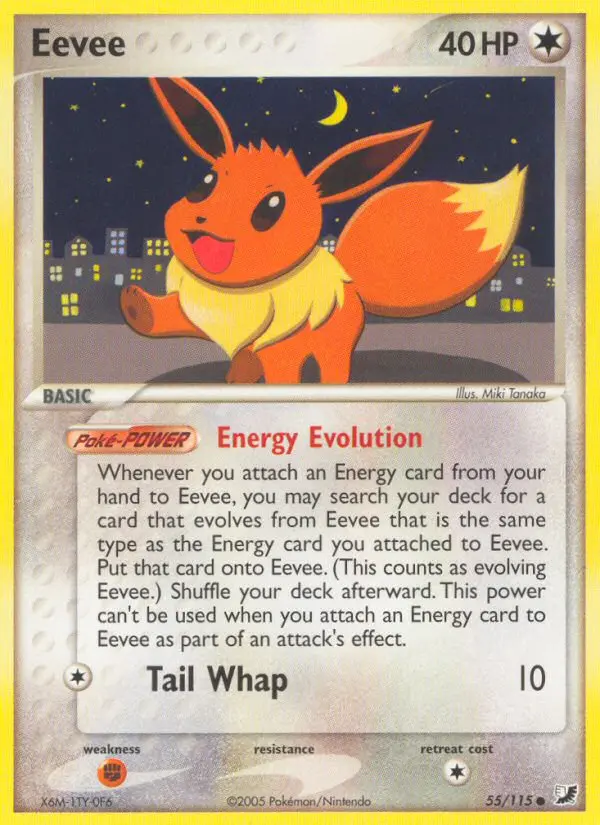
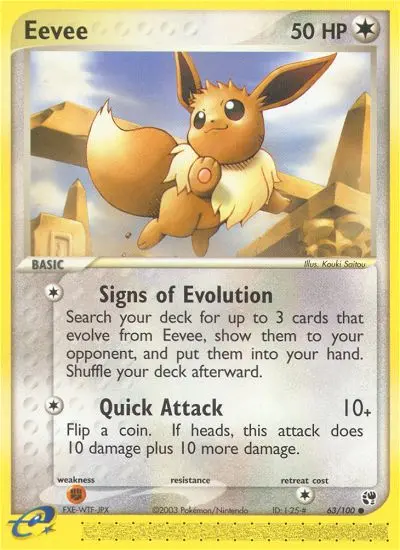
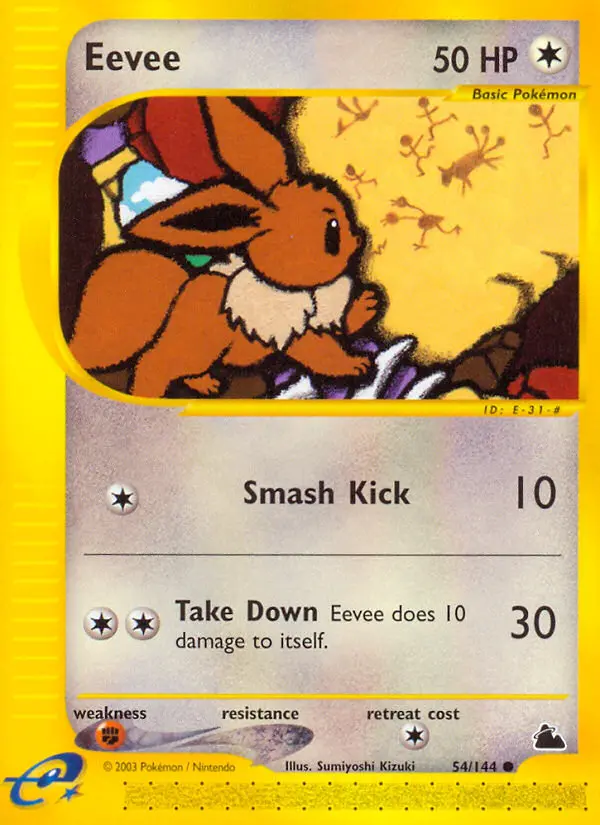
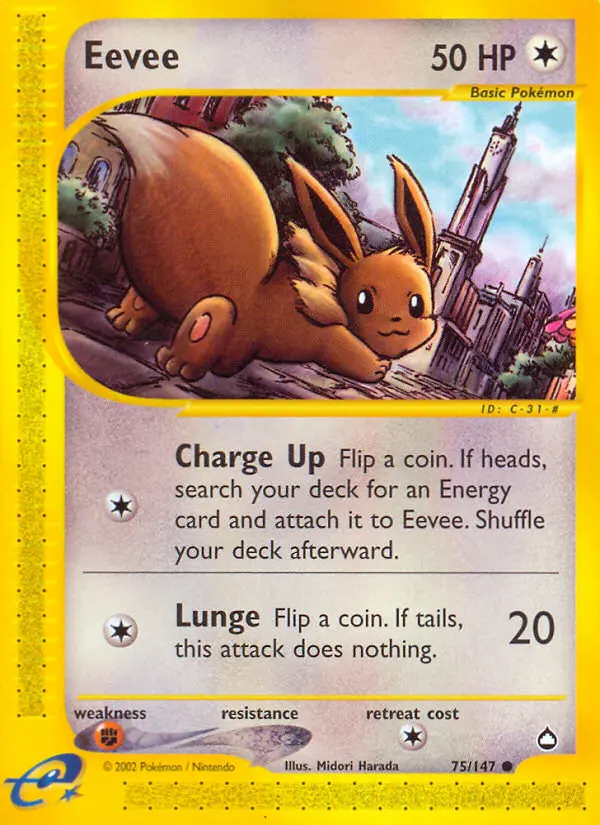
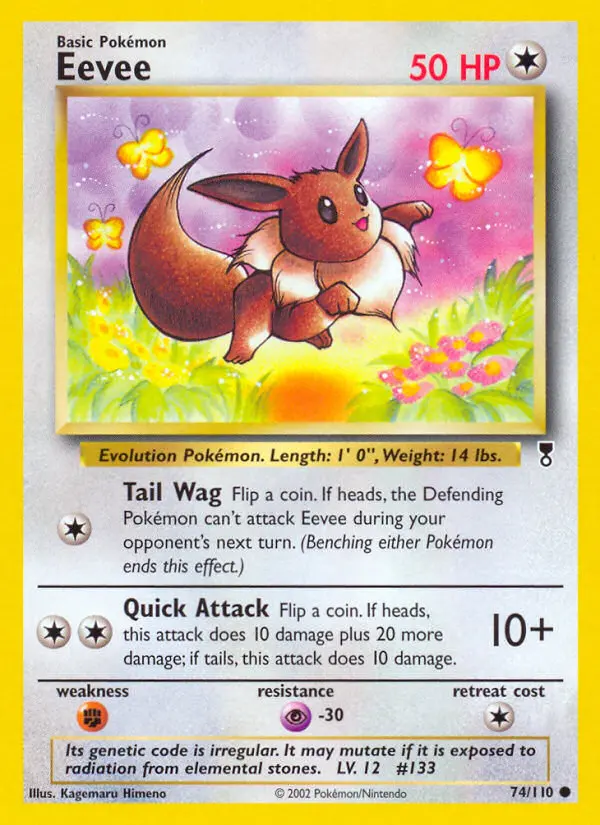
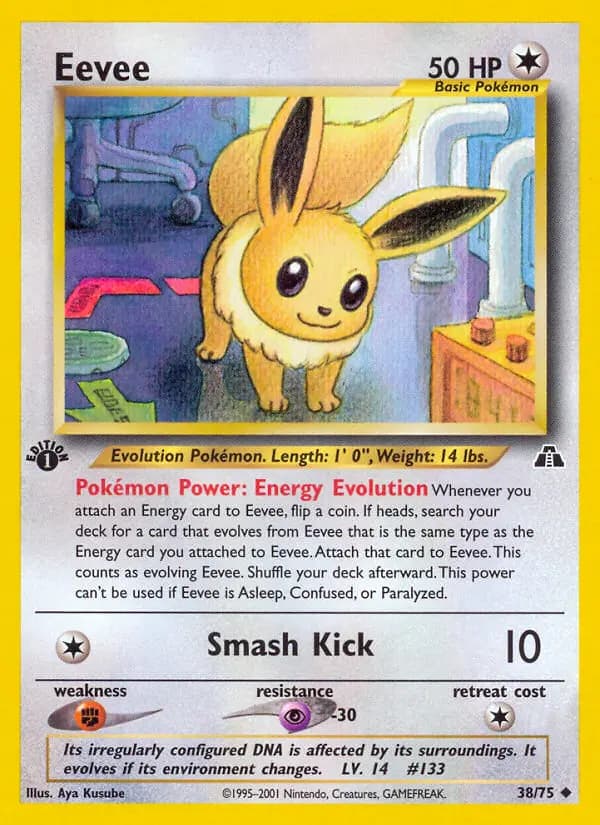
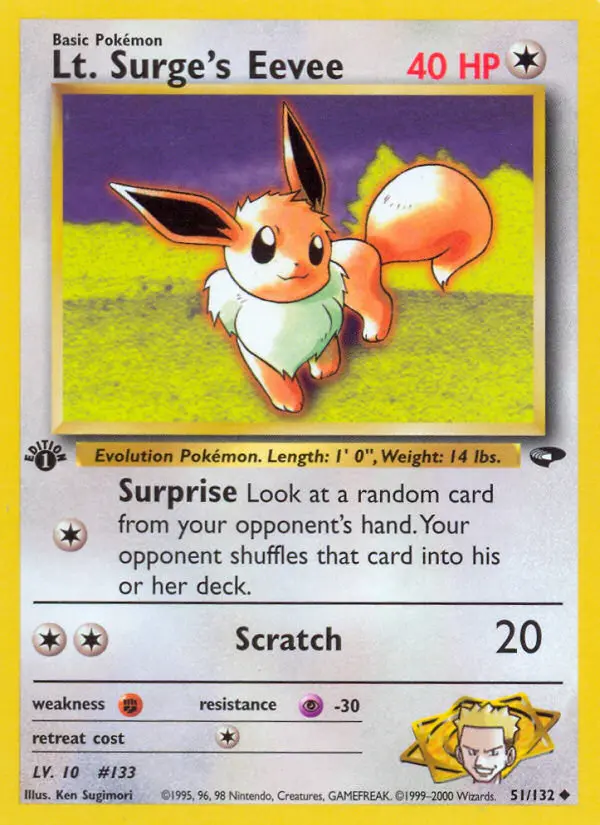
Eevee has transcended its origins as a Generation I Pokémon to become one of the franchise's most recognizable and beloved mascots, rivaling even Pikachu in terms of merchandise popularity and cultural significance. The Pokémon Company's decision to make Eevee the primary protagonist of Pokémon: Let's Go, Eevee! alongside the Pikachu-focused Let's Go Pikachu! demonstrated the species' massive cultural resonance and appeal to both longtime fans and new audiences. This game solidified Eevee's status as a legitimate alternative face of the franchise, with the Partner Eevee form gaining iconic status through its exclusive mechanics and special animations that emphasized its bond with the player character. Eevee's eight evolutionary forms have become subject of extensive fan analysis, artwork, and cosplay, with the species serving as a vehicle for exploring themes of choice, identity, and potential—concepts that resonate deeply with players navigating their own personal growth. The merchandise ecosystem surrounding Eevee extends far beyond traditional toys and cards, encompassing plushies, clothing, accessories, and collaborations with major brands, indicating its position as a cultural touchstone within gaming and anime communities worldwide. In the competitive Pokémon trading card game, Eevee and its evolutions have received numerous card printings and special promotional releases, maintaining consistent commercial viability across decades. The species has also become a symbol of LGBTQ+ representation within Pokémon communities, with fans frequently associating different Eevee evolutions with different sexual orientations and gender identities, creating inclusive narratives around the concept of evolution and transformation.
Where to Find Eevee in Every Pokémon Game
Eevee enjoys exceptional availability across nearly every mainline Pokémon game ever released, reflecting its fundamental importance to the franchise and ensuring that players of all skill levels can access this iconic species early in their adventures. In Generation I games (Red, Blue, and Yellow), Eevee can be obtained as the starter Pokémon that Blue receives in Pokémon Yellow version, while appearing in the wild in multiple locations across Kanto in other versions. Subsequent generations have maintained Eevee's widespread distribution, making it available through wild encounters in most regions—typically in early-to-mid game areas appropriate for trainers still building their teams. Pokémon: Let's Go, Eevee! positions Eevee as the primary starter alongside Pikachu, granting every player immediate access to what becomes a powerful companion throughout the game, with the special Partner Eevee remaining unable to evolve but gaining exclusive capabilities. In modern games like Pokémon Sword and Shield and Pokémon Scarlet and Violet, Eevee maintains consistent availability through wild encounters and Pokédex completion systems. The Pokémon Company has also released numerous promotional Eevee distributions through events, special encounters, and Mystery Gift systems across multiple generations, ensuring that players seeking shiny Eevee or Eevee with optimal stats have periodic opportunities to obtain them. Eevee's universal availability reflects its role as an entry-level evolution Pokémon designed to introduce new players to the mechanics of Pokémon transformation while remaining valuable throughout the player's journey due to its eight specialized evolutionary forms.