
Orange Minior
Generation VII · #10137 — Meteor Pokémon
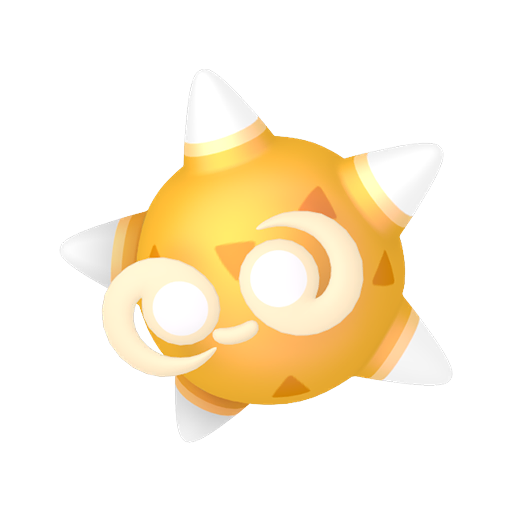
Minior, the Meteor Pokémon, is a dual Rock/Flying-type from Generation VII that exemplifies one of the most unique battle mechanics in the franchise. The orange form represents one of seven possible core colorations that Minior can display, each equally valid and non-interchangeable. With a National Pokédex number of 774, this diminutive creature stands merely 0.3 meters tall and weighs only 0.3 kilograms in its exposed core form, making it one of the lightest Rock and Flying-type Pokémon ever documented. The defining characteristic of Minior is its signature ability, Shields Down, which triggers a dramatic transformation when its health drops below 50 percent, exposing its vibrantly colored core and fundamentally altering its stat distribution and battle capabilities. This transformation mechanism makes Minior a fascinating study in adaptive strategy, as it seamlessly transitions between two distinct combat profiles depending on battlefield conditions.
Editor's Take
Core Form Minior's Shell Smash sets are genuinely threatening, and the shell phase surviving the setup turn is what makes the whole line work.
Base Stats
Height
0.3m
Weight
0.3kg
Category
Meteor Pokémon
Gender
Genderless
Color
brown
Shape
ball
Abilities
Transforms this Minior between Core Form and Meteor Form. Prevents major status ailments and drowsiness while in Meteor Form.
Orange Minior Biology & Physical Characteristics
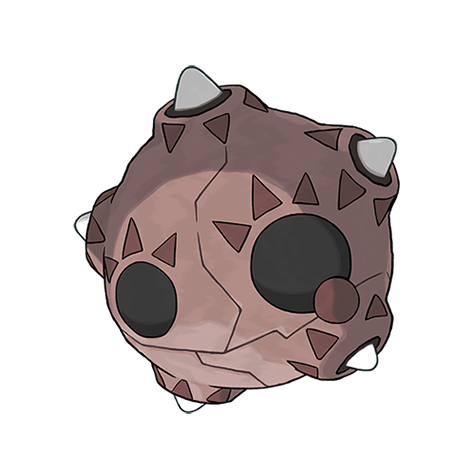
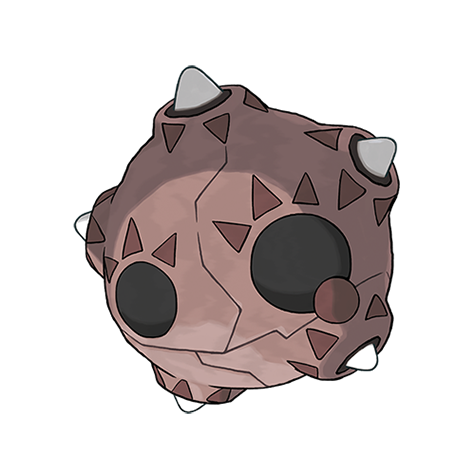
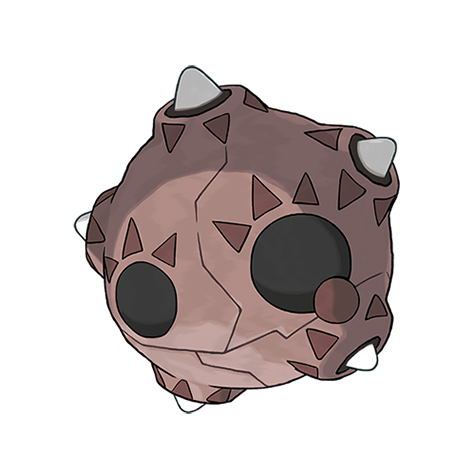
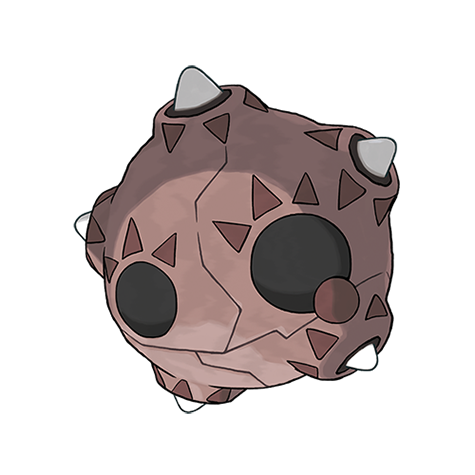
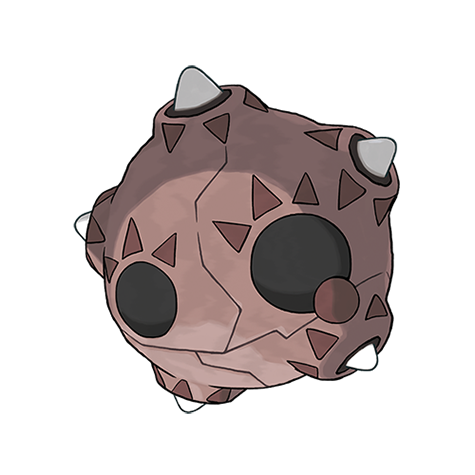
Minior originates from the stratosphere, where it is born from an aggregation of mutated nanoparticles that accumulate in the upper atmosphere. The orange core form represents the true biological essence of the Pokémon—a crystalline or mineral-based organism no larger than a marble, yet possessing remarkable durability and power. In its meteor form, Minior encases this precious core within a thick, rocky exterior composed of four large plates separated by distinct horizontal and vertical cracks, with five white spikes extending from the surface to create a star-like silhouette. The Pokédex reveals that Minior's core is born from mutated nanoparticles, a scientific origin that distinguishes it from most other mineral-type Pokémon. As the Pokémon develops, it absorbs particulate matter and dust from the ozone layer, using this material to construct and maintain both its core and protective shell. This accumulation process gradually increases its weight until the burden becomes too great, prompting the inevitable descent toward the planet's surface—a journey that often results in the shell's catastrophic destruction upon impact.
Pokedex Numbers
Training
Breeding
Orange Minior Breeding, Gender Ratio & Egg Groups
Minior is a genderless Pokémon, incapable of reproduction through standard breeding mechanics and therefore unable to produce eggs in conventional circumstances. It belongs exclusively to the Mineral Egg Group, a classification it shares with other inorganic, rock-based Pokémon that lack biological sex characteristics. This genderless status reflects Minior's nature as a creature born from aggregated nanoparticles rather than through organic biological processes, emphasizing its otherworldly and scientifically unusual origins. The base friendship value of 70 for Minior indicates a moderate level of initial friendliness toward trainers, suggesting that despite its alien composition and celestial origins, it is reasonably receptive to human companionship and training from the moment of capture. The hatch counter of 25 cycles theoretically applies only to the rare circumstances under which Minior might be obtained through egg-based mechanics in certain games or events, though standard gameplay typically involves capturing Minior in the wild rather than breeding for it. The Mineral Egg Group classification positions Minior within a specialized breeding ecosystem that includes other notable rock and mineral-type Pokémon, though its lack of evolution means it cannot benefit from breeding strategies that rely on evolutionary lines.
Sprites




TMs & HMs
tm04
gold silver
tm04
emerald
tm04
firered leafgreen
tm04
ruby sapphire
tm04
diamond pearl
tm04
crystal
tm04
xd
tm04
heartgold soulsilver
tm04
black white
tm04
colosseum
tm04
platinum
tm04
sun moon
tm04
ultra sun ultra moon
tm04
x y
tm04
omega ruby alpha sapphire
tm04
black 2 white 2
tm05
lets go pikachu lets go eevee
tm06
yellow
tm06
gold silver
tm06
red blue
+609 more TMs/HMs
Regional & Special Forms
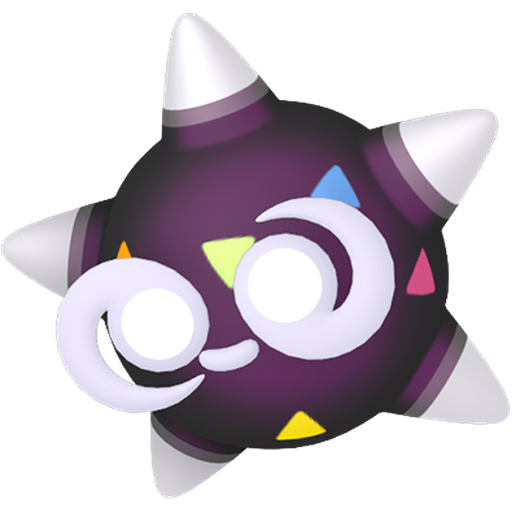
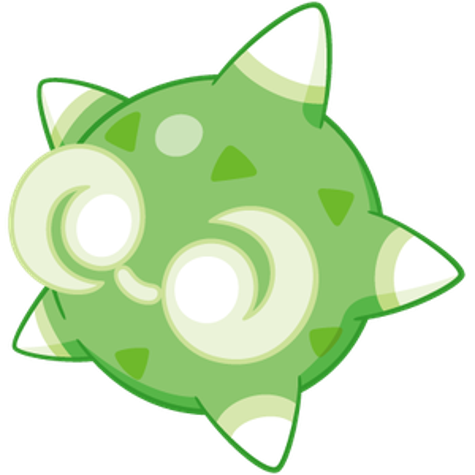
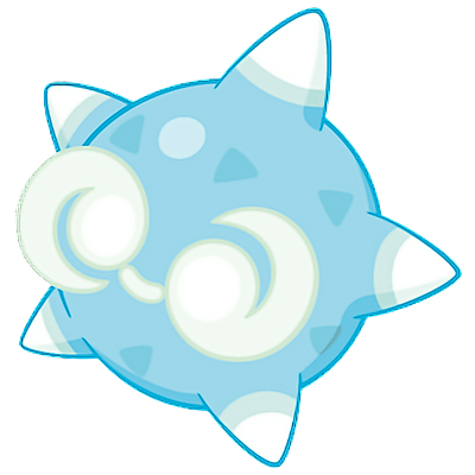
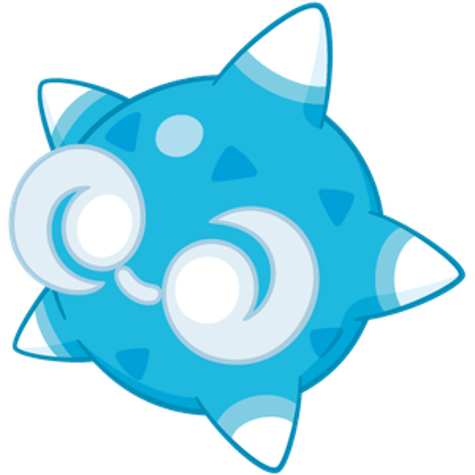
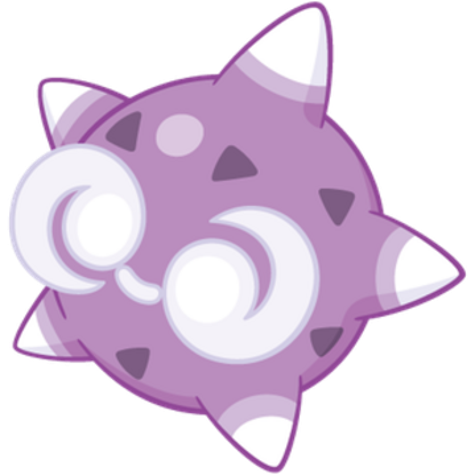
Orange Minior also has 13 related forms: Red Meteor Minior, Orange Meteor Minior, Yellow Meteor Minior, Green Meteor Minior, Blue Meteor Minior, Indigo Meteor Minior, Violet Meteor Minior, Red Minior, Yellow Minior, Green Minior, Blue Minior, Indigo Minior and Violet Minior.
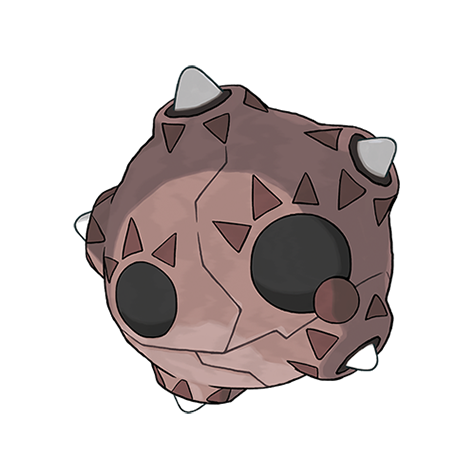
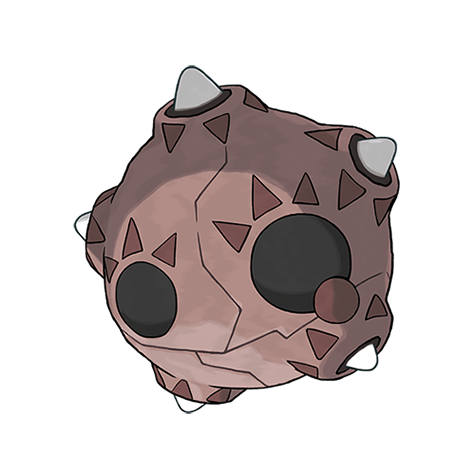
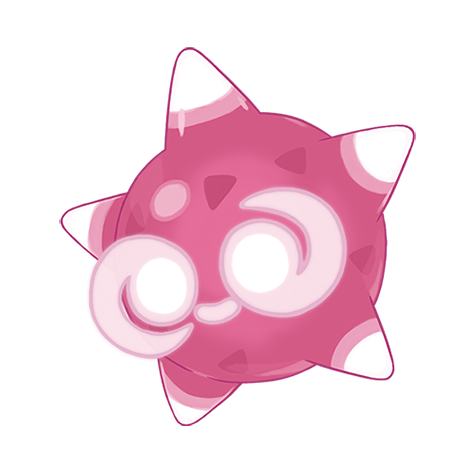
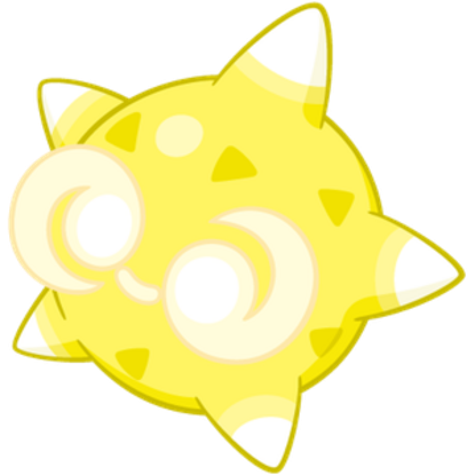
Orange Minior Evolution, Mega Evolution & Special Forms
Minior does not evolve into or from any other Pokémon, representing a complete evolutionary line unto itself. However, its signature ability, Shields Down, creates a unique form change mechanic that functions similarly to an evolution in terms of practical gameplay implications. When Minior's health falls below 50 percent while in Meteor Form, Shields Down triggers an automatic transformation that exposes the orange core, fundamentally restructuring the Pokémon's statistical profile. In Core Form, Minior's defense drops from 100 to 60, and its special defense similarly decreases from 100 to 60, but this vulnerability is offset by extraordinary increases in offensive and speed statistics. Attack rises from 60 to 100, special attack climbs from 60 to 100, and most dramatically, speed jumps from a modest 60 to an impressive 120 base speed. This transformation essentially converts Minior from a defensive wall into a swift offensive threat, making it a remarkable example of mid-battle strategic adaptation. When Minior's health is restored above 50 percent, the ability automatically reverses the transformation, returning it to the defensive Meteor Form, creating a cyclical transformation pattern unique in competitive play.
Where to Find
Location data not available for this Pokémon in the database.
Orange Minior Behaviour and Natural Habitat
Minior spends the majority of its lifecycle in the ozone layer, where it feeds on atmospheric dust and particulate matter suspended in the stratosphere. During this aerial existence, it occupies an unusual ecological niche as prey for stronger Pokémon despite its formidable defenses, forcing it to remain in constant readiness for threats from above. When its accumulated mass becomes unsustainable, Minior falls from the sky toward the planet's surface, with Alola being one of the few documented regions where these meteoritic descents occur with frequency. The impact of striking the ground is catastrophic enough to shatter even the Minior's uncommonly durable outer shell, exposing the vibrant orange core within. This vulnerability during the descent stage explains why strong impacts can knock Minior out of its shell—the shock of collision is sufficient to fracture the carefully constructed meteor form. Once grounded, Minior attempts to rebuild its protective casing while navigating the terrestrial world, though the orange core form's dramatically enhanced speed (120 base speed compared to 60 in meteor form) and offensive capabilities (100 attack and 100 special attack) suggest it has adapted to mobility and striking power when exposed and vulnerable.
Pokedex Entries
Originally making its home in the ozone layer, it hurtles to the ground when the shell enclosing its body grows too heavy.
It lives in the ozone layer, where it becomes food for stronger Pokémon. When it tries to run away, it falls to the ground.
Strong impacts can knock it out of its shell. This Pokémon was born from mutated nanoparticles.
Although its outer shell is uncommonly durable, the shock of falling to the ground smashes the shell to smithereens.
Orange Minior Name Origin & Design Inspiration
The name Minior derives from a combination of 'minor' and 'meteor,' perfectly encapsulating the Pokémon's dual nature as both a small, diminutive creature and a celestial body falling from space. The Japanese name Meteno similarly emphasizes the meteorite theme while suggesting the fantastical scientific origin involving mutated nanoparticles. The visual design of the orange form captures the aesthetic of a polished gemstone or mineral core, with its smooth, spherical profile contrasting sharply with the jagged, crystalline spikes visible in its meteor form. The orange coloration places it among the warmer-hued core variants alongside red and yellow, suggesting possibly different mineral compositions or elemental affinities, though all seven colored cores function identically in terms of mechanics and typing. The four-plated structure of the meteor form, separated by dramatic cracks, evokes the appearance of a terrestrial meteor or asteroid that has begun fragmenting upon atmospheric entry. The design philosophy emphasizes the journey from atmospheric origin to terrestrial impact, with the plating structure suggesting internal stresses and the inevitable fracturing that occurs during descent, making Minior's appearance a visual narrative of its lifecycle.
Learnable Moves
Orange Minior can learn 64 moves:
Move | Type | Cat. | Power | Acc. | PP |
|---|---|---|---|---|---|
| acrobatics | flying | Physical | 55 | 100 | 15 |
| ancient power | rock | Special | 60 | 100 | 5 |
| attract | normal | Status | — | 100 | 15 |
| autotomize | steel | Status | — | — | 15 |
| bulldoze | ground | Physical | 60 | 100 | 20 |
| calm mind | psychic | Status | — | — | 20 |
| charge beam | electric | Special | 50 | 90 | 10 |
| confide | normal | Status | — | — | 20 |
| confuse ray | ghost | Status | — | 100 | 10 |
| cosmic power | psychic | Status | — | — | 20 |
| dazzling gleam | fairy | Special | 80 | 100 | 10 |
| defense curl | normal | Status | — | — | 40 |
| double team | normal | Status | — | — | 15 |
| double edge | normal | Physical | 120 | 100 | 15 |
| earth power | ground | Special | 90 | 100 | 10 |
| earthquake | ground | Physical | 100 | 100 | 10 |
| endeavor | normal | Physical | — | 100 | 5 |
| endure | normal | Status | — | — | 10 |
| explosion | normal | Physical | 250 | 100 | 5 |
| facade | normal | Physical | 70 | 100 | 20 |
| frustration | normal | Physical | — | 100 | 20 |
| giga impact | normal | Physical | 150 | 90 | 5 |
| gravity | psychic | Status | — | — | 5 |
| gyro ball | steel | Physical | — | 100 | 5 |
| hidden power | normal | Special | 60 | 100 | 15 |
| hyper beam | normal | Special | 150 | 90 | 5 |
| iron head | steel | Physical | 80 | 100 | 15 |
| last resort | normal | Physical | 140 | 100 | 5 |
| light screen | psychic | Status | — | — | 30 |
| magnet rise | electric | Status | — | — | 10 |
| meteor beam | rock | Special | 120 | 90 | 10 |
| power gem | rock | Special | 80 | 100 | 20 |
| protect | normal | Status | — | — | 10 |
| psych up | normal | Status | — | — | 10 |
| psychic | psychic | Special | 90 | 100 | 10 |
| reflect | psychic | Status | — | — | 20 |
| rest | psychic | Status | — | — | 5 |
| return | normal | Physical | — | 100 | 20 |
| rock blast | rock | Physical | 25 | 90 | 10 |
| rock polish | rock | Status | — | — | 20 |
| rock slide | rock | Physical | 75 | 90 | 10 |
| rock tomb | rock | Physical | 60 | 95 | 15 |
| rollout | rock | Physical | 30 | 90 | 20 |
| round | normal | Special | 60 | 100 | 15 |
| safeguard | normal | Status | — | — | 25 |
| sandstorm | rock | Status | — | — | 10 |
| scorching sands | ground | Special | 70 | 100 | 10 |
| self destruct | normal | Physical | 200 | 100 | 5 |
| shell smash | normal | Status | — | — | 15 |
| sleep talk | normal | Status | — | — | 10 |
| snore | normal | Special | 50 | 100 | 15 |
| solar beam | grass | Special | 120 | 100 | 10 |
| stealth rock | rock | Status | — | — | 20 |
| stone edge | rock | Physical | 100 | 80 | 5 |
| substitute | normal | Status | — | — | 10 |
| swagger | normal | Status | — | 85 | 15 |
| swift | normal | Special | 60 | — | 20 |
| tackle | normal | Physical | 40 | 100 | 35 |
| take down | normal | Physical | 90 | 85 | 20 |
| telekinesis | psychic | Status | — | — | 15 |
| tera blast | normal | Special | 80 | 100 | 10 |
| toxic | poison | Status | — | 90 | 10 |
| u turn | bug | Physical | 70 | 100 | 20 |
| zen headbutt | psychic | Physical | 80 | 90 | 15 |
Orange Minior Competitive Battle Guide
In competitive Pokémon battle, Minior's orange form (Core Form) presents a genuinely innovative offensive threat profile distinguished by its extraordinary speed stat of 120 and dual offensive stats of 100 in both attack and special attack. The combination of these three high offensive statistics with a respectable total base stat sum of 500 makes the exposed core form a legitimate sweeper capable of operating either physically through moves like Stone Edge and Close Combat, or specially through attacks like Power Gem and Psychic. The defining strategic element is the Shields Down ability, which creates a transformation trigger at 50 percent health—trainers can deliberately position Minior's meteor form to absorb damage while maintaining its defensive stats (100 defense and 100 special defense), then allow it to drop below half health to unlock the offensive potential of the core form. The weakening to 60 in both defensive stats represents a calculated trade-off that forces skilled play and careful prediction. Minior's Rock/Flying typing, while introducing vulnerabilities to Water, Electric, Grass, and Ice-type moves (all common competitive threats), provides valuable resistances to Normal, Fire, Poison, and Flying-type attacks, plus immunity to Ground-type moves. Competitive players often employ Minior in teams requiring a speed-based cleaner that can transition from defensive positioning, making it particularly effective in formats where momentum and transformation mechanics are valued.
Commonly Asked Questions About Orange Minior
What type is Orange Minior?
Orange Minior is a rock and flying type Pokemon.
What does Orange Minior evolve into?
Orange Minior does not evolve.
What are Orange Minior's weaknesses?
Orange Minior is weak to ground, rock, steel, water, electric and ice type moves.
Orange Minior Cultural Impact & Franchise History
Minior's introduction in Generation VII represented a significant design innovation that captured the imagination of players through its meteorite aesthetic and unique transformation mechanic. The Pokémon appeared prominently in Pokémon Sun and Moon's marketing materials and gameplay, establishing it as an iconic species of the Alola region's distinctive ecosystem. The concept of a Pokémon literally falling from the sky as meteors created compelling narrative possibilities that appealed to both casual players drawn to the fantastical imagery and competitive players fascinated by the Shields Down mechanic's strategic implications. Among the seven core colors available—red, orange, yellow, green, blue, indigo, and violet—the orange form has developed a distinct identity within the fanbase, with color preference discussions becoming a notable aspect of Minior discourse in online communities. The species influenced subsequent game design philosophy by demonstrating that form changes need not be permanent or evolve-based; instead, they could function as tactical adaptations triggered by battle conditions, a concept that inspired similar mechanics in later generations. Minior's combination of cute aesthetic appeal and competitively viable mechanics has sustained its popularity through multiple generations, with its inclusion in Pokémon Sword and Shield's DLC and continued representation in later titles suggesting lasting cultural resonance.
Where to Find Orange Minior in Every Pokémon Game
Minior is primarily available in Alola region games, appearing in Pokémon Sun, Moon, Ultra Sun, and Ultra Moon as a Generation VII species endemic to the region where it naturally falls from the atmosphere. In the original Sun and Moon versions, Minior holds the Alola Pokédex number 0213, while in the enhanced Ultra versions it occupies position 0277, reflecting the expanded Pokédex of those titles. Players can encounter wild Minior in specific locations throughout Alola where these atmospheric phenomena occur, with capture rates of 30 (approximately 3.9 percent with a standard Poké Ball at full health) making it a moderately challenging encounter requiring patience and proper preparations. The species continues to appear in subsequent generations through various methods: it is present in Pokémon Sword and Shield through the Crown Tundra expansion pack where it can be encountered in specific raid battles, and it remains available in Pokémon Scarlet and Violet through the game's dynamic encounter system and Poké Ball Plus connectivity features. Trading and transfer systems from earlier generations allow players who captured Minior in Sun/Moon/Ultra Sun/Ultra Moon to transport their specimens forward through Pokémon Bank and Pokémon Home, ensuring that players committed to maintaining their original orange form Minior can keep their team members across multiple console generations. The moderate base happiness of 70 and medium-slow growth rate suggest that training Minior requires patience and dedication, though the rewarding transformation mechanic and competitive viability justify the investment.