
Totem Lurantis
Generation VII · #10128 — Bloom Sickle Pokémon
Weighing 58 kg and standing 1.5 m, Lurantis-Totem carries its grass typing into battle with a stat spread that leans hardest into HP.
Editor's Take
Totem Lurantis is widely considered the hardest Totem fight in Sun and Moon, and it is a rare case of a Grass-type being the difficulty spike.
Base Stats
Height
1.5m
Weight
58.0kg
Category
Bloom Sickle Pokémon
Gender
Male 50% / Female 50%
Color
pink
Shape
humanoid
Abilities
Protects against major status ailments during strong sunlight.
Inverts stat changes.

Totem Lurantis Biology & Physical Characteristics
Lurantis presents a striking botanical-insectoid appearance that blurs the line between plant and animal forms. The upper half of its head features a light pink coloration adorned with red-tipped extensions resembling ears, while its lower face remains white with subtle red eyes and two green antennae. Its slender body is predominantly light pink with a green abdomen and neck, incorporating wavy, skirt-like extensions around the waist that enhance its flower-like silhouette. The most distinctive features are its thin, white arms that terminate in massive red scythes with white rims and green-tipped claws, creating an appearance reminiscent of a mantis dressed in formal attire. Completing its elegant ensemble are four red, wing-like appendages sprouting from its back, each tipped with white, and vertically striped legs with pointed green feet. The petals comprising its sickle-shaped limbs are extraordinarily thin and sharp, capable of firing laser beams when Lurantis gathers light energy, with force sufficient to cleave through thick metal plating. Both its appearance and natural aroma mimic a flower, a sophisticated deception that allows this predatory Pokémon to lure unsuspecting opponents into close range before unleashing devastating attacks.
Pokedex Numbers
Training
Breeding
Totem Lurantis Breeding, Gender Ratio & Egg Groups
Lurantis exhibits a balanced gender ratio of 50% male to 50% female, allowing for straightforward breeding opportunities for trainers seeking to propagate the species. As a member of the Grass egg group, Lurantis can breed with other Pokémon in the same group, producing Fomantis offspring after approximately 20 egg cycles, equivalent to roughly 4,884 to 5,140 steps of travel. The species maintains a base happiness value of 70 in Generation VII, indicating a moderate starting level of friendliness that can be increased through proper care and training. Trainers interested in breeding for optimal competitive traits should note that carefully raised Lurantis will display more gorgeous and brilliant coloration, suggesting that parental care and environmental factors influence offspring quality. The breeding mechanics reflect the broader lore surrounding Lurantis that emphasizes the importance of dedicated trainer care in achieving the species' full potential, both in terms of aesthetic perfection and competitive viability.
Sprites
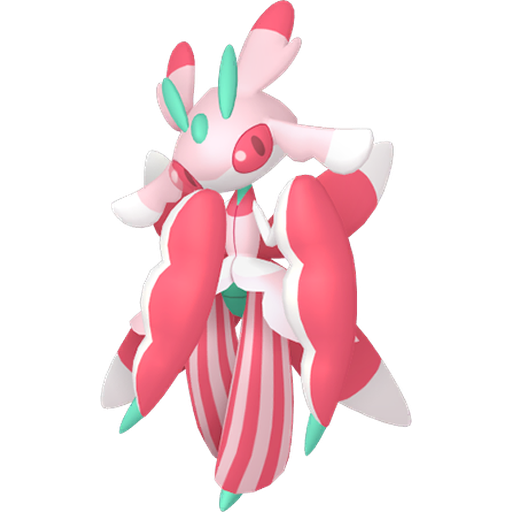
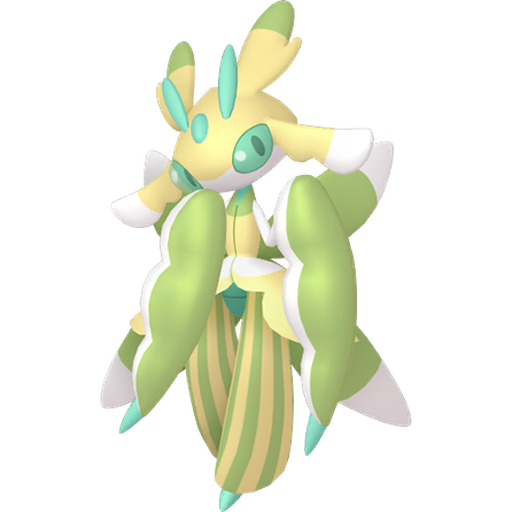


Held Items
Miracle Seed
type-enhancement
Held: Grass-Type moves from holder do 20% more damage.
Cost: 1000
Miracle Seed
type-enhancement
Held: Grass-Type moves from holder do 20% more damage.
Cost: 1000
Miracle Seed
type-enhancement
Held: Grass-Type moves from holder do 20% more damage.
Cost: 1000
Miracle Seed
type-enhancement
Held: Grass-Type moves from holder do 20% more damage.
Cost: 1000
TMs & HMs
tm03
yellow
tm03
red blue
tm03
blue japan
tm03
red green japan
tm05
lets go pikachu lets go eevee
tm06
yellow
tm06
gold silver
tm06
red blue
tm06
crystal
tm06
emerald
tm06
firered leafgreen
tm06
diamond pearl
tm06
platinum
tm06
ruby sapphire
tm06
colosseum
tm06
black 2 white 2
tm06
xd
tm06
black white
tm06
heartgold soulsilver
tm06
omega ruby alpha sapphire
+477 more TMs/HMs
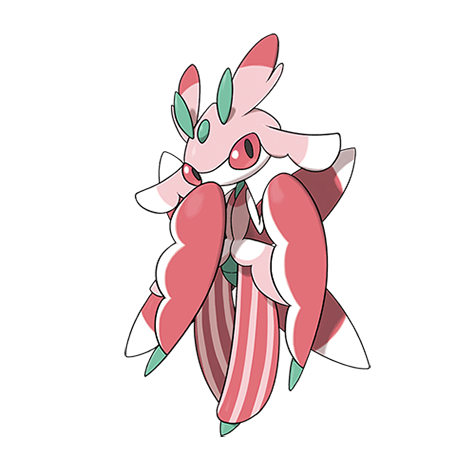
Totem Lurantis's Evolution Chain


Totem Lurantis Evolution, Mega Evolution & Special Forms
Lurantis evolves from the smaller Grass-type Fomantis, a transformation that occurs when the latter is leveled up to at least level 34 during daytime hours. This evolution marks a dramatic increase in size, power, and sophistication, with Fomantis growing from a diminutive creature into the elegant, formidable Lurantis. The evolution process is not merely a physical enlargement; it represents a maturation into a Pokémon capable of harnessing solar energy for devastating beam attacks and possessing the tactical intelligence to manipulate opponents through disguise and deception. Interestingly, Lurantis itself does not undergo further evolution into a Mega Evolution or other advanced form, remaining its final evolutionary stage throughout all known generations. This makes the transition from Fomantis to Lurantis a singular, transformative moment in the species' development, emphasizing the complete metamorphosis from a timid day-dwelling creature to an apex predator of extraordinary grace and power.
Where to Find
Location data not available for this Pokémon in the database.
Totem Lurantis Behaviour and Natural Habitat
Lurantis exhibits behavior patterns that perfectly balance its dual nature as both a delicate flowering Pokémon and a ferocious combatant. It is known to exploit its flower-like appearance and sweet aroma to draw opponents and prey near, only to strike them down with surprising ferocity once they lower their guard. Despite this predatory strategy, Lurantis carries itself with remarkable grace, moving in ways that resemble dancing rather than conventional combat, which has further contributed to its reputation as an exceptionally glamorous Pokémon. The species shows surprising emotional intelligence and capacity for trust, as documented in various Pokédex entries indicating that Lurantis will develop stronger bonds with trainers who invest effort in maintaining its appearance and caring for its wellbeing. In contrast, the Pokémon apparently struggles to form connections with trainers perceived as lazy or neglectful. Within Alolan habitats, Lurantis thrives in sunny environments where it can maintain its vivid coloration and gather the light energy necessary for its most powerful techniques. Its presence in Alola as a totem Pokémon under Mallow's care demonstrates its significance as a regional symbol of natural beauty and cultivated strength.
Pokedex Entries
It requires a lot of effort to maintain Lurantis’s vivid coloring, but some collectors enjoy this work and treat it as their hobby.
For self-protection, it pretends to be a bug Pokémon. Both of its arms bear keen-edged petals.
It fires beams from its sickle-shaped petals. These beams are powerful enough to cleave through thick metal plates.
As it slashes into its enemies, it looks like it’s dancing. Its elegant appearance has led some to call it the most glamorous Grass Pokémon.
This Pokémon resembles a beautiful flower. A properly raised Lurantis will have gorgeous, brilliant colors.
The petals on this Pokémon’s arms are thin and super sharp, and they can fire laser beams if Lurantis gathers light first.
Totem Lurantis Name Origin & Design Inspiration
The name Lurantis derives from "lure" and "mantis," perfectly capturing the essence of a Pokémon that uses floral deception to attract and ambush its prey like a praying mantis. In its original Japanese designation, Lalantes, the name similarly combines elements suggesting both the luring nature of flowers and the predatory characteristics of a mantis. The design itself draws heavy inspiration from orchids and other flowering plants, evident in the petal-like scythes, the skirt-like extensions, and the overall floral silhouette that dominates its appearance. However, this botanical exterior conceals the sharp, efficient form of an insectoid predator, with the mantis influence visible in the raptorial posture, the grasping arms, and the hunting methodology. The sickle-shaped petals serve as both a visual homage to traditional sickle weapons and a representation of the natural curves found in plant forms. The color palette—predominantly pink, red, white, and green—echoes both the vibrant hues of ornamental flowers and the natural warning coloration found in dangerous animals. This synthesis of design elements creates a Pokémon that feels simultaneously beautiful and menacing, elegant and efficient.
Learnable Moves
Totem Lurantis can learn 55 moves:
Move | Type | Cat. | Power | Acc. | PP |
|---|---|---|---|---|---|
| aerial ace | flying | Physical | 60 | — | 20 |
| attract | normal | Status | — | 100 | 15 |
| brick break | fighting | Physical | 75 | 100 | 15 |
| bug bite | bug | Physical | 60 | 100 | 20 |
| confide | normal | Status | — | — | 20 |
| defog | flying | Status | — | — | 15 |
| double team | normal | Status | — | — | 15 |
| dual chop | dragon | Physical | 40 | 90 | 15 |
| energy ball | grass | Special | 90 | 100 | 10 |
| facade | normal | Physical | 70 | 100 | 20 |
| false swipe | normal | Physical | 40 | 100 | 40 |
| fling | dark | Physical | — | 100 | 10 |
| frustration | normal | Physical | — | 100 | 20 |
| fury cutter | bug | Physical | 40 | 95 | 20 |
| giga drain | grass | Special | 75 | 100 | 10 |
| giga impact | normal | Physical | 150 | 90 | 5 |
| grass knot | grass | Special | — | 100 | 20 |
| growth | normal | Status | — | — | 20 |
| hidden power | normal | Special | 60 | 100 | 15 |
| hyper beam | normal | Special | 150 | 90 | 5 |
| ingrain | grass | Status | — | — | 20 |
| knock off | dark | Physical | 65 | 100 | 20 |
| laser focus | normal | Status | — | — | 30 |
| leaf blade | grass | Physical | 90 | 100 | 15 |
| leafage | grass | Physical | 40 | 100 | 40 |
| leech life | bug | Physical | 80 | 100 | 10 |
| low sweep | fighting | Physical | 65 | 100 | 20 |
| nature power | normal | Status | — | — | 20 |
| night slash | dark | Physical | 70 | 100 | 15 |
| payback | dark | Physical | 50 | 100 | 10 |
| petal blizzard | grass | Physical | 90 | 100 | 15 |
| poison jab | poison | Physical | 80 | 100 | 20 |
| protect | normal | Status | — | — | 10 |
| razor leaf | grass | Physical | 55 | 95 | 25 |
| rest | psychic | Status | — | — | 5 |
| return | normal | Physical | — | 100 | 20 |
| round | normal | Special | 60 | 100 | 15 |
| safeguard | normal | Status | — | — | 25 |
| seed bomb | grass | Physical | 80 | 100 | 15 |
| signal beam | bug | Special | 75 | 100 | 15 |
| slash | normal | Physical | 70 | 100 | 20 |
| sleep talk | normal | Status | — | — | 10 |
| snore | normal | Special | 50 | 100 | 15 |
| solar beam | grass | Special | 120 | 100 | 10 |
| solar blade | grass | Physical | 125 | 100 | 10 |
| substitute | normal | Status | — | — | 10 |
| sunny day | fire | Status | — | — | 5 |
| superpower | fighting | Physical | 120 | 100 | 5 |
| swagger | normal | Status | — | 85 | 15 |
| sweet scent | normal | Status | — | 100 | 20 |
| swords dance | normal | Status | — | — | 20 |
| synthesis | grass | Status | — | — | 5 |
| toxic | poison | Status | — | 90 | 10 |
| worry seed | grass | Status | — | 100 | 10 |
| x scissor | bug | Physical | 80 | 100 | 15 |
Totem Lurantis Competitive Battle Guide
Lurantis functions as a specialized physical attacker with decent bulk and a notable weakness to common competitive types. Its attack stat of 105 represents its primary offensive strength, supported by respectable defense and special defense values of 90 each, which allow it to survive significant incoming damage while retaliating with its physical moves. However, its speed stat of 45 presents a considerable drawback, making Lurantis significantly slower than most competitive threats and forcing it into a reactionary playstyle. The ability Leaf Guard provides weather-dependent utility, preventing major status conditions during sunny weather, which synergizes well with sun-setting teammates and moves like Sunny Day. The hidden ability Contrary inverts all stat changes, transforming moves like Swordsdance or Close Combat into stat-decreasing actions, fundamentally altering Lurantis's competitive approach and enabling unusual strategies. Offensively, Lurantis learned Solar Blade as its signature move in Generation VII, a powerful two-turn Grass-type attack that benefits from sunny weather conditions. Type-wise, Lurantis's Grass typing grants resistances to Water, Ground, and Grass attacks, valuable defensive coverage against common threats, though its weaknesses to Fire, Ice, Poison, Flying, and Bug-type moves limit its switch-in opportunities. Competitive players utilizing Lurantis typically employ Trick Room or sun-based team structures to address its speed limitations, allowing it to function more effectively as a setup sweeper or bulky attacker.
Commonly Asked Questions About Totem Lurantis
What type is Totem Lurantis?
Totem Lurantis is a grass type Pokemon.
What does Totem Lurantis evolve into?
Totem Lurantis does not evolve into any other Pokemon. It is the final form in its evolution line.
What are Totem Lurantis's weaknesses?
Totem Lurantis is weak to flying, poison, bug, fire and ice type moves.
Totem Lurantis Cultural Impact & Franchise History
Lurantis has achieved significant cultural prominence within the Pokémon franchise, particularly as a cherished representative of Alolan Pokémon culture through its role as Trial Captain Mallow's signature Pokémon. The species embodies an appealing contradiction that resonates with trainers: the combination of balletic grace with devastating combat prowess appeals to those seeking both aesthetic appreciation and competitive performance. Its characterization as the most glamorous Grass-type Pokémon has made it a favorite among players who prioritize design and personality alongside mechanical optimization. The emphasis on dedicated care and maintenance required to preserve Lurantis's vivid coloration has contributed to its appeal as a Pokémon that rewards trainer investment and attention, reinforcing themes of partnership and mutual growth. In fan communities, Lurantis is frequently celebrated in artwork and creative works that highlight its elegant design and the contrast between its beautiful exterior and dangerous capabilities. The species also serves as a notable example of successful deception in Pokémon biology, with several Pokédex entries highlighting how it masquerades as a Bug Pokémon, a characteristic that has inspired fan discussions about mimicry and predatory strategy in the Pokémon world. Its signature move Solar Blade, a powerful technique that harnesses solar energy in a manner befitting its botanical nature, has further elevated Lurantis's status as an iconic Generation VII Pokémon.
Where to Find Totem Lurantis in Every Pokémon Game
Lurantis is available in various Pokémon games through multiple methods, primarily by leveling Fomantis during daytime hours to level 34 or higher. In Pokémon Sun and Moon, where it was introduced, Lurantis can be encountered as Mallow's totem Pokémon during her trial, representing the first in-game usage of the species. The Alola Pokédex designates Lurantis as number 0144 in Sun and Moon, and number 0177 in Ultra Sun and Ultra Moon, reflecting its importance to the regional dex structure. In later generations, Lurantis remains available in Pokémon Sword and Shield through the base game and expansions, with the Isle of Armor DLC assigning it local Pokédex number 0018. Pokémon Scarlet and Violet included Lurantis with Pokédex number 0248, continuing its presence in mainline titles. Trainers seeking to obtain Lurantis must first capture or breed a Fomantis, which appears in various grassy areas throughout different game regions during appropriate times of day. The evolution requirement of daytime leveling is consistent across all generations, making timing an important consideration for trainers without external tools or methods to manipulate game time. For competitive players and collectors, Lurantis's consistent availability across multiple generations ensures that building teams featuring this Pokémon remains feasible regardless of which game version a trainer prefers to play.